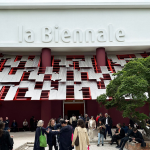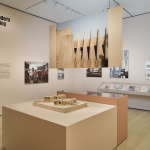
The Pan-African Biennale (PAB) is a platform for discussion and exchange on architecture, bringing together, for the first time, all countries in the African continent. To highlight African contributions to the field, it seeks to shift the narrative from one of fragility to one of resilience by raising awareness of the continent’s traditions, design, culture, and collective memory. The inaugural one-week event is scheduled to take place in Nairobi, Kenya, launching on September 7, 2026. As the first architecture biennale of its kind on the continent and a highly anticipated event, the opening week will feature exhibitions, installations, keynote dialogues, and public events across the city and other satellite locations. Curated by Somali-Italian architect Omar Degan, the biennale aims to shift architectural discourse by expanding contributions from studios representing all 54 African nations, exhibiting work rooted in local contexts, materials, and cultural narratives.
Understanding Western Architectural Gatekeeping
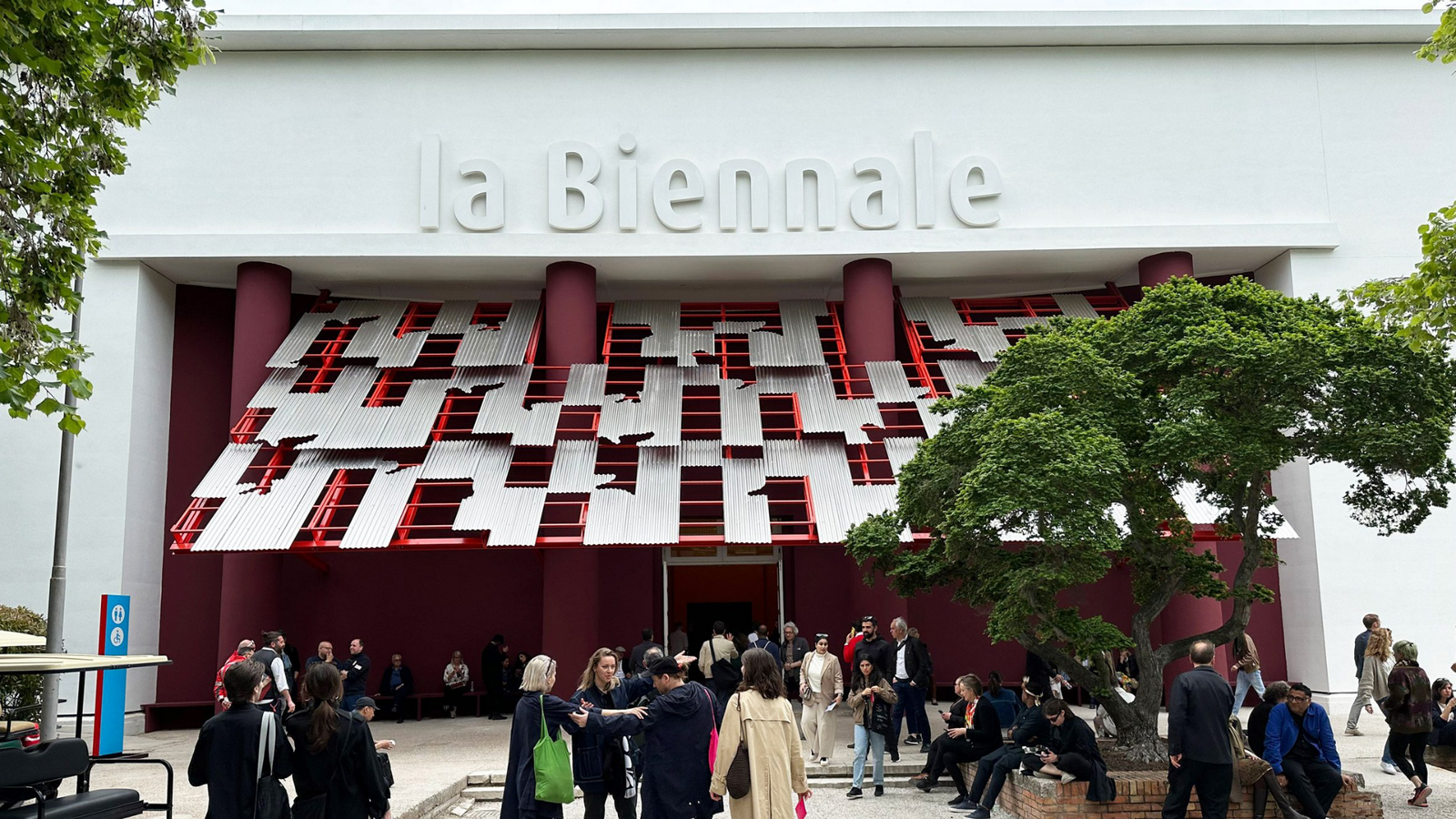
Throughout the twentieth century, international architectural discourse largely revolved around institutions based in Europe and North America. Prestigious exhibitions, influential journals, and global awards often determined which projects gained worldwide recognition. Consequently, architectural achievements from Africa were frequently evaluated using standards developed outside the continent.
This imbalance influenced not only visibility but also funding, education, and professional opportunities. Projects that aligned with Western aesthetic preferences often received greater attention than those responding to local climates, indigenous knowledge systems, or community-driven practices. Traditional construction methods, vernacular architecture, and informal urban innovations were regularly overlooked despite demonstrating remarkable environmental and social resilience. As a result, countless architectural narratives across Africa remained underrepresented in global conversations.
The Rise of the Pan-African Biennale
The Pan-African Biennale represents a new model for architectural dialogue. Rather than waiting for validation from established Western institutions, African architects, curators, scholars, and designers are creating platforms that celebrate their own histories, challenges, and ambitions. The biennale encourages collaboration between nations across the continent while highlighting diverse architectural traditions that cannot be reduced to a single African identity.
Unlike conventional exhibitions that primarily showcase iconic buildings, the biennale explores broader questions concerning housing, heritage conservation, climate adaptation, migration, informal settlements, and cultural memory. Such themes acknowledge that architecture in Africa extends beyond monumental structures; it encompasses social relationships, local craftsmanship, and evolving urban landscapes. The event therefore becomes both a cultural celebration and an intellectual forum for redefining architectural priorities.
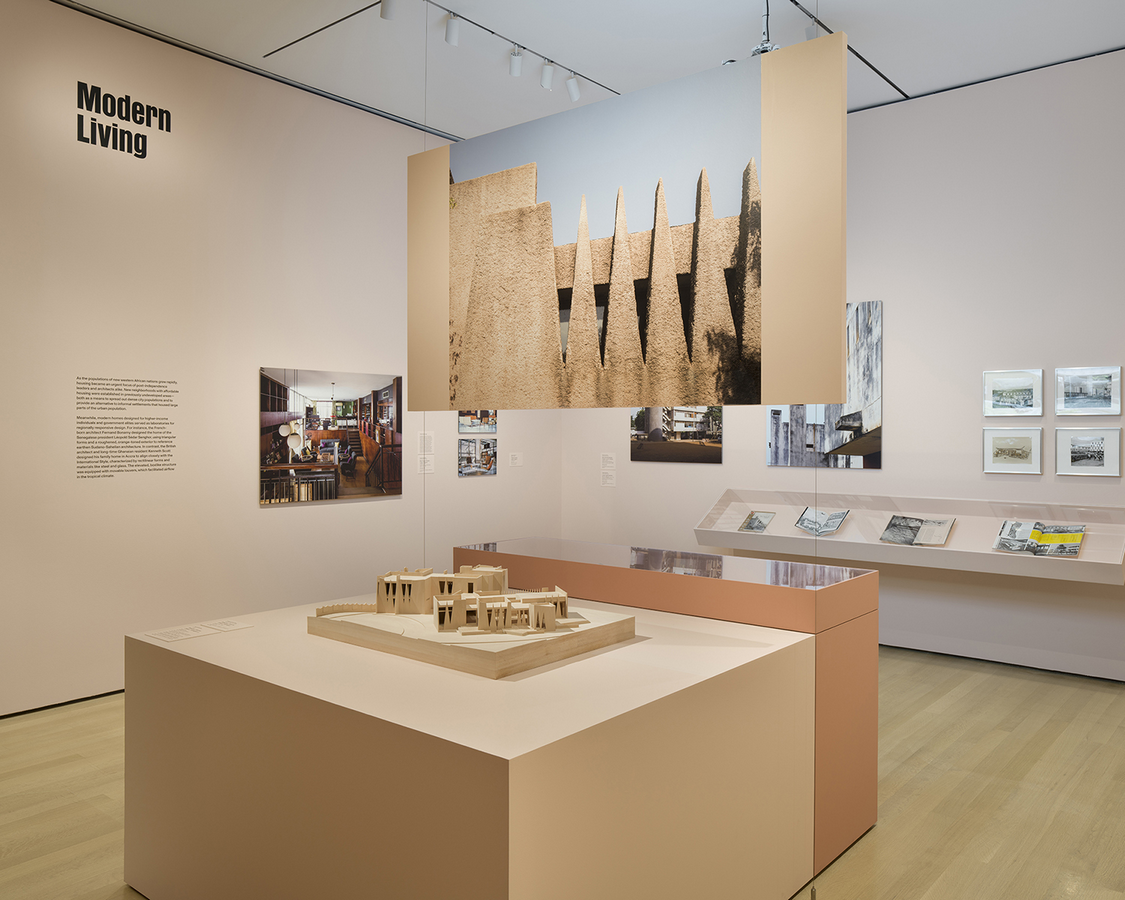
Celebrating Indigenous Knowledge and Local Design
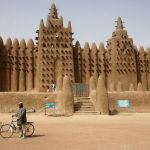
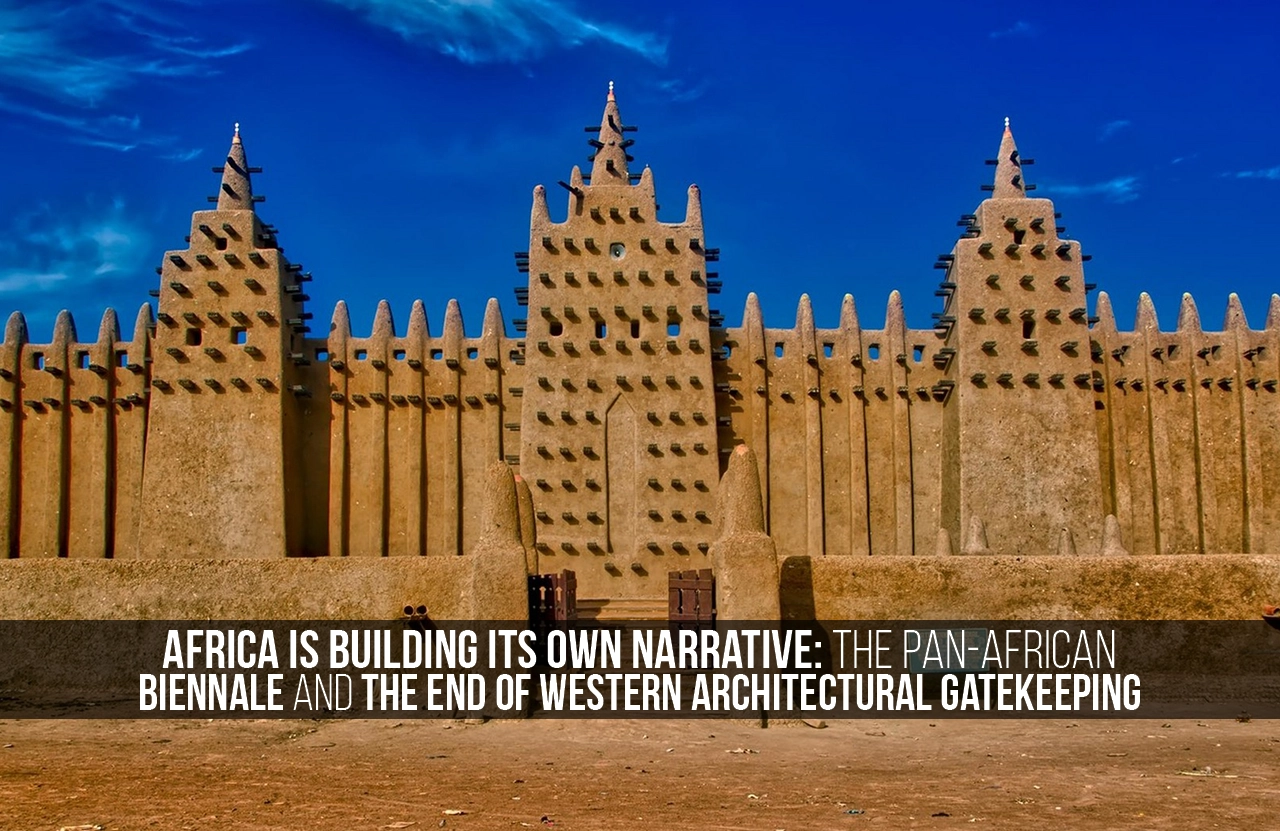
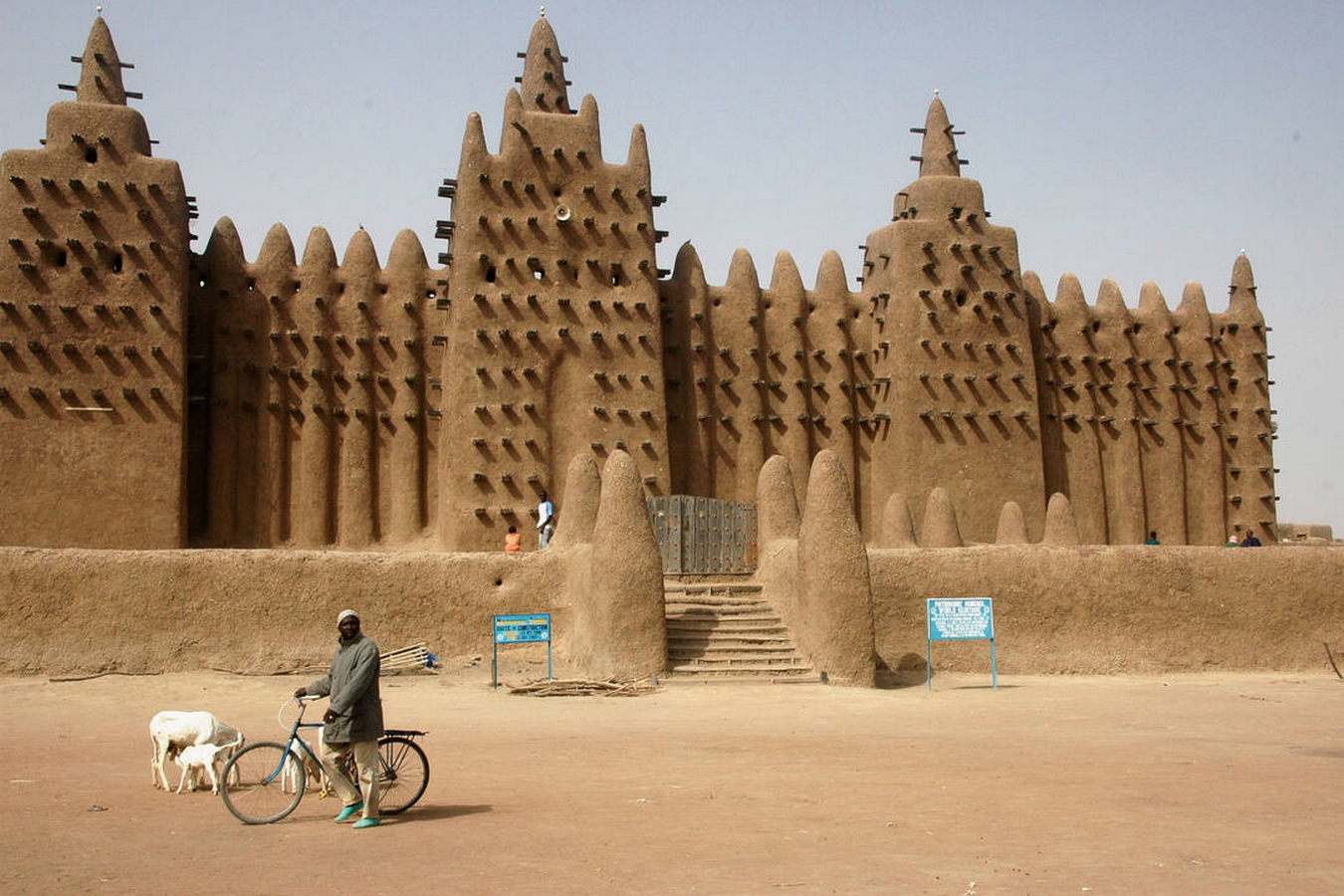
One of the most significant contributions of the Pan-African Biennale lies in its recognition of indigenous knowledge systems. Across Africa, traditional architecture has evolved through centuries of experimentation with local materials, climatic conditions, and cultural practices. Earthen construction in Mali, stone settlements in Ethiopia, courtyard houses in Morocco, and timber traditions in Central Africa all demonstrate sophisticated environmental responses long before sustainability became a global design priority.
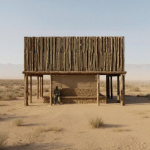
Contemporary African architects increasingly reinterpret these traditions rather than replacing them. Modern projects integrate compressed earth blocks, bamboo, rammed earth, natural ventilation, passive cooling strategies, and locally sourced materials with advanced engineering technologies. Such approaches demonstrate that innovation does not require abandoning heritage. Instead, architectural progress in Africa often emerges through meaningful dialogue between tradition and modernity, creating buildings that are environmentally responsible and culturally authentic.
Architecture Beyond Colonial Narratives
Much international discussion surrounding Africa has historically focused on colonial architecture or post-colonial development. While these histories remain important, they represent only part of the continent’s architectural story. The Pan-African Biennale deliberately expands this narrative by presenting contemporary projects addressing present-day realities rather than remaining confined to colonial legacies.
Rapid urbanisation, affordable housing shortages, ecological resilience, and infrastructure development now define architectural practice across many African cities. Young designers are proposing innovative solutions for informal settlements, public transportation, renewable energy integration, and climate adaptation. Their work demonstrates that Africa is not simply responding to global architectural trends but actively contributing new ideas that may influence future design practices worldwide.
Creating Opportunities for African Professionals
Beyond exhibitions, the biennale strengthens professional networks throughout the continent. Emerging architects gain opportunities to present research, collaborate across borders, and engage with international audiences without depending exclusively on Western institutions for exposure. This shift contributes to a more balanced architectural ecosystem where recognition increasingly originates from within Africa itself.
Academic institutions also benefit from this transformation. Universities can incorporate locally generated research into architectural education while encouraging students to examine regional case studies alongside international precedents. Such educational reforms help future professionals appreciate indigenous innovation and understand that valuable architectural knowledge exists throughout Africa, not only within historically dominant centres of architectural scholarship.
Global Influence Without External Validation
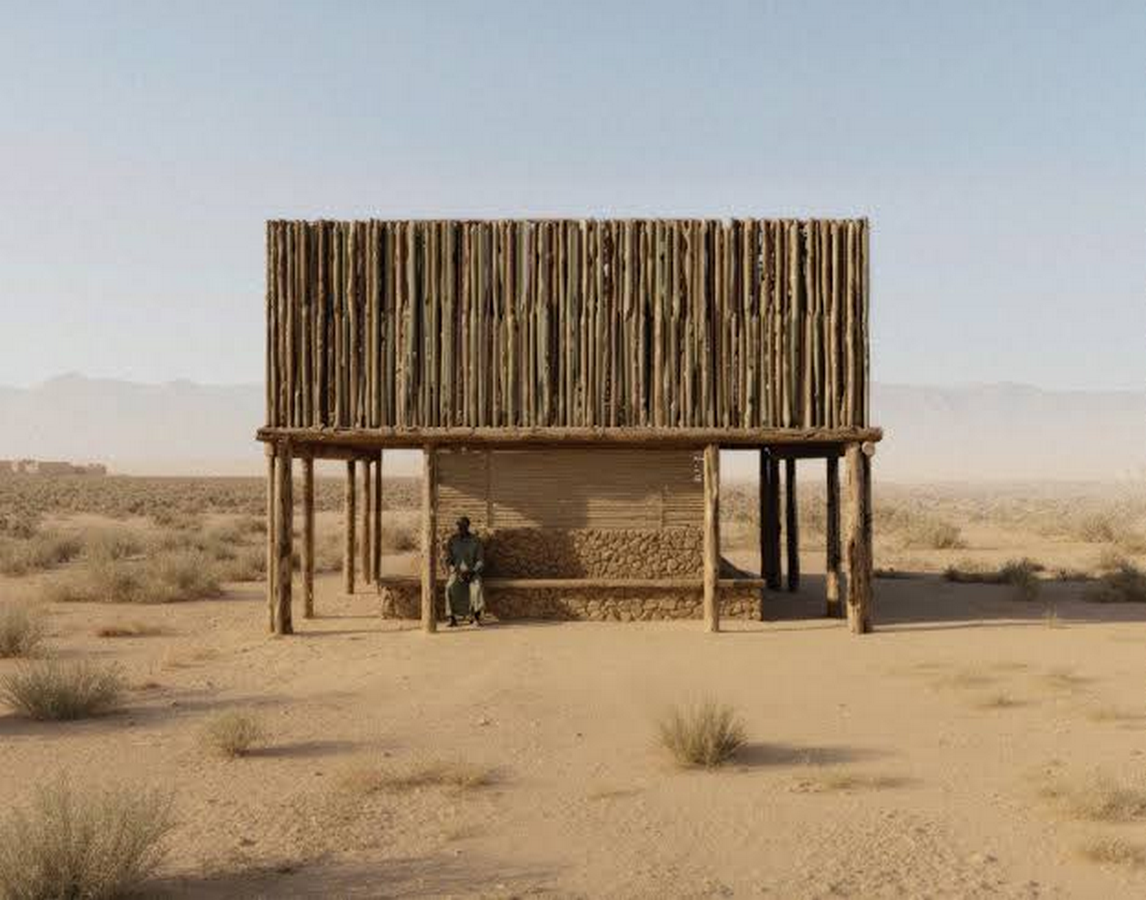
The growing prominence of African architectural platforms does not imply rejecting international collaboration. Instead, it reflects a healthier balance in which partnerships occur through mutual respect rather than unequal power structures. Western institutions continue to play important roles in research, preservation, and education, but they no longer function as the sole arbiters of architectural value.
International architects increasingly look towards Africa for lessons in climate-responsive design, circular construction, community participation, and resource-efficient building techniques. Many solutions developed across the continent address challenges that cities worldwide increasingly face due to climate change and rapid urbanisation. Consequently, architectural knowledge now flows in multiple directions, replacing earlier models that largely assumed innovation travelled only from North to South.
A New Chapter in Architectural History
The Pan-African Biennale symbolises more than an exhibition; it represents a broader cultural movement redefining architectural authorship. By documenting its own achievements, celebrating indigenous knowledge, and creating independent platforms for professional exchange, Africa is reshaping how its built environment is understood globally.
As architectural conversations become increasingly inclusive, the continent is no longer waiting for external recognition to validate its creativity. Instead, African architects, scholars, artists, and communities are producing narratives grounded in local realities while contributing innovative solutions to global challenges. The end of Western architectural gatekeeping is therefore not about replacing one dominant voice with another. It is about ensuring that Africa finally speaks for itself, and that the world listens with equal respect.
References:
Adeyemi, K. (2021) African Water Cities. Available at: https://www.nlestudio.com
Lokko, L. (2023) The Laboratory of the Future: Venice Architecture Biennale. Available at: https://www.labiennale.org
UNESCO (2024) World Heritage Sites in Africa. Available at: https://whc.unesco.org
ArchDaily (2024) African Architecture Projects. Available at: https://www.archdaily.com/search/projects/categories/africa
Dezeen (2024) Architecture in Africa. Available at: https://www.dezeen.com/tag/africa
African Futures Institute (2024) Research and Programmes. Available at: https://africanfuturesinstitute.com