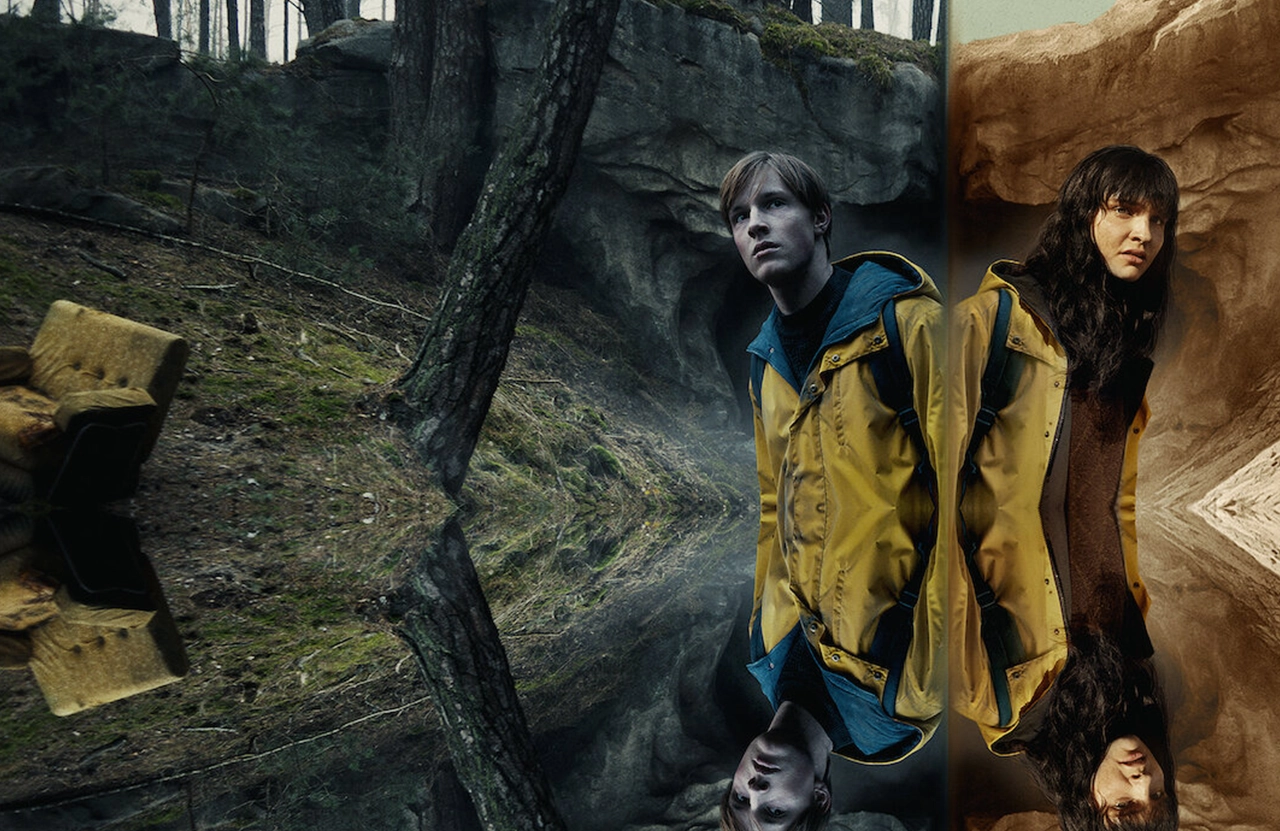
When it comes to talking about television series that have a lasting impression, it is one of the most well-planned shows of recent years. Such a show is Dark. This German science fiction thriller from Baran bo Odar and Jantje Friese has been internationally acclaimed not only for its gripping story but also for its thought-provoking visual language, atmospheric settings and powerful use of space.
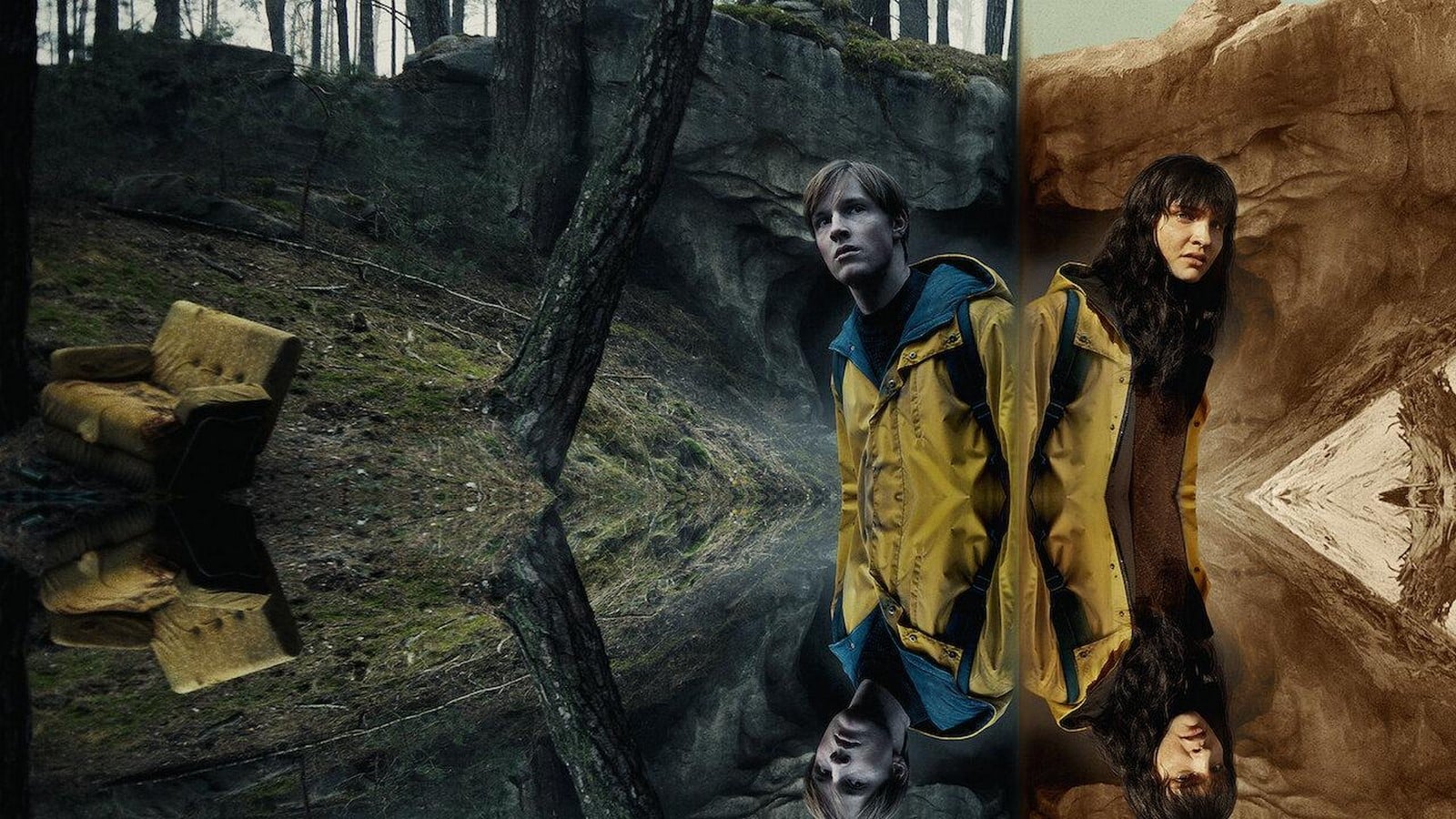
Dark is an extremely immersive experience for the spectator. But for designers, it’s even more valuable: a lesson in how environments and architecture and visual storytelling can shape emotion and meaning without relying on dialogue alone.
What is Dark About?
Without revealing any major plot points, Dark is set in the fictional town of Winden, where a series of mysterious events begin to unravel hidden connections between people, places, and time itself. As the story unfolds, viewers are drawn into a world filled with secrets, uncertainty, and constant discovery.
The show demands attention and patience, rewarding viewers who appreciate layered storytelling and carefully crafted details.
The Importance of Place in Dark
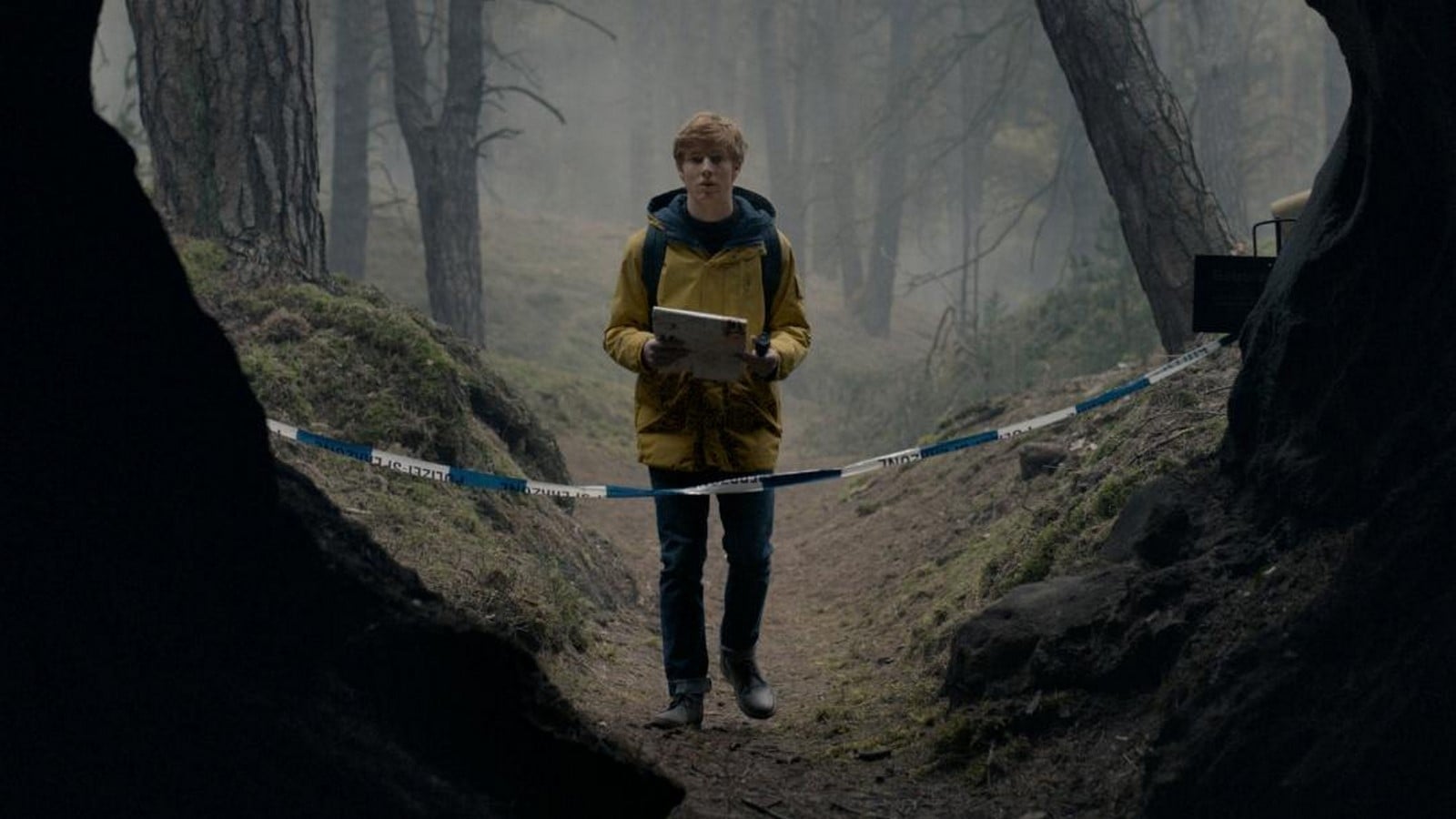
One of the most arresting things about Dark is its sense of place. Winden isn’t just a setting, it’s almost a character in the story.
The thick forests, the remote roads, the caves, the power plant, the houses, the school buildings, the public spaces contribute to the mystery and tension. That adds to the emotional tone of the series but everything has a purpose.
And this is a reminder to architects and designers that spaces are not just vessels of activities. They influence perception, behavior, memory and emotion. Good design of surroundings can convey feelings even before any words are spoken.
Lessons in Spatial Storytelling
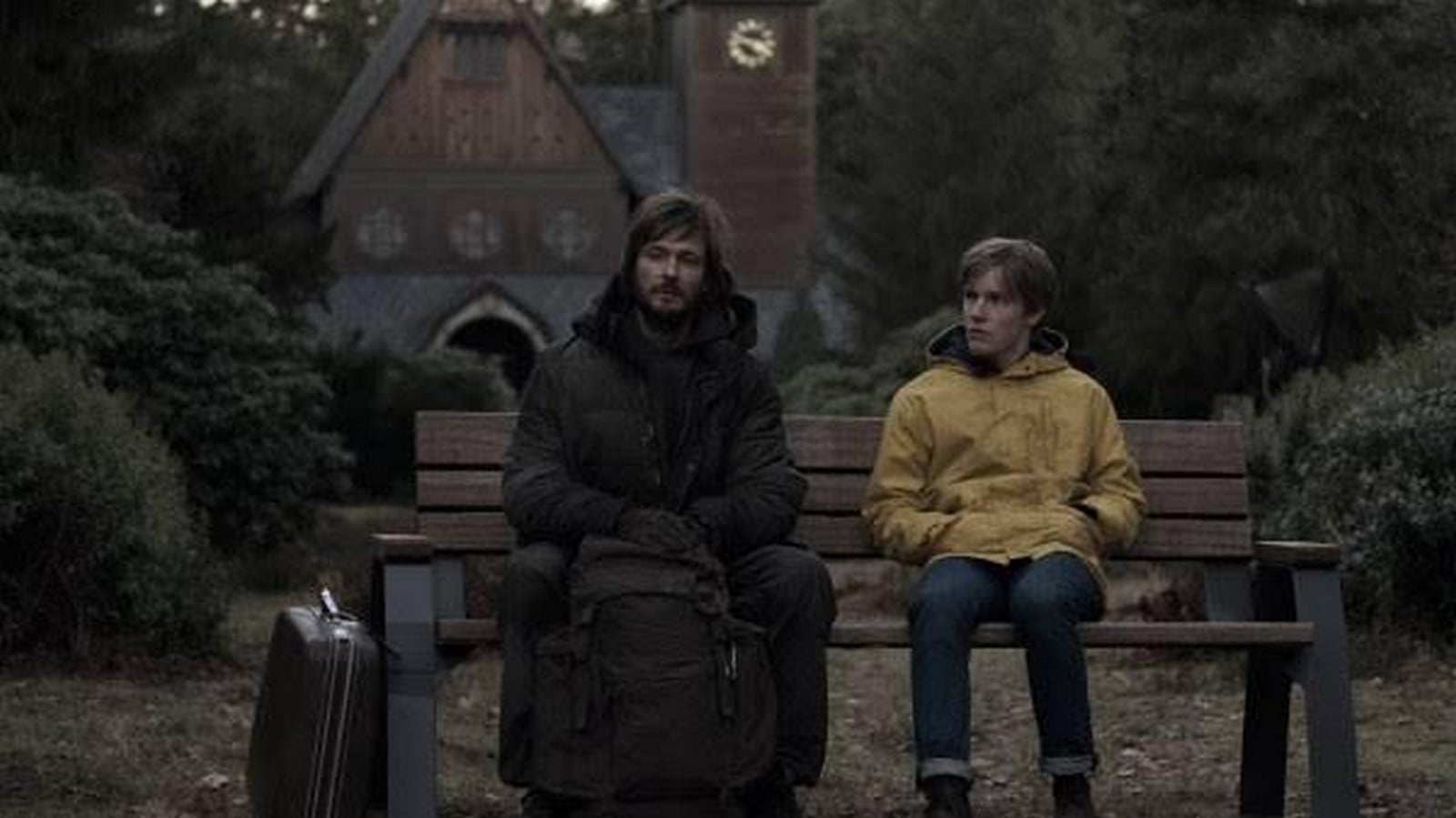
Designers often speak about storytelling through space and Dark does this beautifully.
The series uses repetition of locations, framing, circulation paths and visual relationships to help the viewers understand the relationships between characters and events. The show often favors architecture, landscapes, and spatial arrangements over explanatory dialogue as a means of conveying meaning.
The technique showcases a fundamental design principle: spaces tell stories. Whether you’re designing a museum, a residence, a cultural center, or a public space, thoughtful spatial sequencing can guide users through experiences and elicit specific emotions.
The Power of Atmosphere, Architecture and Memory
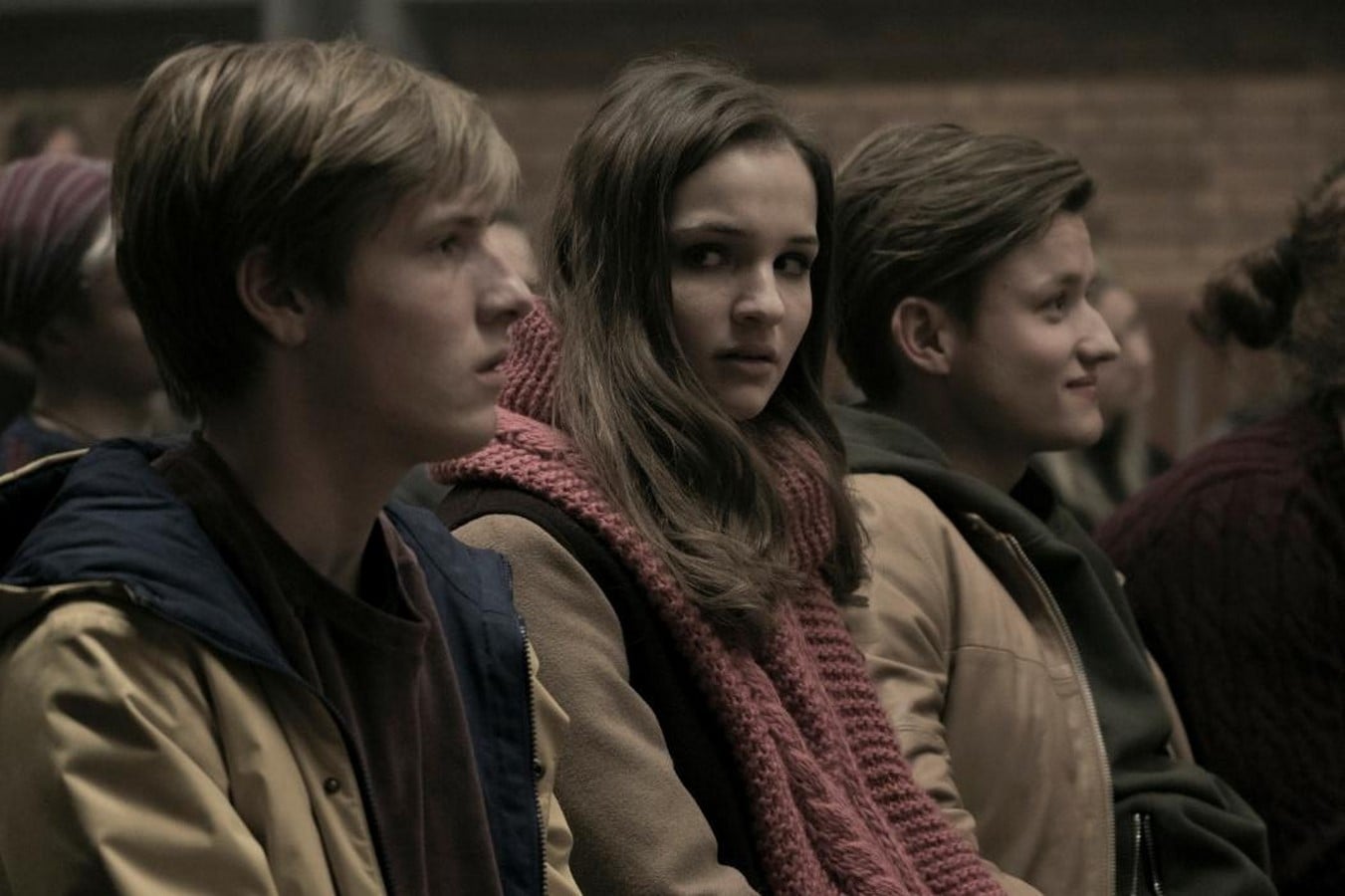
Dark’s atmosphere is one of its best features. A muted color pallette, controlled lighting and often overcast environment create a sense of uncertainty and anticipation.
The visual design demonstrates how materiality, lighting, color and environmental conditions can influence emotional responses. Designers believe subtlety can often have more impact than over-the-top gestures.
The show proves that complex doesn’t equal powerful.
The link between people and places is a recurring theme throughout Dark. Buildings, rooms, streets and landscapes become places of memory and experience.
This concept is very much architectural. “Good design is not just about how it looks or functions. . It’s about making places that people remember and feel connected to emotionally over time.”
The series encourages designers to think beyond physical form and consider how spaces become part of human stories.
Visual Consistency and Design Thinking
The other thing in Dark’s favor is that it’s consistent. Every visual decision feels intentional, from set design and costume choices to color grading and location selection.
This cohesion is like a well-designed project, where everything is working towards a bigger idea. It indicates a requirement to build a compelling design story within the entire project and not to treat each part as a separate entity.
Is Dark a must-watch?
Dark is not a background to be watched mindlessly. It demands concentration, attention and engagement from its audience. It might be a little much for those who like their entertainment at a fast pace, but those who like their stories with layers, visual depth and mental gymnastics will be rewarded.
The series provides designers, architects, filmmakers and storytellers with a wealth of information on atmosphere, spatial storytelling, environmental psychology and the role of place in shaping experience.

Dark succeeds not only as a compelling television series but also as an example of exceptional design thinking. Its ability to use architecture, landscapes, lighting, and atmosphere as storytelling tools makes it particularly relevant for designers.
Personally, what makes Dark remarkable is how it transforms ordinary spaces into emotionally charged environments. It demonstrates that great design is not always about creating something visually extravagant; sometimes, it is about creating places that feel meaningful, memorable, and deeply connected to the stories they hold.
Sources:
- Netflix – Dark Series Overview: https://www.netflix.com/title/80100172
- IMDb – Dark: https://www.imdb.com/title/tt5753856/
- Official Website: https://dark.netflix.io/