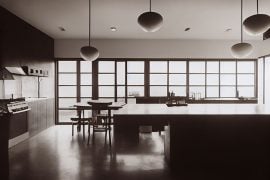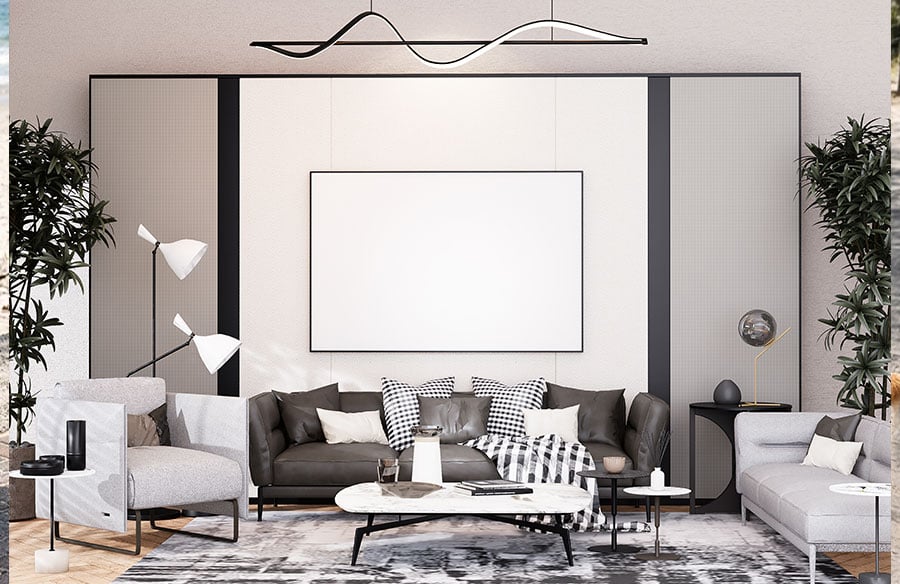
More than just good looks, stylish living spaces are the name of the game today. They are based on real living, real moving, and real sleeping in the home. The move towards functional, clutter-free interiors represents a “form follows function” philosophy, where comfort is just as important as visual appeal. Every layout decision, every material, every lighting decision is intentional, tied to how the occupants are using the space.
Today’s modern interior design has grown steadily with homeowners and professionals alike because of the focus on mindful design. Whether it is a small apartment or a family home, the approach combines beauty with practical living. The result is a space that looks like it’s designed but feels effortless.
Architectural Flow and Open-Concept Zoning
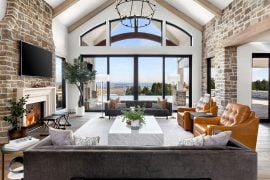
Open is the language of modern interiors. Open-plan living, dining, and kitchen areas without hard walls encourage interaction and allow more natural light throughout the home. It’s a floor plan that facilitates movement and connection but does not feel empty.
Designers use more subtle ways to define functional zones instead of physical barriers:
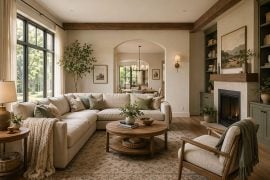
- You can use area rugs and the placement of furniture to divide a seating area from a dining space within the same open room.
- Layered lighting defines the transition from zones with pendants over a dining table to a lounge area with recessed lights.
- Big sliding glass doors dissolve the barrier between the indoors and outdoors, expanding the living space to patios and gardens.
The Psychology Behind Storage and Minimalism
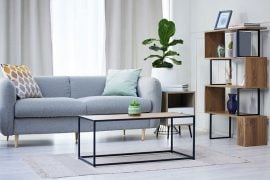
A neat, uncluttered room is more than just pleasing to the eye. It supports mental calm and reduces daily stress. Modern design does this, not through strict emptiness, but through clever storage. Integrated cabinetry, floating wall units and multi-functional furniture such as storage ottomans hide everyday items away without losing access to them.
Every object you see has a function or a private meaning. Odd Number Grouping: Designers often group decorative items in odd numbers, such as threes or fives, to create a visually balanced arrangement. This means you group items in threes or fives for a naturally balanced look on shelves and surfaces.
Tactile and Natural Material Selection
Modern spaces eliminate busy patterns so that materials can speak for themselves. The color palette is warm and neutral, with whites, beiges and soft grays creating a calm canvas that puts the emphasis on texture and finish. Natural wood, polished concrete, leather and exposed stone give depth and warmth to the senses in a room.
Homeowners are working with a subtle base and injecting personality with bold or pastel accent colors in the form of cushions, throws or a single piece of statement artwork. The contrast grounds the space and keeps it visually interesting.
Intentional, Layered Lighting
Light is a big part of how a room feels throughout the day. It is now a building block of modern design, not an afterthought. The big, clear windows bring in the daylight, so you need less artificial light in the morning and afternoon.
After dark, the blend of ambient, task and accent lighting is balanced. Sleek, dimmable fixtures let a single room transition from a bright workspace to a relaxed evening setting. One of the most obvious signs of a well-designed modern interior is the control of mood and function.
Smart Integration and Sustainability
Today the living spaces more and more reflect the person’s awareness of technology and environmental responsibility. The clean architectural lines
are complemented by smart home features like automated climate control, motorized blinds and voice-activated lighting without adding visual clutter.
According to the U.S. Environmental Protection Agency, green building practices can reduce environmental impacts while supporting occupant health, comfort, and indoor environmental quality. This principle applies to interior choices as well. Sustainable fabrics, energy-efficient equipment and repurposed vintage furniture are the choices that homeowners are making to reduce waste without compromising on style. The tendency is to be part of a larger movement in which responsible living and good design are not incompatible targets.
Conclusion
Modern interior design isn’t merely a matter of following a trend. It’s making spaces that embody the way people live, relax and connect. Open layouts promote togetherness, smart storage promotes calm, natural materials provide warmth, and thoughtful lighting shifts with the flow of the day. The home exudes a modern and long-lasting look, thanks to the incorporation of technology and sustainability in these decisions. It’s a sense of purpose that makes a stylish space look different from a decorated space.