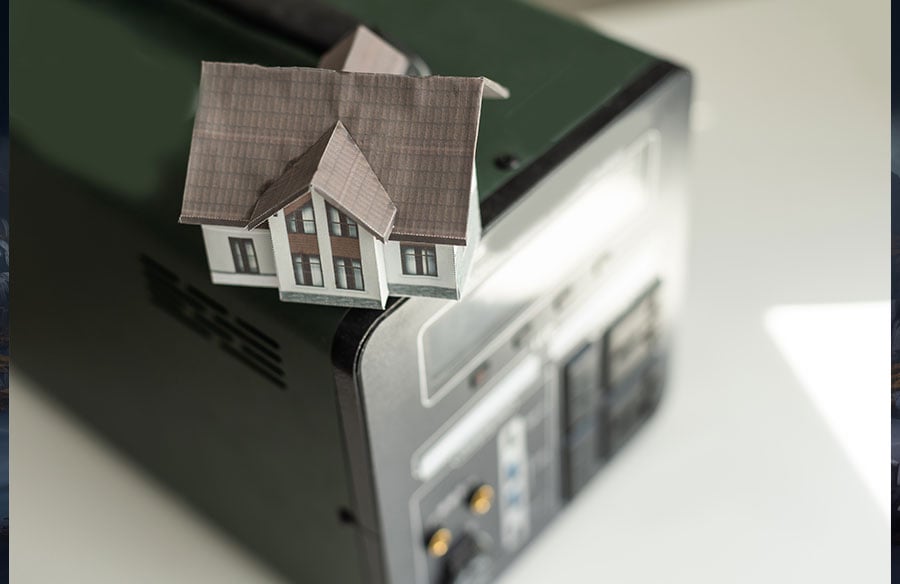
Modern home planning is no longer only about layout, materials, and curb appeal. Homeowners are also thinking about comfort, safety, and how their property performs during storms, outages, and other unexpected disruptions.
In areas where severe weather is common, backup power should be considered early in the planning process. A well-designed home should not only look good in ideal conditions. It should also support the household when the power goes out.
Backup Power Supports a More Resilient Home
Power outages can affect more than lighting. They can interrupt air conditioning, refrigeration, security systems, internet access, garage doors, and essential appliances. For many families, losing power for several hours or days can quickly become stressful.
This is why generators are becoming an important part of residential planning. Instead of waiting until an outage happens, homeowners can prepare by choosing a system that fits their property, power needs, and long-term comfort.
Planning Early Makes Installation Easier
A standby generator needs the right location, proper clearance, safe electrical connection, and access for future maintenance. When backup power is considered early, it becomes easier to place the system in a way that supports both safety and function.
Homeowners considering whole home generator installation should think about how the system will connect to the home’s electrical setup, where it will be positioned outside, and which essential areas of the home should remain powered during an outage.
This type of planning helps avoid rushed decisions later, especially before hurricane season or after a major storm has already been forecast.
Safety Should Always Come First
Generator placement is not just about convenience. It is also a safety issue. Generators must be installed and used with proper attention to airflow, exhaust, electrical connections, and local requirements.
Portable generators require extra caution because of carbon monoxide risks, wet conditions, and unsafe wiring mistakes. Standby generators offer a more permanent option because they are installed with proper transfer equipment and planned around the home’s electrical system.
A safe setup helps protect the home, the family, and utility workers who may be restoring power nearby.
Backup Power Adds Everyday Value
While many people think about generators during storms, outages can happen throughout the year. Grid issues, fallen trees, high demand, and equipment failures can all disrupt power without much warning.
Depending on the system size and setup, a standby generator can help keep essential systems running automatically. This can make a meaningful difference for homeowners who work from home, rely on cooling, or want appliances and security systems to remain operational during an outage.
Final Thoughts
A well-planned home should support comfort, safety, and long-term reliability. Backup power fits naturally into that goal, especially in areas where storms and outages are common.
By planning early, homeowners can choose a generator setup that works with their property instead of treating it as an afterthought. With the right system, proper placement, and professional installation, backup power can become a practical part of a stronger and more prepared home.