For decades, sci-fi films promised us buildings that could think for themselves. Lights would respond to movement, heating systems would anticipate changes in the weather, and entire environments would adapt to the needs of the people inside them.
While we may not have arrived at the fully automated future imagined by science fiction, many of those very smart building technologies are now becoming standard features in commercial buildings across Australia. Businesses can now monitor energy consumption remotely, adjust lighting from mobile devices, automate climate systems, and even receive alerts when maintenance is required.
We’ve become accustomed to checking security cameras from our phones, seeing who’s at the front door while we’re away, or receiving notifications when someone enters a property. The same technologies are increasingly shaping commercial environments.
With Australia’s commitment to reducing emissions and improving energy efficiency, commercial renovations are increasingly focused on creating smarter, lower-carbon environments. Here are some of the key trends shaping the sector.
Upgrade Commercial Buildings with Smarter Building Systems
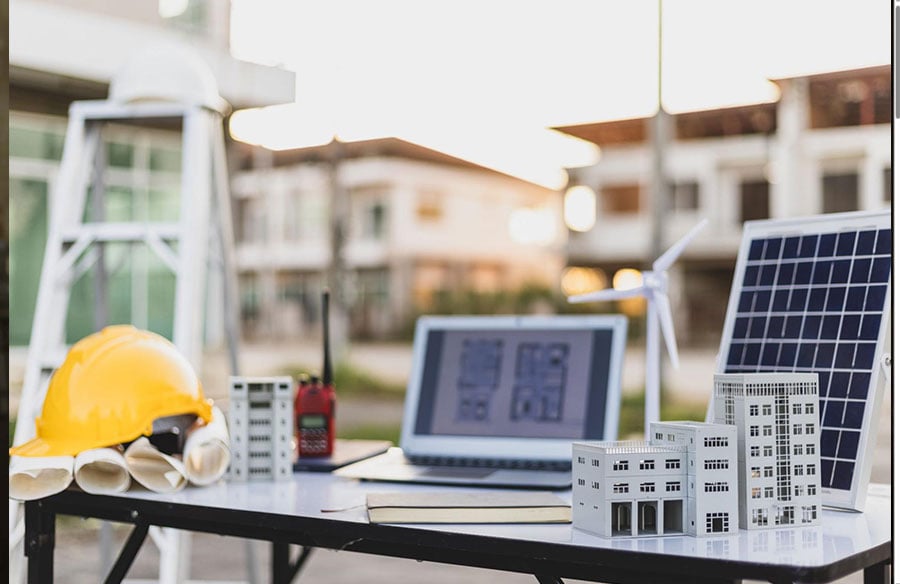
Smart building technology has become one of the most influential developments in commercial design and renovation. Occupancy sensors, automated lighting controls, smart thermostats, and building management systems allow organisations to monitor and optimise energy consumption in real time.
Rather than relying on fixed schedules, these systems respond to actual building usage. Meeting rooms can automatically adjust lighting levels when occupied, air-conditioning systems can reduce output in unused areas, and energy data can be analysed to identify inefficiencies.
These innovations are not simply about convenience but also about helping organisations reduce energy consumption, lower operating costs, and meet growing sustainability targets. As commercial spaces become increasingly reliant on integrated technologies, partnering with a commercial electrician in Melbourne during the early planning stages of a renovation can help ensure the infrastructure supports both current and future building systems.
Get off the Gas, Replace with Electric
One of the most significant shifts seen across Australia’s commercial sector is the move away from gas-powered infrastructure. Renovation projects increasingly involve replacing gas heating, hot water systems, and commercial appliances with electric alternatives.
Electrification allows businesses to take advantage of renewable energy sources while reducing dependence on fossil fuels. As Australia’s electricity network continues to incorporate more renewable generation, the emissions associated with electric systems are expected to decrease further over time.
This transition aligns with Australia’s broader net-zero emissions strategy, which identifies building efficiency and electrification as important components in reducing national emissions. By switching from gas to electricity, businesses can save money and help save the planet at the same time.
Broader Solar & Battery Integration
Commercial property owners are increasingly viewing renovation projects as opportunities to prepare for the adoption of renewable energy. Even where solar panels are not installed immediately, many businesses are upgrading switchboards, electrical capacity, and distribution systems to support future installations.
Battery storage is also becoming more attractive as organisations seek greater energy independence and protection from rising energy costs. These systems can help businesses manage peak demand, store excess solar energy, and improve resilience during grid disruptions.
The growing role of renewable energy within commercial buildings is reflected in initiatives supported by the Australian Renewable Energy Agency (ARENA), which continues to fund projects that accelerate clean energy adoption across Australia. By installing solar systems and batteries today, buildings are being better future-proofed for tomorrow’s tenants.
EV Charging Infrastructure
Electric vehicle adoption is growing rapidly both here and abroad, creating new demands for charging capabilities in commercial properties. Businesses are increasingly installing EV charging stations for employees, customers, and visitors as part of renovation and upgrade projects.
Office buildings, retail centres, industrial facilities, and mixed-use developments are recognising that charging infrastructure is likely to become an expected feature rather than a premium addition. Including EV charging during a renovation is often more cost-effective than retrofitting it later.
As fleet operators and private vehicle owners continue to transition to electric transport, commercial properties that have already prepared for this shift may be better positioned to meet future demand and remain competitive. Future tenants will be able to access spaces without hesitation thanks to the foresight of EV-minded foremen.
Adaptive Reuse & Circular Design
Another growing trend is the adaptive reuse of existing commercial buildings rather than total demolition and reconstruction. Reusing existing structures can significantly reduce embodied carbon, the emissions associated with producing, transporting, and installing construction materials.
Today’s renovation projects increasingly seek to retain structural elements, repurpose materials, and minimise waste. Circular design principles encourage resources to remain in use for as long as possible, reducing environmental impacts throughout the building lifecycle.
This approach aligns with broader sustainability initiatives promoted by the World Green Building Council, which advocates for lower-carbon buildings, sustainable construction practices, and the reduction of embodied carbon across the built environment. As organisations increasingly seek to reduce their environmental impact, adaptive reuse is becoming an important strategy for extending the life of existing buildings while avoiding the emissions associated with costly demolition and new construction.
Better Building Performance Ratings
Sustainability is no longer being measured solely by good intentions. Increasingly, organisations are expected to demonstrate measurable environmental performance outcomes. Improving building ratings often drives renovation decisions, with upgrades focused on reducing energy consumption, improving indoor environmental quality, and lowering operational emissions.
Many landlords and developers use the NABERS rating system to benchmark building performance and identify opportunities for improvement. Similarly, Green Star certification has become an important framework for assessing the sustainability of commercial developments.
Higher-performing buildings can benefit from reduced operating costs, stronger tenant demand, and improved long-term asset value. By being more conscious of building performance ratings, renovators can ensure a building looks good to people both on the inside and out.
Renovating to Curb Carbon Footprints Both Today & Tomorrow
The future of commercial renovations will not be defined by a single technology or design trend. Instead, it is being shaped by a combination of smarter systems, cleaner energy sources, and more sustainable approaches to building management.
From automated building controls and electrification to renewable energy integration, EV infrastructure, and adaptive reuse, Australian businesses are increasingly viewing renovation projects as opportunities to reduce emissions while improving performance. This means that commercial building renovations will not only be designed for better operations today but also, objectively, built to stand stronger for longer.
The futuristic buildings imagined decades ago may not have arrived exactly as predicted, but today’s commercial spaces are certainly becoming smarter, more responsive, and significantly more sustainable than ever before.