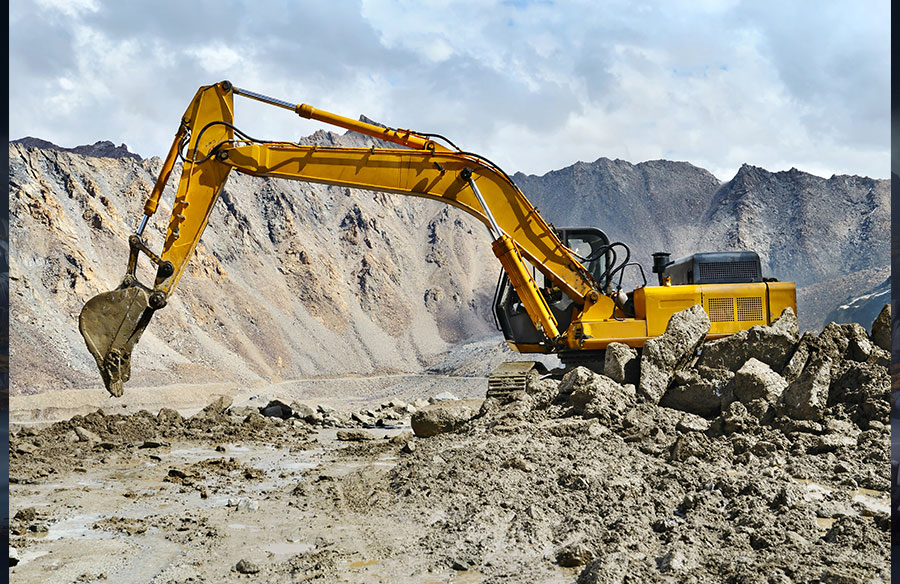
Mistakes tend to happen in the in-between moments, not during the main job.Swapping tools is one of those moments. On a busy site, the pressure to keep moving can turn a routine changeover into a rushed, risky exercise. When earthmoving attachments are handled with care, though, the same process becomes predictable and controlled, almost uneventful in the best way. That shift comes down to preparation, awareness, and a willingness to slow things just enough to get it right.
Why Ground Conditions Shape The Entire Changeover Process
It’s easy to overlook the ground you are working on, particularly when everything else looks in order. But a slightly uneven patch or soft ground can throw off alignment before the operator even starts. What follows is usually a series of small corrections that never quite settle into place.
A level, compacted area changes the dynamic entirely. The machine sits properly, the boom carries its weight evenly, and the attachment meets the coupler without resistance. On sites where space allows, setting aside a consistent swap area pays off quickly. The ground stays prepared, and operators know exactly what to expect each time they roll in.
Pre-Installation Inspections and Compatibility Checks
There’s a tendency to rely on familiarity when handling equipment that gets used every day. But wear doesn’t always announce itself. A small crack near a mounting ear or a slightly worn pin can go unnoticed until it becomes a problem under load.
A proper check doesn’t need to be long. It just needs to be deliberate. Look over the contact points, run an eye along the brackets, and check that the hydraulic fittings match what the machine is designed to handle.
Cleanliness matters more than it gets credit for. Dirt and old grease around couplers can interfere with a proper seal. Wiping things down takes seconds and avoids a lot of unnecessary strain on the system later.
Approaching The Attachment With Control And Intent
The actual connection is where technique starts to show. Rushing in rarely works. A slower approach, with small adjustments, gives the operator a better feel for how the attachment is sitting.
Visibility is key here. If the angle isn’t clear from the cab, a spotter can help, provided they stay well clear of the working area. The goal is alignment that feels natural rather than forced into place.
Quick-hitch systems have made the process faster, but they’ve also introduced a bit of complacency on some sites. That audible click can be reassuring, but it shouldn’t be the final check. A slight lift and tilt of the attachment confirms whether it’s actually seated. If something shifts, it’s better to know then than after the machine is back in operation.
Managing Hydraulic Connections and Pressure Release
Hydraulics have a way of holding tension long after the engine stops. It catches people off guard. Lines that look harmless can still be under pressure, making them difficult to handle and potentially dangerous.
Relieving that pressure is a step that shouldn’t be skipped. Cycling the controls with the engine off or using the float function helps release any build-up. It’s not complicated, but it does require attention.
Connections themselves should be treated carefully. Clean fittings reduce the chance of contamination, and proper hose routing prevents issues once the machine is moving again. Hoses need room to flex without stretching or catching on nearby components.
Lowering And Storing Attachments With Future Use In Mind
Removal is often where fatigue creeps in. The job feels nearly done, and there’s a temptation to move quickly through the last steps. That’s when attachments get dropped rather than placed.
Lowering them with control makes a difference, not just for safety but for the next use. Setting an attachment on timber or a stand keeps it off the ground and maintains its position. It stays easier to reconnect, and the mounting points remain in better condition.
Before moving away, it’s worth checking that everything has disengaged fully. A missed hose or partially released pin can cause damage in seconds.
Keeping Communication Clear Around Moving Equipment
Even experienced operators can’t see everything. Blind spots are part of working with large machines, and that’s where teamwork comes in.
Anyone assisting needs a defined position, somewhere visible and well outside the machine’s reach. It’s not just about staying safe but also being predictable. The operator should always know where that person is without needing to search.
Agreed hand signals help avoid hesitation. A simple, consistent system works better than anything overly complicated. Once the machine is active, there’s no room for mixed messages.
Establishing a no-go area during the swap adds another layer of control. Nobody steps in until the attachment is grounded and the machine is effectively at rest.
Final Thoughts
Swapping attachments carries more risk than most people give it credit for. But done properly, it becomes routine in the best sense of the word. The difference comes down to small decisions made consistently. Choosing level ground, taking a moment to check for wear, and paying attention to how things line up rather than forcing them into place.