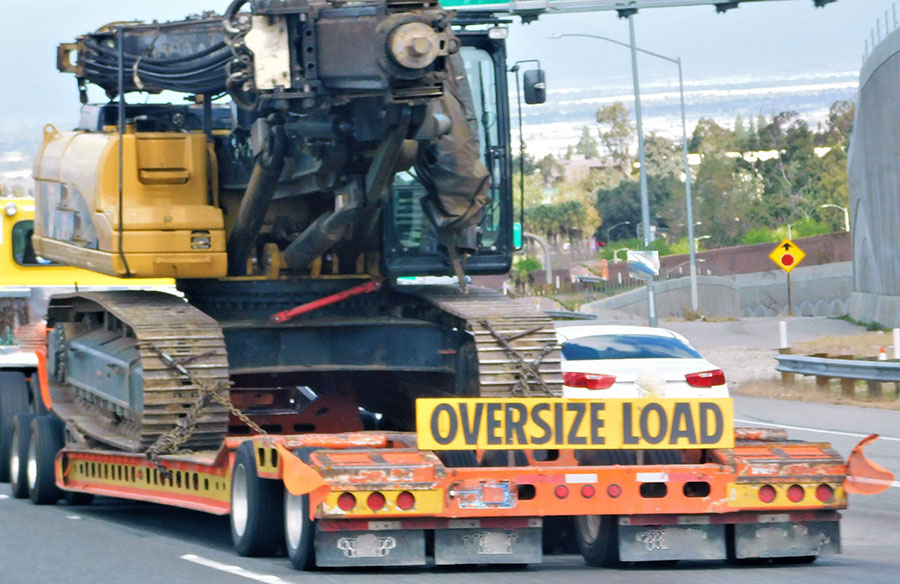
Transporting heavy machinery isn’t just about moving equipment from point A to point B—it’s a complex operation that requires detailed planning, precision, and coordination. For project managers and business owners in the industrial sector, the success of a machinery move depends on how well it’s planned. From safety protocols to regulatory compliance, every step must be accounted for to minimize risk and avoid costly delays.
This guide outlines the key components of effective heavy equipment transport planning and offers practical insight for professionals overseeing such projects.
1. Pre-Transport Assessment
Before any wheels start turning, a comprehensive assessment of the machinery and project site is essential. Start by evaluating the dimensions, weight, and unique handling requirements of the equipment. Does the machinery have fragile components? Will it need disassembly before transport?
Equally important is a site inspection. Analyze the pickup and drop-off locations for factors like surface conditions, space constraints, overhead obstructions, and access for cranes or trailers. These details inform both the equipment selection and transport method, helping to avoid surprises during execution.
2. Choosing the Right Equipment and Transportation Method
Not all machinery moves are alike, which is why selecting the correct transportation method is critical. Depending on the size and weight of the load, you may require a lowboy trailer, flatbed, step-deck, or extendable trailer. Oversized or overweight loads may also demand additional rigging support, such as cranes or forklifts.
Working with experienced heavy haul contractors ensures the appropriate trailers, load-securing tools, and support vehicles are in place. Rigging gear, including slings, chains, and hoists, should be matched precisely to the load’s specifications to ensure safety and stability during lifting and movement.
3. Route Planning and Permitting
Strategic route planning is a crucial part of the transport process. The route must accommodate the size and weight of the load, including checking for bridge weight limits, road width, overhead clearance, and tight turns. Weather conditions, traffic patterns, and road construction can also impact transport timing and safety.
Most heavy equipment transport operations require special permits, especially when dealing with oversized or over-dimensional loads. Depending on the states and municipalities involved, permits may need to cover escort vehicles, nighttime travel restrictions, or specific travel windows.
4. Risk Management and Safety Protocols
Safety is non-negotiable in heavy equipment transport. Compliance with OSHA (Occupational Safety and Health Administration) and DOT (Department of Transportation) regulations must be maintained at every stage of the operation.
Proper load securement is a core part of risk mitigation. Chains, binders, and ratchet straps must meet rated capacity standards and be positioned to prevent load shifts. Additionally, establishing an emergency response plan in advance ensures teams are prepared to respond to unexpected issues such as equipment failure or route disruptions.
5. Coordination and Communication
Efficient execution depends on clear coordination between all involved parties. Project managers should create a transport timeline, assign roles, and communicate expectations to equipment operators, drivers, riggers, and site supervisors.
Utilizing real-time communication tools—like GPS tracking and mobile coordination apps—can help streamline updates and minimize delays. Consistent communication ensures everyone is aligned throughout the move, from departure to delivery.
6. On-Site Execution and Unloading
Once the transport arrives on-site, proper staging and preparation ensure safe unloading. This may involve creating level ground for trailers, securing cranes or forklifts, and setting up barriers for personnel safety.
Supervising the unloading process is essential to prevent damage to the machinery or injury to workers. Final safety inspections should be conducted after the equipment is in place to confirm that nothing has shifted or been compromised during transit.
7. Post-Transport Review
After the move is complete, conducting a post-transport review adds value for future projects. Inspect the equipment for damage, confirm that all documentation is complete, and meet with your team to review what went well and what could be improved.
This is also an ideal time to perform any necessary equipment maintenance, especially if the machinery was partially disassembled or exposed to environmental elements during the move.
Conclusion
Strategic planning is the foundation of every successful heavy machinery transport operation. By taking a proactive, detail-oriented approach—from site assessment to final unloading—project managers can ensure safety, compliance, and efficiency throughout the process.
For complex or high-value moves, partnering with experienced logistics and rigging professionals can further reduce risk and provide the specialized support needed to get the job done right. Whether you’re moving one piece of equipment or managing a full-site relocation, thoughtful planning is the key to minimizing downtime and protecting your investment.