Modern condo design is evolving quickly as developers respond to changing lifestyles, remote work habits, and growing expectations around comfort and functionality. Buyers and renters are no longer focused only on location or square footage. The way a space supports everyday routines now plays a much larger role in how people evaluate urban living environments. Layout flexibility, natural light, storage, technology integration, and shared amenities all influence whether condos feel practical long-term.
As cities continue growing denser, condo design increasingly focuses on helping smaller spaces feel more comfortable and adaptable without sacrificing style or convenience. Many newer developments prioritize layouts and features that support both personal comfort and efficient urban living instead of relying purely on luxury aesthetics or oversized spaces.
Flexible Layouts Make Smaller Spaces Feel More Functional
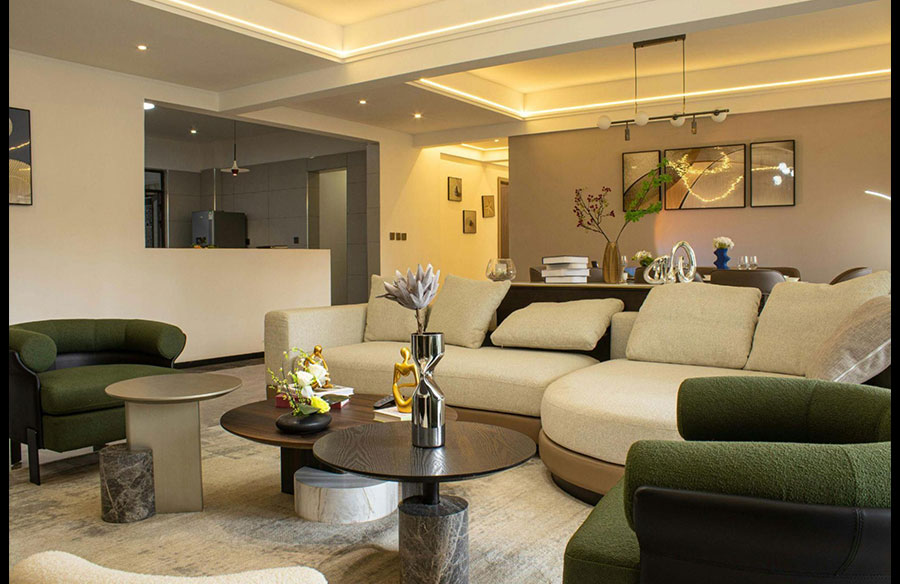
One of the biggest shifts in condo design is the emphasis on flexibility. Modern residents often need a single room to serve multiple purposes throughout the day, especially as remote work and hybrid schedules remain common. Open layouts, movable furniture, built-in storage, and adaptable workspaces all help condos feel more practical without requiring additional square footage.
Smarter layouts also help reduce visual clutter, which makes smaller homes feel calmer and easier to live in. Well-designed condos usually prioritize flow and usability rather than filling every corner with unnecessary design features. Simplicity often improves everyday comfort more effectively than highly decorative layouts.
Natural Light Has Become a Major Priority
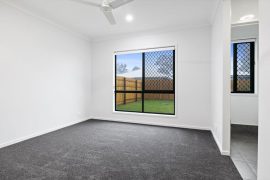
Natural light strongly influences how spacious and comfortable condos feel. Bright interiors generally improve mood, make rooms appear larger, and reduce the closed-in feeling often associated with urban living. Developers increasingly focus on larger windows, open sightlines, and layouts that maximize daylight throughout the home.
Many buyers now prioritize natural lighting almost as heavily as location itself because it affects daily comfort so directly. Even relatively compact condos often feel significantly more inviting when lighting and window placement are handled thoughtfully.
Urban Living Is Becoming More Lifestyle-Oriented
Modern condo developments increasingly focus on supporting complete lifestyles rather than simply providing housing. Shared lounges, coworking spaces, wellness amenities, rooftop areas, and walkable neighborhood access all contribute to how connected and convenient a property feels during everyday life.
Properties such as https://www.urbnlivn.com/seattle-condos/international-district/koda/ highlight how newer urban developments often prioritize functionality, accessibility, and modern living comfort within highly active city environments. Residents increasingly want spaces that fit naturally into their daily routines instead of feeling disconnected from the surrounding neighborhood.
Storage Solutions Quietly Improve Everyday Living
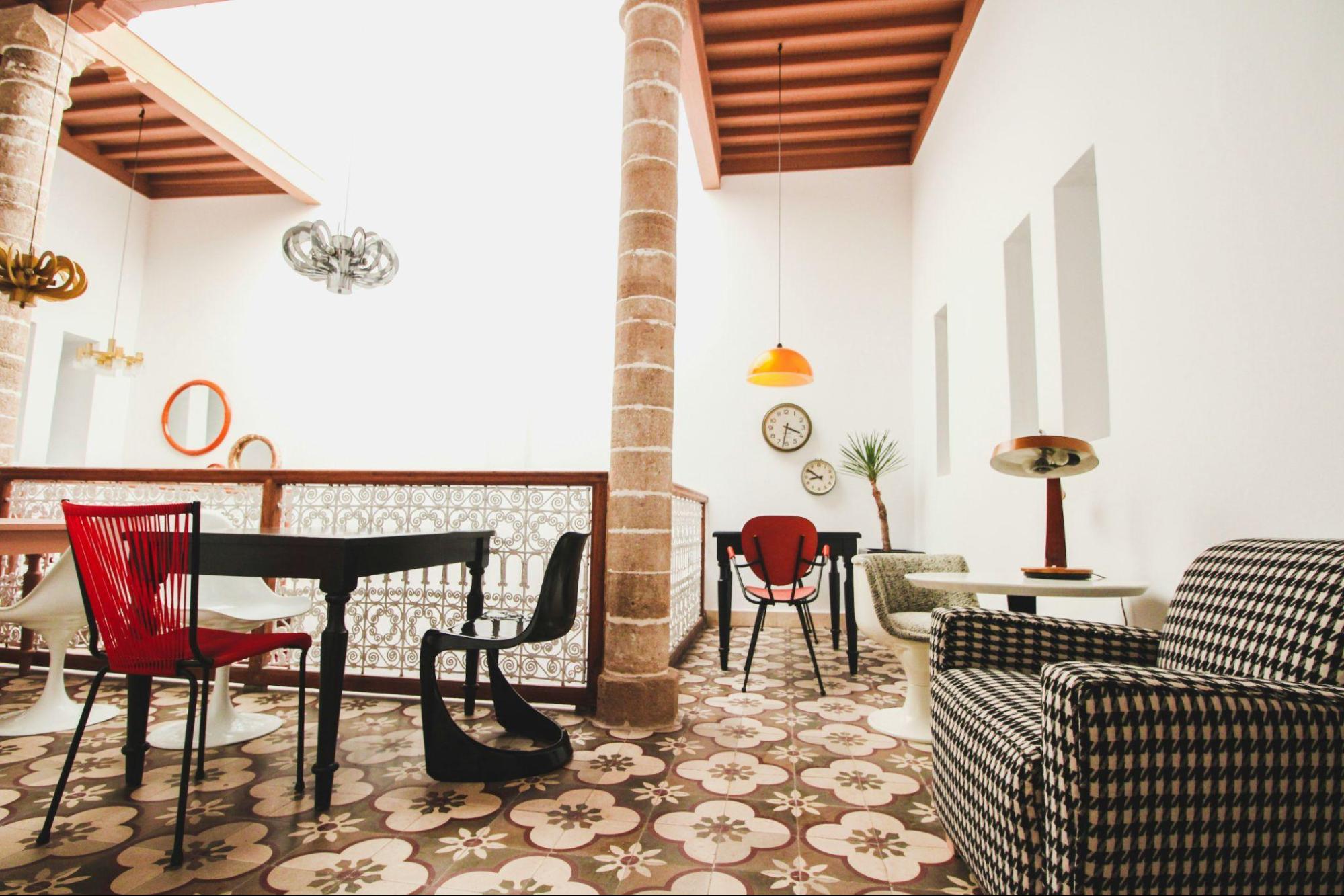 Storage has become one of the most important design priorities in future condo planning. Poor storage often creates clutter quickly, especially in smaller urban spaces where every square foot matters. Built-in shelving, hidden storage compartments, multi-functional furniture, and better closet systems all help condos remain more organized long-term.
Well-designed storage improves more than appearance alone. Cleaner and more organized environments generally feel less stressful and easier to maintain during busy schedules. Many buyers now actively look for layouts that simplify organization rather than requiring constant compromise around limited space.
Smart Technology Is Becoming Standard
Technology integration continues influencing condo design because residents increasingly expect homes to support digital lifestyles naturally. Smart lighting, keyless entry systems, climate automation, package management systems, and app-controlled building access all help make condo living feel more convenient and efficient.
These systems are often appreciated most because they quietly improve everyday routines instead of requiring constant attention. Technology that simplifies small tasks usually creates more noticeable long-term value than highly complicated smart-home features designed primarily for novelty.
Shared Spaces Are Becoming More Practical
Many condo communities are also redesigning shared amenities to feel more useful and less decorative. Residents increasingly prefer spaces they will realistically use regularly instead of oversized luxury amenities that remain mostly empty. Coworking lounges, outdoor seating areas, fitness rooms, and flexible gathering spaces often provide more practical value for everyday life.
According to Architectural Digest, future-focused residential design continues prioritizing flexibility, functionality, and wellness-centered environments. Shared spaces work best when they support real daily habits rather than existing purely as marketing features.
Future Condo Design Focuses More on Daily Comfort
The biggest change shaping future condos is the growing emphasis on how spaces actually function during everyday life. Buyers and renters increasingly prioritize comfort, adaptability, storage, light, and workflow instead of focusing only on appearance or square footage alone.
Condos that feel easier to organize, more flexible to live in, and more connected to modern routines often remain attractive longer than spaces built primarily around temporary design trends. The most successful future condo designs are usually the ones that quietly improve everyday living through thoughtful and practical design choices.