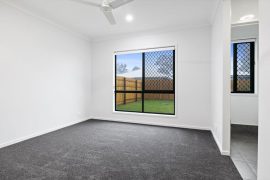
Living near the coast comes with a special kind of beauty. The natural light feels brighter, the air feels fresher, and the relaxed atmosphere makes the home feel peaceful and inviting. Coastal living rooms are known for their airy style, calming colors, and comfortable layouts that make people want to sit back and unwind.
At the same time, homes in storm-prone areas face challenges that other homes may not deal with as often. Strong winds, humidity, heavy rain, and hurricane season all play a role in how homeowners design and maintain their spaces. The good news is that you do not have to give up style to create a living room that works well in coastal conditions.
With smart design choices, durable materials, and a focus on comfort, you can build a living room that feels both beautiful and practical for everyday life.
Choose Windows That Balance Style and Protection
Windows are one of the most important parts of any coastal living room. They allow sunlight to fill the space and help create the bright, open feeling that coastal homes are known for. Large windows also make it easier to enjoy outdoor views and connect the indoors with nature.
Many homeowners now prefer hurricane impact resistant windows in coastal areas because they offer both safety and style. These windows are designed to handle strong weather conditions while still looking modern and attractive. They also help reduce outside noise and improve energy efficiency, which can make the living room feel more comfortable throughout the year.
To keep the space soft and inviting, pair your windows with light curtains, woven shades, or simple neutral window treatments that allow natural light to remain the focus.
Stick to Soft Coastal Colors
Color has a huge impact on the mood of a living room. Coastal interiors usually work best with light and calming shades that make the space feel open and relaxed.
Popular coastal color choices include:
- Soft white
- Sandy beige
- Pale blue
- Seafoam green
- Light gray
These colors reflect natural light well and help create a clean, fresh atmosphere. You can use them on walls, rugs, furniture, and decorative accents to tie the room together.
If you want to add a little contrast, small touches of navy blue, driftwood brown, or muted coral can add warmth without making the room feel too dark or heavy.
Pick Furniture That Can Handle Coastal Conditions
Furniture in storm-prone areas needs to do more than look good. Coastal homes often deal with humidity, moisture, and frequent use, so durable materials matter.
Slipcovered sofas are a great choice because they are easy to clean and maintain. Performance fabrics are also popular because they resist stains and wear better over time. Natural materials like rattan, wicker, and light wood finishes fit nicely into coastal design while adding texture and warmth.
Try to avoid furniture that feels overly bulky or formal. Coastal living rooms usually look best when the furniture feels casual, comfortable, and welcoming.
A simple layout with a cozy sofa, a few accent chairs, and a functional coffee table can create a relaxed environment that works for both everyday living and entertaining guests.
Let Natural Light Be the Main Feature
One thing that makes coastal homes feel so inviting is natural light. A bright living room instantly feels larger, cleaner, and more relaxing.
To maximize natural light, avoid placing large furniture pieces in front of windows. Use mirrors to reflect sunlight around the room and choose light-colored fabrics that help the space feel open.
Sheer curtains work especially well in coastal living rooms because they soften the sunlight without blocking it completely. This focus on letting light flow freely through a coastal home is one of the defining principles of the style, and it makes a real difference in how the space feels throughout the day.
Natural light also highlights the textures and colors in the room, helping every design detail stand out more naturally.
Add Texture to Make the Room Feel Cozy
A coastal living room should feel comfortable and lived in, not cold or empty. Texture is what gives the space warmth and personality without creating clutter.
Simple ways to add texture include:
- Linen throw pillows
- Woven baskets
- Jute or sisal rugs
- Cotton blankets
- Natural wood decor
- Ceramic vases
Layering different textures helps the room feel balanced and welcoming. The goal is to create visual interest while still keeping the overall design soft and relaxed.
Texture also helps coastal interiors feel more natural since many of these materials are inspired by beachside environments and outdoor living.
Create an Open and Relaxed Layout
Coastal homes are known for their easygoing atmosphere, and the layout of the living room should reflect that feeling. Open layouts help the room feel larger and improve the flow of movement throughout the space.
Arrange seating in a way that encourages conversation and comfort. Leave enough room for people to move around easily without the furniture feeling too spread out.
If possible, position seating near windows so family members and guests can enjoy the outdoor views and natural light. Keeping the room visually open helps maintain the bright and airy look that coastal interiors are famous for.
Avoid overcrowding the room with unnecessary furniture or oversized decor pieces. Simplicity often creates the most inviting spaces.
Bring Coastal Style Into the Details
You do not need to turn your living room into a beach-themed space to create a coastal look. In fact, subtle details often work much better.
A few carefully chosen accents can create the right atmosphere, including:
- Ocean-inspired artwork
- Neutral striped pillows
- Glass decor pieces
- Driftwood accents
- Indoor plants
- Light wood finishes
The key is to keep the decor simple and natural. Coastal design should feel calm and effortless rather than overly decorated.
Adding greenery can also help bring freshness into the room while softening the overall design.
At the end of the day, the best coastal living room is one that feels comfortable, practical, and personal. A beautiful design should not only look good in photos but also support everyday life. By combining soft colors, durable materials, natural light, and thoughtful design choices, you can create a living room that feels peaceful and welcoming no matter what the weather looks like outside.