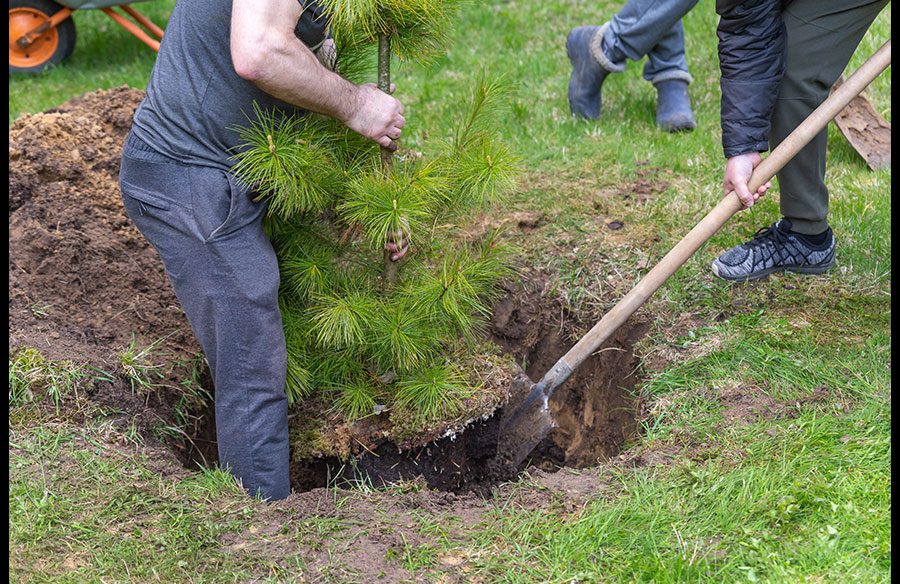
Trees enhance the beauty and value of any property. But sometimes, trees need to be moved. Tree transplanting services help relocate trees safely without harming them. With urban development increasing, the demand for professional tree relocation has grown. Studies show that properly transplanted trees have an 85% survival rate in new locations.
This article explains tree transplanting services in detail, including methods, benefits, costs, and tips for homeowners. Keep reading to learn why hiring experts is essential for tree health.
What Are Tree Transplanting Services?
Tree transplanting services involve moving a tree from one place to another. Professionals dig out the tree carefully, preserving its root system. The tree is then transported and replanted at a new site.
These services cover:
- Small and large trees – from shrubs to mature trees over 50 feet tall.
- Residential and commercial properties – landscaping, construction, or city planning.
- Emergency relocation – to save trees from construction or natural hazards.
Experts use machinery like tree spades and cranes to move large trees without damaging them. Smaller trees may be moved manually.
Benefits of Hiring Tree Transplanting Services
Professional services provide multiple advantages:
- Tree Survival – Experts ensure the tree survives by handling roots and soil carefully.
- Time and Effort Saving – Relocating trees is labor-intensive; professionals finish faster.
- Safety – Large trees pose risks. Professionals reduce accidents during the process.
- Proper Planning – Experts select ideal locations considering sunlight, soil, and space.
- Property Value – Well-placed mature trees enhance property aesthetics and market value.
Tree Transplanting Methods
Balled and Burlapped (B&B)
Used for medium-sized trees. Roots are wrapped in burlap with soil. It protects roots during transport.
Bare Root Transplanting
Best for small trees during dormant seasons. Roots are cleaned and replanted quickly to reduce stress.
Containerized Transplanting
Trees grown in pots are moved with soil intact. Suitable for small to medium plants and ensures minimal shock.
Large Tree Transplanting
Large trees require machines. Hydraulic tree spades dig, lift, and move the tree safely. Cranes help with very tall trees. Professionals calculate weight and root depth to prevent damage.
Tree Transplanting Costs
Costs vary depending on size, distance, and complexity. Here’s a quick comparison:
| Tree Size | Average Cost | Notes |
|---|---|---|
| Small (under 10 ft) | $150–$500 | Can be moved manually |
| Medium (10–25 ft) | $500–$2,000 | Requires B&B or container method |
| Large (25–50 ft) | $2,000–$10,000+ | Needs tree spades, cranes, permits |
Costs also increase with transportation distance, seasonal demand, and emergency relocations.
Tips for Successful Tree Transplanting
- Water trees before and after transplanting.
- Choose the right season; dormant seasons like late fall or early spring work best.
- Avoid transplanting during extreme heat or cold.
- Hire licensed professionals to handle large or delicate trees.
- Monitor the tree for the first year to ensure recovery.
Why Tree Transplanting Services Matter
Tree transplanting is not just moving a tree. It’s protecting natural resources. Urban areas lose trees due to construction, but proper transplanting saves mature trees. Trees improve air quality, reduce heat, and provide shade. Professional services maintain these benefits while accommodating development.
Conclusion
Tree transplanting services provide a safe, efficient way to relocate trees. Professionals increase survival rates and protect property. Proper planning, equipment, and care ensure trees thrive in new locations.
Homeowners and businesses can hire tree transplanting services to move trees without risk. Investing in expert help saves time, protects trees, and enhances landscapes for years.