Residential architecture is entering a period of significant environmental transformation. Across many regions, rising temperatures, prolonged heat exposure, stronger storms, heavier rainfall events, hail damage, fluctuating humidity levels, and changing seasonal weather patterns are placing increasing pressure on buildings that were often designed for far more predictable climates.
As these environmental conditions intensify, architects, builders, and property owners are rethinking how homes respond to external stress over long periods of time. Roofing systems, once treated primarily as protective coverings or aesthetic architectural features, are now becoming highly strategic components within broader climate-adaptive building design.
Today’s residential roofs are expected to do much more than shed rainwater. They increasingly function as integrated environmental systems responsible for regulating heat transfer, managing airflow, supporting energy efficiency, protecting structural assemblies from moisture accumulation, and helping homes withstand increasingly volatile weather conditions.
This shift is reshaping both the technical performance and architectural role of roofing design in modern residential construction.
Roofing Systems Are Becoming Environmental Infrastructure
One of the biggest changes in residential architecture involves the growing importance of the building envelope as a complete environmental control system. Roofing assemblies now operate alongside insulation, ventilation, drainage infrastructure, exterior cladding, and moisture barriers as interconnected layers influencing overall building performance.
In previous decades, roofing decisions often focused heavily on lifespan, appearance, or basic weather resistance. While those considerations still matter, climate adaptation has expanded the role of roofing into a much broader architectural responsibility.
Heat absorption, thermal transfer, solar reflectivity, airflow movement, moisture regulation, and runoff coordination all influence how effectively homes perform throughout changing environmental conditions. Roofing systems increasingly determine not only whether a structure remains protected from the weather, but also how efficiently it maintains stable indoor temperatures and long-term structural durability.
This evolution has encouraged architects to treat roofing assemblies as active environmental infrastructure rather than passive protective surfaces.
Water Management Has Become More Complex
Climate adaptation has also intensified the importance of roof drainage and water management systems. Heavier rainfall events and sudden storm surges create far greater pressure on residential runoff infrastructure than many older homes were originally designed to handle.
Roof geometry, gutter capacity, drainage flow rates, flashing transitions, and runoff dispersion now play critical roles in preventing water intrusion and long-term structural deterioration.
Modern residential projects increasingly require roofing systems capable of directing large volumes of water efficiently while protecting vulnerable structural transitions from moisture accumulation. Improper drainage coordination may gradually compromise insulation systems, exterior cladding, wall assemblies, and even interior air quality if water infiltration persists over time.
This has encouraged architects and exterior specialists to collaborate much earlier in the design process when planning high-performance residential structures.
In many climate-sensitive residential projects, roofing design now involves balancing water-shedding performance, airflow regulation, structural durability, and architectural continuity simultaneously. Roofing companies like Altair Austin Roofing Company increasingly work within broader building-performance frameworks where roof assemblies, drainage behavior, flashing systems, and ventilation coordination must align closely with evolving environmental resilience standards rather than functioning as isolated exterior upgrades.
Heat Exposure Is Influencing Roof Design
Extended heat exposure has become one of the most influential factors shaping modern roofing strategies. In many urban and suburban environments, prolonged high temperatures continue increasing cooling demands while accelerating wear on traditional roofing materials.
Dark roof surfaces may absorb significant amounts of solar radiation throughout the day, contributing to heat buildup within attic spaces and upper residential floors. Without effective ventilation and insulation coordination, trapped heat often radiates downward into living spaces, reducing indoor comfort and increasing HVAC energy consumption.
As a result, contemporary residential design increasingly incorporates reflective roofing materials, ventilated roof assemblies, passive cooling strategies, and improved airflow pathways intended to reduce thermal stress on both the building and its occupants.
In warmer regions especially, roofing geometry itself is increasingly designed around environmental responsiveness. Roof pitch, overhang depth, ventilation pathways, and shading coordination all contribute to how efficiently structures manage heat over time.
This growing focus on thermal regulation is changing how architects approach roofing design from the earliest stages of residential planning.
Ventilation Is Becoming Central to Building Science
Ventilation performance has also become far more important in climate-responsive architecture. Roofing systems now function as part of larger airflow ecosystems intended to stabilize temperatures and reduce moisture accumulation throughout the structure.
Poor attic ventilation can create significant thermal imbalance while increasing humidity levels inside hidden structural cavities. Over time, trapped heat and condensation may weaken insulation performance, accelerate material deterioration, and contribute to mold development within roofing assemblies themselves.
Modern roof design increasingly integrates ridge ventilation, intake airflow balancing, moisture escape pathways, and thermal buffering strategies intended to improve long-term building stability under increasingly demanding climate conditions.
These systems are especially important in tightly sealed, energy-efficient homes where small airflow disruptions may significantly affect indoor environmental quality over time.
As building science becomes more sophisticated, roofing assemblies are evolving into highly engineered environmental systems rather than purely structural necessities.
Material Selection Is Changing Across Residential Architecture
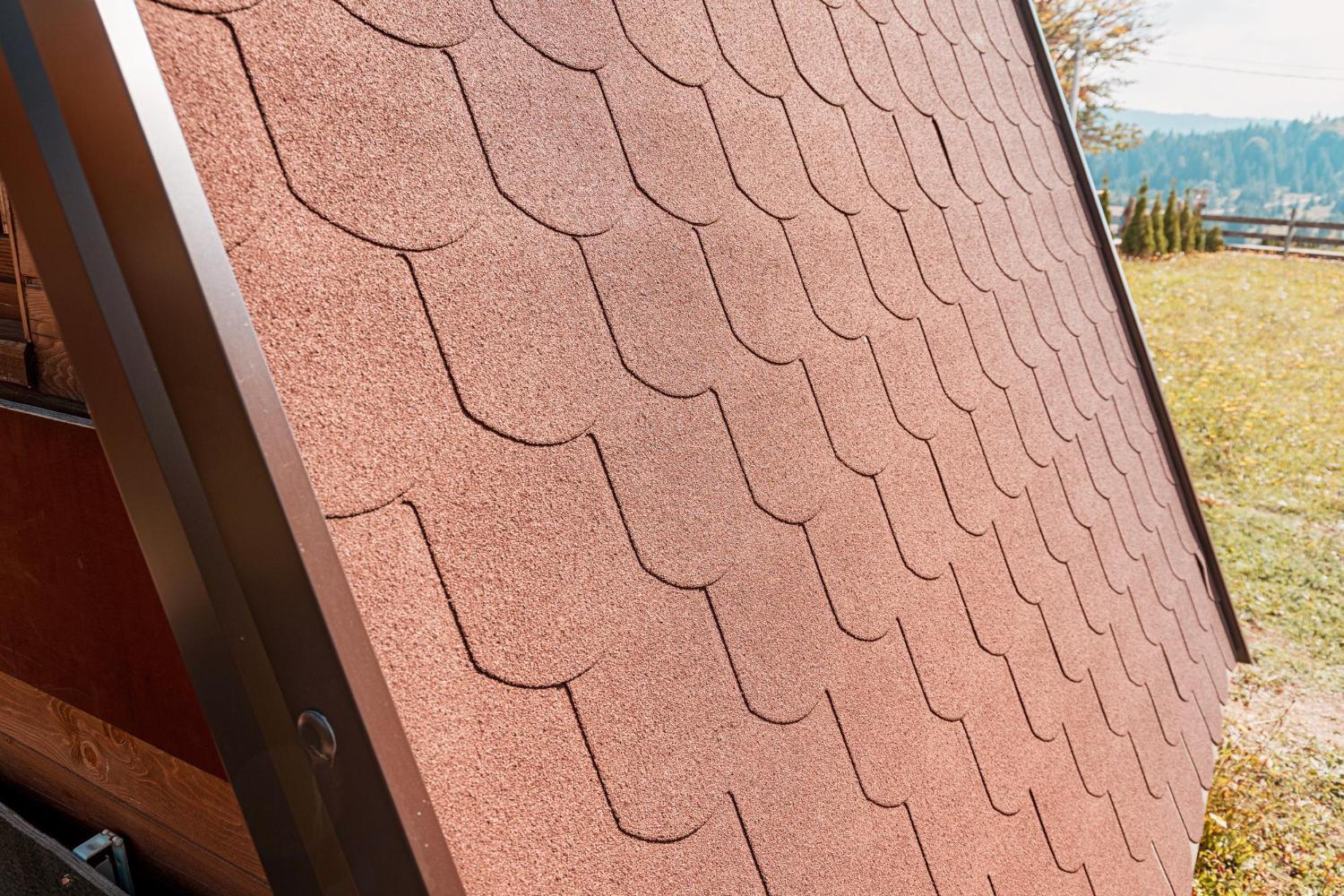 Climate adaptation is also reshaping roofing material selection. Traditional roofing systems designed primarily around affordability or appearance may struggle to perform effectively under modern environmental stress conditions.
Architects and builders increasingly evaluate roofing materials based on heat reflectivity, impact resistance, moisture tolerance, durability under UV exposure, maintenance demands, and compatibility with energy-efficient building envelopes.
This has contributed to growing interest in reflective roofing technologies, advanced underlayment systems, composite materials, metal roofing assemblies, and integrated solar-compatible roofing systems capable of supporting long-term environmental performance.
In many residential projects, roofing materials are now selected not only for how they look initially, but also for how they respond to decades of environmental exposure under changing climate conditions.
Energy Efficiency Is Driving Design Decisions
Energy efficiency remains one of the strongest drivers behind climate-responsive roofing design. Roofing assemblies significantly influence heating and cooling demands because they regulate how heat enters and exits the home throughout the year.
According to The International Energy Agency, improving building-envelope performance remains one of the most important strategies for reducing long-term residential energy consumption globally. Roofing systems play a major role within that broader environmental framework.
As utility costs continue rising, homeowners increasingly expect roofing systems to contribute actively to energy management rather than functioning only as weather barriers.
This expectation is influencing residential architecture at every level, from passive cooling strategies and ventilation coordination to solar integration and long-term sustainability planning.
Climate Adaptation Is Redefining Residential Roofing
The growing influence of climate adaptation reflects a much larger transformation happening throughout residential architecture overall. Roofing systems are no longer viewed simply as protective layers sitting above the home. They are becoming critical environmental interfaces shaping thermal performance, moisture regulation, structural resilience, energy efficiency, and long-term livability.
As climate conditions continue evolving, architects and builders will likely place even greater emphasis on roofing assemblies capable of adapting to environmental stress while maintaining architectural quality and long-term durability.
The future of residential roofing design will increasingly depend on how effectively buildings balance environmental responsiveness, structural resilience, and human comfort within increasingly unpredictable climates.