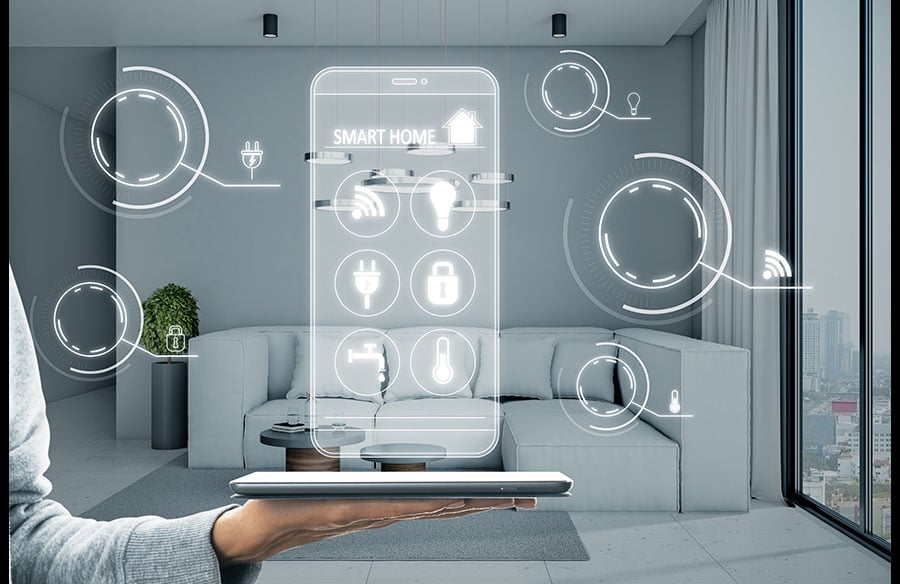
The Evolution of IoT in Interior Design
For years, the concept of the Internet of Things (IoT) has promised to revolutionize various industries, including interior design. Initially seen as a futuristic novelty with limited practical applications, recent advancements have transformed IoT from a buzzword into a valuable tool reshaping how interior spaces are conceived, created, and managed.
The integration of smart devices and sensors allows designers to gain real-time insights into how people interact with their environments. This data-driven approach enables more personalized, efficient, and sustainable design solutions. For example, smart lighting systems can adjust brightness and color temperature based on natural light availability and occupant preferences, enhancing comfort while reducing energy consumption.
One key factor driving IoT’s usefulness in interior design is its ability to provide actionable data. Sensors embedded in furniture, walls, and floors monitor occupancy, temperature, humidity, and air quality. This information empowers designers and facility managers to create adaptive environments that respond dynamically to occupants’ needs.
Smart thermostats and HVAC systems linked via IoT optimize climate control by learning usage patterns and adjusting settings accordingly. This not only improves comfort but also contributes to energy efficiency, a crucial consideration in modern design projects focused on sustainability.
Moreover, IoT-enabled security features such as smart locks and surveillance cameras enhance safety without compromising aesthetics. These devices can be seamlessly integrated into a space, maintaining visual appeal while providing robust security.
The role of IT consulting firms specializing in smart technologies is pivotal. For instance, Network 1’s offerings in Atlanta help interior designers and businesses implement IoT solutions tailored to their unique needs and goals. These experts guide the integration of complex systems, ensuring device compatibility, managing data flows, and offering ongoing support to optimize performance.
Beyond implementation, these firms assist in navigating challenges such as device interoperability and cybersecurity, which become vital as IoT ecosystems grow more complex. Their expertise accelerates IoT adoption in interior design by bridging the gap between technological potential and practical application.
Enhancing User Experience Through Connectivity
Beyond functionality, IoT is elevating the user experience within interior spaces. Imagine a workspace where desks adjust automatically to ergonomic settings for individual users or a living room where window treatments open and close based on the time of day and sunlight intensity.
These enhancements are possible through interconnected devices communicating seamlessly on a network. To sustain this integration, reliable and continuous support is essential. Organizations leveraging proactive tech support from NDSE ensure their smart systems operate flawlessly, minimizing downtime and maximizing IoT benefits. Their proactive monitoring and maintenance services help prevent disruptions that could compromise comfort or security.
The impact of IoT on user experience is profound. According to a recent survey, 61% of consumers say smart home devices have made their lives easier and more comfortable. This statistic highlights growing acceptance and expectation for IoT integration in daily environments, including interior spaces.
Furthermore, IoT-enabled personalization enhances inclusivity. Lighting and temperature settings can be customized for individuals with sensory sensitivities or mobility challenges, making spaces more accessible and comfortable. This user-centric approach transforms interiors into environments that adapt to diverse occupant needs rather than requiring occupants to adapt to static spaces.
The continuous feedback loop created by IoT devices also fosters a connection between users and their environments. Occupants can interact with spaces through intuitive apps or voice commands, creating seamless control over comfort, ambiance, and security.
Data Security and Privacy Considerations
As connected devices in interior design grow, so do concerns about data security and privacy. Protecting sensitive information collected through IoT requires robust cybersecurity measures. Design firms and clients must collaborate closely with IT security experts to implement encryption, secure access protocols, and regular system audits. A Gartner report predicts IoT device security breaches will affect 25% of enterprises by 2025, emphasizing the need for proactive measures.
In addition to enterprise risks, individuals using smart devices at home must remain vigilant. The widespread adoption of IoT in interior design means personal data, movement patterns, and behavioral habits could be exposed if security is neglected. Integrating security from the design phase is essential to safeguard users and maintain trust.
This integration involves technical safeguards and user education. Occupants should be informed about best practices such as regularly updating device firmware, using strong passwords, and understanding data sharing policies. Transparency regarding data collection fosters confidence and encourages adoption.
Moreover, regulatory frameworks like GDPR and CCPA impact how IoT data must be handled, especially in commercial and multi-tenant buildings. Interior designers and technology providers must stay abreast of these regulations to ensure compliance and protect user rights.
Sustainability and Energy Efficiency Gains
Sustainability drives many interior design projects today, and IoT contributes significantly. Smart energy management systems can reduce consumption by up to 30%, according to the U.S. Department of Energy.
Adaptive lighting and climate control systems minimize waste by operating only when and where needed. IoT-enabled water sensors detect leaks early, preventing costly damage and conserving resources. These capabilities reduce operational costs and align with the growing demand for environmentally responsible design.
Incorporating IoT technology also supports certification and compliance with green building standards like LEED and WELL. By monitoring air quality, humidity, and temperature, IoT devices help maintain healthier indoor environments an increasingly important aspect of sustainable design.
Furthermore, IoT provides valuable feedback to building managers and occupants, encouraging behaviors that promote energy savings and environmental awareness. Real-time dashboards display energy consumption patterns, prompting users to adjust habits ad reduce waste.
Environmental benefits extend beyond energy savings. Smart waste management systems integrated into interior spaces optimize recycling and reduce landfill contributions. Similarly, IoT-enabled occupancy sensors prevent overuse of shared spaces, reducing wear and tear and extending the lifespan of furnishings and finishes.
As climate change concerns intensify, IoT’s role in creating resilient and adaptable interiors becomes more critical. Designers can use IoT data to anticipate and respond to environmental changes, such as adjusting ventilation during pollution events or optimizing humidity to prevent mold growth.
The Future of IoT in Interior Design
As IoT technology matures, its role in interior design will expand, driven by advances in artificial intelligence, machine learning, and 5G connectivity. Designers will increasingly harness predictive analytics to anticipate occupant needs and optimize space utilization.
The global IoT market in smart buildings is projected to reach $56.5 billion by 2026, growing at a CAGR of 24.9% from 2021. This growth indicates a robust appetite for IoT-enabled design solutions that deliver measurable value.
Future smart interiors may include furniture that self-adjusts for comfort and health monitoring, walls that change opacity or color based on mood or function, and integrated systems coordinating lighting, sound, and climate for optimal ambiance. These innovations will blur the lines between technology and design, creating immersive and responsive environments.
Moreover, as 5G networks become ubiquitous, IoT communication speed and reliability will improve dramatically. This advancement will enable more complex and data-intensive applications, such as augmented reality overlays for design visualization and virtual walkthroughs enhanced by real-time environmental data.
The democratization of IoT tools will empower homeowners and small businesses to customize spaces with smart features without prohibitive costs or technical expertise. This accessibility will further drive IoT adoption in interior design, making smart environments the norm rather than the exception.
Integration of voice assistants and AI-powered interfaces will become more sophisticated, allowing spaces to respond intuitively to verbal commands and contextual cues. For example, a conference room could automatically prepare for a meeting by adjusting lighting, temperature, and privacy settings based on scheduled participants.
Finally, the convergence of IoT with emerging technologies such as robotics and wearables promises to enrich interior design further. Imagine robotic furniture that reconfigures room layouts on demand or wearable sensors providing real-time posture feedback to adjust ergonomic settings dynamically.
Conclusion
The ‘Internet of Things’ is no longer a distant dream but a practical, transformative force in interior design. By combining innovative technology with thoughtful design principles, professionals are creating environments that are not only beautiful but also intelligent, efficient, and responsive to human needs.
From enhancing user comfort and safety to promoting sustainability and energy efficiency, IoT proves its value in countless ways. Collaboration between interior designers, IT consultants, and security experts ensures these smart environments are reliable, secure, and tailored to occupants’ lifestyles.
As IoT evolves, its integration into interior design will deepen, enabling spaces that anticipate and adapt to our needs seamlessly. The future of interior design is smart, connected, and profoundly human-centered-a future made possible by the Internet of Things.