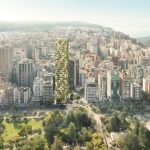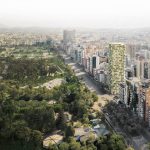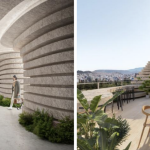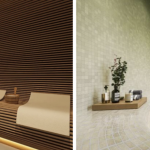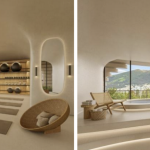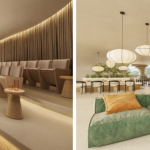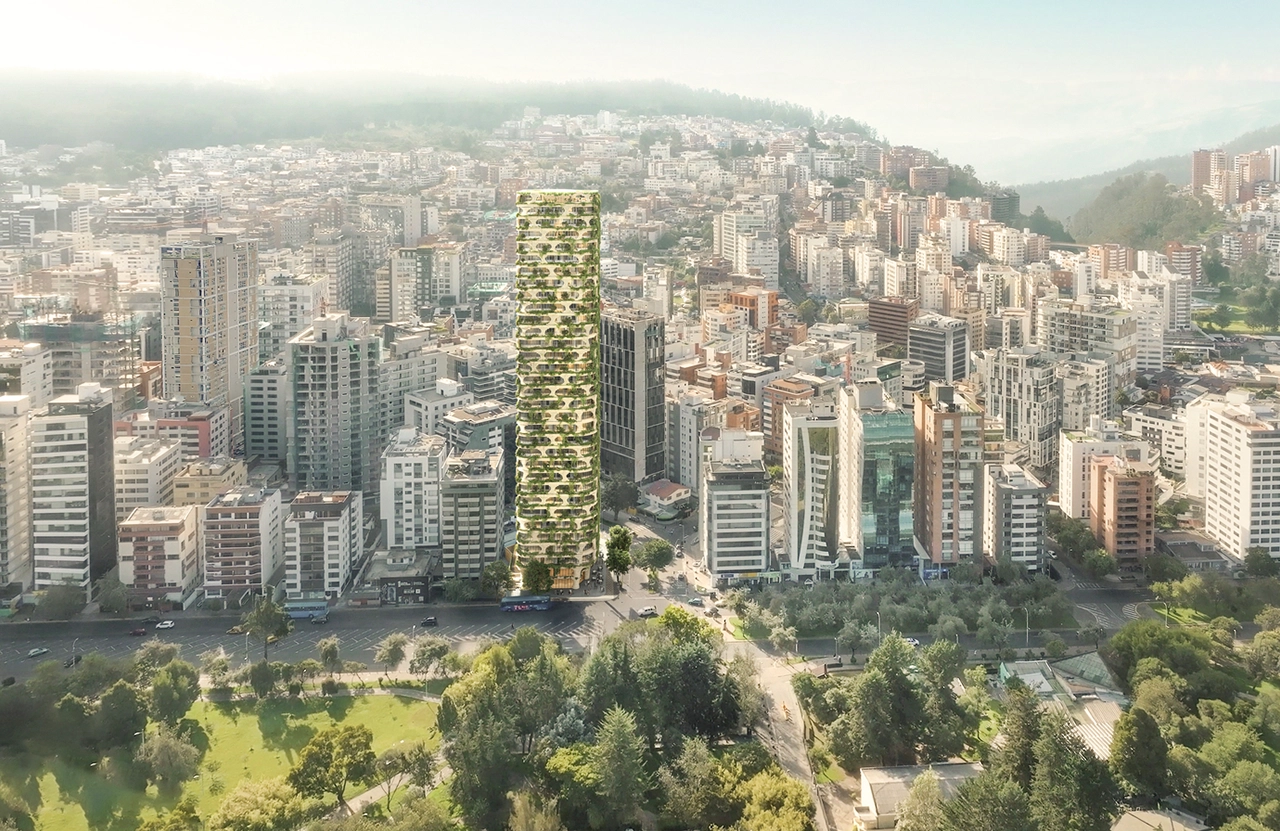
In the past few years, Quitos’ skyline has undergone a remarkable transition. This new mixed-use landmark acts as a bridge between the historic heritage of the city and the full need for modernity. Qapital, a 32-storey tower designed by renowned architect Kengo Kuma, is a project developed in collaboration with the well-known local firm Uribe Schwarzkopf, marking the commencement of the architect’s first project in Ecuador. Given the city’s growing status as a centre for a variety of architectural advances, this project is significant.
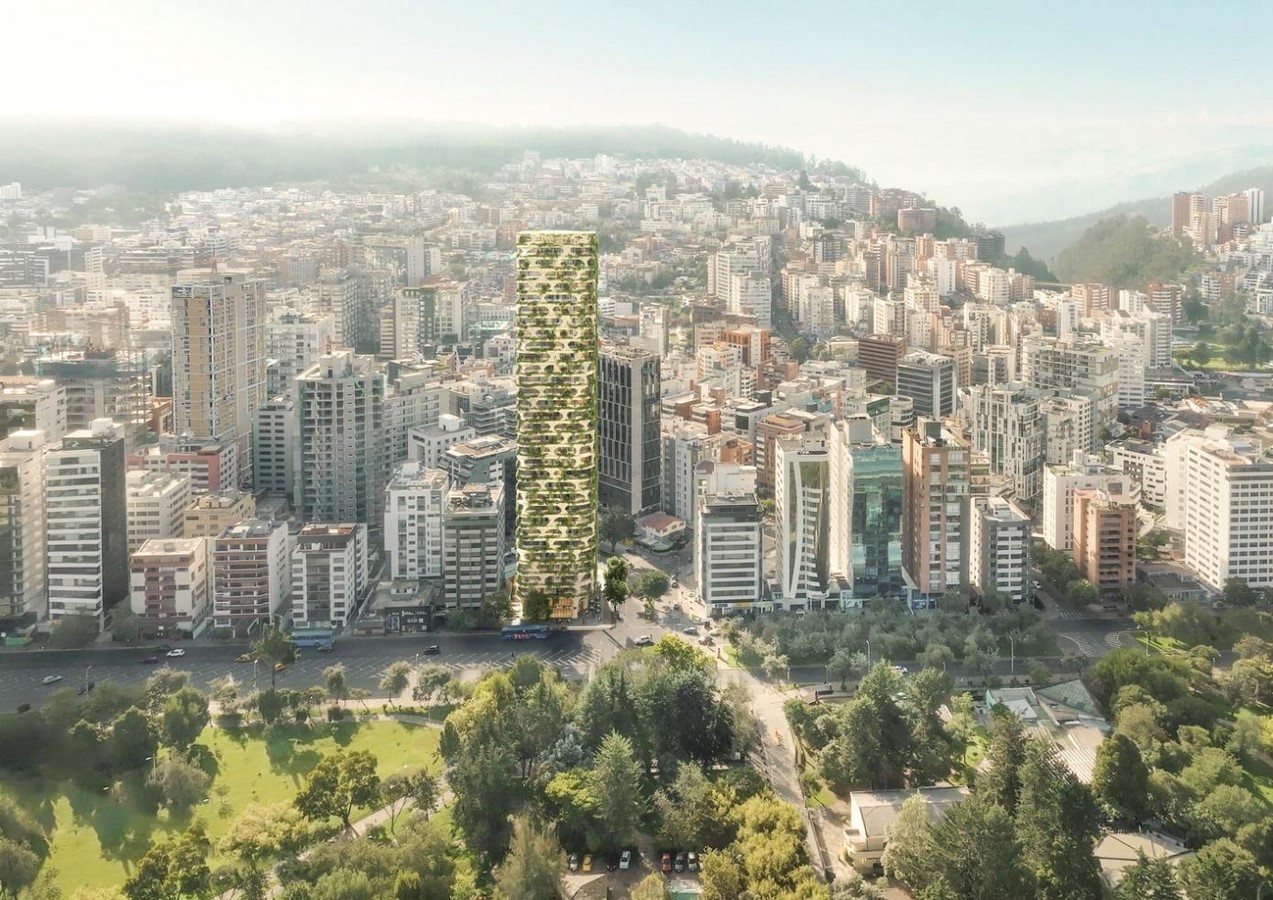
A Dialogue between Two Cultures
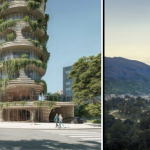
A deep material interaction between Ecuadorian and Japanese cultures forms the basis of Qapital’s design. Kengo Kuma, which is well-known for fusing architecture and nature and was inspired by Kenneth Frampton’s philosophy, places a high priority on using locally accessible materials in a way that is harmonious with the environment. This is achieved through collaborating with craftspeople, researching local construction techniques, and developing sustainable buildings. He has long recognised the similarities between the two regions’ ancient ceramics, especially their emphasis on natural textures and the value placed on raw materials. The tower’s distinctive exteriors, which are striated, stone-like stacks that mimic the untamed grandeur of the nearby Andes mountain range, are a clear example of this inspiration.
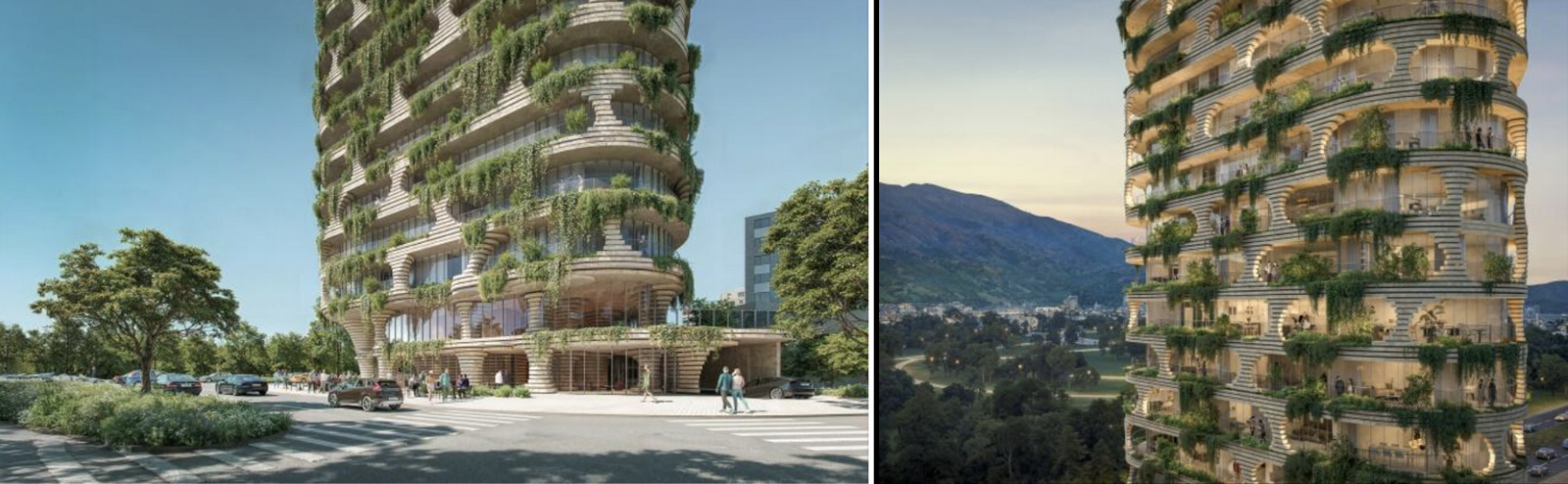
Rather of being a typical flat glass tower, Qapital is intended to be a “porous vertical landscape.” Its balconies are articulated as carved gaps and sunken nooks, like the natural fissures and cracks seen in Andean rock formations. By dividing the building’s mass and creating space for lush, cascading vegetation to thrive, and these openings successfully incorporate nature into the dense urban fabric of Quito’s central business district.
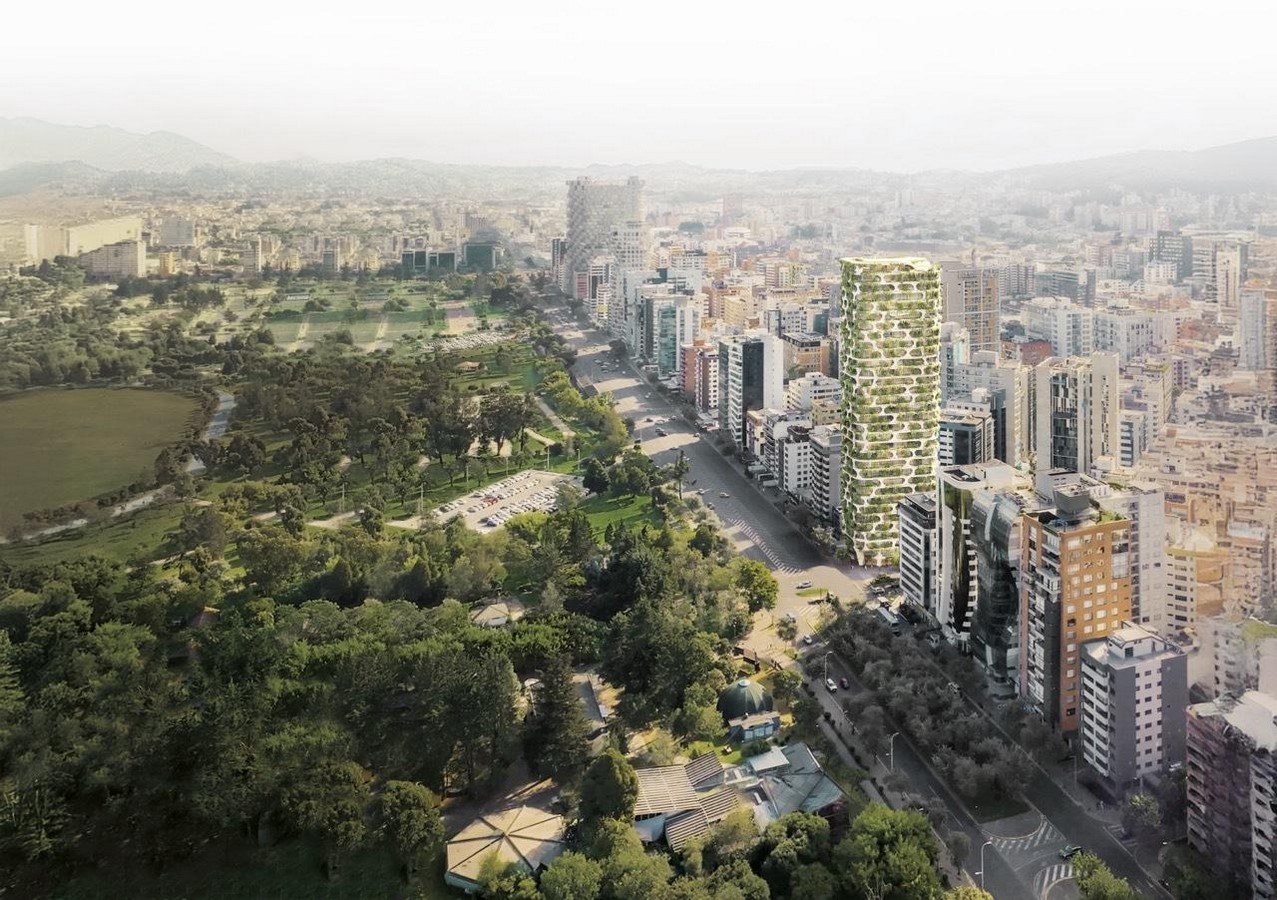
Strategic Urban Living
Qapital is ideally situated to meet the changing housing demands of the city, right across from La Carolina Park. The main focus of the 125.8-meter tower is “micro-living,” with 509 studio units that range in size from 21 to 36.15 square meters. In a city that is gradually becoming denser, this design solution aims to address the growing demand for high-quality, adaptable urban homes and short-term rentals. Future renters will have convenient access to the public transport system because of the location’s close proximity to a metro station.
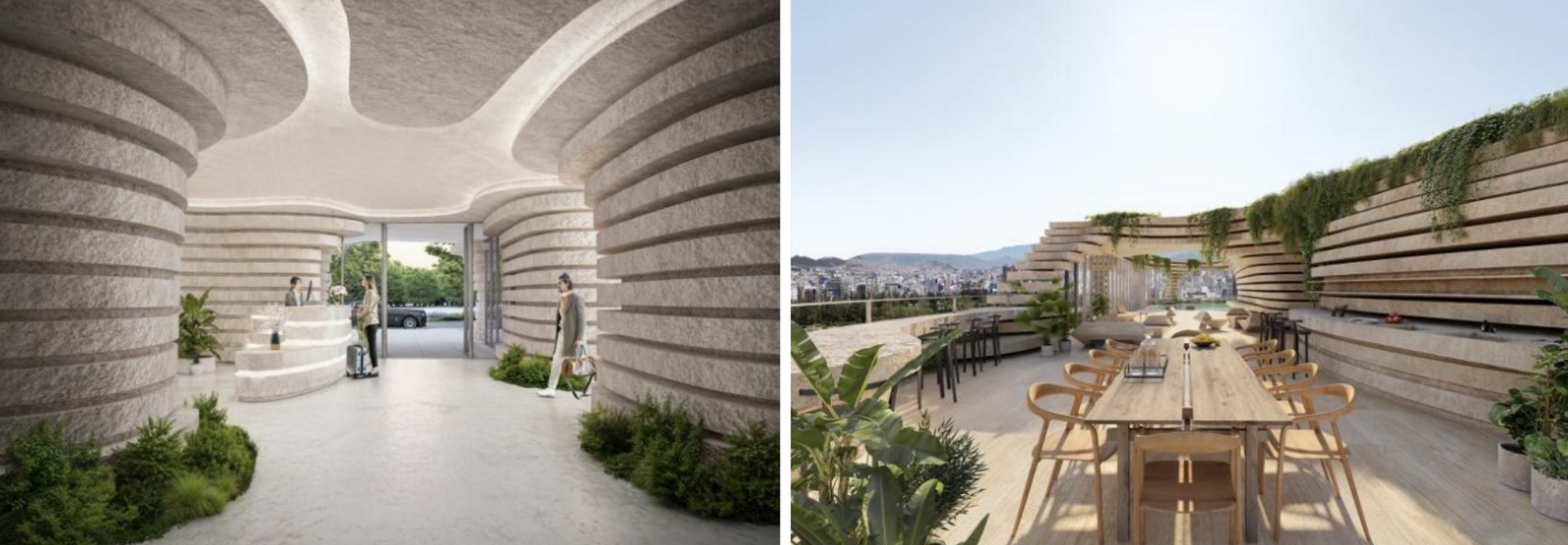
In order to optimise efficiency, the construction is purposefully designed vertically:
Commercial Base: The building’s three business units on the lower levels activate the street level and integrate it with the everyday activities of the community.
Residential Core: Small, practical living areas intended for both residents and investors are located in the centre part.
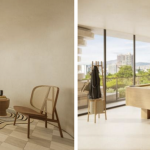
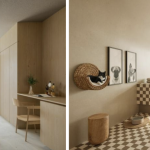
Social & Wellness Hub: A private movie theatre, game room, workout centre, wellness area, and even a pet spa are all part of this extensive collection of shared amenities.
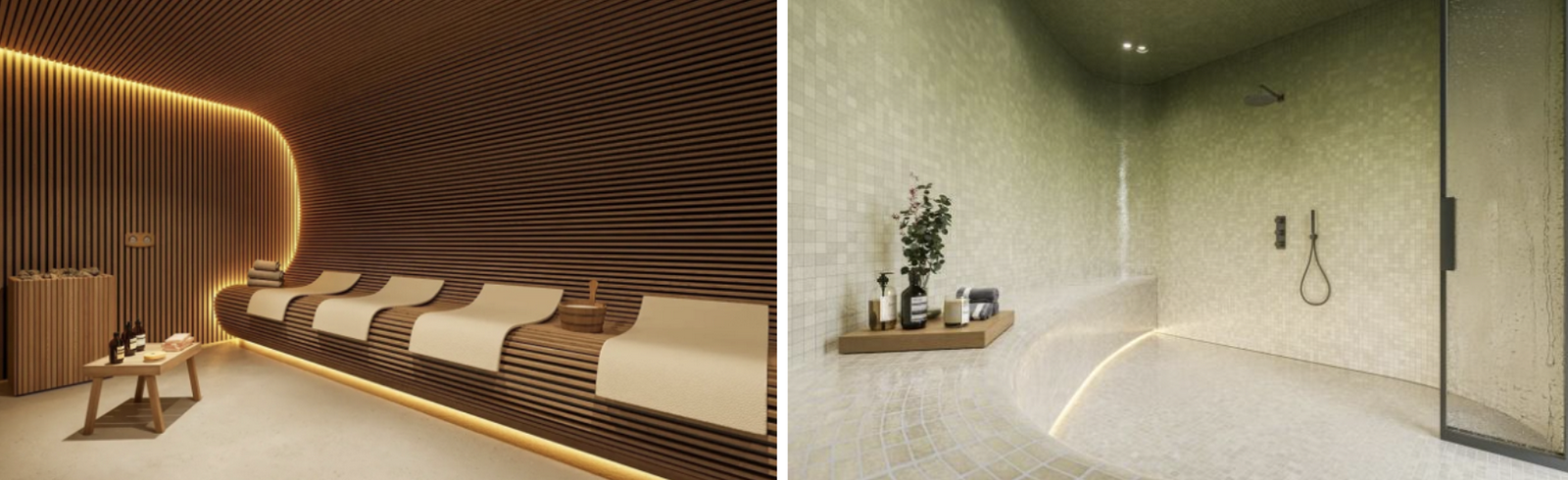
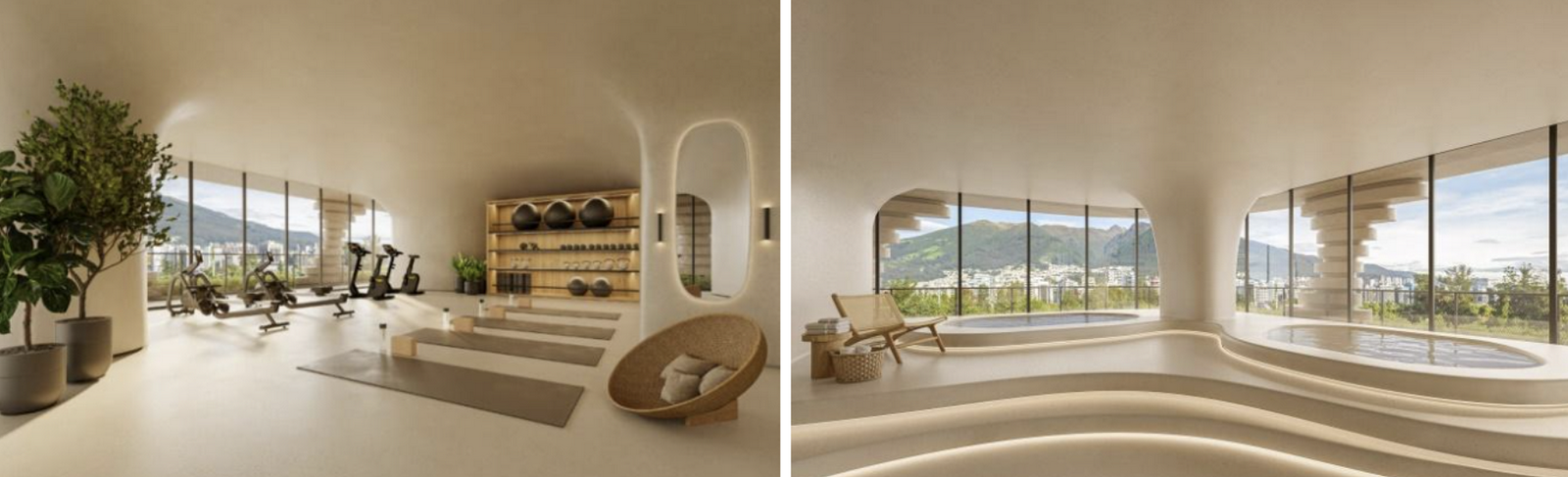
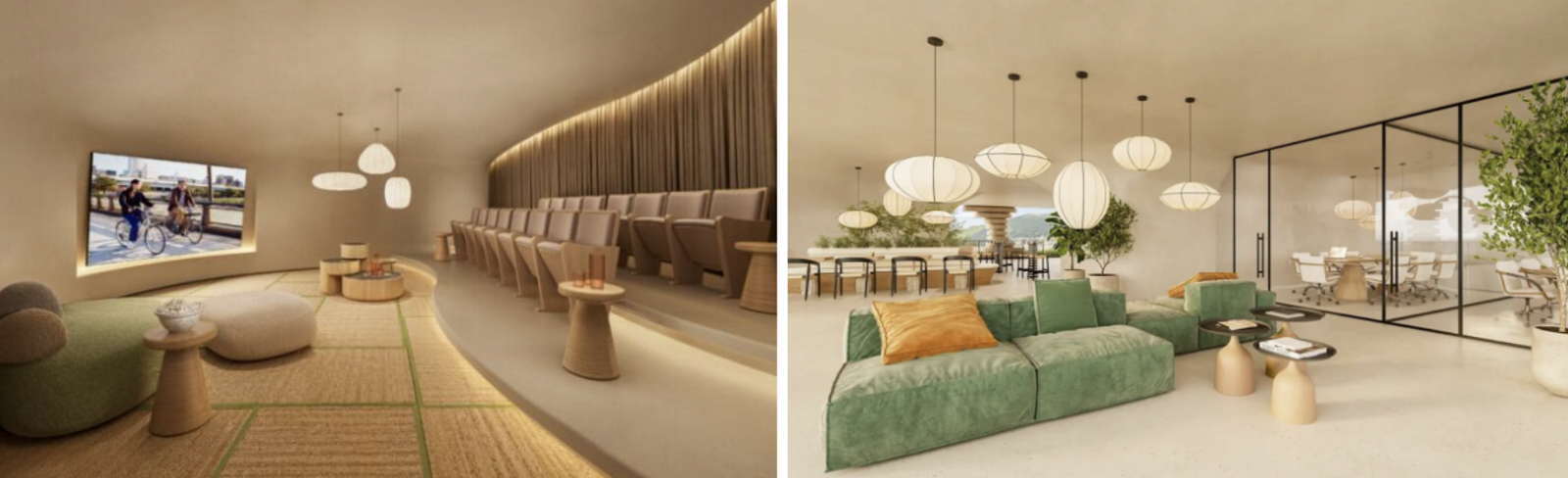
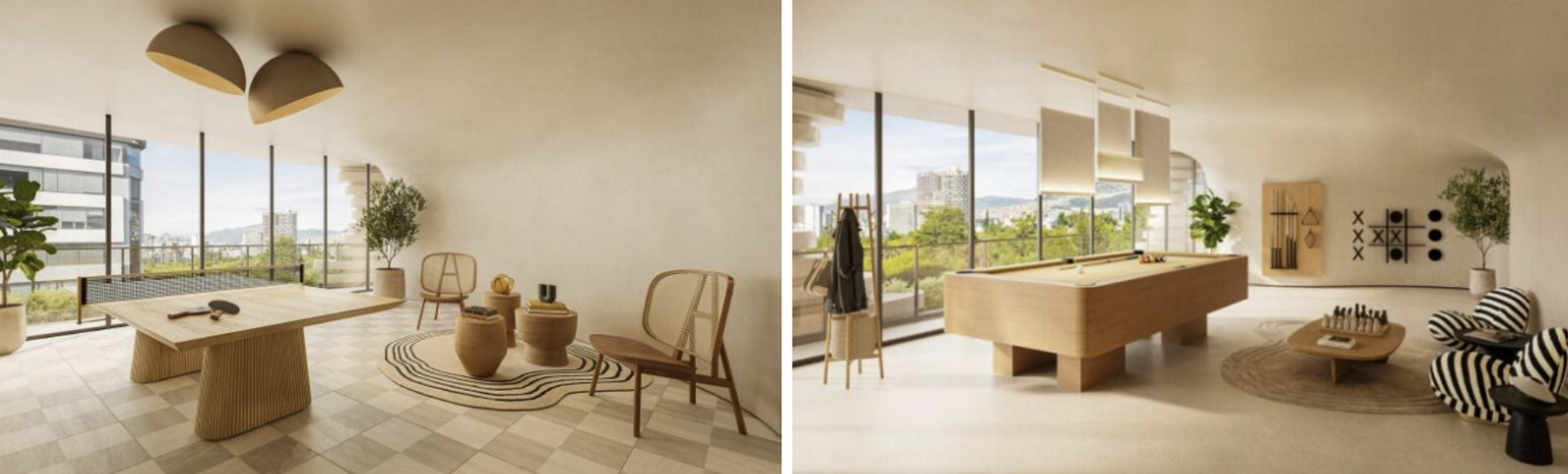
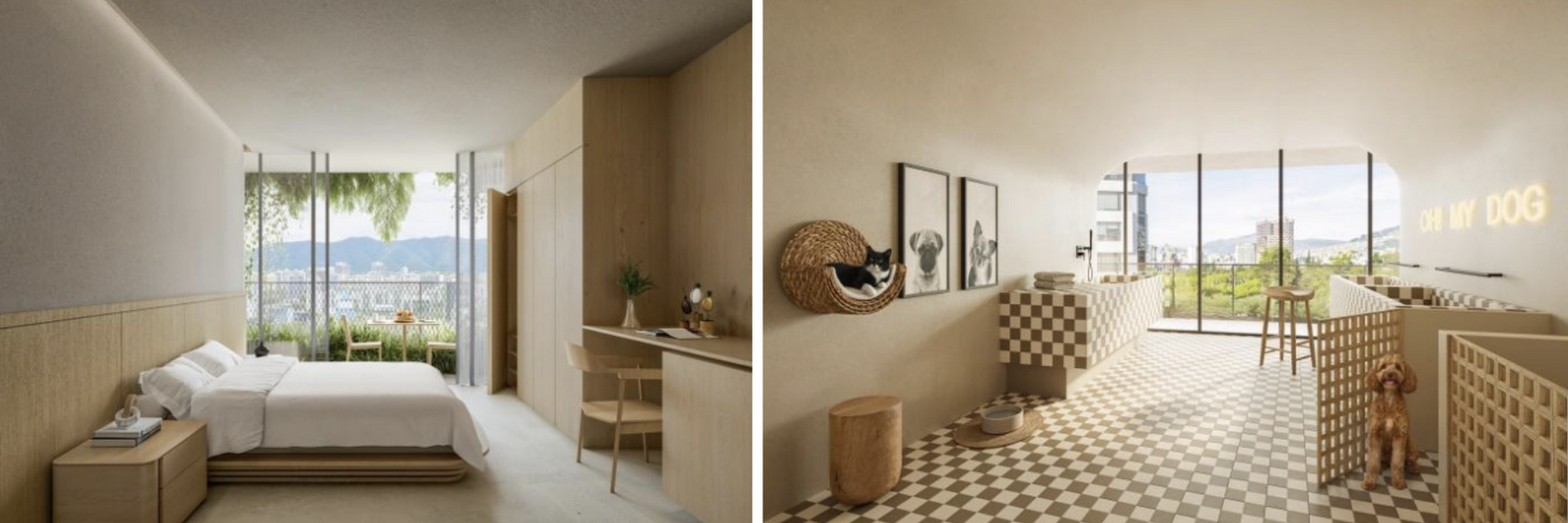
Artistic Landmarks and Amenities
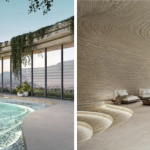
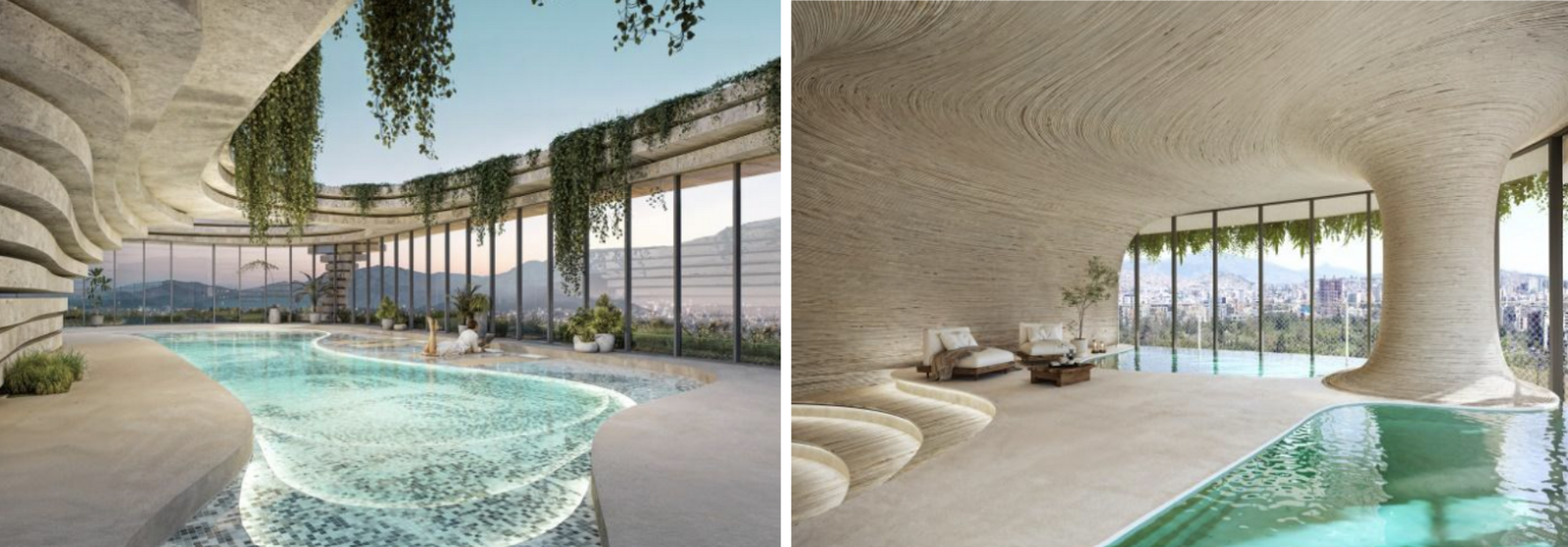
The rooftop patio is one of the tower’s most distinguishing characteristics. It features an outdoor pool with a custom mosaic created by the renowned Italian company Fornasetti, which is the brand’s first project in South America. Bisazza, a pioneer in glass mosaic manufacturing, meticulously creates each tile, thus contributing to the project a level of global artistic recognition. This partnership demonstrates Uribe Schwarzkopf’s dedication to fusing elegant architecture with practical urban infrastructure.
A Legacy of Innovation
With projects by companies like BIG, MAD Architects, and Safdie Architects, Qapital is the most recent addition to Uribe Schwarzkopf’s remarkable legacy of bringing international architectural icons to Ecuador. The project creates a new architectural language for high-rise living that is closely linked to the land and its culture by fusing Kuma’s philosophy with Quito’s distinct topography.
With almost 93% of the units sold before building started, Qapital, which is slated for completion in 2029, is already a commercial success. It demonstrates that even the tallest buildings can coexist peacefully with their surroundings and makes a daring statement about the future of dense, sustainable, and environmentally connected communities.
Reference List:
SCHWARZKOPF, U. (2026). qapital – uribeschwarzkopf. [online] uribeschwarzkopf. Available at: https://uribeschwarzkopf.com/qapital/.
Kuma, K. (n.d.). Kengo Kuma and Associates – Tokyo, Paris, Beijing and Shanghai. [online] Kengo Kuma and Associates. Available at: https://kkaa.co.jp/en/.