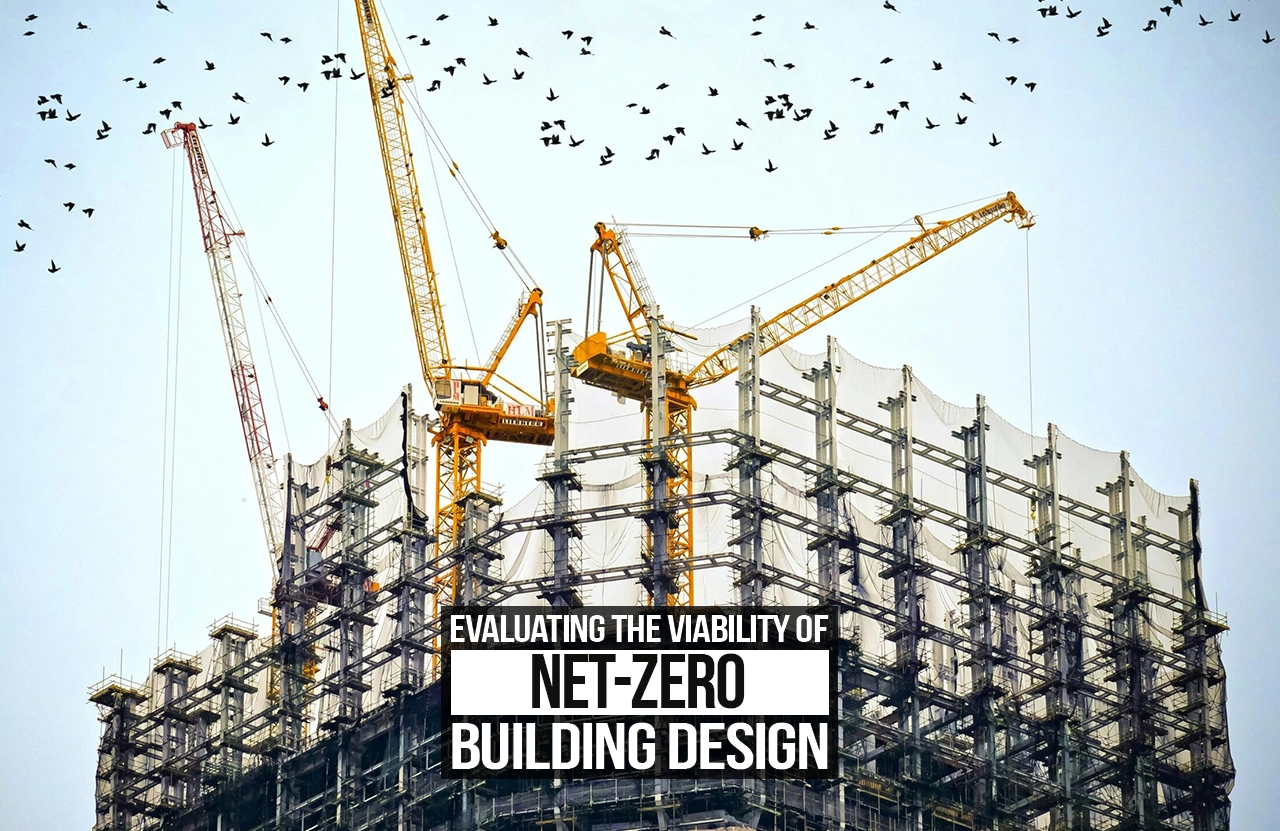
What is a Net-zero building design?
Throughout architecture school, one must have encountered the concept of Net-zero building design. Some of us have researched such buildings as part of our Case Study and presented them in class. Simply put, Net-zero buildings are those that produce energy equal to the amount they consume, making their net consumption equal to zero. It’s like, the amount of salary you earn in a month is equal to the amount you spend in the same month, making your bank balance = 0; not a decent practice in terms of money, but a great practice when it comes to the usage of energy.
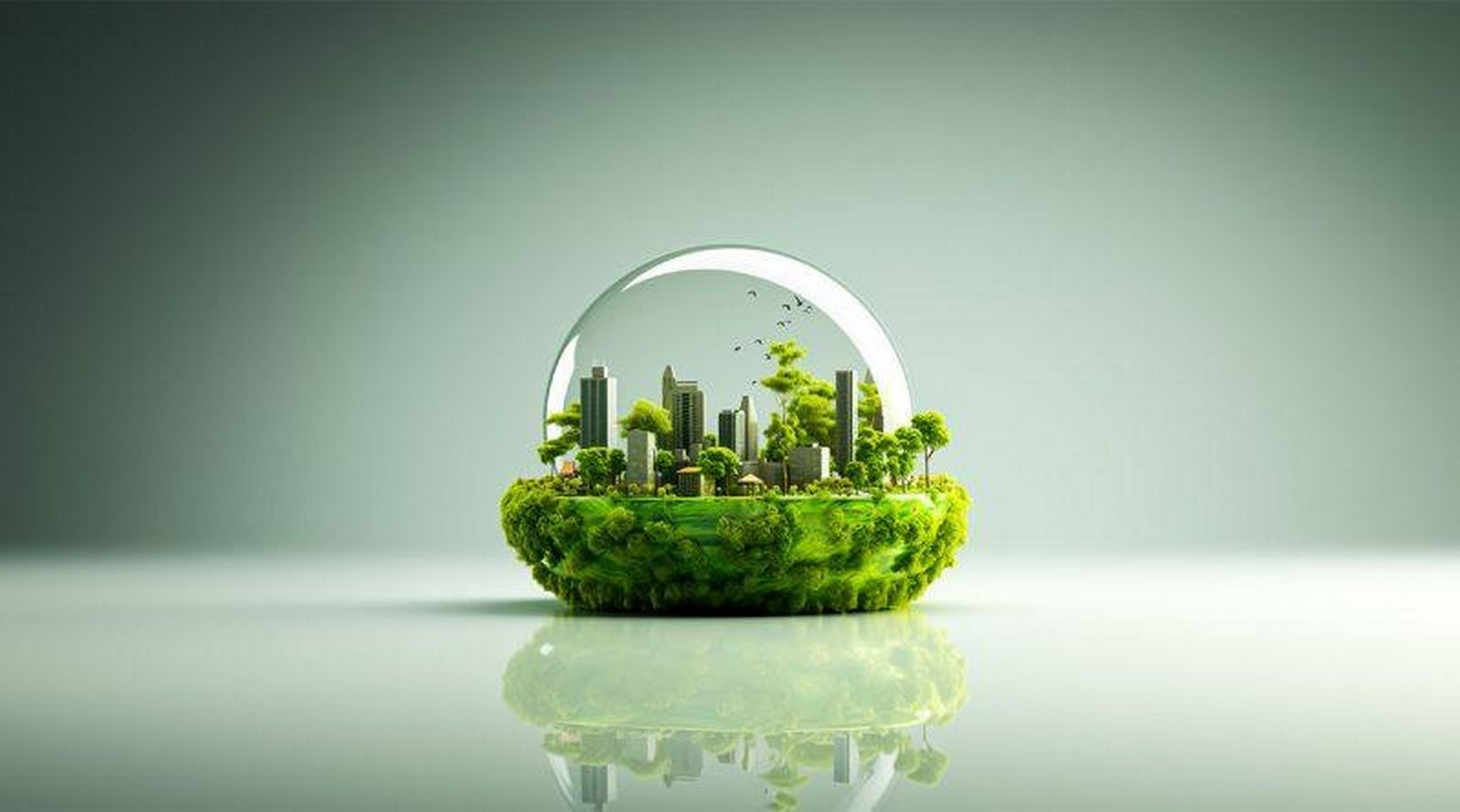
The Net-zero model also includes carbon neutrality, meaning the quantity of greenhouse gases emitted during the building’s birth and death is almost zero, this is an important component because globally, the process of birth, that is, the construction of buildings and their functioning, leads to the release of approximately 39% of the greenhouse gases into the environment. This percentage can be divided into two parts – 11% that results from the construction phase that involves material production (cement, steel, bricks, glass), material transportation (truck, ships and various machinery), and in-situ construction activities like the use of cranes, diesel for power, electricity for lighting, mixing of cement, welding and production of waste. The rest 28% encompasses building operations – heating, lighting, cooling, and cooking. These numbers are significant and might make one wonder how such day-to-day activities, which seem so common and universal, are the exact reason why the design of net-zero has come to prominence.
Strategies
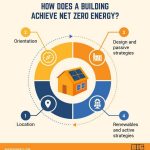
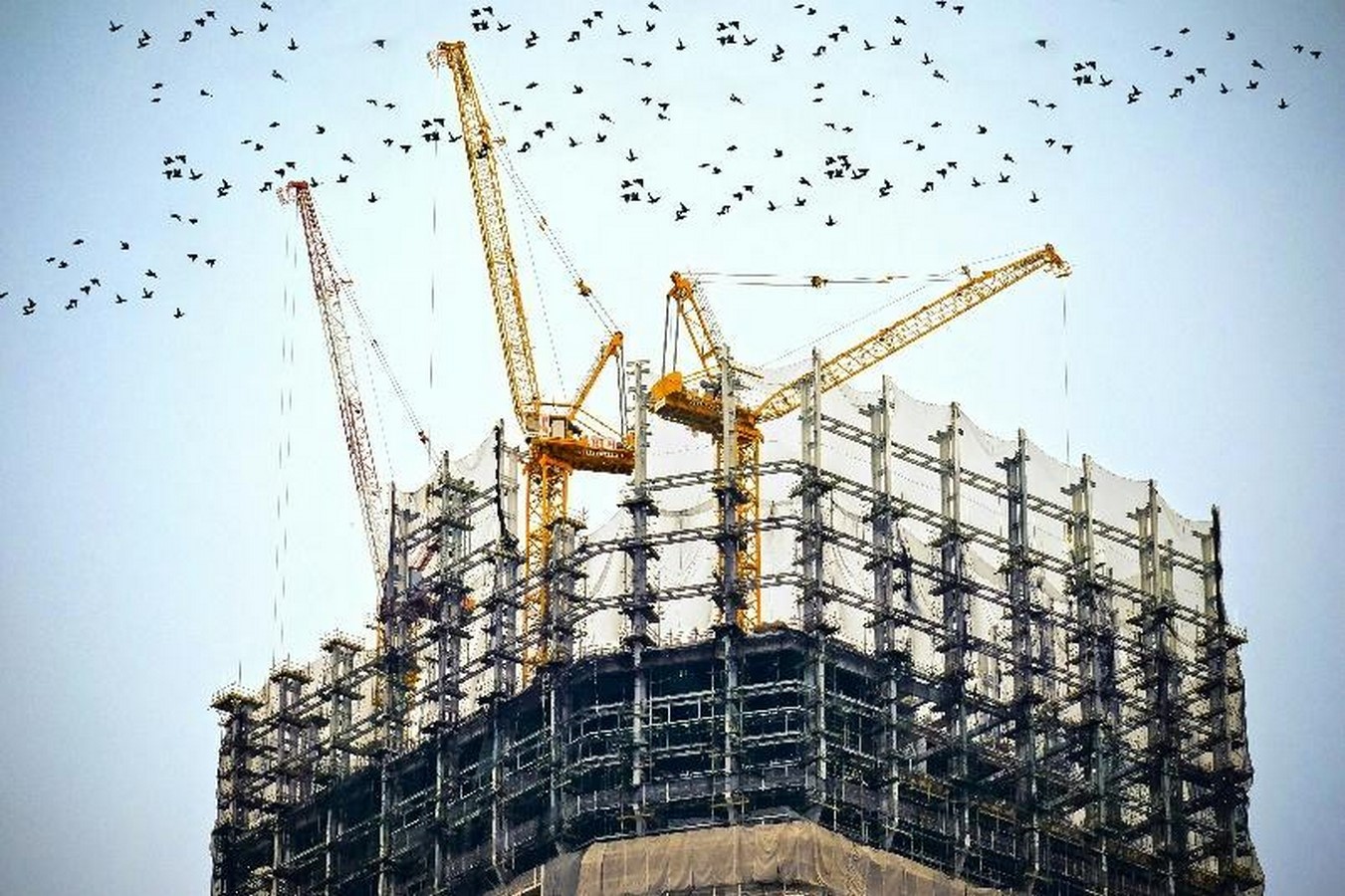
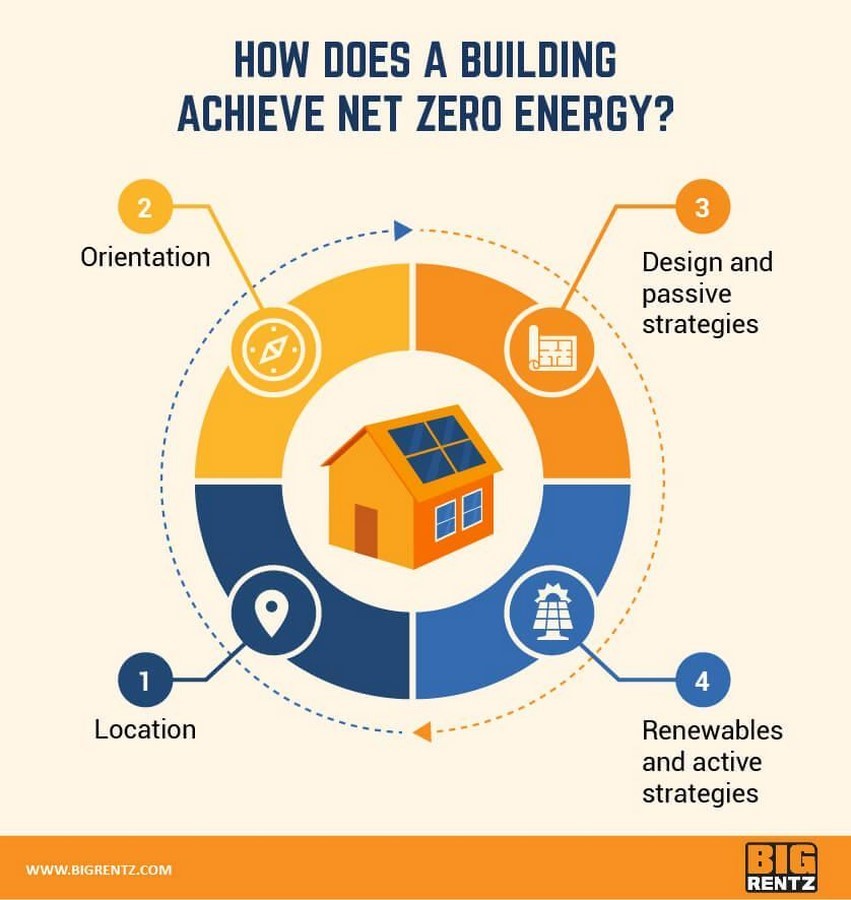
The conception of a net-zero building design begins at the site; to reduce its energy dependency during its functioning, the building is oriented with respect to the sun’s path to control heat gain and maximize natural daylight, which in turn reduces the need for artificial lighting. This is also enabled through the addition of elements like chajjas and large windows. Implementation of renewable sources of energy within the site – solar photovoltaic panels, wind turbines, and a geothermal system to reduce the reliance on energy from the grid. These buildings feature high-grade insulation and a controlled air-leakage design, which complement the installation of LED lighting and advanced HVAC systems that are continuously monitored through automated controls to increase efficiency. A building management system (BMS) tracks real-time energy changes within the building, and its quick responses stabilize the whole system.
Indian Context
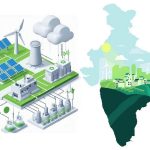
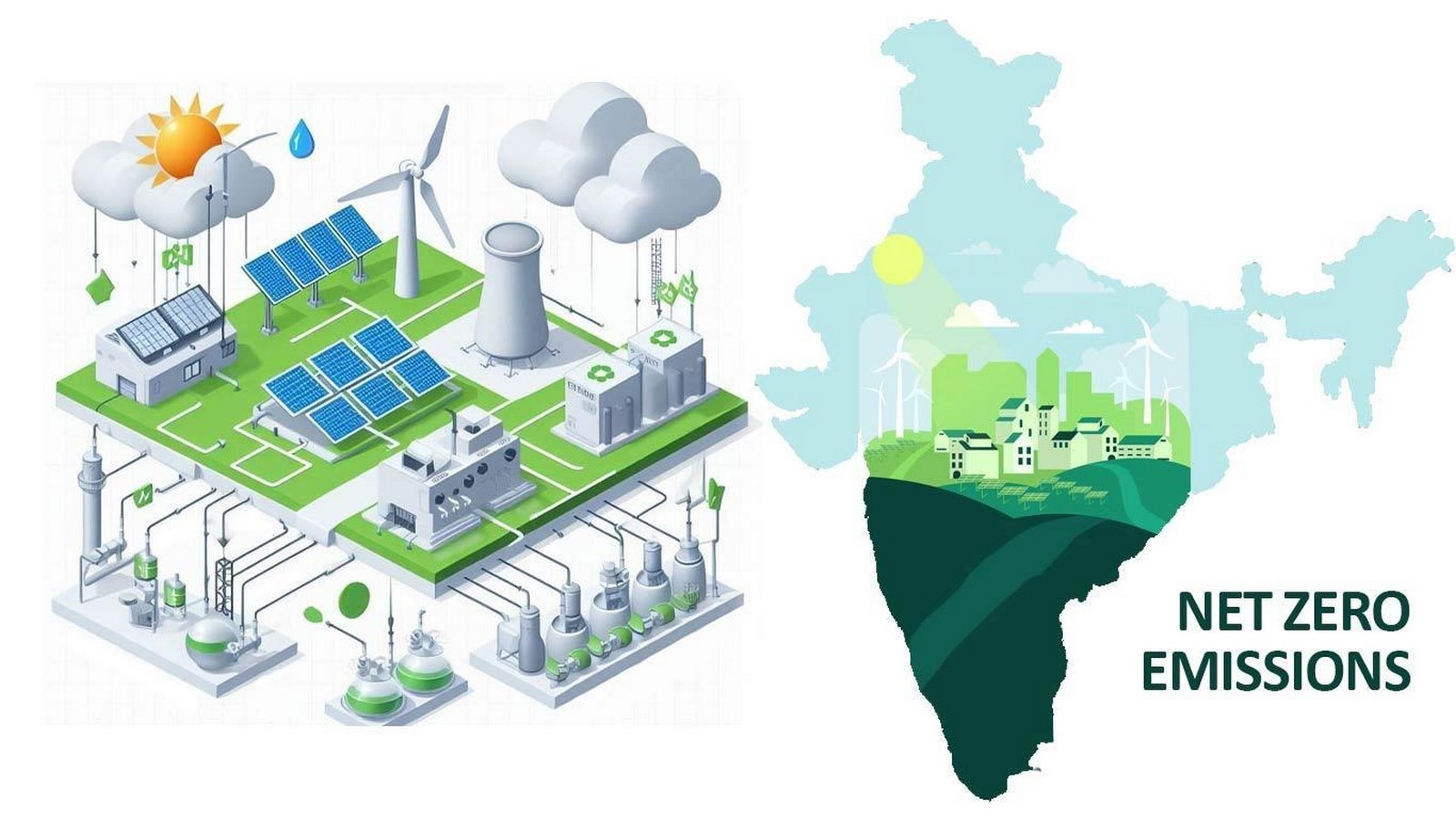
Net-zero building design in India is as relevant as it is elsewhere. Due to population growth and rapid urbanization, there’s an increase in demand for housing and commercial buildings, which in turn increases electricity demand, the generation of which is highly dependent on a non-renewable source: coal. A better standard of living means a high level of comfort, and since India has a tropical climate, this often leads to an investment in air conditioning, but ironically, this climate is also favorable as a source of renewable energy (solar). In recent years, India has experienced significant changes in climate, triggering heat waves, floods, droughts, cyclones, storms, and irregular monsoons. These could be more or less mitigated with the adoption of net- zero design.
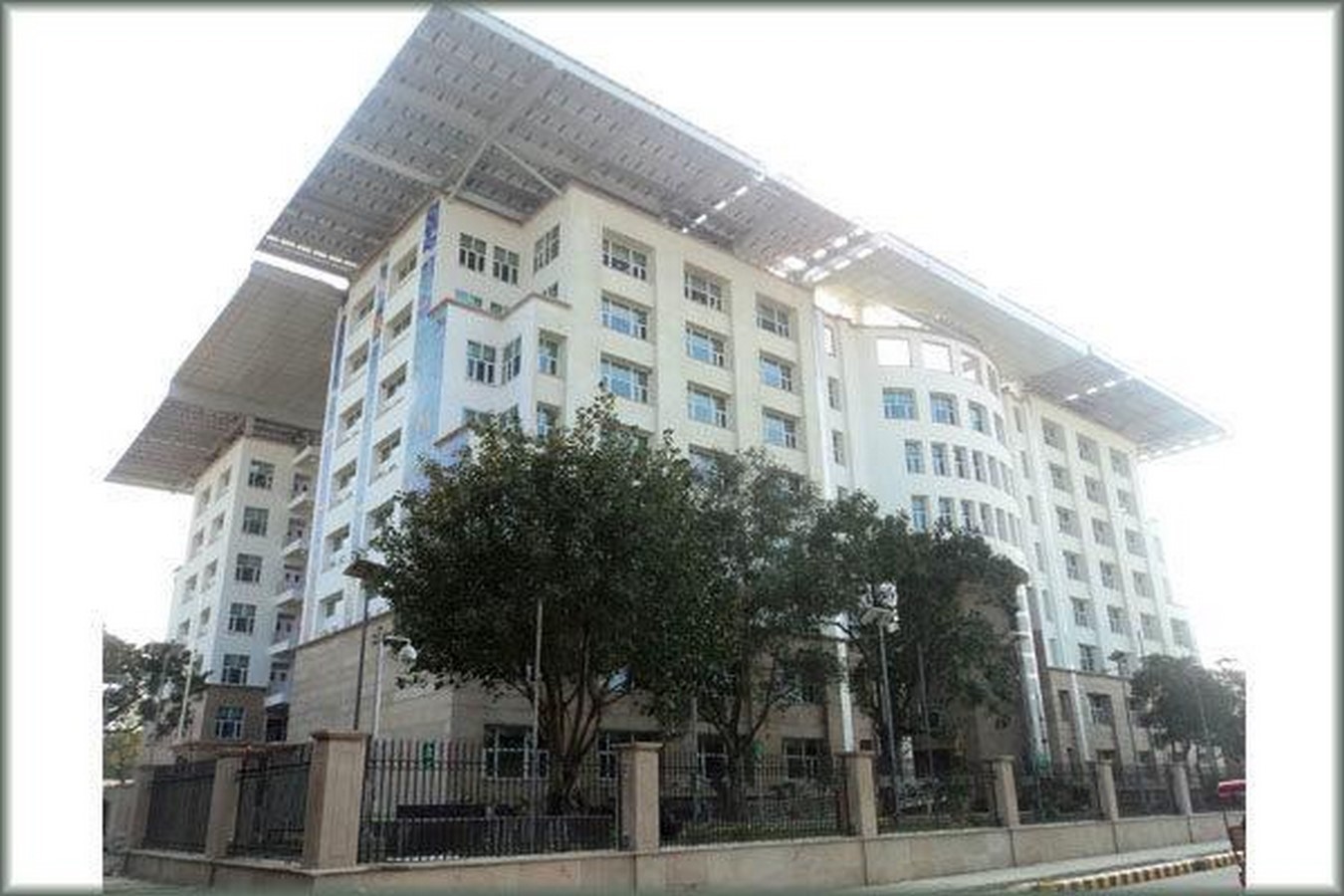
In India, Indira Paryavaran Bhawan, located in Delhi, is considered to be the first Net-zero building. Compared to a conventional building, it uses 70% less energy owing to the presence of solar and geothermal systems. The central courtyard and jaalis combined improve cross ventilation, 50% of the site is covered with plants, which helps maintain the water table. Additionally, the use of rock wool insulation, local stone for flooring, fly ash-based plaster, and mortar contributes to Net- zero goals.
Practical Challenges
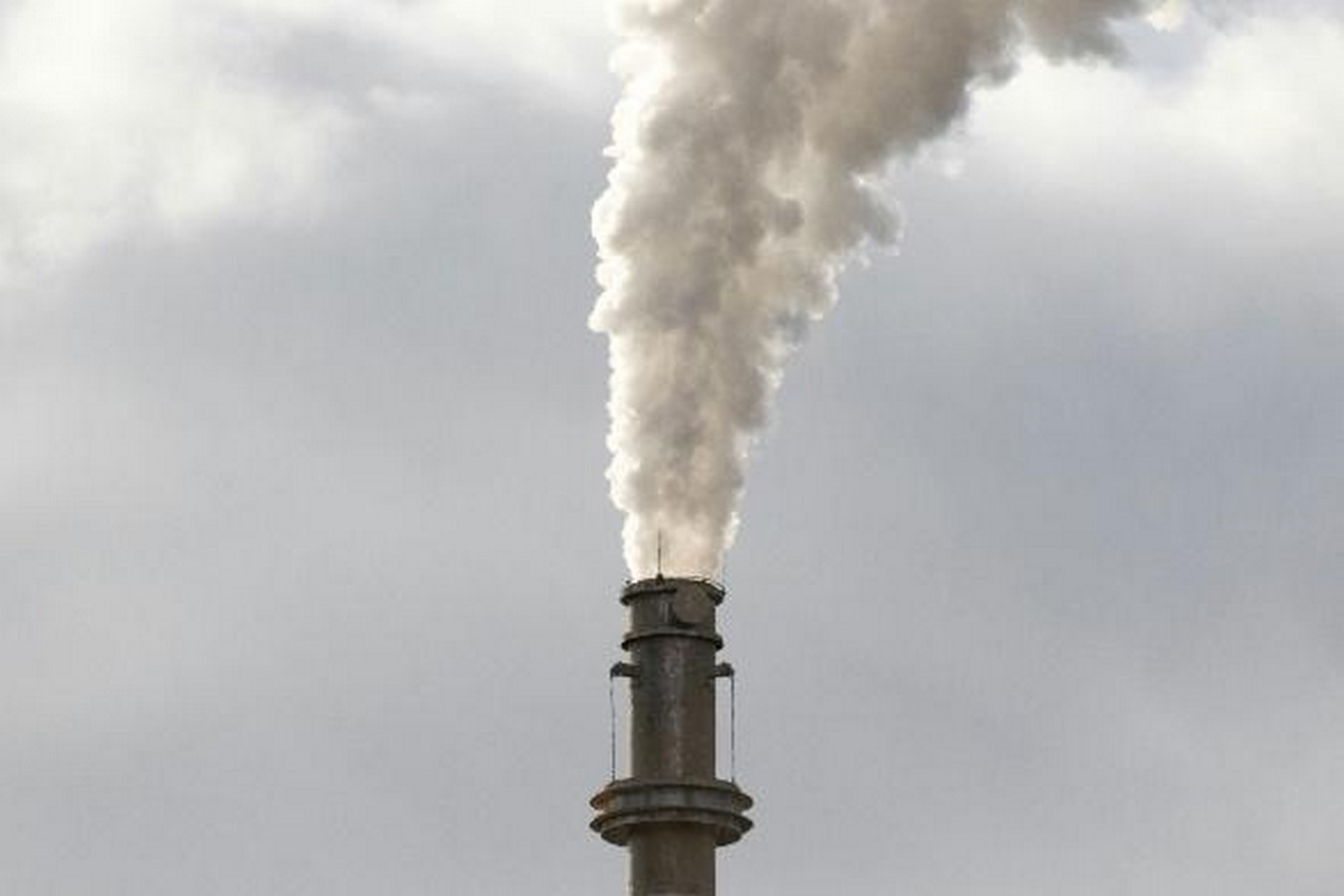
While a net-zero building design offers many advantages, there are challenges that need to be overcome first. The use of advanced materials and technology increases the initial cost of a net- zero building, which elevates the budget of the whole project; this could be compensated by the reduced operational bills of the building. There’s an incompatibility between the production of renewable energy and its demand – an immense amount of solar energy is produced during the summers, while its use peaks during the winters, an investment in flexible grid connection could bridge the gap between this demand and supply. Use of PV panels and batteries has the disadvantage of increasing the carbon footprint, which can be handled by promoting suppliers that prioritize low-carbon production techniques. Furthermore, upgrading older buildings by introducing renewable energy models adds to the cost; instead, in such cases, insulation and energy efficiency should be looked after.
Net-zero building design is the future and the weapon to mitigate the damage to nature and the effects of global warming. Students at Architecture school should be taught and pushed to inculcate these ideologies early to help them adapt to these techniques sooner. A stronger impact awaits, which could be unleashed by establishing Net-zero design features as the basis for designing any project hereafter. The goal stays viable: to attain a zero
References:
- Ecochain (2026). What is a Net Zero Building: Essential Basics for Business Leaders. [online]. (Last updated 2026). Available at: www.healthtipsarticles.com/superfoodsandwheretofindthem [Accessed 15 April 2026].
- Sclera (2023). What is net zero building? Its features and importance in 2024. [online]. (Last updated 3 November 2023). Available at: www.healthtipsarticles.com/superfoodsandwheretofindthem [Accessed 15 April 2026].
- SciEngine (2025). Towards net-zero buildings in developing countries − a simplified approach for assessment. [online]. (Last updated 2025). Available at: www.healthtipsarticles.com/superfoodsandwheretofindthem [Accessed 15 April 2026].
- Net zero energy buildings. Indira Paryavaran Bhawan Ministry of Environment and Forest (MoEF). [online]. Available at: www.healthtipsarticles.com/superfoodsandwheretofindthem [Accessed 15 April 2026].
- The times of India (2020). Shift to net-zero buildings is not only cheap now, but viable too; India slowly finding solutions as well. [online]. (Last updated 13 November 2020). Available at: www.healthtipsarticles.com/superfoodsandwheretofindthem [Accessed 15 April 2026].
- Teri (2025). Net-Zero Energy Buildings in India: A Step Towards Sustainable Urban Development. [online]. (Last updated 17 July 2025). Available at: www.healthtipsarticles.com/superfoodsandwheretofindthem [Accessed 15 April 2026].