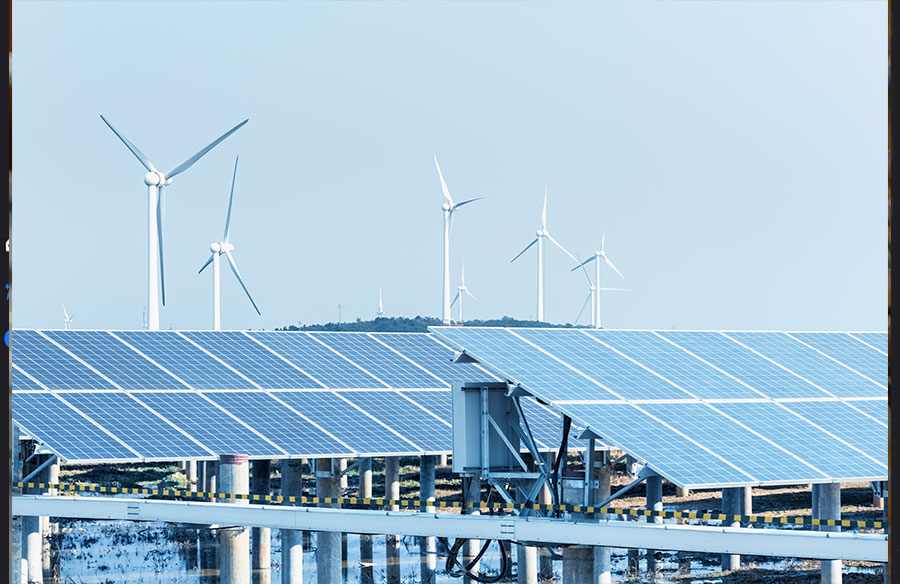
For UK businesses, energy is no longer just a background cost. With rising utility bills, climate targets, and growing customer expectations for sustainability, the way companies power their operations is firmly in the spotlight. In 2025, renewable energy has shifted from being a “nice to have” to a strategic investment that delivers both financial and reputational returns.
Energy Prices and Cost Control
One of the strongest arguments for renewables is cost stability. Energy prices have been volatile in recent years, making it difficult for businesses to forecast expenses. By generating electricity on-site with solar panels or adopting renewable heating systems such as heat pumps, companies reduce reliance on the grid and gain more predictable running costs.
While installation requires an upfront investment, the long-term savings are considerable. With panels lasting 20–25 years and heat pumps operating efficiently for well over a decade, the return on investment is tangible and measurable.
Meeting Sustainability and ESG Targets
Environmental, Social and Governance (ESG) reporting has become an important factor for businesses of all sizes. Investors, clients, and customers want to see real progress towards sustainability, not just promises.
Adopting renewable energy is one of the clearest ways to demonstrate commitment. Solar installations, battery storage, and low-carbon heating systems all provide measurable reductions in emissions that can be tracked and reported. For companies tendering for public sector work, meeting sustainability benchmarks can even be a requirement.
Brand Reputation and Customer Demand
Consumers increasingly favour businesses that act responsibly. A visible investment in renewable energy can boost reputation and set a company apart from competitors. For customer-facing industries, such as retail and hospitality, showcasing green credentials builds trust and loyalty.
It’s not just about marketing either. A genuine shift to renewables supports long-term brand value, positioning businesses as forward-thinking and resilient.
Government Incentives and Support
The UK government continues to encourage renewable adoption through a mix of grants, loans, and tax incentives. From capital allowances that reduce taxable profits to schemes supporting solar and low-carbon heating, there are multiple opportunities to offset installation costs.
Businesses that act now are also better positioned for future regulation. With net-zero by 2050 enshrined in law, sooner or later, renewable energy will become the standard rather than the exception. Early adopters benefit from being ahead of the curve.
Technology and Reliability
Renewable technologies have matured significantly. Solar panels are more efficient and durable, batteries store more energy at lower cost, and heat pumps are designed to work effectively in the UK’s climate.
Concerns about reliability are fading as systems prove their performance over decades. With proper design and installation, renewable systems provide consistent, dependable energy.
The Role of Expert Guidance
Despite the benefits, navigating renewable options can be complex. Businesses need to consider property suitability, energy demand, financing, and long-term strategy. Getting these decisions wrong risks undermining the return on investment.
That’s why many companies choose to work with renewable energy experts who can design and install systems tailored to their needs. From feasibility studies to full project delivery, expert guidance ensures that businesses get the best out of their investment.
Long-Term Value Creation
The financial benefits of renewables go beyond monthly savings. Properties with renewable installations can increase in value, making them more attractive to buyers and tenants. Businesses that reduce their carbon footprint are also more competitive when bidding for contracts, especially in sectors where sustainability is a key selection criterion.
There are indirect gains too. Employees often feel more engaged and proud to work for a company that takes sustainability seriously, which can support recruitment and retention.
Conclusion
In 2025, the business case for renewable energy is stronger than ever. Rising energy costs, government targets, and consumer expectations all make a compelling argument for change. By investing in solar, heat pumps, and storage solutions, companies can cut bills, reduce emissions, and enhance their reputation.
The key is to plan strategically and seek professional support. With the help of renewable energy experts, businesses can take confident steps towards a greener, more resilient future — one that delivers value not just for the bottom line, but for society and the planet as well.