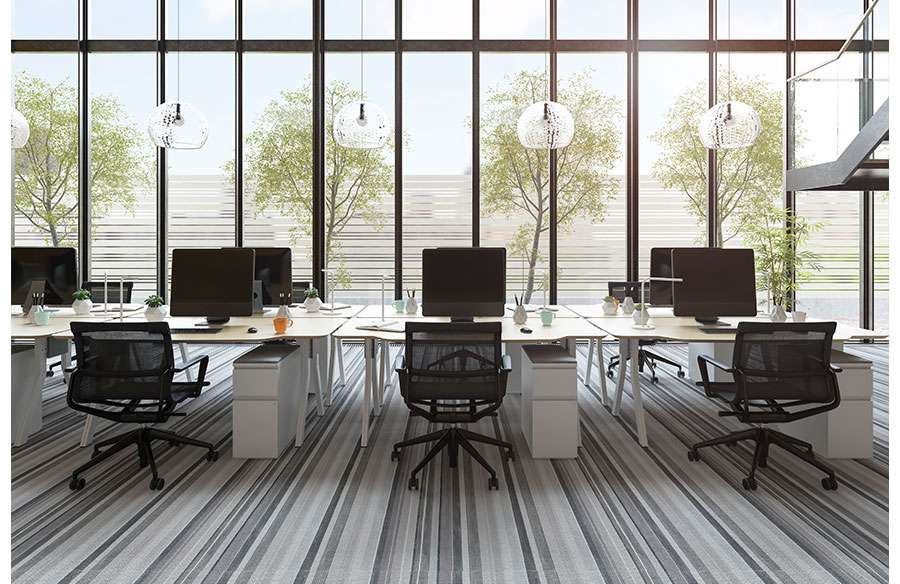
Commercial real estate agents evaluate office space design and architecture by checking fit, cost, safety, comfort, brand value, and future growth. They look past rent and square footage. They study how people will use the space daily.
This matters more now. CBRE reported that U.S. office market momentum improved in Q1 2026, with stronger absorption, tighter vacancy, rent growth, and a 20% rise in investment volume. Gensler’s 2025 workplace survey covered more than 16,800 office workers across 15 countries and found that office design must support both solo work and team work.
Why Office Design and Architecture Matter
Office space affects work speed, hiring, client trust, and daily comfort. A nice address alone does not create a good office. The floor plan, light, sound, air, and access shape the real value.
A commercial real estate agent studies these details before a tenant signs a lease. The goal is simple. The office should support the business today and still work later.
Poor design can raise costs. A space may need new walls, better lighting, or extra rooms. A low rent can become expensive after build-out work.
What Agents Check First
Layout and Flow
A good office layout feels easy to use. Staff should move between desks, meeting rooms, restrooms, and exits without confusion.
Agents check the shape of the floor plate. Long, narrow spaces may limit desk plans. Deep spaces may need stronger lighting. Odd columns can block workstations.
They also review shared areas. Reception, pantry, storage, phone rooms, and meeting areas all need space. Small gaps can cause daily stress.
Natural Light and Window Placement
Natural light can make an office feel larger and calmer. Agents check window lines, glass walls, and blocked views.
WELL links light quality to energy, mood, and productivity. Its standard covers air, water, light, comfort, fitness, and mind in built spaces.
A strong agent also checks glare. Too much sun can hurt screen work. West-facing glass may need shades or better cooling.
Building Systems
Architecture is not only what people see. HVAC, elevators, restrooms, ceiling height, and power matter.
OSHA says indoor air quality in offices affects worker comfort and health. It recommends good HVAC care, proper ventilation during suite changes, cleaning, and safe chemical storage. ASHRAE Standard 62.1 sets recognized ventilation and indoor air quality standards for building design.
Agents ask direct questions. Can the HVAC support more staff? Can the space handle new conference rooms? Does the building allow after-hours air?
Key Evaluation Areas
| Area | What the Agent Reviews | Why It Matters |
|---|---|---|
| Layout | Desk fit, meeting rooms, paths | Staff need smooth daily movement |
| Light | Windows, glare, interior glass | Light affects comfort and focus |
| Air | HVAC, ventilation, filters | Poor air can hurt health and comfort |
| Access | Elevators, ramps, restrooms | People need safe and fair access |
| Brand | Lobby, finishes, views | Clients judge a company fast |
| Growth | Expansion rights, flexible plan | Teams change over time |
| Cost | Build-out needs, rent, fees | Cheap space may cost more later |
Seasonal Flower Choices in Los Angeles Office Design
Fresh flowers can make an office feel warm without major design work. In Los Angeles, teams often use flowers for client visits, launch meetings, anniversaries, and staff surprises.
Peonies feel classic and romantic in spring. LA flower guides place California’s natural peony season around April through early June, with higher prices for winter imports. For one example, a tenant may ask a Commercial real estate agent for office space to compare reception areas that can support flowers, natural light, and client seating.
This small detail can affect the first impression. A classic bouquet gives a formal look. A modern arrangement may use fewer stems, more greenery, and softer colors. Sunflowers, dahlias, roses, orchids, and eucalyptus work well for many LA offices.
Flower choices also link to architecture. A dark lobby may make fresh flowers look flat. A bright entry can make a simple arrangement feel planned and polished.
How Agents Read the Floor Plan
Usable Space Versus Listed Space
Listed square footage does not always equal usable space. Agents compare rentable area with usable area. They also study loss factors.
A tenant may lease 10,000 square feet but use less for desks. Shared corridors, restrooms, shafts, and lobbies can reduce real value.
Agents help tenants ask better questions. How many people can fit without crowding? How many rooms can the plan hold? What changes need landlord approval?
Private Offices and Open Space
Open plans can support teamwork. Private rooms support calls, focus, and legal or finance work.
A good office often blends both. Agents compare the business model with the floor plan. A law firm needs more enclosed rooms. A creative team may need larger shared areas.
Hybrid work changed this balance. Gensler reports that time spent working with others in person has increased since the pandemic, and socializing has nearly doubled in the U.S. sample. This makes meeting rooms and shared areas more useful than old desk-heavy plans.
Code, Access, and Safety
ADA and Accessible Routes
Agents do not replace architects or code consultants. Yet they can spot early access issues.
The ADA Standards explain physical access rules for buildings and facilities. They cover new construction, alterations, and removal of architectural barriers in existing business spaces.
Agents check entry paths, elevators, ramps, restrooms, and door widths. They also flag stairs, narrow halls, or uneven access points.
Exit Paths and Fire Life Safety
Exit paths shape the floor plan. A pretty design fails if it blocks safe movement.
Agents ask about occupancy loads, exit doors, sprinklers, alarms, and stair access. A tenant’s architect should confirm final code details before construction.
Sustainability and Wellness Features
Green and healthy buildings now matter in many office searches. Tenants ask about energy use, air quality, materials, transit, and wellness.
LEED activity stayed active in the office sector in 2025. Commercial Property Executive reported 392 U.S. office projects earned LEED certification that year, covering nearly 63 million square feet.
Agents look for features that support long-term value. These may include efficient lighting, low-flow fixtures, bike storage, EV charging, and better air systems.
A healthy office can also help recruiting. People notice air, light, noise, and comfort fast.
How Agents Compare Old Buildings and New Buildings
Older buildings may offer charm, lower rent, and strong locations. They may also need more upgrades.
Newer buildings may offer better systems, cleaner lobbies, and stronger amenities. The rent may sit higher, but the build-out may move faster.
Older Office Buildings
Older spaces often have character. Brick walls, high ceilings, and large windows can look great.
Agents still check hidden costs. Old HVAC, limited power, slow elevators, and narrow floor plates can create problems.
Newer Office Buildings
New buildings often support flexible work better. They may include fitness rooms, lounges, conference centers, and outdoor areas.
Agents compare the full package. Rent, parking, service charges, build-out allowance, and lease term all matter.
Questions Agents Ask During a Tour
A strong tour goes beyond photos. Agents ask practical questions.
Can this layout support the team size? Can walls move? Can the landlord provide updated plans? What build-out allowance comes with the lease?
They ask about noise, too. Offices near elevators, restrooms, or loading docks may feel busy all day.
They check client experience. The path from parking to reception should feel clear and professional.
Conclusion
Commercial real estate agents evaluate office space design and architecture through a practical lens. They study layout, light, air, access, systems, cost, and growth.
A good agent helps tenants avoid costly mistakes. The right office supports daily work, client trust, and team comfort. The best choice is not always the newest or cheapest space. It is the space that fits the business, works safely, and can adapt as the team grows.