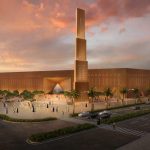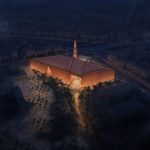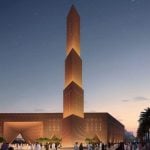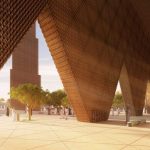
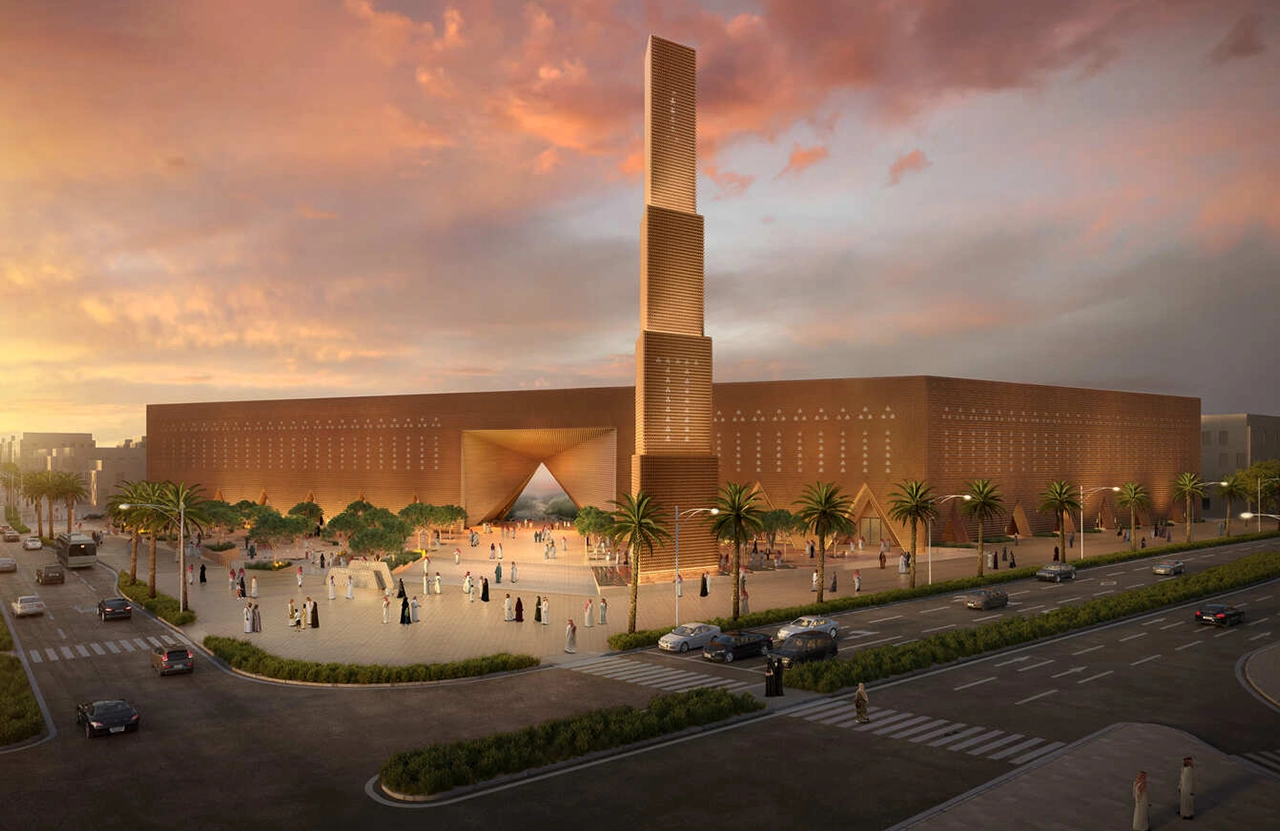
The recent unveiling of a newly built grand mosque in Riyadh by X Architects marks an interesting turn of events in the architectural language of modern Islamic architecture. This comes at an exciting time as Riyadh continues to grow at an unprecedented pace with the implementation of Saudi Arabia’s Vision 2030. This essay will discuss how this newly built mosque interprets religious architecture to address modern urban, climatic, and social issues.
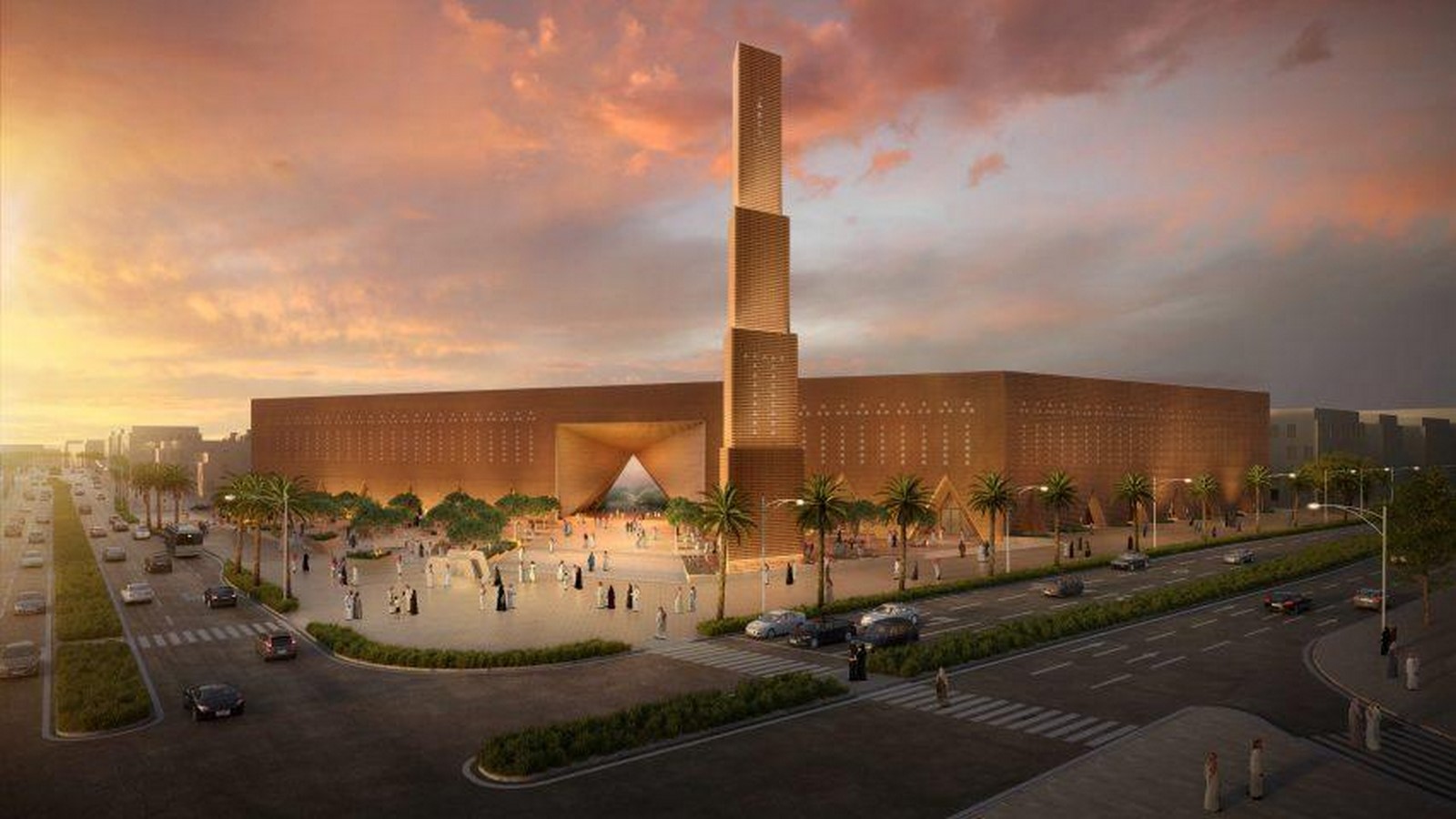
Riyadh’s Transformation and Architectural Context
Riyadh is presently undergoing an unprecedented urban transformation. This comes with significant investment in the city’s infrastructure, culture, and public spaces. Amidst this rapid growth, religious spaces such as mosques play an integral role in the city’s fabric. This architectural typology, however, is presently undergoing a significant shift from static historical replicas to more contemporary interpretations. Historically, religious architecture in this part of the world borrowed significantly from Najdi typologies. These typologies are characterised by inwardly planned spaces, thick walls, and shaded courtyards. These spaces, while climatically efficient, are presently being reinterpreted to conform to contemporary requirements.
Design Philosophy of X Architects
X Architects specialises in designing spaces that are contextual, sensitive, and environmentally conscious. Their approach does not involve superficial historicism, but rather a deep study of space and environmental principles in historical architecture.
In the Riyadh Mosque, their design is inspired by:
- Environmental responsiveness
- Cultural reinterpretation
- Spatial simplicity
- Community integration
This approach has resulted in a contextual space, yet contemporary in its character.
Reinterpreting the Mosque Typology
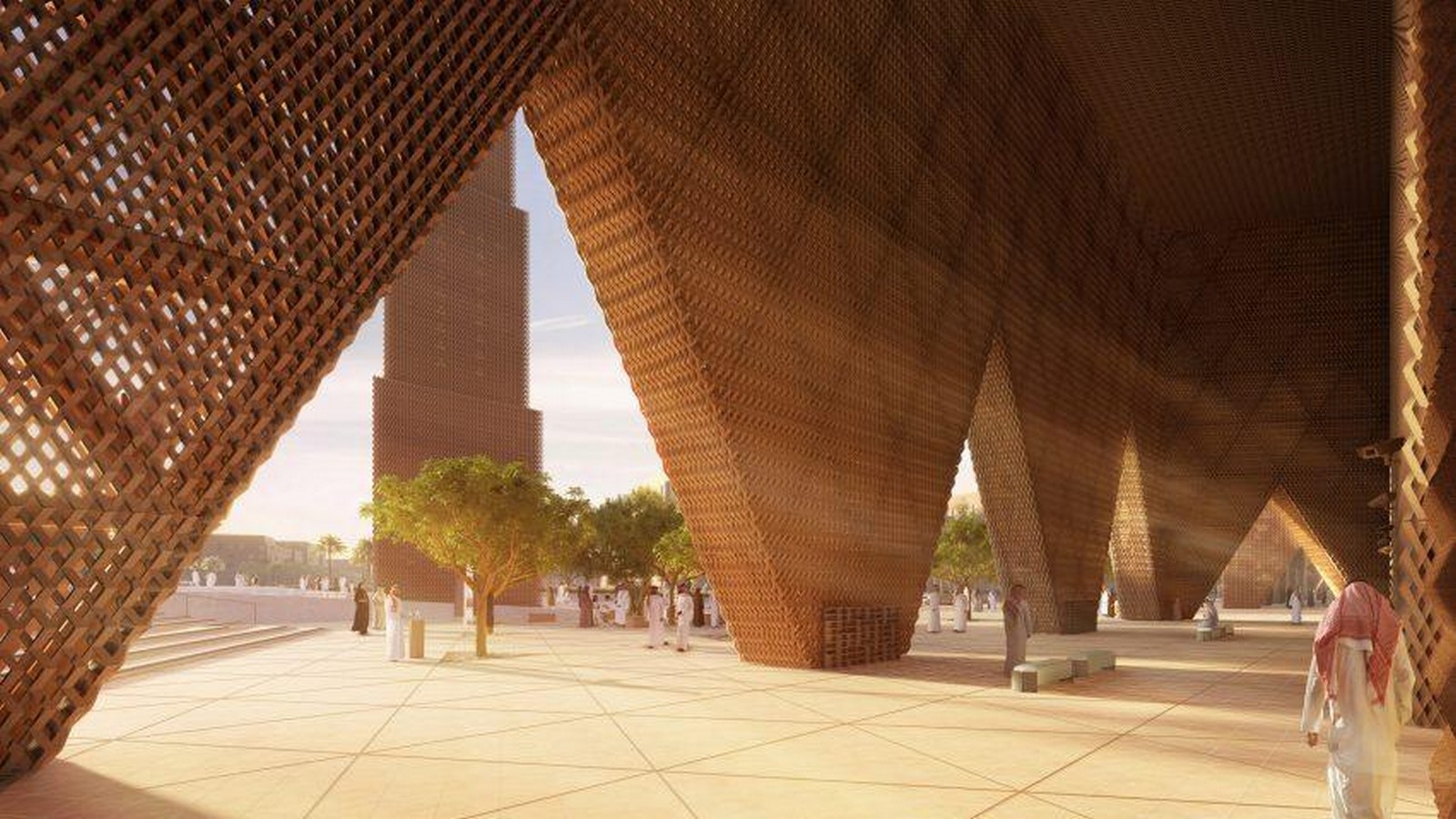
One of the most important aspects of the Riyadh Mosque is its deviation from conventional characteristics of mosques, which include domes and minarets. The design has adopted a completely new approach, which is low-rise, horizontal, and contextual in its character, allowing it to blend in with the surrounding landscape.
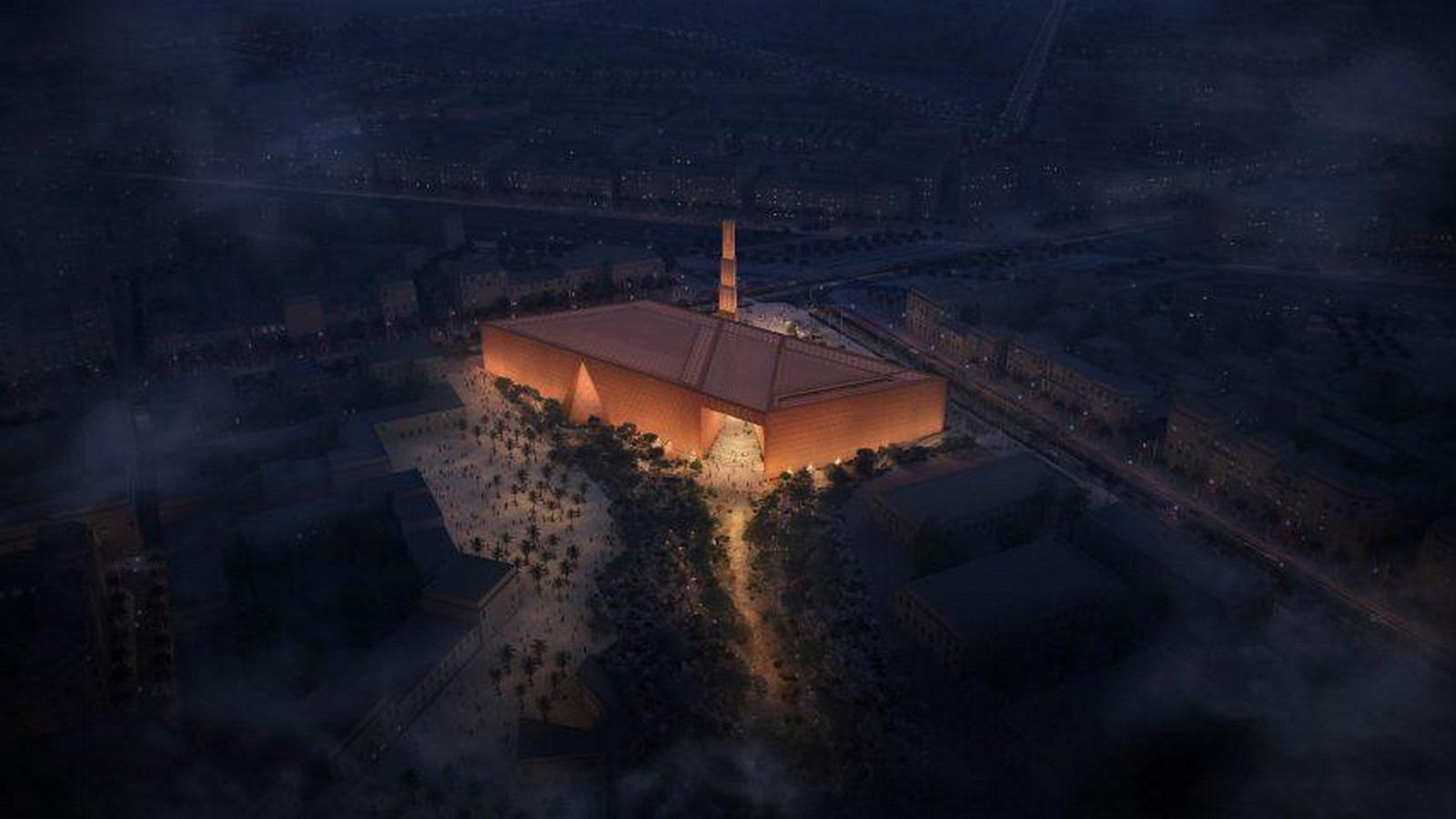
The Riyadh Mosque has been designed as a series of volumes surrounding a courtyard. The fragmented mass of the Riyadh Mosque has been designed to minimise heat gain, provide better ventilation, and create a human-scale space. The focus has been on the experience of space, rather than its monumental character.
The courtyard, which is a conventional aspect of Islamic architecture, has been reinterpreted as a climatic and social device.
Climate-Responsive Strategies
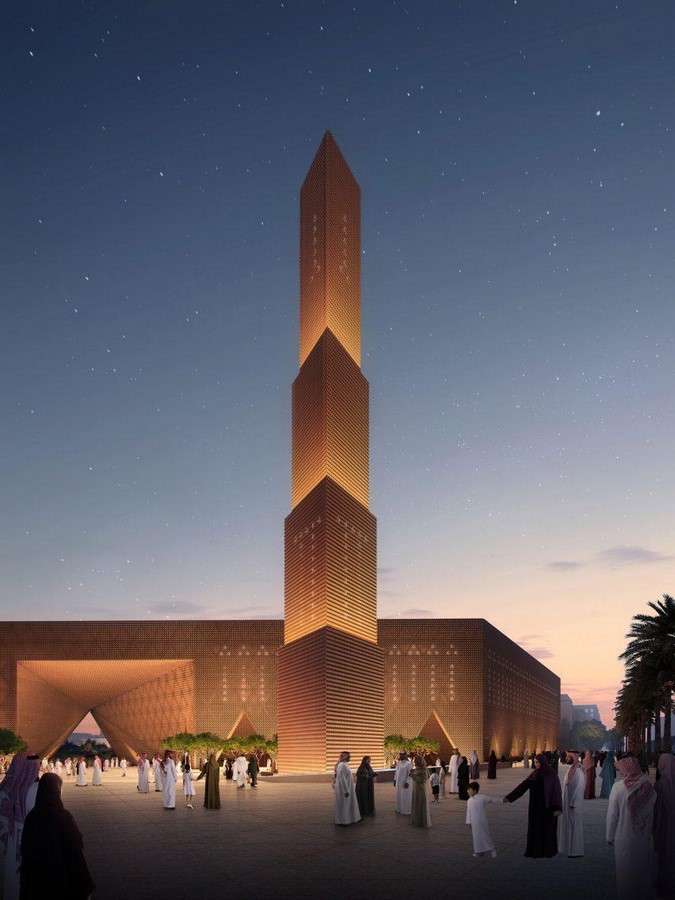
Given Riyadh’s extreme climate, passive design strategies play a central role in the project:
- Thermal Mass: Thick walls help regulate indoor temperatures
- Shading Systems: Overhangs and screens reduce direct solar exposure
- Natural Ventilation: Openings are positioned to allow cross-breezes
- Material Selection: Local materials reduce environmental impact and enhance contextual identity
These strategies reduce dependence on mechanical cooling, aligning the project with sustainable design principles.
Light and Spiritual Experience
Light is considered a primary architectural component. Daylight filtered through perforated surfaces and roof openings creates a dynamic relationship between light and shadow.
This design strategy contributes to the spiritual experience without resorting to unnecessary decoration.
The prayer hall is lit in a way that creates a peaceful atmosphere. The changing light throughout the day emphasises the importance of time.
Community-Centred Design
The mosque is designed to serve the needs of the community in addition to being a place of worship. Additional spaces, such as learning spaces, social spaces, and shaded outdoor spaces, extend the potential uses of the mosque in the community.
This is in reference to the traditional role of mosques in society. The design ensures that the mosque is accessible to all. This relates to the traditional role of mosques in society. The design ensures that the mosque is accessible to everyone.
Urban Integration
Unlike monumental religious buildings, this mosque has a low profile and open edges, which enable it to blend with the surroundings while being accessible and open to users. This design promotes permeability, which creates links with the urban environment. This enhances the relationship between the mosque and the community it serves.
Broader Architectural Significance
This design is part of a new trend in modern mosque design across the world, where sustainability, minimalism, and the quality of the experience are key considerations. Other designs in this category include the Cambridge Central Mosque and the Sancaklar Mosque, which are modern interpretations of Islamic architecture. This mosque by X Architects is part of this trend, showcasing how regional identity is achieved without resorting to literal historical references.
The grand mosque designed by X Architects embodies a thought-provoking approach towards the changing dynamics of Riyadh. Architecture has the power to change with the changing dynamics of cities, especially across the Middle East, as evidenced by projects like the grand mosque, which not only symbolises a space of religious worship but also embodies the future of religious architecture, which is not only sustainable but also socially relevant.
References (APA Style):
Bianca, S. (2000). Urban form in the Arab world: Past and present. Thames & Hudson.
Fathy, H. (1986). Natural energy and vernacular architecture. University of Chicago Press.
Frampton, K. (2007). Modern architecture: A critical history (4th ed.). Thames & Hudson.
Hakim, B. S. (2014). Arabic-Islamic cities: Building and planning principles. Routledge.
Khan, H. U. (1994). The mosque: History, architectural development & regional diversity. Thames & Hudson.
Serageldin, I. (Ed.). (1996). Architecture of the contemporary mosque. Academy Editions.
Steel, J. (2013). Sustainable architecture in the Middle East. Wiley.
X Architects. (2024). Project documentation and design philosophy. X Architects Publications.
Charles, S., & Charles, S. (2026, March 20). X Architects unveils Grand Mosque “for rapidly changing Riyadh.” Dezeen. https://www.dezeen.com/2026/03/20/grand-mosque-riyadh-diriyah-x-architects/