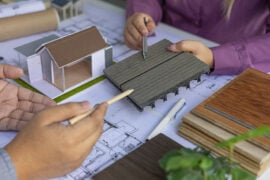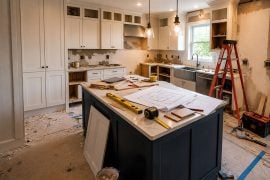
The 2026 new building project will have to be approached financially carefully to balance between planning, control, and flexibility. There is no predictability of costs anymore, and fluctuations in materials, prices of the workforce, and changes in technology require smarter budgeting techniques. A step-by-step strategy will decrease stress levels and enhance performance in all steps. When making expenditures, it becomes simpler to prevent wastage and stay within schedule when the expenditures are informed by clear insights. In this article, the practical concepts of budgeting have been simplified into steps that ensure that each of the phases is controlled, efficient, and focused on the long-term objectives.
1. Build A Strong Budget Foundation First
A clear financial structure sets the direction for the entire project. Using a reliable construction cost estimator at the early stage helps define accurate spending expectations. This allows better allocation of resources and prevents confusion later. A robust foundation entails specifying overall expenses, establishing constraints, and prioritizing areas. Once the groundwork is laid, then all decisions will be easier and more productive. It also guarantees that the project will proceed without any financial strain or hindrance.
-
Set Clear Financial Targets From the Beginning

Setting financial goals early gives direction to the entire workflow. It helps teams understand how much they can spend and where to invest carefully. Clear targets prevent overspending and improve focus on essential tasks. When expectations are defined from the start, it reduces confusion and builds confidence. A well-planned target also helps measure success at every stage of the project without losing control over finances.
3. Track Spending With Smart Digital Systems
Contemporary digital resources simplify and correct expense tracking. All these systems document all transactions in real time, and thus, there is enhanced visibility on the direction of money. Tracking is automated, eliminating errors and wastage of time, as it is done manually. It also assists in comparing the budgets planned against actual expenditure. By paying close attention to spending, the teams are able to take fast corrective actions and balance the financial situation during the project lifecycle.
-
Have a more effective plan to control material costs
A large part of the budget is usually consumed by material costs, hence it is a must that it is planned. A comparison of suppliers and an appreciation of pricing trends may result in improved purchasing decisions. Purchasing the appropriate amount prevents wastage and the elimination of unneeded costs. The selection of durable materials also assists in reducing the cost of repair in the future. By taking good care of materials, the general budget will be consistent and predictable.
-
Enhance Workforce Performance to save money
Budget control is significantly contributed to by the management of workforce productivity. When tasks are properly assigned, work will be done more quickly and with fewer errors. Effective communication makes sure that each person is aware of his or her duties. Good scheduling eliminates delays and unwarranted use of labor. It may also be possible to train the workers to enhance their performance, but at the same time, the cost does not have to be high. This strategy contributes to the smooth flow and improved financial performance.
-
Pre-plan so as to avoid unnecessary costs
Even the most perfect plans can be affected by unexpected costs. Thinking ahead and getting ready beforehand to deal with risks is beneficial to prevent being caught up in money crises. By determining the potential obstacles like supply delays, teams will remain prepared with possible solutions. Backup plans make sure that the project is not halted. A proactive strategy minimizes uncertainty and maintains expenditure control even in the case of a change of circumstances.
-
Check Budget Progress and make amendments
Periodical analysis of financial performance ensures that all is within check. Comparing the cost estimated against the actual expenditure helps to identify areas requiring improvement. Small modifications made in the process will avoid bigger issues in the future. Open communication between team members helps the members remain on track with the new plan. The constant observation is used to sustain stability and enhance the overall efficiency of the project.
-
Be Long-Term Financially Stable
A project is more than just a project that is completed successfully, but also one that can be sustained in terms of value. Smart budgeting makes sure that it does not compromise quality and keeps costs in check. Each stage can be learnt to make better decisions and plan for the future. By being concerned about sustainable financial practices, the teams can develop improved outcomes and higher project results that are not short-lived.
More Intelligent Budgeting Means More
Proper scheduling and regular follow-up of such projects puts a project on an even financial path. A construction cost estimator would enhance accuracy and decrease risks at each level. Clear strategies are useful to control expenditure without compromising on quality. With each step being informed by intelligent decisions, projects attain consistent development and provide credible results.
Frequently Asked Questions
- What is the construction budgeting step one?
The initial one is the development of a proper financial plan where the cost is properly estimated.
- What can be done to control the costs during execution?
Frequent monitoring and suitable corrections can be used to keep finances under control.
- What is the importance of planning the material usage?
It helps us to avoid wastage and save on unnecessary costs in the project.
- What is the impact of workforce management on budgeting?
Effective teams work more quickly and reduce extra work expenses.
- What can be used to prevent unexpected financial problems?
Budgets remain constant through early risk planning and backup plans.