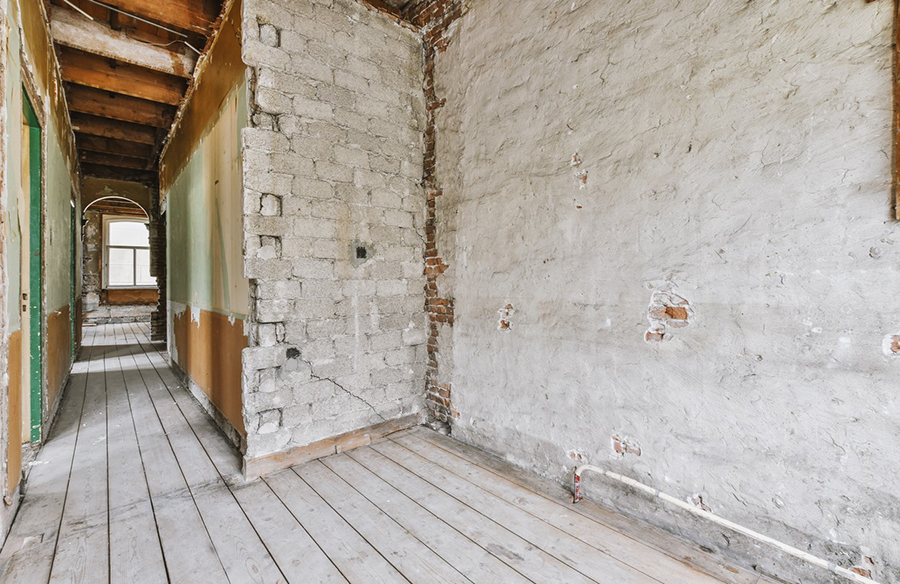
There’s something special about old houses. It could be the way the floors creak when you walk on them, or how the sunlight comes through the windows, which are never quite perfect. You can feel the history in these homes, like the memories of all the people who have lived there before. When you’re inside, you can sense the stories that the house could tell, and it’s like you’re a part of something that’s been going on for a long time.
Fixing up an old house is usually a complicated process. It’s not just about hiring contractors and getting the job done. You have to find a way to keep the things that make the house special while still making it work for today’s way of living. It’s a delicate balance between old and new, and it can be tough to get it just right. That tension is where things get complicated.
The Hidden Layers Beneath the Surface
At first glance, an older home may need cosmetic updates, such as a fresh coat of paint. New fixtures could be introduced, and some sanding and polishing may be required. But once you start peeling back the layers, the reality reveals itself. Outdated wiring. Aging plumbing. Structural quirks that weren’t exactly built to today’s standards. And sometimes, materials require careful handling or replacement. Each discovery can shift your plans, your budget, and your timeline. It’s not just about what you see. It’s about what’s been quietly holding everything together for years. And that’s where patience becomes essential.
Modern Needs vs. Original Design
Older homes were built for a different way of living. Smaller closets. Closed-off rooms. Kitchens that weren’t designed to be gathering spaces. Today, people often want openness, functionality, and efficiency. They want natural flow between rooms, more storage, and updated systems that support daily life without constant maintenance.
So the question becomes, how do you adapt a space without erasing what made it special in the first place? Some homeowners work with a residential general contractor who understands this balance, someone who can navigate both preservation and modernization without treating the home like a blank slate. Because it isn’t one. Every wall, every detail, every imperfection carries intention, even if it’s subtle.
The Temptation to Over-Renovate
When you’re investing time and money in a renovation, it’s easy to fall into the mindset of fixing and replacing everything to make it feel new. But here’s the risk. In trying to perfect the home, you can accidentally strip away the very character that drew you to it. Original woodwork gets swapped for something more uniform. Unique layouts get flattened into open concepts that could belong anywhere. Details that once felt personal become generic. And suddenly, the home loses its voice. Preserving something doesn’t mean keeping it the same forever. It’s more about knowing when to stop and think, when to fix something that’s broken, and when just to leave things alone. You have to figure out what’s worth saving and what can be changed. It’s a balance between keeping the past and moving forward.
Materials That Don’t Translate Easily
Another challenge lies in materials. Older homes often feature craftsmanship and materials that are difficult or expensive to replicate today. Solid wood, hand-laid tile, custom moldings. Finding the right repair match can be a real challenge. It’s like trying to solve a puzzle, and sometimes it feels like a big project. The problem is, replacement parts often don’t have the same texture or depth as the originals, which can be really frustrating. This creates a subtle tension. Do you replace and risk losing authenticity, or repair and accept imperfections? There’s no universal answer. But the choice shapes how the home feels once the work is done.
Unexpected Costs and Emotional Investment
Budget is always a factor in renovation. But with older homes, unpredictability is part of the process. You might plan for one upgrade and uncover three more issues along the way. Costs can shift quickly, and timelines can stretch beyond expectations. What often goes unspoken is the emotional side of this. Renovating an older home isn’t just about decisions on paper. It’s about attachment. About wanting to do right by a space that already feels meaningful. That emotional weight can make decisions harder. It can slow things down. It can also make the final result feel more personal than anything built from scratch.
Working With the Home, Not Against It
The most successful renovations tend to share one mindset. They work with the home, not against it. Instead of forcing modern trends into every corner, they adapt thoughtfully. They preserve where it matters. They update where it’s necessary. They help the house evolve and grow over time while still preserving its unique character and feel. Sometimes that means keeping a slightly uneven wall because it tells a story. Or restoring original floors instead of replacing them, and or designing around existing structures instead of removing them entirely. It’s not about perfection. It’s about continuity.
Finding the Balance
At its core, renovating an older home is about respect. Respect for the craftsmanship. Respect for the history. Respect for the way spaces were once lived in, even if that way has changed. It’s not just about building a space, but also about creating an environment that complements your lifestyle and makes your daily life easier. That balance isn’t always easy to find. But when it works, you feel it immediately. The home doesn’t feel stuck in the past, nor does it feel disconnected from it. It feels lived in. Thoughtful. Real. It’s still sharing its message, just in a somewhat different tone.