The rapid growth of online retail has transformed how warehouses are designed and operated. Traditional storage-focused facilities are no longer enough to support the speed and complexity required by modern ecommerce businesses. Today’s fulfillment centres must balance operational efficiency, scalability, and technology integration to meet rising customer expectations.
As ecommerce continues to expand, infrastructure is evolving from simple storage spaces into strategically designed environments that support faster order processing, accurate inventory management, and seamless distribution workflows.
The Evolution of Warehouse Design in the eCommerce Era
Historically, warehouses were designed primarily to store large quantities of goods for extended periods. However, ecommerce has shifted the focus from storage capacity to operational efficiency. Orders are now processed individually rather than in bulk, requiring facilities that can handle continuous movement of products.
Modern warehouse design prioritises streamlined workflows. Every section of the facility is planned to reduce friction between receiving inventory, storing products, picking items, packing orders, and dispatching shipments. The goal is to minimise delays while maintaining high levels of accuracy.
This shift has encouraged architects and logistics planners to collaborate closely, ensuring that physical infrastructure supports digital commerce requirements.
Smart Layout Planning for Faster Order Processing
Warehouse architecture now plays a direct role in delivery speed and customer satisfaction. Consumers expect fast shipping, often within one or two days, which requires facilities designed for efficiency rather than simple storage.
Modern fulfillment centres are organised with strategically placed inventory zones that reduce unnecessary movement. Fast-selling products are positioned closer to packing stations, allowing staff to process orders quickly. Clear pathways and structured picking routes further help reduce delays during busy periods.
Flexible shelving systems and adaptable storage configurations allow ecommerce businesses to adjust layouts during seasonal demand spikes. This flexibility ensures that warehouses can maintain efficiency even when order volumes increase significantly.
Companies that invest in specialised ecommerce fulfillment services often benefit from professionally designed workflows that support faster processing speeds while maintaining accuracy.
Simpl Fulfillment as a Model for Efficient Infrastructure
A strong example of operational efficiency can be seen with Simpl Fulfillment, a provider focused on helping ecommerce brands optimise order management, inventory storage, and shipping processes. By aligning warehouse workflows with modern ecommerce requirements, fulfillment providers can significantly improve speed and reliability.
Specialised fulfillment partners play an important role in shaping warehouse infrastructure because their operational processes influence how space is organised. Efficient picking routes, structured packing stations, and real-time inventory visibility contribute to a smoother fulfillment experience for both businesses and customers.
As ecommerce brands continue to scale, working with experienced fulfillment providers helps ensure that infrastructure decisions support long-term operational efficiency.
Automation is Reshaping Warehouse Architecture
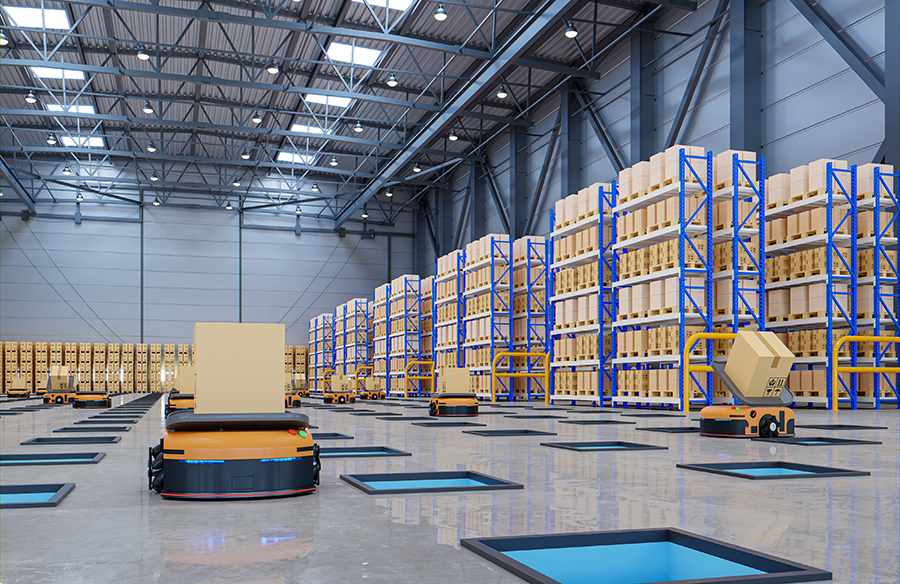
Technology is becoming a defining factor in warehouse design. Automation tools such as robotics, conveyor systems, and intelligent sorting solutions require facilities that are specifically structured to support their operation.
Modern fulfillment environments are increasingly designed with robotics-friendly layouts that allow automated systems to move efficiently between storage and packing areas. Vertical storage systems maximise capacity without increasing physical footprint, while integrated tracking technologies allow real-time monitoring of inventory.
Automation not only improves speed but also reduces the likelihood of human error. As a result, warehouses are evolving into intelligent logistics environments where technology and architecture work together to improve performance.
Scalability as a Core Design Requirement
Ecommerce businesses often experience fluctuations in order volume due to seasonal demand, promotional campaigns, and market growth. Warehouse infrastructure must therefore be designed with scalability in mind.
Flexible layouts allow businesses to expand storage capacity without disrupting existing workflows. Modular shelving, multi-purpose zones, and adaptable packing areas ensure that facilities can evolve alongside operational needs.
Scalable infrastructure reduces the need for costly redesigns and helps businesses maintain efficiency during periods of rapid growth.
Sustainability in Modern Fulfillment Centres
Sustainability is becoming an increasingly important consideration in warehouse design. Many modern facilities incorporate energy-efficient lighting systems, improved insulation, and environmentally friendly construction materials.
Strategically located fulfillment centres can also reduce transportation distances, lowering carbon emissions while improving delivery speed. Efficient packaging solutions further help minimise waste and support environmentally responsible operations.
As ecommerce continues to grow, sustainable infrastructure will become a key factor in long-term operational planning.
The Future of Fulfillment Infrastructure
The future of warehouse design will likely be shaped by advancements in artificial intelligence, predictive inventory management, and autonomous robotics. These innovations will require facilities that are adaptable and technologically compatible.
Modern fulfillment centres are no longer simply storage facilities. They are strategic assets that directly impact customer experience, operational efficiency, and business scalability.
As ecommerce continues to evolve, fulfillment infrastructure will remain at the centre of innovation, influencing how warehouses are designed, organised, and optimised for performance.