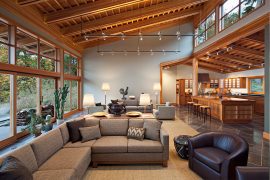
Architecture greatly influences commercial interior design. A well-planned building supports functional, attractive, and efficient interiors. Modern offices, hotels, and retail stores show how architecture guides interior layout, lighting, and aesthetics. For example, Google offices use open floor plans and natural light, improving employee productivity. This article explains how architecture shapes innovative commercial interior design, helping readers understand its impact on functionality, style, and business success.
The Role of Architecture in Commercial Interior Design
Structural Planning
Architecture defines a building’s structure, affecting interior spaces. Columns, walls, and ceilings determine furniture placement and movement flow. For example, high ceilings make interiors feel spacious, while large windows provide natural light. Proper architectural planning reduces the need for later modifications and lowers costs.
Space Optimization
Architecture guides how space is used efficiently. Interior designers rely on floor plans and building dimensions to design practical layouts. Open spaces encourage collaboration in offices. Partitioned areas provide privacy in hotels and clinics. Effective use of architecture improves comfort and productivity.
Lighting and Ambiance
Architectural features like windows, skylights, and atriums shape natural light distribution. Designers complement these features with artificial lighting to enhance the atmosphere. Bright spaces boost mood, while dimmer areas create relaxation zones. Architecture and lighting together set the tone of commercial interiors.
Key Principles of Architecture in Interior Design
Functional Zoning
Architecture allows designers to separate areas based on use. Reception, workstations, meeting rooms, and lounges are positioned for convenience and efficiency. This planning ensures smooth movement and reduces noise interference.
Material and Finish Selection
Architectural choices influence materials used inside. Concrete walls, glass panels, or wooden beams create different interior vibes. Materials must align with the building’s structure and intended use. Durable finishes reduce maintenance costs in commercial settings.
Sustainability
Modern architecture emphasizes sustainability. Energy-efficient windows, green roofs, and ventilation systems support eco-friendly interiors. Commercial interior design incorporates these features by using recycled furniture, LED lighting, and low-energy appliances. Sustainability lowers operational costs and attracts eco-conscious clients..
Architecture vs. Interior Design: A Comparison
| Feature | Architecture | Commercial Interior Design (CID) |
| Focus | Structure, form, and building systems | Layout, decor, furniture, and ambiance |
| Influence | Supports functionality and safety | Enhances aesthetics and user experience |
| Tools | Blueprints, CAD, structural analysis | Space planning, color palettes, material selection |
| Outcome | Sturdy, functional building | Attractive, efficient, and comfortable interiors |
This table shows how architecture and commercial interior design work together. Architecture provides the framework, while interior design transforms it into a functional, appealing environment.
Contemporary Examples
Tech Offices
Companies like Apple and Microsoft integrate architecture and interior design. Open spaces, glass walls, and collaborative zones improve creativity. Architects design the building shell, and interior designers enhance usability and style.
Hotels
Hotels use architectural layouts to guide guest experience. Lobbies, corridors, and rooms follow a flow that balances privacy and convenience. Interior designers select furniture, colors, and lighting that match architectural intent.
Retail Spaces
Retail architecture affects customer movement. High ceilings, wide aisles, and natural light improve shopping experience. Interior designers add displays, signage, and textures to encourage purchases.
Conclusion
Architecture strongly shapes commercial interior design. It defines structure, lighting, space, and sustainability. Interior designers transform these architectural elements into functional, attractive, and efficient spaces. Businesses that integrate architecture and interior design see improved productivity, better customer experiences, and cost savings. Understanding this connection is vital for architects, designers, and business owners. Explore more about Commercial Interior Design to see how architecture inspires innovative interiors.