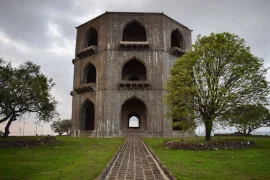
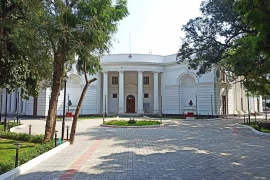
Imagine walking through the narrow streets of a city where you can easily touch the walls when you spread your arms. The overhead balconies above your head of ancient houses, blocking the sun and creating a cool walkable tunnel for people. The street food and spice-shaving fragrance are all over the place in the air. For decades, people have not really built cities or towns but built over and around the existing structures with a stone wall to protect everyone. The cities built inside these walls cater to thousands of people who work, live, and grow up together without ever thinking about the need to leave the gate of these walled cities. Understanding the fact how these walled cities actually worked through the heritage walled city of Lahore in Pakistan.
Why the Walls Were Built: Safety and Community
An obvious reason for walled cities is protection. During ancient and medieval times, there were not many security systems, such as police forces and international laws, to stop the army from marching within the city. A built structure made with thick stone walls and heavy wooden gates is the only standing thing between a peaceful family and a group of invaders. These stone walls were often dozens of feet thick, featuring high towers where guards could keep a lookout.( Windwhistle,2026)
Along with protecting the people, another key role played by walled cities was to bring people together for community building. Because of the large walls, the spaces under the structure were extremely limited, which made people live remarkably close and next to each other. Lack of multiple rooms, no front yards, and wide highways led to a very socialized community. The people living next to each other were not just neighbours, but they were attached to each other.
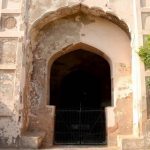
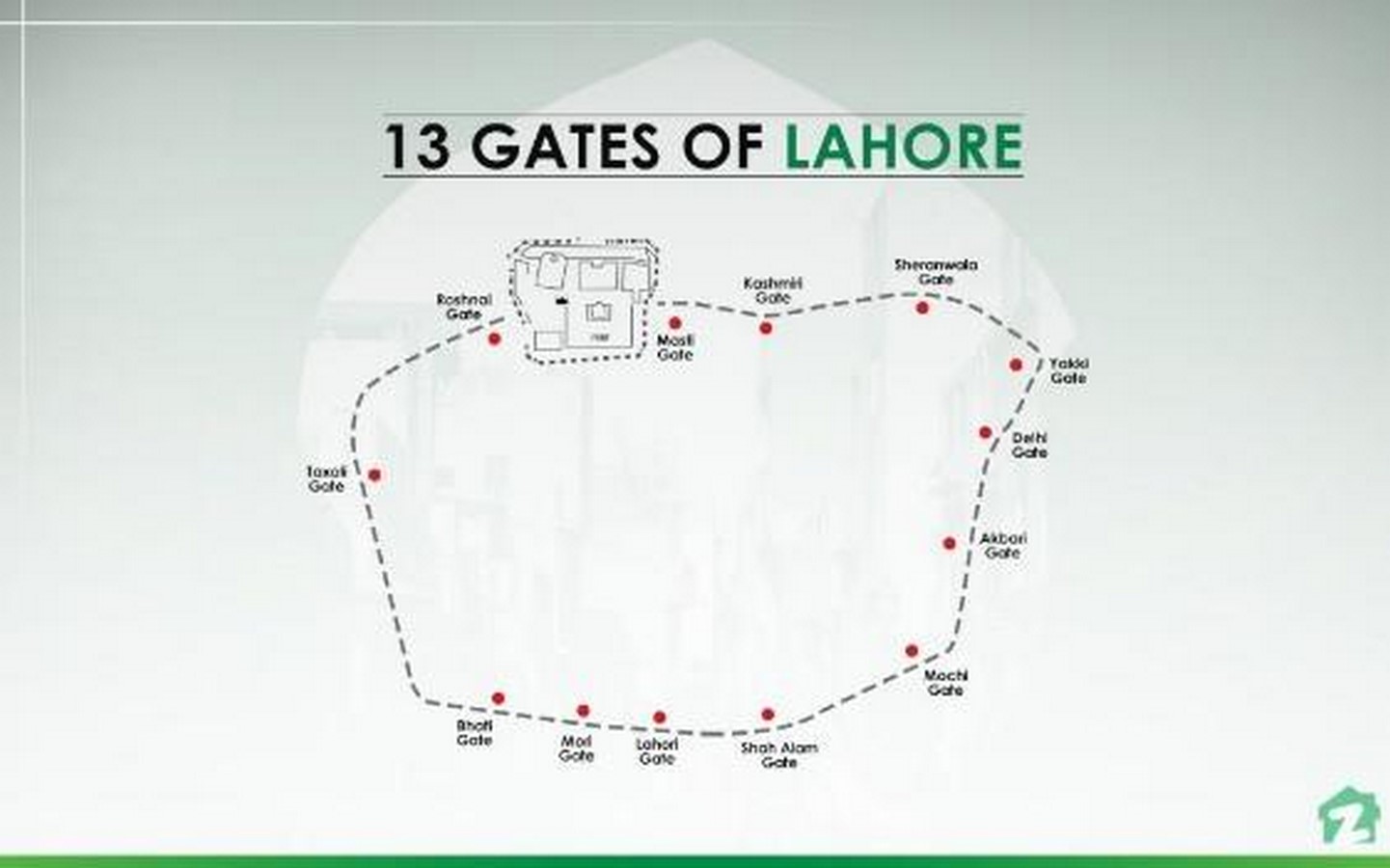
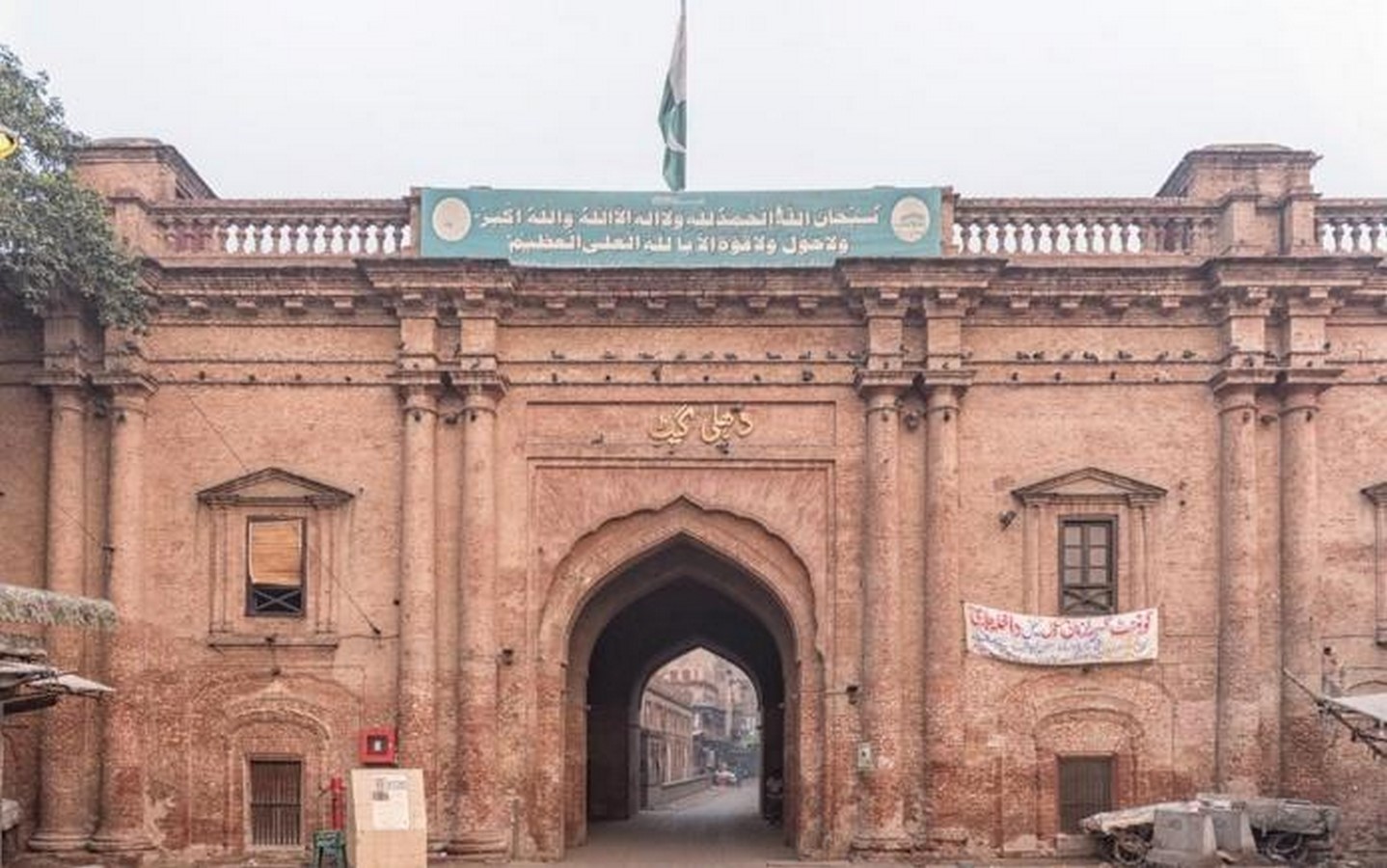
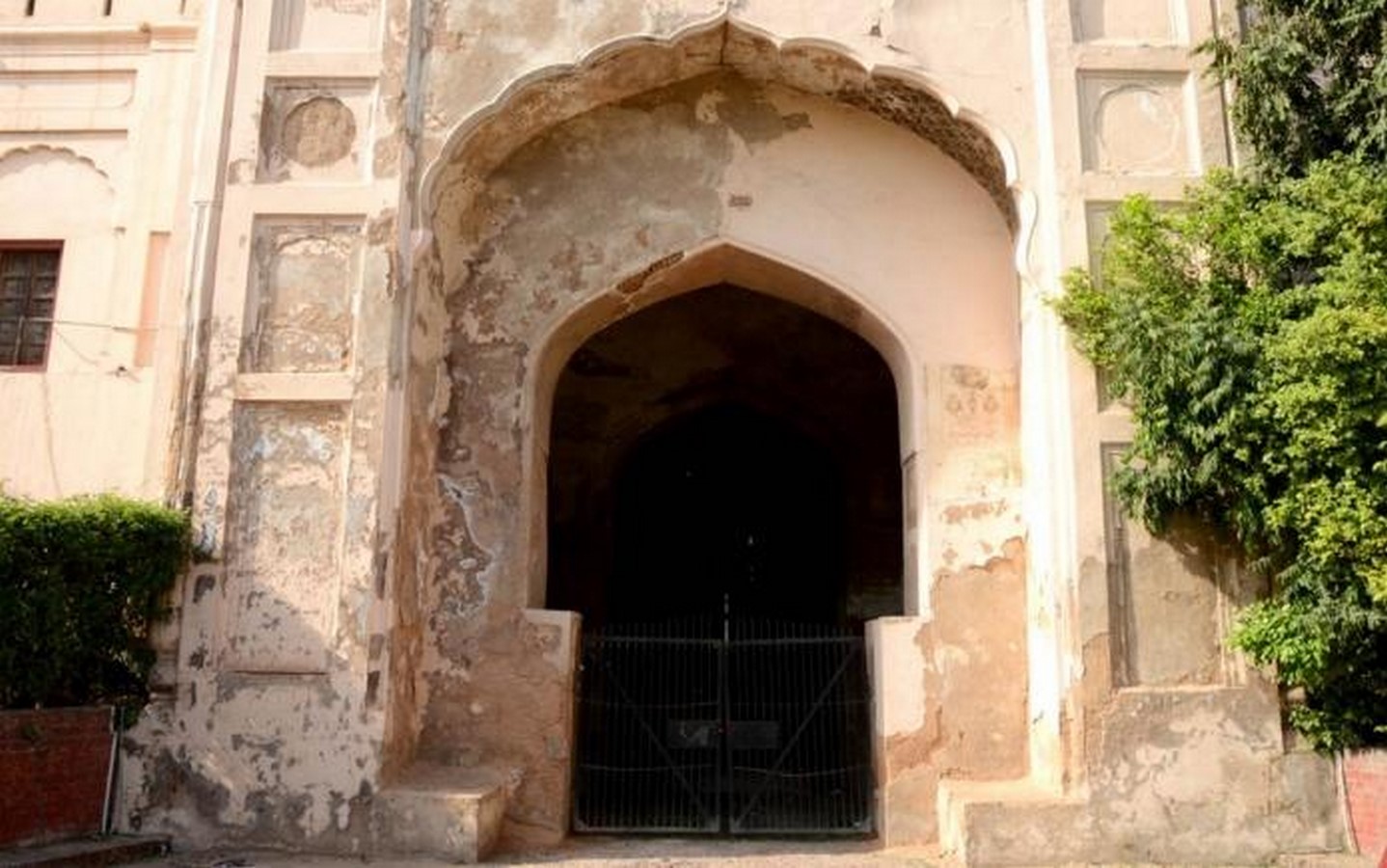
The walled city of Lahore caters to 13 different gates built with massive brick walls, comprising gates such as Delhi Gate and Lahori Gate built by the Mughal Emperor Akbar. Each gate was built with the intent to serve multiple purposes -some meant for trade, some meant for the king’s royal entries, and many more. The Walled City of Lahore Authority (WCLA) have stated that these gates were not just to wall the city but to protect its residents inside and to collect the taxes from merchants. These gates were meant to control the checkpoints and look after who is entering the city. (n.a,2024)
Life Inside: A Maze of Markets and Mystery
The walled city, viewed from a bird’s eye view, would not look less than a giant maze. These cities often grew over multiple decades without formal architects or maps; the streets don’t follow a straight grid, but they twist, turn, and sometimes end abruptly. For a newcomer to any walled city, it would be extremely easy to get lost in the city, whereas the people who live there are well familiar with every turn and landmark. The walled city, viewed from a bird’s eye view, would not look less than a giant maze. These cities often grew over multiple decades without formal architects or maps; the streets do not follow a straight grid, but they twist, turn, and sometimes end abruptly. For a newcomer to any walled city, it would be extremely easy to get lost in the city, whereas the people who live there are well familiar with every turn and landmark.
Living in these crowded cities usually meant being highly creative with architecture. Due to the wall surrounding the city, people could not build outside the boundary wall, but building over the existing structures was not a tough job. This way of building homes created a unique housing style where multiple generations of different families lived in one tall and narrow building. Due to the narrow streets, it was difficult to cater to vehicular movement, but the footsteps, bicycle bells, and people were loud enough to echo within the streets.
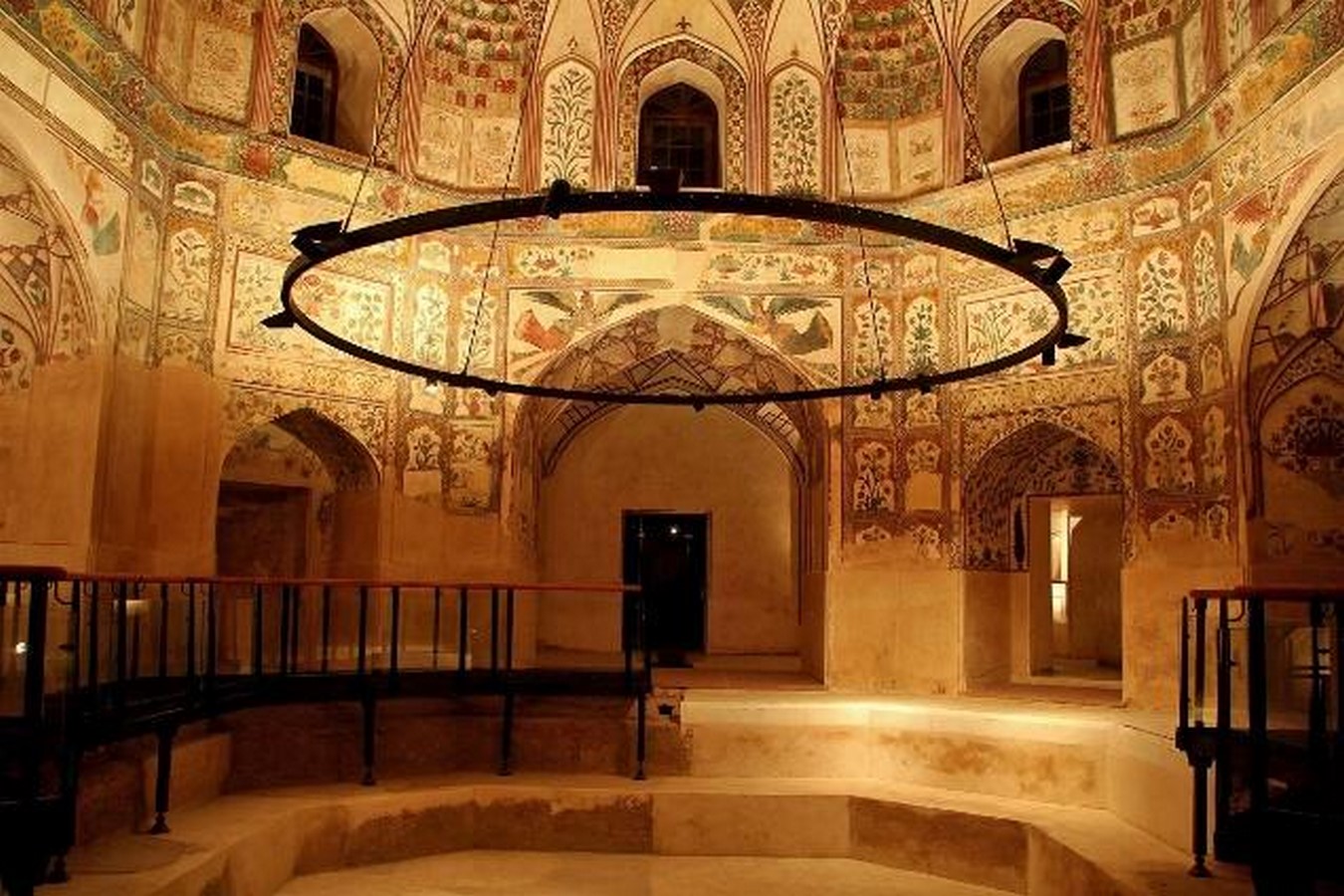
Walled cities always do not mean that people live in congestion, but sometimes it can be royalty as well. Lahore’s Havelis are also called the grand mansions that highlight how people lived in luxury despite the tiny, tight space. One of the very well-known Havelis, Shahi Hammam (Royal Bath), located near the Delhi Gate, built during 1635, highlights how the city has professionally managed the engineering for water and heating systems. During the research by the Aga Khan Trust for Culture, it is highlighted that these narrow streets, also known as “Gullies,” were designed to keep the city cool during the sizzling summer months by creating natural shade and wind tunnels. (n.a,2016)
Reference List for Context
- Aga Khan Development Network (AKDN) (2016) https://the.akdn/en/resources-media/whats-new/in-the-media/conservation-kudos-shahi-hammam-restoration-wins-unescos-award-merit
- Walled City of Lahore Authority (WCLA) (2023) https://walledcitylahore.gop.pk/the-13-gates-of-lahore-history-significance-updated-2023-2/
- Windwhistle (2026) https://lboroscuba.co.uk/10-most-stunning-walled-cities-in-the-world-a-travellers-guide/
Reference List for Images:
- Fig 1 , Fig 2, Fig 3 – n.a (2016 ) https://www.zameen.com/blog/thirteen-gates-lahore.html
- Fig 4 – n.a. (2022) https://the.akdn/en/resources-media/whats-new/in-the-media/conservation-kudos-shahi-hammam-restoration-wins-unescos-award-merit