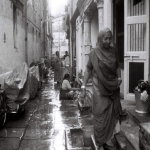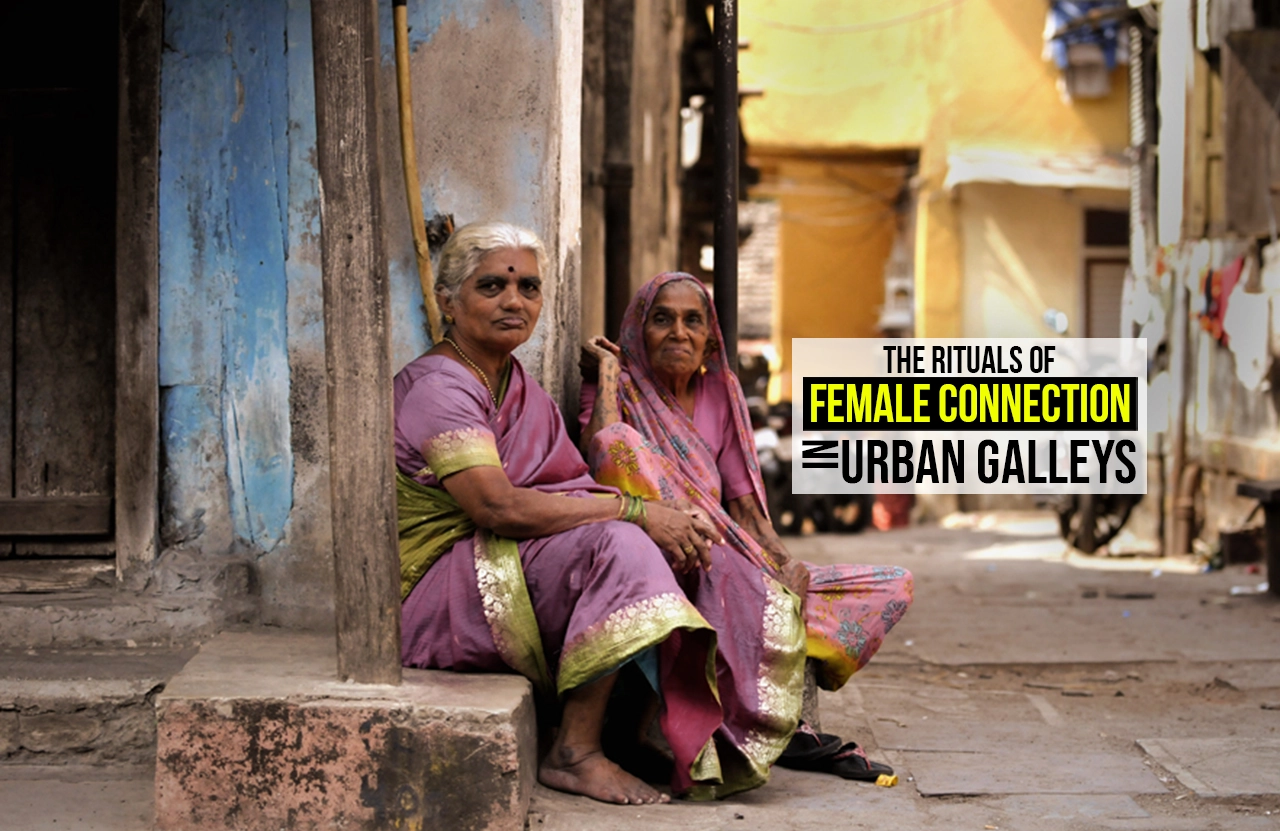
Cities are often evaluated based on their monumentality, open plazas, boulevards, promenades and landmark buildings. Urban discourse often overlooks the fact that the most meaningful social connections unfold in the narrow urban galleys (गली) – by the lanes, a narrow residential street, a shaded corridor or even at stepped thresholds. These are neither public nor entirely private spaces; they are negotiated somewhere in between.
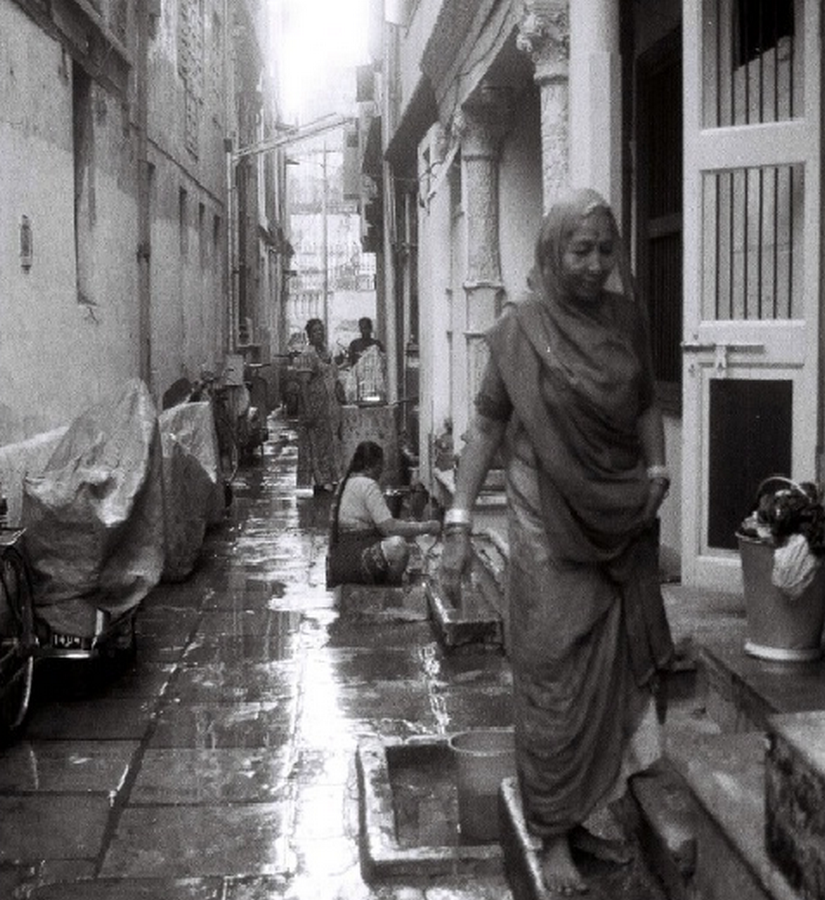
Traditionally, the Indian settlements like the pol houses of Ahmedabad, with its narrow, shaded lanes, have been the urban galleys that act like a micro social infrastructure. They are the core of social interactions. Everyday activities that are repeated and almost ritualistic build a network of familiarity, support and shared rhythm.
Importance of Rituals for Social Connections
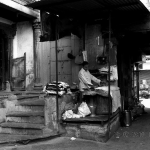
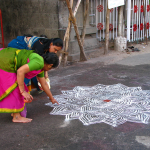
While these rituals might not be an organised gathering, they are subtle recurring acts, like buying vegetables at the same stall each evening, pausing at the doorstep to exchange news, waiting outside the school gate, sitting together during festival preparation, sharing an evening tea on a shaded otla and so on. A sense of familiarity and belonging is created with such repeating activities. These form connections that are important to make an urban galley a part of social interaction rather than just a passage.
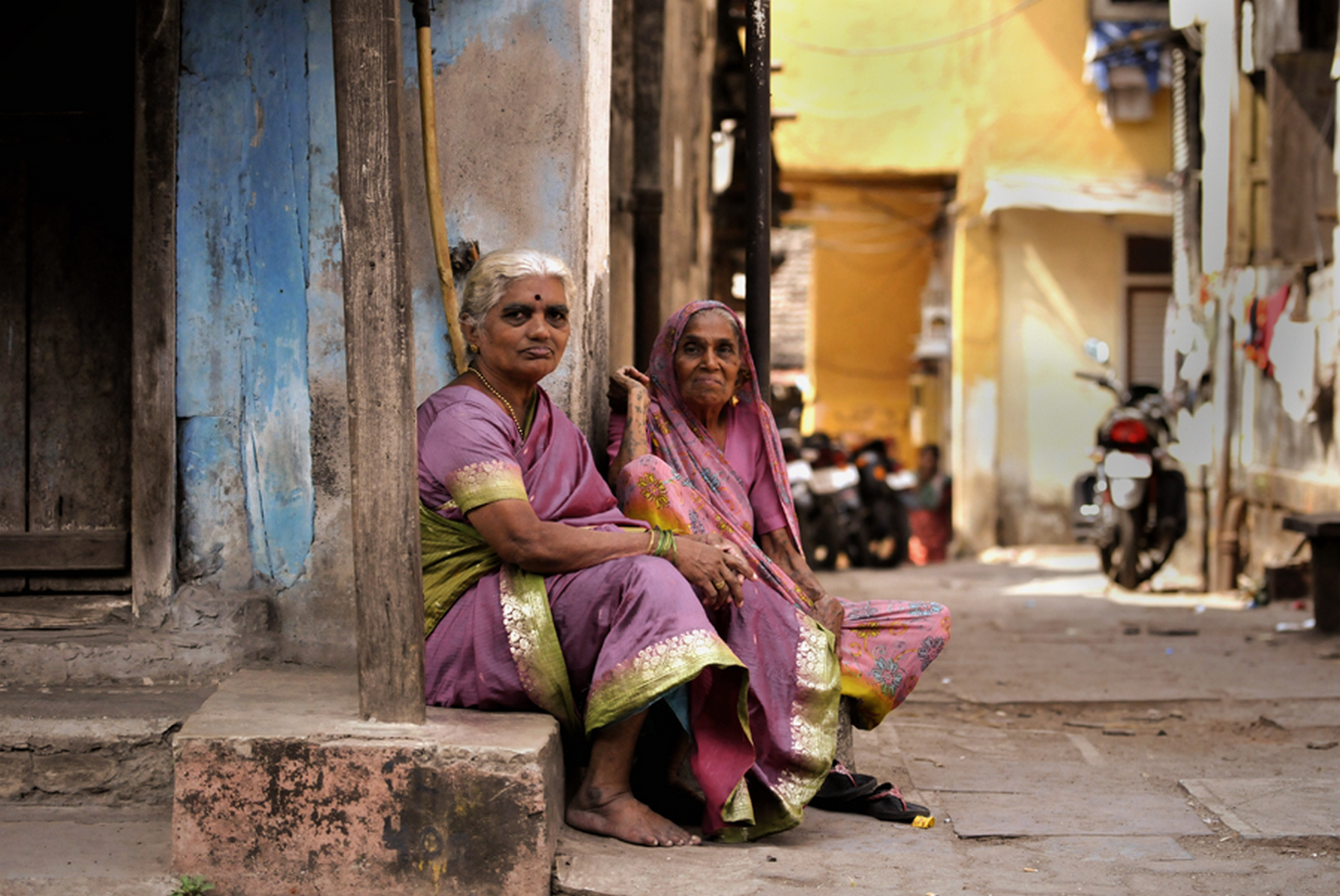
These everyday rituals also quietly support emotional, mental and social well-being in the increasingly dense urban environment. The familiarity of faces, predictability of interactions and reassurance of being able to ‘see and to be seen’ reduce the risks of urban isolation and helps individuals to feel socially anchored within their neighbourhood.
The Lane as Semi-Public Territory
Traditionally, urban galleys in India have been human-scaled. Their narrow width slows down movement, reduces vehicular access and increases visibility. The scale fosters face recognition and hence familiarity.
Unlike the wide arterial streets designed for flow and speed, these lanes allow for pause. They support spontaneous and quick interactions, standing, lingering, sitting and informal gathering. This pace is important for ritualised social interaction.
For women who have been historically associated with domestic life, the lanes are an extension of their homes without being a departure from them. Activities such as sorting vegetables, drying papad, supervising kids playing around, or making rangoli spill over the semi-public realm. The architecture here does not designate this use formally, but it supports it through proportions and proximity.
Thresholds as social interface
In the Indian context, Otla has been a significant element that fosters social interactions. It is elevated yet accessible, private yet outward-facing. It enables women to participate in street life without fully entering it. It allows for visuals while maintaining territorial control over the domestic boundaries. So you can probably overhear two aunties fighting over something interesting while you still have your evening tea in your space and gulp the gossip!
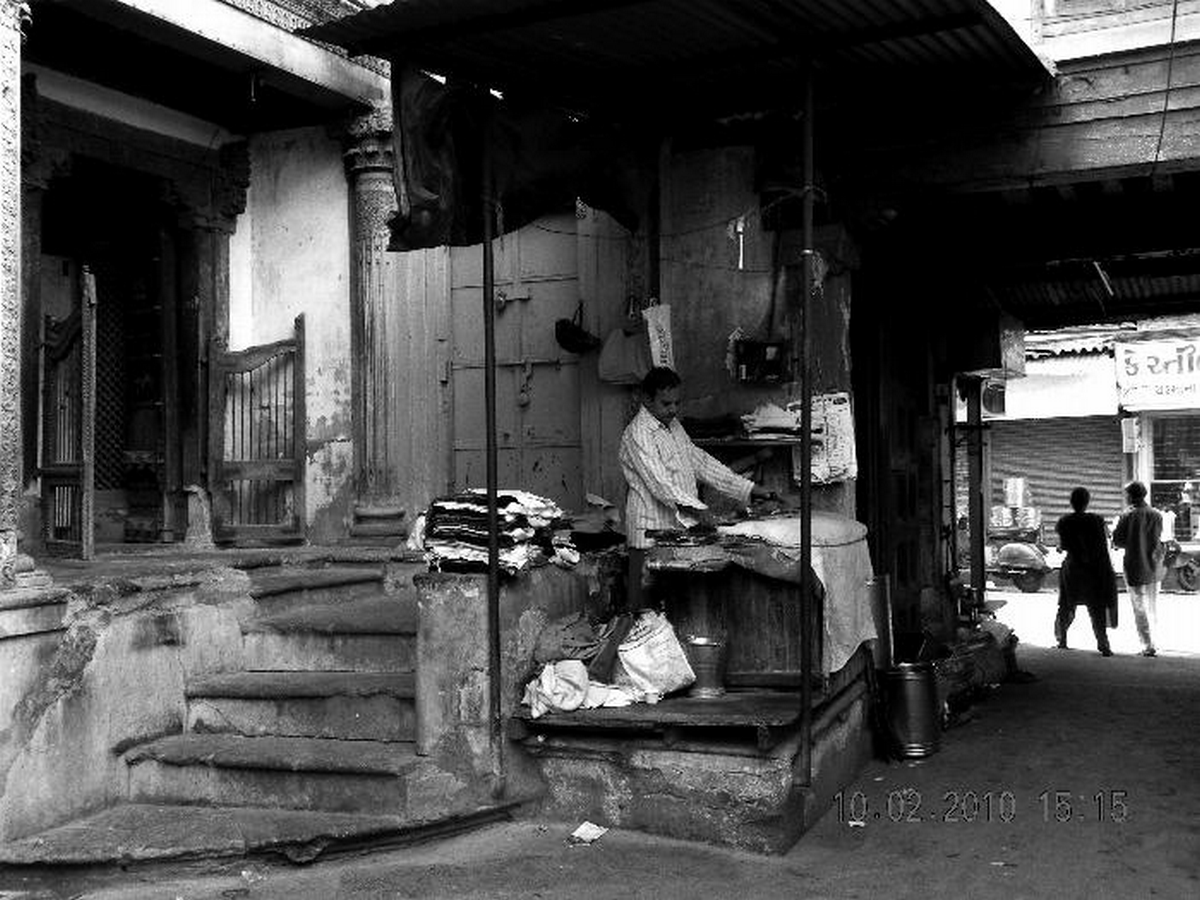
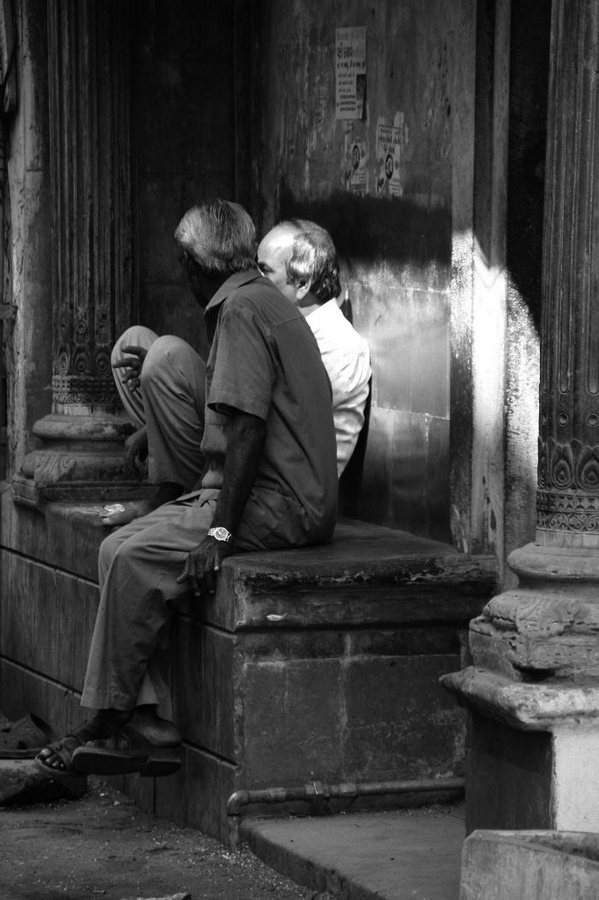
Such partially blurred lines of zoning are largely missing in most contemporary apartmental complexes. The circulation corridors in such cases are transient, and lobbies are neutral spaces lacking ownership. The social rituals become incidental rather than embedded.
Visibility and Safety Through Community
The visibility in such urban galleys caters to the space as natural surveillance. The idea of “ eyes on the street” by Jane Jacobs is particularly relevant here. Continuous overlooking by residents creates a shared sense of awareness and increases the perceived safety. Women sitting at the thresholds are both participants and observers of the street.
Safety associated with such galleys is both infrastructural and relational. It is the built mass that supports the activities, which in turn builds familiarity and social cohesion. The effectiveness of such a system also majorly depends on long-term habitation, shares sultural norms and social beliefs. The liberating character of these spaces is context-dependent.
Contemporary Displacement of Informal Networks
Modern housing typologies, especially the apartments. Often prioritises privacy and mechanical efficiency. The corridors are designed for transit and social interactions. Stilts on the ground floor cater to the parking, and the open spaces provided are centralised lawns rather than edge-based interfaces.
In such configurations, the spatial infrastructure that once supported the rituals of everyday activities diminishes. Without semi-private spillover zones that are connected to an individual’s house, the opportunities for spontaneous interaction reduce significantly.
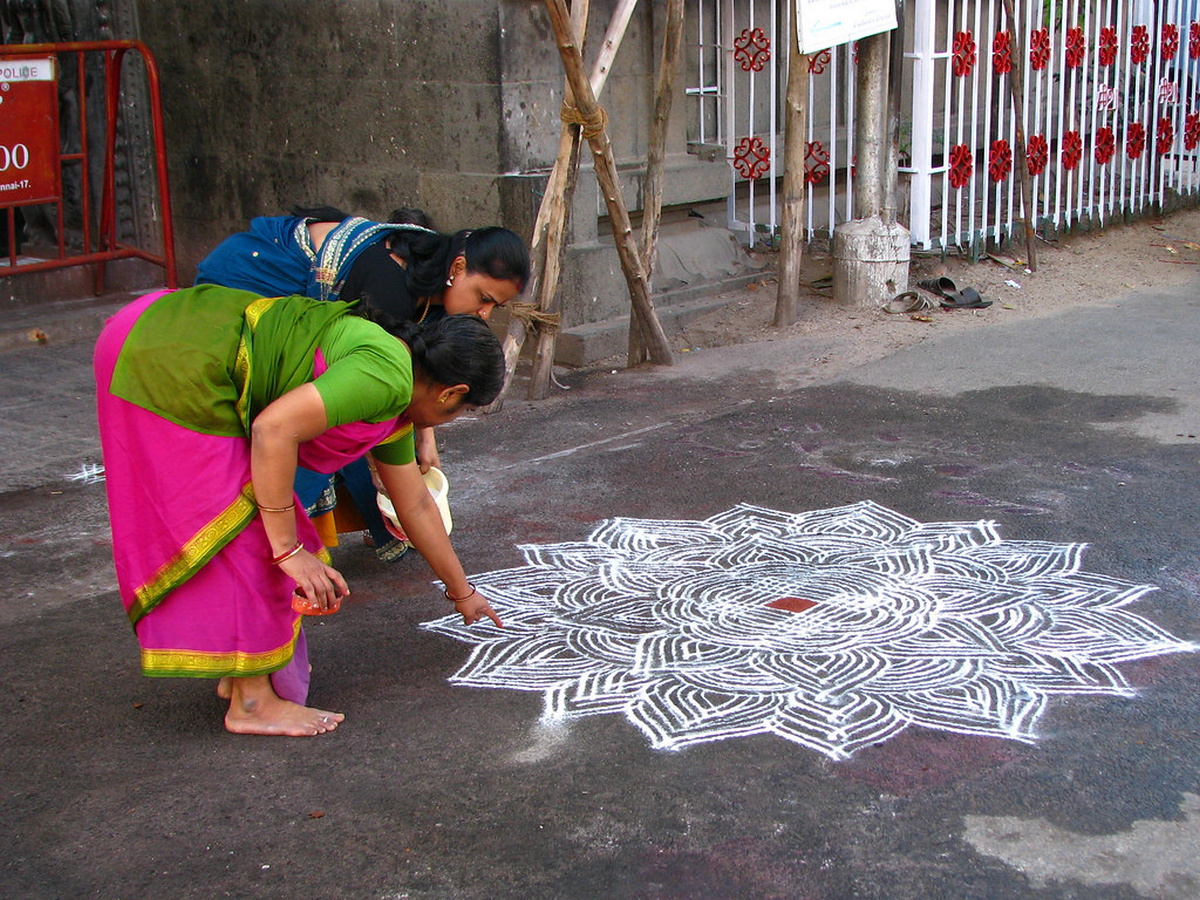
Though nothing can really completely eliminate the female connections altogether, it restructures them. Social binds move to a digital platform or schedule gatherings at some planned places rather than spontaneous interactions. What’s lost here is not the connection but definitely the urban character of the space, perceivedsafety, shared lived experiences and emotional, social and cultural support from the neighbourhoods.
The question then is not whether traditional lanes are ideal, but whether contemporary planning can reinterpret their principles- gradation, permeability, pedestrian scale, and threshold depth and adapt to them.
Urban Galleys as Informal Social Infrastructure
Urban Galleys are more than just circulation paths; in the case of settlements like the pol, they operate as distributed communal rooms. They are flexible and adaptive to different activities at different times of the day.
For women who are particularly within the domestic cultures, this ambiguity enables layered participation in public life. Such design considerations in contemporary practices have the potential to support mental, emotional and social well-being as well.
Urban galleys reveal that architecture’s role in fostering connections lies in the calibrated scale, permeablty and careful design of edges of spaces rather than the grand gestures or rigid planning and assigning of activities.
Refernces:
Gehl, J., 2010. Cities for People. Washington DC: Island Press.
Jacobs, J., 1961. The Death and Life of Great American Cities. New York: Random House.
Desai, M., 2012. Traditional Architecture: House Form of the Pols in Ahmedabad. Ahmedabad: CEPT University Press.