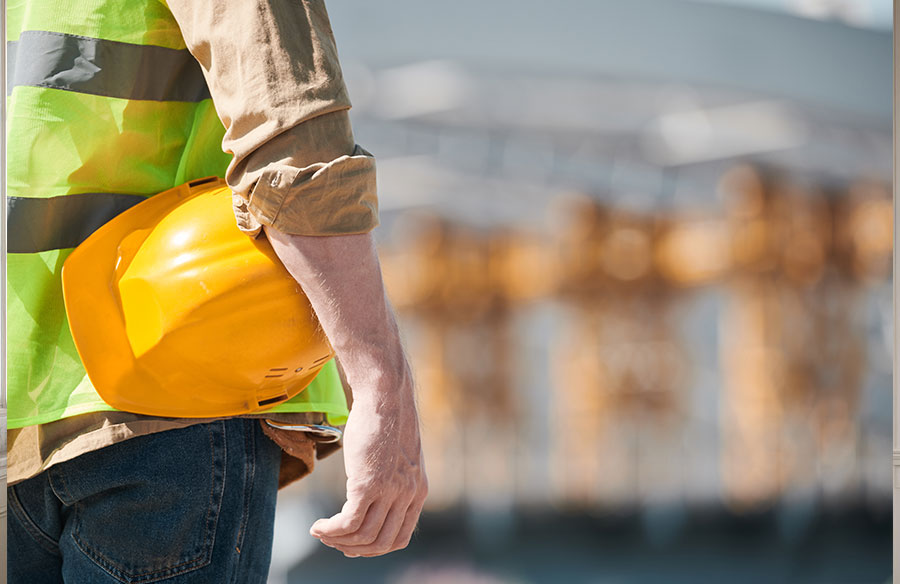
Construction sites are dynamic and even a little chaotic. There’s heavy machinery, there’s work being performed on elevated platforms, power tools in use, and dozens of workers all maneuvering through the same small spaces trying to get the job done right (and on time). Things go wrong every day. But those in the know, who’ve been through the ropes, will tell you that it’s not the sites with the most rules that is safest. Instead, it’s the one where workers have developed good habits for themselves and hold themselves responsible for their actions day in and day out.
It’s the small things that makes the safest difference and shift one’s mindset from being a passive rule follower to an actively aware safety controller. The difference comes with understanding that avoiding injury means doing one’s part for themselves and others to keep everyone safe. It’s the difference between having a career full of these near misses and those who go safe forever in construction.
Do a Walk-Through in the Morning Before Work
One of the unhealthiest habits on the construction site is skipping the morning walk through. Not everyone has time to get on the clock early or maybe they just want to jump right into projects. But taking 5 minutes to observe the conditions of the site before stepping into work can prevent problems that would have otherwise not been anticipated. Ground that was stable yesterday may have experienced rain and become slippery overnight. Tools left next to an edge overnight will tumble today if bumped. Materials used to build something yesterday may now be in walkways and unused.
The morning walk-through doesn’t have to be a formal inspection. It’s more of an experienced eye seeing what’s going on through intention. A slow walk through familiar sites to recognize the difference since yesterday, if there is any, to flag for proper today when work gets underway. If it takes 10 minutes and it works, might as well.
Know Your Equipment Before Operating It
Yes, this is easier said than done but within bustling construction sites, this should not be something workers joke about as they see coworkers cutting corners on busy sites. If an employee has yet to receive training on operating machinery, they should not be operating machinery. If they don’t know all the details about how something works, how it doesn’t work, blind spots, and limits, they’re going to be in trouble.
With construction sites being situated near difficult environments, it’s important for workers to take the time to assess information about what can help them — how machinery operates before stressing it out beyond limits. It’s also important to note things about hand tools that others might overlook — a missing blade, something loose — which can cause injuries later on.
Wear Your PPE Properly—Every Time
Unless PPE is worn well and supported every time it doesn’t help anyone. Hard hats, high visibility vests, steel capped boots, gloves — most construction sites have them set as standard; their workers are good about wearing them. However, there’s a tendency to slip when it comes to PPE as they’re more easily forgettable.
A hard hat slightly crooked doesn’t do much for anyone. In fact, improperly fitted gloves reduce grip and control while potentially still exposing hands to injury. Hearing protection omitted “for just a second” between loud noises adds up day by day. Eye protection often gets forgotten about during all of this.
Eye protection is one area that deserves particular attention. For workers who need vision correction, pairing standard safety frames over prescription glasses is uncomfortable and often leads to people skipping eye protection altogether. Investing in proper prescription safety glasses designed specifically for site work solves that problem cleanly. Workers get the protection they need without sacrificing comfort or compliance. When PPE is comfortable and fits well, people actually wear it. That’s the whole point.
When PPE is comfortable and fitted properly around these sites, workers are more likely to wear them — that’s the whole point!
Communication is Key for Safety
Many injuries or incidents occur on construction sites when something was misunderstood — a crane swings where someone thought it wouldn’t be; flooring is removed in one space while someone stands below, unaware of what’s happening; pipes are cut without any sense of direction for those in charge of fabrication nearby.
Communication is more than just good practices among workers, foremen and site supervisors; it’s creating a safe site. In order to communicate well, personnel need to speak up when something isn’t right or doesn’t look right and be aware when they are about to enter a location where another project is in line and it’s going elsewhere.
Good sites develop a culture in which speaking out isn’t seen as slowing work down; it’s welcomed and demanded. Thus those who avoid injury are often those who are proactive instead of reactive.
Keep Sites Clean
It’s far too easy to allow cluttered sites but debris does not need to make for standards at every turn. Materials pile up everywhere, off cuts are left behind or hoses/cables are in standard walkways without any thought of conscious awareness.
When sites are messy and cluttered, people trip over things and injuries occur due to slips, trips or falls because people don’t want to take an extra two seconds when they’re trying to do something in 2 minutes instead.
It’s better now than later; clean as you go instead of waiting for the end of the day when you’re tired and don’t want to do anything else anyway. Move materials once pieces are no longer needed; keep walkways clear and clear off cuts as needed immediately after they happen instead of keeping them there until later.
Take Breaks Seriously
Fatigue is one of the largest ways people get injured on construction sites, yet it’s never recognized as a risk factor. From long hours to hard labor from big, bulky projects outdoors under hard heat, working all day tires people out. When people tire out, they make mistakes — misjudging distances, being too slow on equipment that requires fast movements, skipping steps because they’re tired.
People shouldn’t feel bad about taking breaks; it’s almost worse from a respect standpoint if they don’t take breaks because that means they didn’t need them when looking at work quality expectations.
Breaking up the day with proper breaks allows people time away from stressors so they can practice due diligence with patience so that they can stay hydrated, fed and engaged within their spaces instead of letting their minds or actions fall elsewhere.
Safety in Mind for Long-Term Care
The safest construction workers understand that safety isn’t something imposed upon them as a rule; instead it’s part of doing good work overtime and is worth taking seriously for their own mental health.
Proper habits develop with best practice tools within extensive culture develop sites that prevent incidents from ever occurring until later on down the line when awareness becomes second nature; construction is skilled work.
The best construction workers understand this importance — coupled with personal investment translated into investment for people around them — adds up from day one.