Is your life full of stuff you don’t even use?
You’re not alone. People everywhere are ditching clutter for clean walls, empty shelves, and the elusive promise of peace. As rent climbs, attention spans shrink, and our lives drift online, minimalism isn’t just a trend—it’s becoming survival strategy, aesthetic, and lifestyle all rolled into one.
In this blog, we will share how minimalism is reshaping daily life and why it’s more than just throwing out your junk drawer.
From Full Closets to Clear Floors
The shift didn’t come out of nowhere. In a world jammed with notifications, ads, fast fashion, and a never-ending stream of “must-haves,” people started asking, what if I didn’t have it all? COVID sped things up. Remote work shrank lives into one-bedroom apartments. Suddenly, that storage unit didn’t seem worth it. The job, the wardrobe, the five-piece living room set—none of it made sense anymore.
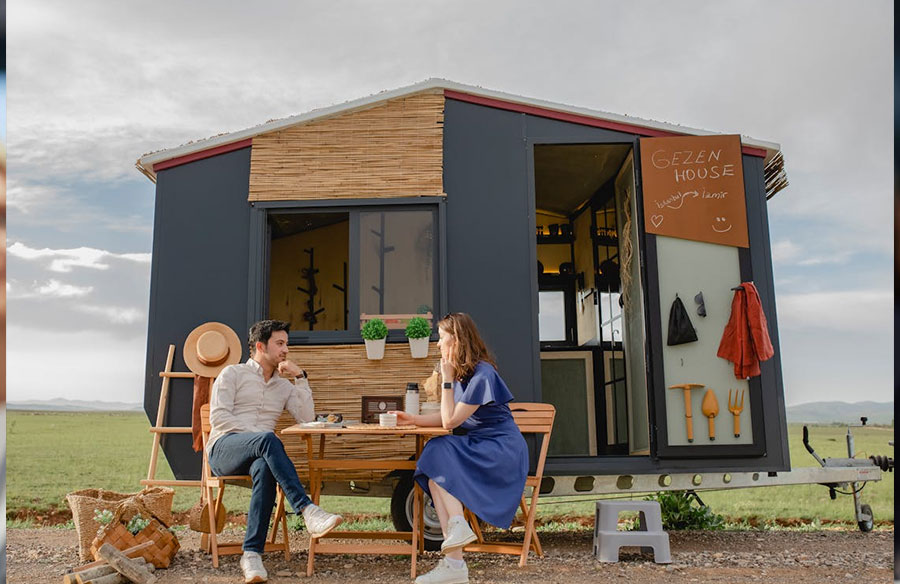
As housing prices pushed buyers out of traditional homes and into unconventional living setups, a quiet revolution formed. Smaller spaces, fewer things, less maintenance. People started trading square footage for sanity. Those beautiful tiny homes you see all over Instagram? Not just for the quirky or the broke anymore. Architects and builders are responding with sleek designs that blend form with strict function—hidden compartments, convertible furniture, every inch planned like a submarine. Less becomes more when every item serves a purpose.
Even in cities, developers are leaning in. Micro-apartments are popping up from Portland to Brooklyn. They’re tight but functional, often stacked with shared amenities. Storage becomes vertical. Kitchens shrink. What used to feel cramped now looks curated.
But this movement isn’t just about fitting into smaller homes. It’s about fitting into life with fewer distractions.
Your Brain Wants Less
Modern life exhausts people in ways past generations never had to think about. Information overload isn’t a metaphor—it’s biology. Studies from Stanford and the University of Sussex show that multitasking and constant digital stimulation shrink gray matter, jack up cortisol, and kill productivity.
So, in response, people are editing their environments. Blank walls don’t just look clean—they don’t steal focus. Fewer choices mean less mental drag. One sweater that fits beats five that don’t. A minimalist home isn’t just Instagram bait—it’s an actual way to recover bandwidth.
It’s the same reason people are leaving social media or switching to dumb phones. The goal is clarity, not deprivation. It’s an act of refusal: refusing to be manipulated by algorithmic feeds, impulse purchases, or a 24/7 news cycle.
And that refusal can be freeing. There’s an odd comfort in not being expected to keep up. Nobody needs to follow 50 influencers telling them how to decorate a coffee table when they’ve decided not to have one.
Minimalism Has Edges
Still, this isn’t a universally noble movement. Like any cultural shift, minimalism has contradictions. Some folks shell out thousands for “artisanal minimalism.” $300 linen sheets, monochrome wardrobes curated by stylists, stone sinks carved in Italy. Owning less has become its own flex.
Even the digital world reflects this irony. There’s no shortage of content teaching people how to be minimal—YouTubers with sparse white walls and perfectly placed succulents filming hour-long breakdowns of what they don’t own.
And yet, under the gloss, a deeper truth sticks. Minimalism appeals because people are drowning in noise. Buying less, doing less, owning less—it’s not just style. It’s resistance. It’s a way of saying no without shouting.
Minimalism and the Planet
Then there’s the environmental piece. Owning less means consuming less. That lines up with younger generations who don’t just think sustainability is important—they assume it. Climate anxiety isn’t a niche concern anymore. It’s shaping how people eat, shop, and live.
Minimalism aligns naturally. Fewer clothes = fewer factory emissions. Smaller homes = less energy. One pot, not six = less waste. Even digital minimalism helps, since data centers powering your endless scroll are serious polluters. Every unsent email, every skipped Netflix binge, counts.
It’s not perfect—some folks buy minimalist gear made halfway across the globe, packed in plastic—but it’s a step. The fewer, better mindset is catching on. And when people stop buying for dopamine, they start buying with intention.
Minimalism, for all its trends and contradictions, comes down to control. People want control over time, space, focus, and money. They’re tired of being told what to want and tired of cleaning things they didn’t want in the first place. The pursuit of less is, at its best, a quiet rebellion against the idea that more is always better.
And while not everyone’s living in a 300-square-foot container home, more people are asking the same question: What if I just didn’t need all this?
In a noisy world, minimalism doesn’t scream. It clears its throat, quietly, and walks out of the room.