Architectural ideas have rarely remained confined to the places where they originate. Concepts about form, function, efficiency, and spatial order have travelled across borders through texts, education, exhibitions, and professional practice. Over time, many of these ideas have come to be described as global, suggesting a universality that transcends geography and culture. Yet architecture is ultimately realised not in theory, but in place. When ideas move, they encounter climate, social life, construction systems, and everyday use that reshape their meaning.
Global Architectural Theory often presents frameworks that aim for broad applicability, offering principles that can be adapted across contexts. However, the moment these frameworks meet lived realities, they are interpreted rather than applied directly. The distance between abstraction and practice becomes visible. What emerges is not a rejection of theory, but a process of translation, where ideas are negotiated through local conditions and priorities.
Viewed through this lens, the Indian context offers a particularly rich ground for understanding how architectural theory circulates. Its diversity of climate, density, social structure, and building practices reveals how global ideas are absorbed, modified, and sometimes quietly challenged. Architecture here becomes a dialogue between inherited theory and situated experience, allowing global discourse to evolve through grounded interpretation.
Global Architectural Theory and the Question of Universality
The ambition behind much architectural theory has been to identify principles that transcend context. From modernist ideas of efficiency and rational planning to later frameworks addressing sustainability and urban order, theory has often sought universal relevance. These approaches emerged from a desire to systematise design, allowing architecture to respond to rapid urbanisation, technological change, and social transformation across regions. In doing so, theory positioned itself as a tool that could travel, offering shared language and methods for practice worldwide.
Yet the idea of universality carries inherent tension. Architecture does not exist in abstraction. It is shaped by climate, material availability, labour systems, and patterns of everyday life. When global frameworks are translated into built form, their assumptions are tested by realities that resist standardisation. This does not diminish their value, but it reveals their limits. Universal ideas often require adjustment, negotiation, and reinterpretation to remain relevant beyond their original contexts.
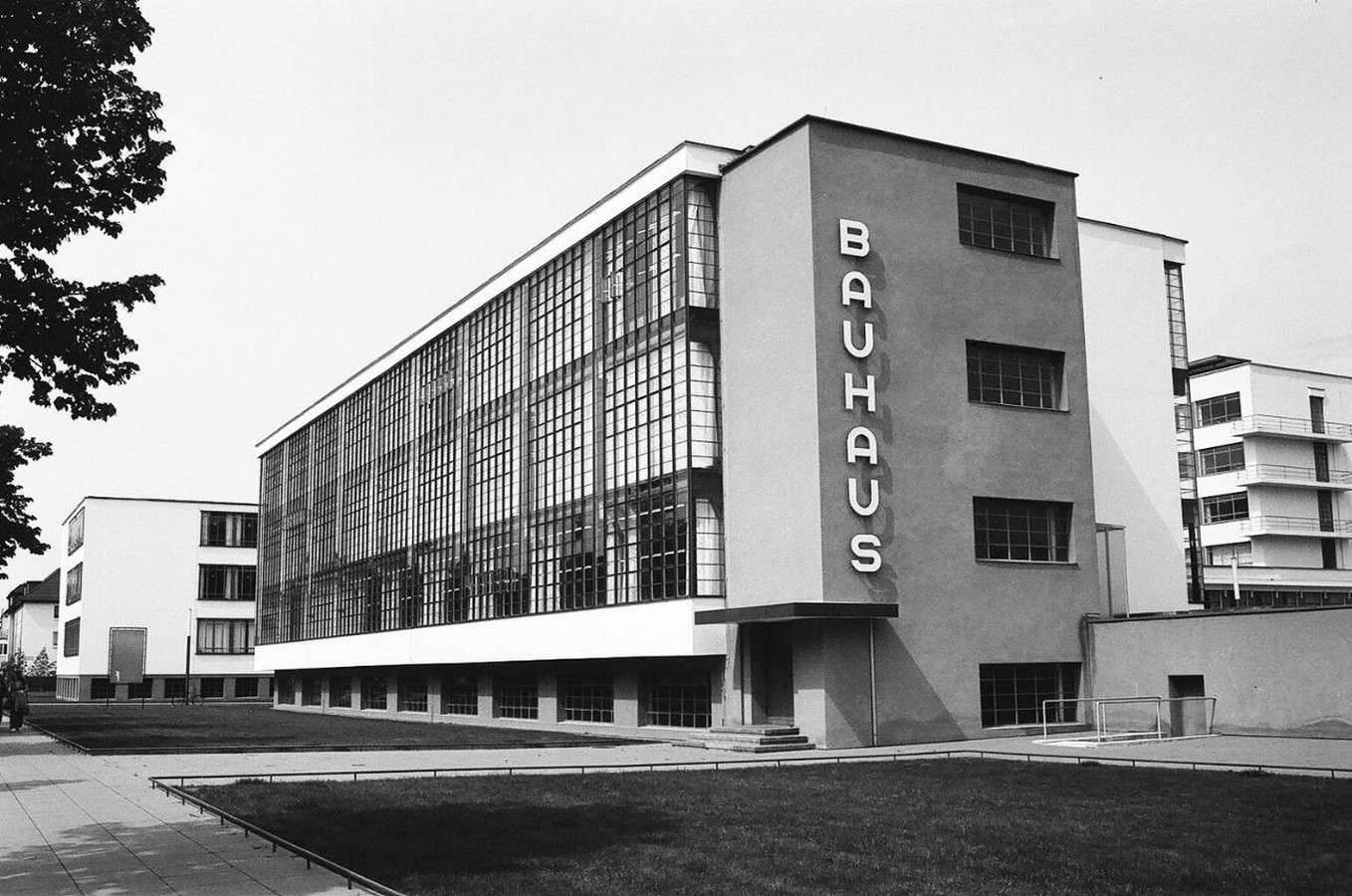
Global Architectural Theory therefore functions less as a fixed set of rules and more as a flexible field of ideas. Its strength lies in its capacity to adapt, rather than in its claim to sameness. The question is not whether such theory can be applied everywhere, but how it changes when it encounters different social, environmental, and cultural conditions. This shift from application to interpretation sets the stage for understanding how theory evolves through place.
Circulation, Translation, and Context
Architectural theory does not move as a fixed package. As ideas circulate across geographies, they are interpreted through local conditions rather than replicated wholesale. Scholars such as Anthony D. King have noted that architectural knowledge travels through education, professional networks, and global discourse, but is reshaped by the social and material realities it encounters. Theory, in this sense, is not simply transferred. It is translated.
This process of translation operates at multiple levels. Culturally, ideas are filtered through local values, habits, and spatial practices. Practically, they are negotiated through climate, construction methods, labour systems, and economic constraints. Thinkers like Arjun Appadurai have described global ideas as flows rather than fixed doctrines, suggesting that meaning is produced through movement and reinterpretation. In architecture, this means that theoretical frameworks evolve as they are absorbed into new contexts, often taking forms that diverge significantly from their original intentions.
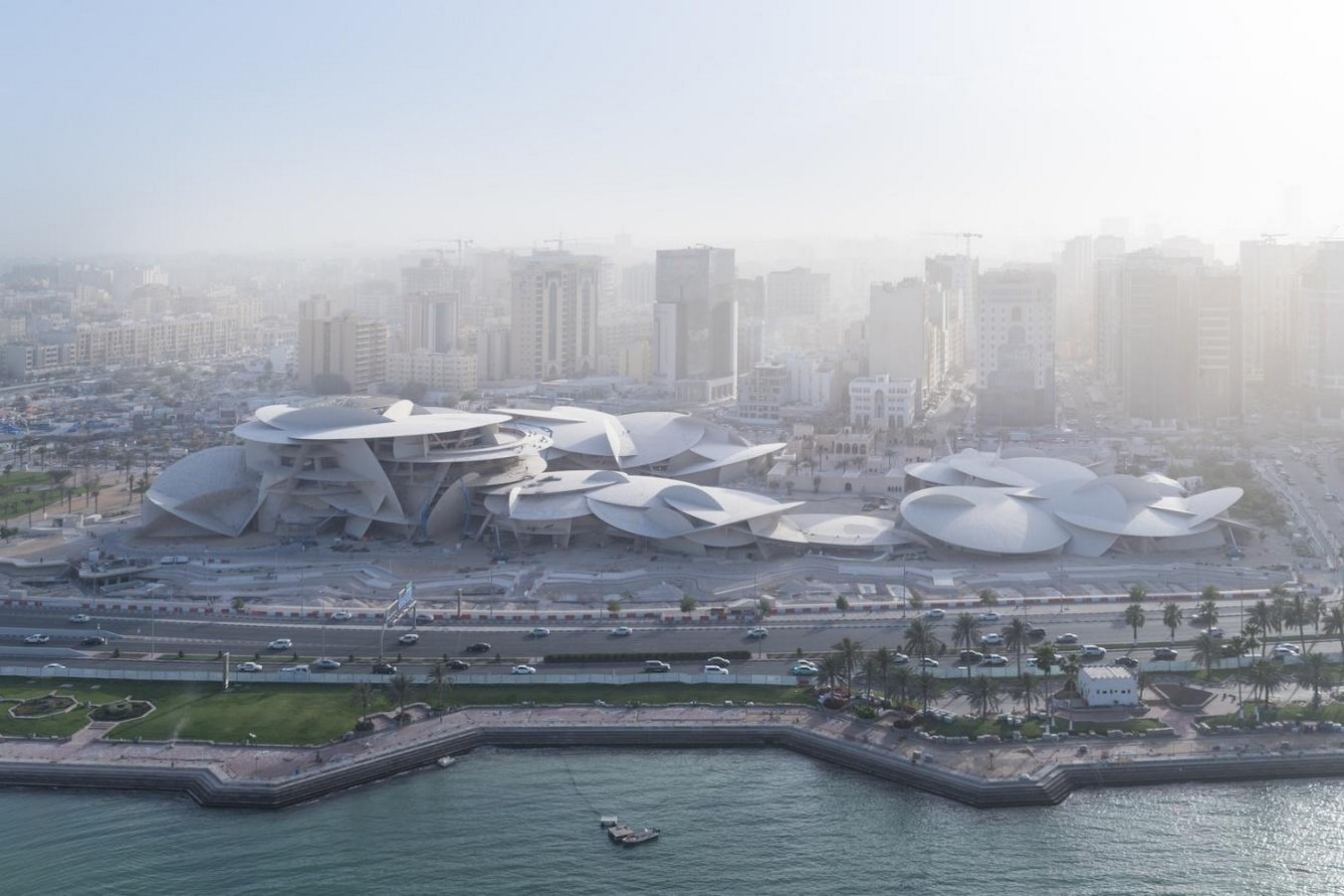
Within this circulation, Global Architectural Theory gains relevance not through uniform application but through its capacity to adapt. Its concepts remain influential precisely because they are open to modification. Context does not weaken theory. It tests and extends it. Understanding this dynamic allows architecture to be read as a continuous exchange between global ideas and local realities, rather than a one-directional transmission of knowledge.
The Indian Condition as a Site of Interpretation
The Indian context presents a set of conditions that immediately complicate universal architectural assumptions. Climate and density operate together rather than separately, shaping how buildings are planned, constructed, and inhabited. Heat, monsoon cycles, and intense sunlight demand spatial responses that prioritise shade, ventilation, and thermal moderation. At the same time, high density and mixed-use patterns require architecture to negotiate proximity, informality, and continuous occupation. These realities act as filters through which global ideas are interpreted rather than adopted.
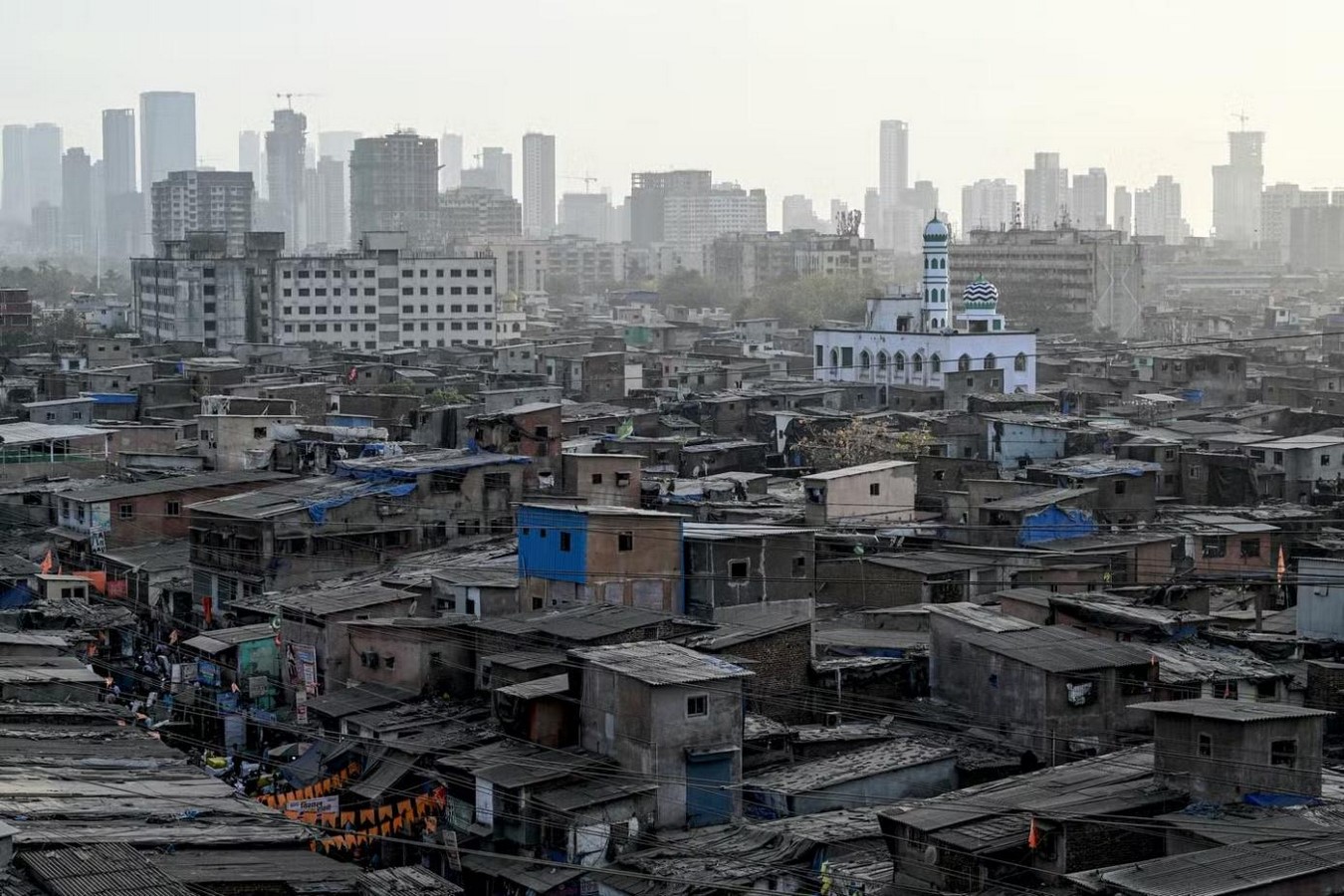
Within this environment, architectural responses often emphasise adaptation over purity. Concepts associated with modern planning or efficiency are adjusted to accommodate informal use, social overlap, and incremental growth. Theoretical positions that argue for context-sensitive design, such as those discussed by Kenneth Frampton, find particular resonance here, not as stylistic choices but as practical necessities. Climate responsiveness and material intelligence become embedded within everyday building practices rather than articulated as abstract principles.
Seen through this lens, Global Architectural Theory encounters a productive tension. Indian conditions do not negate theoretical frameworks, but they reshape them through lived realities. This interpretive process becomes clearer when examined through specific works and practices, where theory is neither fully preserved nor discarded, but reworked through building, use, and time.
Case Reflections: Theory Reworked in Practice
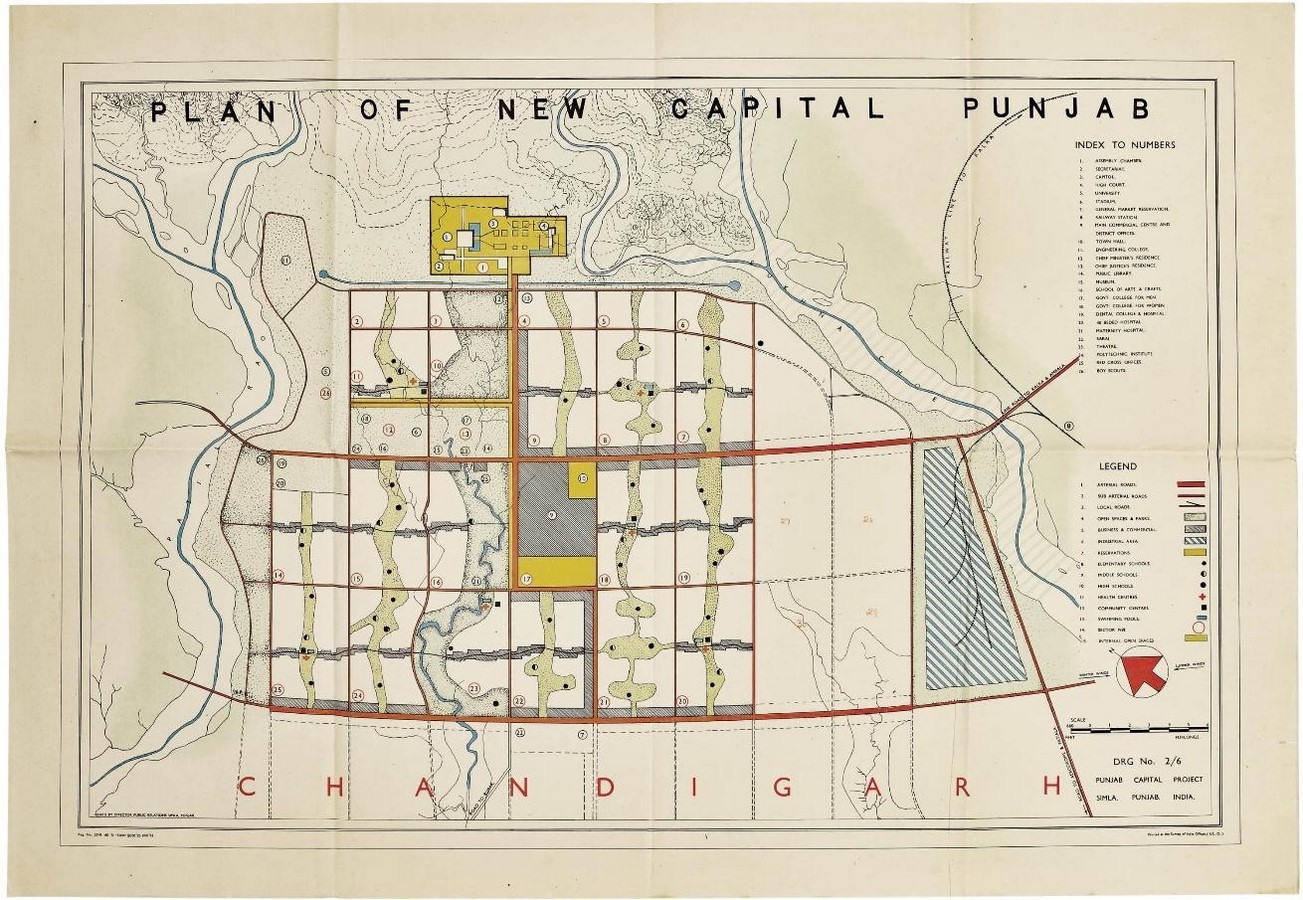
Among many projects, Chandigarh offers one of the clearest examples of the encounter between global architectural theory and Indian reality. Conceived through modernist principles and designed under the guidance of Le Corbusier, the city embodies universal ideas of order, zoning, and rational planning. Yet over time, everyday life in Chandigarh has adapted these ideals. Streets, sectors, and public spaces have been reshaped through informal use, climate-driven modification, and social occupation, revealing how theory continues to evolve after construction.
A more interpretive engagement with theory can be seen in the work of Balkrishna Doshi, whose practice demonstrates how modernist ideas were absorbed and transformed rather than replicated. Influenced by global discourse yet deeply rooted in Indian conditions, Doshi’s projects engage climate, social interaction, and incremental growth as design drivers. His approach reflects an understanding that theory gains relevance through flexibility and responsiveness rather than strict adherence.

Institutions such as CEPT University further reinforce this process of reinterpretation. Here, architectural education has long engaged global theoretical frameworks while grounding them in local climate, material practices, and modes of construction. Across these examples, Global Architectural Theory is not applied as doctrine, but reshaped through practice, use, and time, revealing how built work becomes an active site of theoretical evolution.
Informality, Practice, and the Limits of Abstraction
Informality is often positioned outside architectural theory, treated as an exception rather than a system. In the Indian context, however, informal processes shape cities at multiple scales, from housing and street life to patterns of occupation and construction. These realities challenge theoretical models that rely on fixed use, formal order, and complete control. Architecture here is rarely static. It is adjusted, extended, and reinterpreted through everyday practices that blur the boundary between planned and lived space.
Within professional practice, this condition requires constant negotiation. Design intent must accommodate change, adaptation, and shared authorship, where buildings evolve beyond their original frameworks. Abstract theoretical ideas encounter the unpredictability of social life, labour, and economic constraint. Rather than undermining theory, these encounters reveal its limits and open possibilities for recalibration. Theoretical clarity gives way to responsiveness, where architecture is understood as a process rather than a finished object.
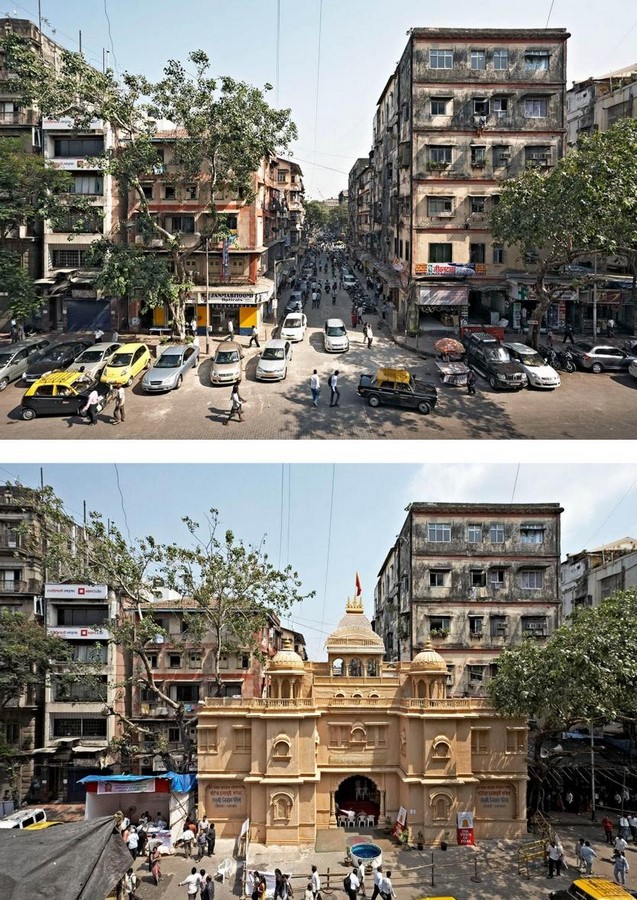
Scholars such as Rahul Mehrotra and Ananya Roy have described informality not as disorder, but as an organising logic shaped by context and necessity. When read alongside practice, these ideas suggest that Global Architectural Theory must remain open-ended. Its relevance lies not in abstraction alone, but in its ability to engage with the dynamic realities of everyday urban life.
From Global Theory to Shared Knowledge
Seen through the Indian context, architectural theory reveals itself as a living body of knowledge rather than a fixed framework. As ideas circulate, they are tested by climate, density, social life, and construction realities that demand interpretation rather than compliance. What emerges from this process is not a diluted version of global thinking, but an expanded one. Indian practice demonstrates how theory gains depth when it is negotiated through place, use, and time, allowing abstraction to engage with lived reality.
This interpretive process positions India not merely as a receiver of ideas, but as an active contributor to architectural discourse. The ways in which modernist principles have been adapted, how informality has been understood as a system, and how climate-responsive design has been embedded into everyday practice all add layers of knowledge that extend beyond national boundaries. In this sense, Global Architectural Theory evolves through dialogue, shaped as much by local realities as by universal ambitions.
Rather than reinforcing a centre–periphery model of knowledge, this exchange suggests a more shared intellectual terrain. Architectural theory becomes richer when it remains open to reinterpretation, and more relevant when it is grounded in diverse contexts. Viewed this way, the Indian lens does not narrow global discourse. It broadens it, contributing insights that are increasingly vital to how architecture is thought, taught, and practiced in a connected world.
Appadurai, A. (1996) Modernity at Large: Cultural Dimensions of Globalization. Minneapolis: University of Minnesota Press.
Frampton, K. (1983) ‘Towards a Critical Regionalism: Six Points for an Architecture of Resistance’, in Foster, H. (ed.) The Anti-Aesthetic: Essays on Postmodern Culture. Port Townsend: Bay Press, pp. 16–30.
King, A.D. (2004) Spaces of Global Cultures: Architecture, Urbanism, Identity. London: Routledge.
Prakash, V. (2002) Chandigarh’s Le Corbusier: The Struggle for Modernity in Postcolonial India. Seattle: University of Washington Press.
Doshi, B.V. (2011) Paths Uncharted. Ahmedabad: Indian Institute for Human Settlements.
Mehrotra, R. (2021) The Kinetic City and Other Essays. Berlin: Architangle.
Roy, A. (2005) ‘Urban Informality: Toward an Epistemology of Planning’, Journal of the American Planning Association, 71(2), pp. 147–158.