Vacation homes are supposed to support rest and relaxation while people take a break from daily life. At first glance, it seems like any beautiful home has potential if it’s big enough and has the right features. Millions of people use Airbnb to book their vacation accommodations and they seem to enjoy their stays.
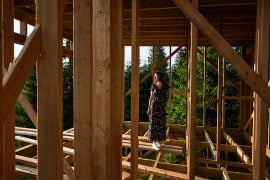
But while amenities like pools, hot tubs, smart TVs, free coffee, and Wi-Fi are often the primary focus of marketing efforts, research in hospitality design shows that architecture plays a greater role in shaping how guests feel during their stay. The spatial layout, lighting, acoustics, and material choices determine whether a space feels calm or chaotic. When a vacation home is architecturally indistinguishable from a primary residence, the experience is unremarkable. Purposeful design is what creates a genuine sense of escape.
Architectural design supports psychological detachment from daily life
Most people who take a vacation are looking to detach from the daily stress of routines, work, and personal responsibilities. The right architecture can shape the sensory cues that make this possible. For example, something as simple as spatial zoning reduces mental fatigue and stress. Vacationers need a clear separation between areas made for sleeping, socializing, working, cooking, and private retreat. Most residences converted into vacation rentals lack this feature. Although most guests aren’t consciously aware of the issue, it will impact their stay.
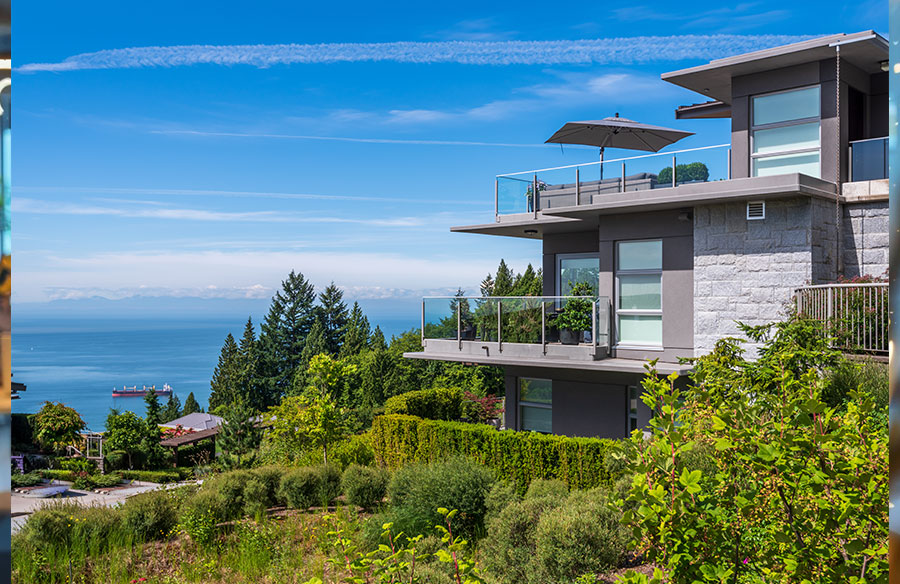
Some of the best vacation homes are revered because they were built specifically for vacations. They feature large walk-out patios and decks, balconies on multiple levels, large resort-style pools, vaulted ceilings, a bathroom in every bedroom, and the interiors are designed for luxury.
Architecture also plays a role in creating a novel environment, which increases the restorative impact of sleep and relaxation. Studies have found that many people sleep better in unfamiliar environments, and novel spatial environments in particular are ideal. Architecture with features that deviate from typical housing norms like vaulted ceilings, unconventional layouts, and integrated outdoor spaces signal this difference to the brain. This allows for a greater sense of peace.
Layout matters more than square footage
Many vacation rentals advertise square footage but spatial efficiency matters more. Poor interior layouts create bottlenecks that contribute to conflict and stress when sharing accommodations with a group. Standard homes are typically built for storage and privacy rather than social flow. When a vacation home is just a converted house, no matter how large, it can negatively impact the guest experience.
That doesn’t mean open floor plans are automatically ideal. These floorplans need to be intentional to work. Poorly designed open spaces can actually increase stress depending on what they’re being used for. Intentionally designed vacation homes might include an open floor plan, but they also use partitions, sightline control, and acoustic zoning to make it work. They also minimize cross-traffic through living zones to support uninterrupted rest.
Lighting is a key part of architecture
When you think about architecture, you might not include lighting but lights actually play a central role in shaping the overall look and feel of a space. Natural light and the building’s orientation impact circadian rhythms, mood, energy levels, and motivation. All these factors impact how restorative a vacation feels.
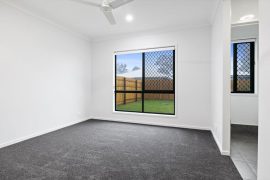
Daylight exposure improves sleep quality. Well-designed vacation homes maximize the influx of natural light through the windows and are oriented to allow natural sunlight to hit the decks and patios.
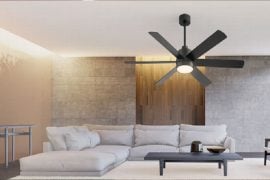
Artificial lights can’t replicate the quality of layered lighting. Overhead lights make a space feel dim, flat, and small. Layered lighting improves comfort. The best vacation homes use natural daylight and indirect artificial light together.
Views influence perceived value and wellbeing
Satisfaction increases when guests can look out the window or stand outside and see nature even during short stays. It’s the building’s architecture that makes this possible. A home could provide all the best amenities in the world, but if it hasn’t been built to create views of nature, it’s not going to have the same effect.
Architecture directly impacts acoustics
Many guests complain about noise in a vacation rental, and while nobody can control the neighborhood, intentional architecture can shape the acoustics inside. Thin walls and hard surfaces contribute to disruptive noise, while soft finishes, high ceilings, and specific room geometry can significantly reduce noise transmission.
Architecture creates the foundation for the guest experience
Amenities can be nice, but architecture matters more. The ability to disconnect and rest is determined by the spatial layout of a home along with the lighting, acoustics, and flow. Vacation homes built with intention create an environment that feels restorative the minute a guest walks in the door.