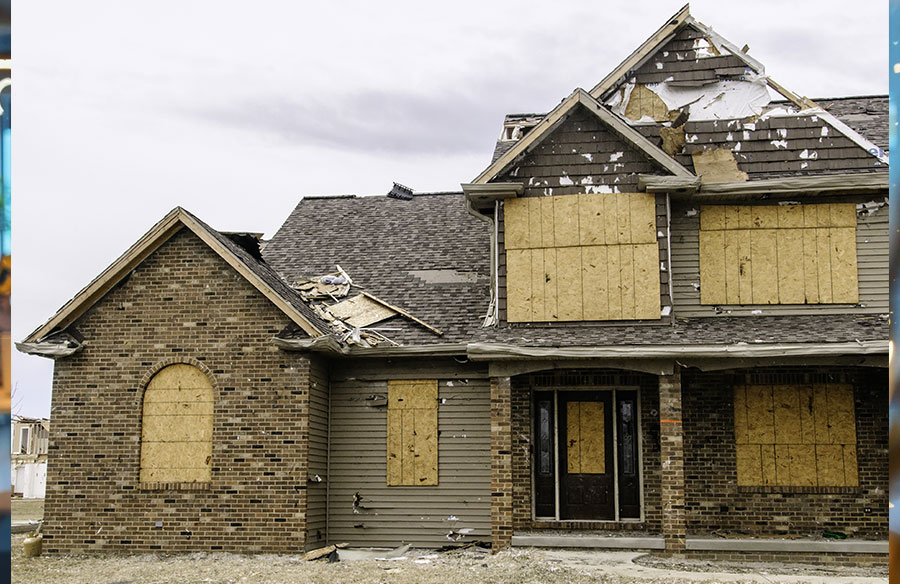
Not long ago, fixer uppers were a staple of the housing market. They attracted first-time buyers looking for affordability, investors chasing upside, and homeowners willing to trade inconvenience for long-term equity. Today, that formula isn’t working the way it used to. In many markets, homes that clearly need work are sitting longer, attracting fewer offers, or selling only after significant price reductions.
According to a Rocket Mortgage® survey of first-time home buyers, today’s buyers are far less interested in taking on major renovation projects, even when fixer uppers appear cheaper on paper. That change in buyer sentiment helps explain why these homes are struggling — and why the issue goes deeper than simple pricing.
The Price Gap No Longer Feels Like a Bargain
Historically, fixer uppers sold because the discount felt worth the effort. Buyers accepted inconvenience in exchange for a meaningful price break. That gap has narrowed; renovation costs have climbed, while list prices for fixer uppers often haven’t adjusted enough to reflect the true cost of bringing a home up to modern standards. When buyers mentally add repair estimates to the purchase price, the deal quickly stops feeling attractive. A house that looks cheaper upfront can feel more expensive once reality sets in.
Buyers Are Mentally “Priced In” to Renovation Stress
Fixer uppers don’t just require money. They also require patience, coordination, and resilience. Many buyers today actively want to avoid the stress associated with managing contractors, navigating permits, and living through construction. Even buyers who could afford renovations often don’t want the emotional overhead. That aversion affects demand, so when buyers scroll listings, homes that clearly need work are skipped before they’re fully considered.
Move-In Ready Has Become the Baseline, Not a Luxury
What used to be considered a premium feature, like updated kitchens, modern bathrooms, and functional layouts, is now often viewed as a baseline expectation. Buyers compare fixer uppers not just to similarly priced homes, but to polished, move-in-ready listings nearby. Even if those homes cost more, they feel safer and easier. Fixer uppers aren’t competing against other fixer uppers anymore; they’re competing against homes that require nothing.
First-Time Buyers Are Driving the Market (and They’re Saying No)
First-time buyers make up a significant share of demand in many markets, and their preferences matter. As for modern first-time homebuyers, many are entering the market later in life, with established careers, families, or tighter schedules. They’re less willing to tolerate extended disruption, especially right after purchasing a home. When the largest buyer segment isn’t interested, properties struggle to move.
Financing Complicates the Fixer Upper Equation
Fixer uppers often come with financing challenges. Homes with significant issues may not qualify for certain loan programs without repairs. Even when renovation financing is available, it adds complexity, paperwork, and uncertainty. For buyers already navigating inspections, appraisals, and closing timelines, that extra layer can be enough to push them toward simpler options. Ease of financing influences perceived risk.
Inspection Reports Are More Intimidating Than Ever
Buyers today are highly inspection-aware. Detailed reports, combined with online education and social media horror stories, have heightened sensitivity to defects. A long list of issues (even fixable ones) can scare buyers away. What an experienced investor might view as manageable, a first-time buyer may see as overwhelming. These inspection findings play a major role in walking away from properties that need work.
Labor Shortages Make Renovations Feel Unpredictable
Even motivated buyers face a practical obstacle: getting the work done. Skilled labor shortages mean longer wait times, higher bids, and limited availability. Buyers can’t always line up contractors quickly, which makes renovation timelines feel open-ended. This uncertainty kills momentum, especially for buyers who want stability.
Fixer Uppers Clash With the “Forever Home” Mindset
The traditional path (starter home, then upgrade) has changed. Many buyers now expect their first purchase to last much longer. Today, more buyers are looking for homes that meet their needs for the foreseeable future. A fixer upper that requires years of work feels misaligned with that goal. Buyers want homes that support their lives now, not projects they’ll outgrow mid-renovation.
Sellers Are Often Anchored to Yesterday’s Market
Some fixer uppers aren’t selling because sellers haven’t adjusted expectations. Owners may remember when similar homes sold quickly or assume buyers will “see the potential.” Today’s buyers are less interested in potential and more focused on certainty. When pricing doesn’t reflect modern buyer psychology, listings stagnate.
The Big Picture
Fixer upper houses aren’t selling as easily because the market around them has changed. Today’s buyers prioritize predictability, time, and move-in readiness over renovation potential. Higher repair costs, financing hurdles, labor shortages, and a shift toward long-term ownership have all worked against fixer uppers. These homes haven’t become obsolete — but they no longer fit the expectations of the dominant buyer pool. Until pricing, presentation, or strategy adjusts, many fixer uppers will continue to sit on the sidelines.