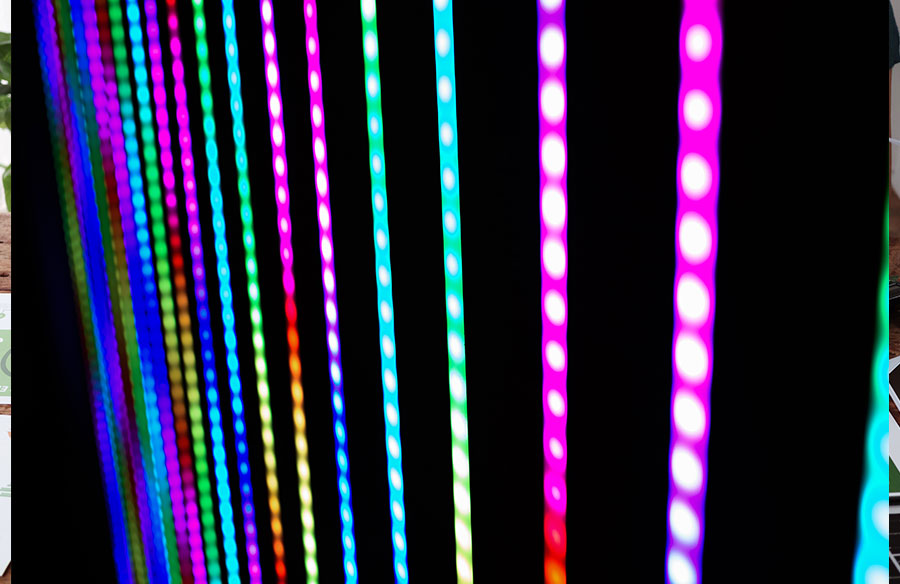
Lighting used to be simple. Turn it on. Turn it off. Choose white or warm white. That worked when spaces had only one purpose. Today, spaces behave differently. They change throughout the day. They serve many functions. They respond to people, events, and time. In such environments, one fixed color no longer works.
This is where DMX LED strip lighting becomes useful. Not flashy. Not decorative only. Useful.
Dynamic environments need lighting that can adjust without effort. They need light that follows the space, not the other way around.
What Makes an Environment Dynamic
A dynamic environment is any place where lighting needs are not the same all the time. Think of an office. Morning hours need bright light for focus. Late afternoons feel better with softer tones. Meeting rooms need different lighting than workstations.
Retail spaces are another example. Displays change often. Promotions come and go. Lighting must adapt without rewiring the entire store. Public buildings work the same way. Lobbies, corridors, and waiting areas serve different people at different times. Lighting must support movement, comfort, and safety all at once.
In such spaces, fixed lighting creates limitations. Flexible lighting removes them.
Understanding DMX LED Strip Lighting
A DMX LED strip is not a regular LED strip. It works with a control system called DMX. This system sends digital signals that control each strip or section with precision.
With DMX, lighting does not react randomly. It responds exactly as programmed.
Brightness, color, and timing can all change smoothly. Multiple strips can work together as one system. Large areas stay balanced instead of uneven. This is why DMX LED strip lighting is common in professional environments rather than basic setups.
Why One Color Falls Short
One color can look good. It can even look impressive. But it cannot support every situation. Bright white light helps people stay alert. It also becomes tiring if used all day. Warm light feels calm. It may not work for tasks that need attention. Accent colors highlight features. Overuse distracts instead of enhancing.
Dynamic spaces need variety. They need transitions, not sudden changes. DMX LED strips allow this to happen naturally.
Lighting can shift slowly. It can respond to the time of day. It can support what people are doing at that moment.
Control Changes Everything
The real value of a DMX LED strip lies in control. With DMX systems, lighting can be divided into zones. Each zone can behave differently. Some areas stay bright. Others dim down. All of it stays synchronized.
Control systems also allow schedules. Lights can adjust automatically. No manual switching is needed.
For large environments, this control reduces mistakes. It also keeps the space consistent. Visitors experience the same comfort every time they enter.
Use in Commercial Buildings
Commercial spaces rely on lighting more than people realize. Corridors guide movement. Workspaces affect productivity. Common areas influence how long people stay.
DMX LED strip lighting fits naturally into these spaces. It can be placed along ceilings, under railings, and within architectural details. When done correctly, it blends into the structure. Because DMX allows accurate dimming, light never feels harsh. It stays functional without drawing attention to itself.
This balance matters in professional environments.
Architectural Integration Matters
Good lighting design does not compete with architecture. It supports it. Architects often use LED strips to highlight form and depth. DMX control helps keep this subtle. Light levels stay even. Colors remain consistent.
As buildings age or change use, DMX systems allow updates without redesigning everything. Lighting scenes can be reprogrammed instead of rebuilt.
This flexibility protects long term value.
Retail and Public Spaces Need Adaptability
Retail spaces change often. Layouts shift. Displays rotate. Seasons influence mood.
DMX LED strip lighting makes these changes easier. New scenes can be created through control software. Physical changes stay minimal.
Public spaces benefit in a similar way. Daytime lighting can feel open and welcoming. Evening lighting can feel calm and controlled.
The space stays familiar but never static.
Energy Use and Smart Operation
Dynamic lighting is not only about appearance. It also affects energy use.
DMX LED strips allow lights to dim instead of running at full power. Unused zones can stay low. Schedules prevent unnecessary operation.
Over time, this approach reduces strain on the system. It also supports better energy management without compromising comfort.
These benefits only appear when systems are planned properly.
Why Planning Comes First
The success of DMX LED strip lighting does not start with the strip. It starts with planning.
Designers must understand how the space works. They must know who uses it and when. Control logic must match real behavior.
When lighting is treated as part of a system, results improve. When it is treated as decoration, problems appear later.
This is why experienced system integrators focus on design first and hardware second.
Keeping the User Experience Simple
Advanced systems should not feel complicated to use.
Most users do not want technical controls. They want simple options. A few scenes. Clear behavior.
Good DMX lighting systems hide complexity. Users interact with the result, not the process.
This approach reduces confusion and keeps daily operation smooth.
A Practical Approach to Dynamic Lighting
DMX LED strip lighting is not about dramatic effects. It is about control, flexibility, and consistency.
In dynamic environments, lighting must change without disruption. It must support people without demanding attention.
When planned realistically and integrated correctly, DMX LED strips do exactly that.
Final Thoughts
One color may look good for a moment. It rarely works all the time.
Dynamic environments demand lighting that adapts. DMX LED strip lighting offers that adaptability through precise control and thoughtful design.
When lighting responds naturally to space and use, it stops being noticed. That is when it truly works.
Providers like SIRS-E approach lighting as part of a larger control ecosystem. This ensures that lighting works in harmony with the space rather than acting as a standalone feature.