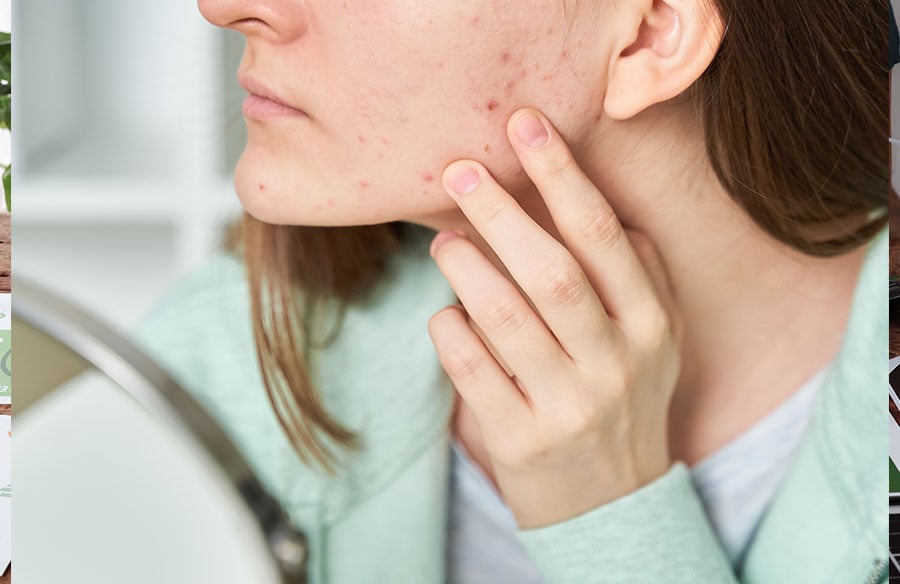
Picking at skin until it bleeds, then picking at the scabs that form, only to repeat the cycle again and again. Spending hours in front of mirrors examining every imperfection. Hiding arms, face, or other body parts due to visible wounds and scars. These behaviors aren’t bad habits or signs of poor self-control. They’re symptoms of a legitimate medical condition that affects millions of people.
What Skin Picking Disorder Really Is
Skin picking disorder, also called excoriation disorder or dermatillomania, involves recurrent picking at one’s own skin resulting in tissue damage. The picking isn’t casual or mindless – it becomes compulsive and difficult to resist despite genuine desire to stop and despite negative consequences like scarring, infections, or significant time loss.
The condition falls under obsessive-compulsive and related disorders in psychiatric classification systems. Like OCD, it involves repetitive behaviors that the person feels driven to perform. Unlike simple habits, skin picking disorder causes real distress and functional impairment. People spend hours picking, miss work or social events, and experience shame about their appearance and behavior.
Common picking sites include the face, arms, hands, and legs, though any area of skin can become a target. Some people pick at healthy skin, while others focus on existing bumps, scabs, or irregularities.
Tools like tweezers, needles, or fingernails often assist the picking. Many people enter dissociative or trance-like states during picking episodes, losing track of time while focused intently on their skin.
The picking provides temporary relief from anxiety, tension, or boredom. However, this relief is short-lived. Afterwards, feelings of shame, guilt, and frustration typically follow, along with physical pain and visible damage. This cycle repeats despite the person desperately wanting to stop.
Why “Just Stop” Doesn’t Work
Well-meaning friends and family often say “just stop picking” as if willpower alone could resolve this. People with skin picking disorder have heard this countless times. They’ve tried simply stopping. It doesn’t work, and here’s why.
The Neurological Component
Brain imaging studies show that picking skin disorder involves altered activity in brain regions controlling impulse control, habit formation, and reward processing. The behavior literally changes brain circuits over time. Picking becomes automatic, triggered by cues the person may not even consciously register.
The temporary relief picking provides reinforces the behavior through the brain’s reward system. Even though picking ultimately makes things worse, the immediate reduction in tension or anxiety trains the brain to repeat the behavior. This creates a powerful learned response that simple willpower cannot override.
The Function Picking Serves
Skin picking often serves multiple functions that make it difficult to abandon. It provides sensory stimulation for people who crave tactile input. It occupies time and attention, blocking out anxious or depressing thoughts. It offers a sense of control when other areas of life feel chaotic. It creates a focused activity that requires concentration, temporarily relieving emotional distress.
Understanding what function picking serves for each individual helps identify alternative behaviors that could meet those same needs without causing damage.
Co-Occurring Conditions
Most people with skin picking disorder have other mental health conditions. Anxiety disorders, depression, OCD, body dysmorphic disorder, and ADHD commonly co-occur. These conditions create emotional states that trigger picking episodes.
Simply stopping the picking without addressing underlying anxiety or depression leaves the person struggling with intense emotions that originally drove the behavior.
For individuals seeking professional help to address both skin picking disorder and co-occurring mental health conditions, finding a qualified psychiatrist accept medicare or other insurance coverage can make comprehensive treatment more accessible and affordable, allowing for integrated care that addresses all aspects of the condition.
Effective Skin Picking Disorder Treatment
Professional treatment provides real relief for most people with this condition. Several approaches have evidence supporting their effectiveness.
Cognitive Behavioral Therapy
Habit Reversal Training represents the most studied treatment for skin picking disorder. This structured approach includes several components:
- Awareness training to recognize triggers and early warning signs of picking urges
- Competing response training to engage in alternative behaviors when urges arise
- Stimulus control to modify environments that prompt picking
- Motivation procedures to maintain commitment to change
- Social support to involve others helpfully
HRT typically shows results within 8-12 weeks of consistent practice. The therapy doesn’t eliminate urges completely but teaches people how to manage them without resorting to picking.
Acceptance and Commitment Therapy helps people develop willingness to experience uncomfortable sensations and emotions without automatically responding through picking. Rather than fighting urges, people learn to notice them, accept their presence, and choose actions aligned with their values rather than controlled by the urge.
Medication
No medication specifically targets skin picking disorder, but several help reduce symptom severity:
- SSRIs like fluoxetine or sertraline reduce anxiety and compulsive urges
- N-acetylcysteine, an amino acid supplement, shows promise in reducing picking behavior
- Naltrexone, an opioid antagonist, may help by reducing the reward from picking
- Antipsychotics at low doses sometimes help severe cases
Medication works best combined with therapy rather than used alone. Some people benefit significantly from medication, while others show minimal response. Finding the right medication often requires trying several options under medical supervision.
Practical Strategies
Beyond formal therapy and medication, specific practical steps help reduce picking:
Keep hands busy with fidget toys, stress balls, or textured objects. The tactile stimulation can satisfy sensory-seeking without damaging skin. Wear gloves or bandages on fingers during high-risk times. This creates a physical barrier making picking more difficult.
Modify environments that trigger picking. Cover or remove mirrors if mirror gazing leads to picking. Keep tweezers and other picking tools inaccessible. Improve lighting in bathrooms since dim lighting can reduce detailed focus on imperfections.
Develop awareness of picking patterns. Track when, where, and what emotional states precede picking episodes. This information reveals personal triggers that can then be addressed directly.
How to Stop Skin Picking
The question of how to stop skin picking doesn’t have a single answer that works for everyone. However, several principles guide successful reduction of this behavior.
Harm Reduction Approach
Rather than demanding immediate complete cessation, harm reduction accepts that change happens gradually. Goals might include reducing picking duration, decreasing intensity, or limiting picking to less visible body areas. These incremental improvements matter and shouldn’t be dismissed as insufficient.
Some people benefit from scheduled picking time – allowing themselves brief controlled picking sessions rather than fighting constant urges all day. This paradoxical approach sometimes reduces overall picking by removing the forbidden fruit appeal.
Addressing Underlying Issues
Treating co-occurring anxiety, depression, or trauma often reduces picking behavior as a secondary benefit. When emotional distress decreases, the urge to pick decreases along with it. Therapy that addresses root causes of emotional pain proves more effective than focusing solely on stopping the picking behavior.
Skin Care Routines
Establishing gentle skin care routines provides structure while promoting healing:
- Cleanse gently with mild products
- Apply healing ointments to damaged areas
- Use bandages to protect wounds and prevent access
- Moisturize regularly to reduce rough patches that might trigger picking
- Consider professional dermatology care for severe damage or infection
Good skin care makes skin healthier and less likely to have the irregularities that often trigger picking episodes. It also provides a constructive skin-focused routine replacing the destructive one.
Building Support Systems
Isolation worsens skin picking disorder. Many people hide their behavior due to shame, avoiding situations where others might see damaged skin. This secrecy prevents them from accessing support and maintains the cycle.
Support groups, whether in-person or online, connect people with others who understand the struggle. Hearing others describe similar experiences reduces shame and isolation. Learning what strategies helped others provides practical ideas to try.
Family and friends can help when properly educated. They need to understand that picking isn’t a choice or sign of poor self-control. Well-meaning reminders to stop picking typically worsen shame without helping. Instead, support might involve helping identify triggers, suggesting alternative activities, or simply providing non-judgmental presence.
Recovery Timeline and Expectations
Improvement happens gradually rather than suddenly. Most people continue having urges even after significant behavior change. The goal isn’t eliminating all urges forever but developing skills to manage urges without acting on them destructively.
Setbacks occur and should be expected rather than viewed as failures. Stress, illness, major life changes, or even minor frustrations can trigger picking episodes after weeks or months of success. These setbacks don’t erase previous progress. Getting back on track after a setback becomes easier with practice.
Physical healing from skin picking disorder includes both the visible wounds and the internal shame and distress. Scars may fade over time with proper care, though some persist.
Many people find that as psychological healing progresses, they become less distressed about physical scars. The scars become reminders of what they’ve overcome rather than sources of shame.
Treatment works. With appropriate intervention combining therapy, possibly medication, practical strategies, and support, most people with skin picking disorder significantly reduce their picking behavior and reclaim time and energy previously consumed by this condition.