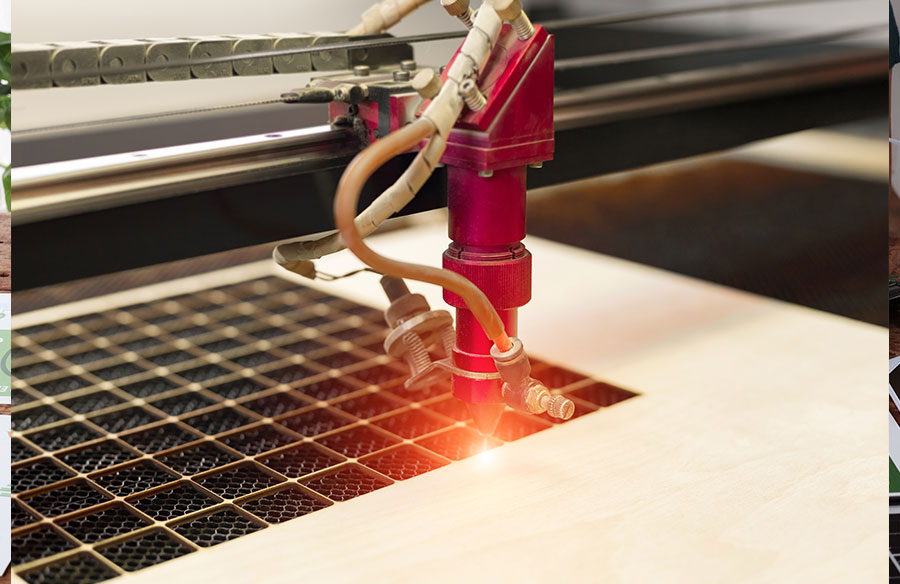
Laser cutters have earned their place across workshops, studios, and production floors by turning ideas into precise, repeatable results. Yet performance today is shaped by more than raw cutting power.
Small design decisions now play a growing role in how these machines behave day to day. For businesses researching laser cutters in Melbourne, those details often decide whether a system feels limiting or empowering as workloads change and expectations rise.
Designing For Operators Rather Than Specifications Alone
Many machines look impressive on paper, yet feel awkward once switched on. User-focused design closes that gap. Clear interfaces, logical menu structures, and controls placed where hands naturally rest all reduce friction. Training becomes faster, mistakes become rarer, and operators spend more time producing instead of correcting. Over long shifts, those small comforts add up, particularly in busy fabrication or signage environments where staff turnover is common.
Touchscreens with visual job previews, automated calibration routines, and onboard diagnostics further simplify daily operation. These features are not about novelty. They create consistency, allowing different users to achieve the same finish without relying on tribal knowledge or constant supervision. Productivity improves quietly, almost unnoticed, until deadlines feel less stressful.
Material Flexibility and Creative Freedom
Versatility has become a defining trait of modern laser cutters. Acrylic, timber, textiles, leather, and coated metals each respond differently to heat and speed. Machines that manage those variations with stable power delivery and accurate motion control give operators room to experiment. Clean edges and predictable engraving results encourage confidence, which in turn fuels more ambitious design choices.
In industries built on visual impact, that freedom matters. Signage, architectural modelling, and bespoke promotional work all benefit when one system can shift between materials without extensive setup changes. The ability to move from prototype to short-run production using the same machine often shortens turnaround times and strengthens client relationships.
Workflow Connectivity That Reduces Friction
A laser cutter rarely works alone. Its value increases when it slots smoothly into existing workflows. Compatibility with common design software, reliable file handling, and intelligent material recognition reduces preparation time. Features like automatic focus adjustment based on material thickness remove guesswork and protect against costly errors.
Some platforms extend this thinking further through remote monitoring, queued job management, and usage tracking. Managers gain clearer visibility over workloads, while operators stay focused on execution. Over weeks and months, these efficiencies compound, lowering waste and improving scheduling accuracy without dramatic process changes.
Safety Systems Integrated Without Limiting Access
Safety is no longer treated as an optional upgrade. Enclosed cutting areas, interlock mechanisms, and proper fume extraction support are now expected. Strong designs address these needs without turning the machine into a sealed black box. Visibility remains clear, access stays practical, and maintenance does not become a chore.
Thoughtful safety engineering proves particularly valuable in shared environments such as schools, maker spaces, or multi-shift workshops. Automated pauses, status alerts, and guided restart procedures protect users while keeping production moving. The best solutions fade into the background, doing their job without constant reminders.
Final Thoughts
Specifications still matter, but they no longer tell the full story. Power ratings and speed figures mean little if the machine resists adaptation. Smart design channels technical capability into usable, repeatable outcomes. That is where long-term value is seen.
Machines built with this mindset tend to age better. They adapt as materials change, workloads increase, and teams evolve. Choosing equipment shaped by careful design is less about chasing trends and more about investing in reliability that keeps pace with real-world demands. That steadiness supports confident planning, steadier margins, and fewer surprises when deadlines tighten, and customers expect consistency from the first cut onward.