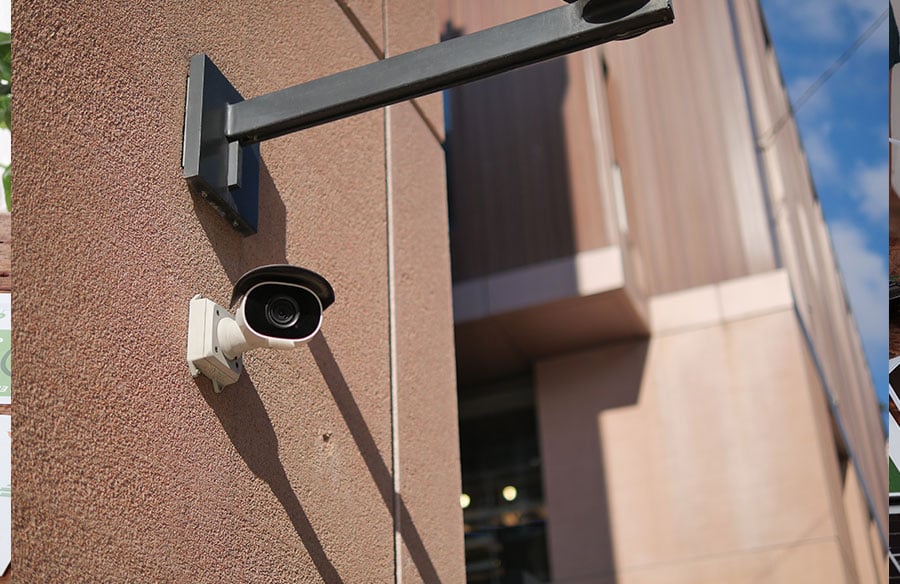
High-value architectural builds, whether they are luxury residential homes, large commercial properties, or intricate public infrastructure projects, are often at risk for theft, vandalism, and project delays. These sites are prime targets due to their valuable materials, expensive equipment, and sometimes, their exposure to environmental elements. Protecting these high-value assets throughout the construction process is essential for ensuring the project’s integrity and timely completion. One of the most effective ways to safeguard architectural builds is through the implementation of security camera systems.
In this article, we will discuss why security camera systems are critical for protecting high-value architectural projects, focusing on theft prevention, site monitoring, compliance, and the overall security benefits they provide.
For architectural projects that demand reliable and flexible surveillance, security camera systems for construction offer a tailored solution, combining advanced AI-powered technology with solar and wireless capabilities for maximum security coverage.
The Security Risks of High-Value Architectural Builds
Architectural projects involving high-end residential or commercial developments present unique security challenges. These projects often require large amounts of materials, including high-end finishes, machinery, and tools, all of which are valuable and vulnerable to theft. Furthermore, these sites can have a wide variety of workers and subcontractors, which, if not monitored properly, can lead to unauthorized access or safety concerns.
Vandalism is another risk that can set back the project timeline and damage the reputation of the involved parties. Construction sites without proper security are also more likely to experience other types of damage, including accidents, fire hazards, or misuse of equipment.
For these reasons, an effective security system is no longer a luxury but a necessity for any high-value architectural build.
Theft Prevention and Loss Reduction
One of the primary reasons security camera systems are critical for high-value architectural builds is their ability to deter theft. Construction sites are prime targets for thieves, as they are often located in remote areas or open spaces where it can be difficult to monitor activity. With valuable materials, expensive machinery, and tools left exposed, these sites are vulnerable to opportunistic criminals.
Security camera systems help reduce this risk significantly by acting as a deterrent. When criminals know that their actions are being monitored and recorded, they are much less likely to attempt theft. Visible cameras mounted in strategic locations send a clear message to would-be intruders that the site is under surveillance.
In the event of theft, security cameras provide essential evidence for investigations. Footage from the cameras can help identify the culprits and facilitate the recovery of stolen items, reducing the financial impact on the project. This is particularly important for high-value builds where the loss of even a few items can be costly.
Real-Time Monitoring and Response
High-value architectural projects often span months or even years, making them especially vulnerable to risks that could occur during off-hours. While construction may cease in the evenings, the security risks never stop. Security camera systems provide real-time monitoring, allowing site managers, project supervisors, or security teams to observe the site continuously, even after the construction crew has left.
With live-streaming capabilities, these systems enable instant access to footage, so stakeholders can detect any suspicious activity as it happens. In many cases, security teams can respond immediately to potential threats, preventing the escalation of situations that could otherwise go unnoticed.
For example, if someone attempts to access a restricted area, the system can automatically send alerts to the security team, who can take appropriate action, whether it’s contacting authorities or investigating the situation further.
Compliance with Safety and Legal Requirements
In many jurisdictions, construction sites are required to meet strict safety and regulatory standards. These regulations may include security measures that help prevent theft, protect workers, and ensure safe working conditions. Having security camera systems in place ensures that the project complies with local building codes, health and safety regulations, and insurance requirements.
Security cameras also help enforce safety protocols. By monitoring activity on the site, cameras can verify that safety equipment is being worn, that workers are following proper procedures, and that the site remains clear of hazards. In the event of an accident, security camera footage can provide crucial evidence to determine what happened and how it can be prevented in the future.
By documenting compliance with safety and security measures, camera systems also reduce the likelihood of legal disputes or insurance claims, which could further delay the project or increase costs.
Minimizing Operational Downtime and Delays
Construction projects can suffer from significant delays when issues such as theft, vandalism, or safety violations arise. When valuable materials or equipment are stolen, for example, the project may face substantial setbacks as replacements are sourced. In extreme cases, the site may have to shut down temporarily while security breaches are investigated.
Security camera systems help minimize these disruptions by allowing for quick identification and resolution of problems. Whether it’s investigating a potential security breach, monitoring the status of a particular section of the project, or reviewing footage to assess damage caused by weather or accidental incidents, these systems provide valuable insights that help keep the project on track.
In addition to identifying issues quickly, security cameras can also be used to assess the efficiency of operations. Monitoring how different teams are working or where bottlenecks occur can provide data that can be used to streamline workflows and improve productivity, helping avoid unnecessary delays.
Enhancing Accountability and Transparency
With a large number of subcontractors, suppliers, and workers on-site, high-value architectural projects can sometimes suffer from issues related to accountability. Disputes may arise about who was responsible for certain actions, or there may be questions about when and how specific tasks were completed.
Security camera systems provide an objective record of site activity, offering transparency and clarity when disputes occur. Footage from the cameras can be used to verify timelines, work progress, and adherence to safety protocols, ensuring that all parties involved are held accountable.
This level of transparency can help build trust between project owners, contractors, and stakeholders, ensuring smoother communication and fewer misunderstandings throughout the project.
Scalability and Flexibility for Expanding Projects
High-value architectural builds often evolve over time, with new phases, additions, or extensions to the project. Security camera systems offer the scalability and flexibility needed to adapt to changing project needs. For example, if the scope of the project expands, additional cameras can be added without the need for extensive infrastructure changes.
Many modern systems are wireless and solar-powered, which means they can be quickly installed or relocated as the project progresses. This flexibility makes it easier to maintain a high level of security throughout the construction process, regardless of the size or complexity of the build.
Securing the Future of Your Architectural Project
Security camera systems have become an indispensable tool for protecting high-value architectural builds. They not only provide a robust deterrent to theft and vandalism but also offer real-time monitoring, compliance support, and valuable documentation for investigations. With the ability to enhance operational efficiency, minimize downtime, and ensure accountability, these systems are essential for ensuring the success and security of any architectural project.
For those looking to implement advanced surveillance solutions on their construction sites, AI-powered and solar wireless security camera systems, such as those offered by Site Sentry, provide cutting-edge protection with flexibility and scalability. These systems help safeguard valuable assets, keep projects on schedule, and provide peace of mind from start to finish.