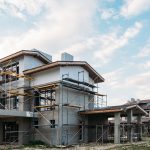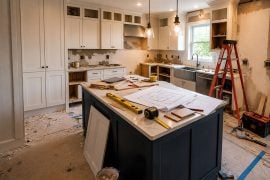
Homeowners usually focus on changes they can see planning a home renovation. New finishes, layout adjustments, or an updated interior design often create the impression that the scope of work is clear and fully under control.
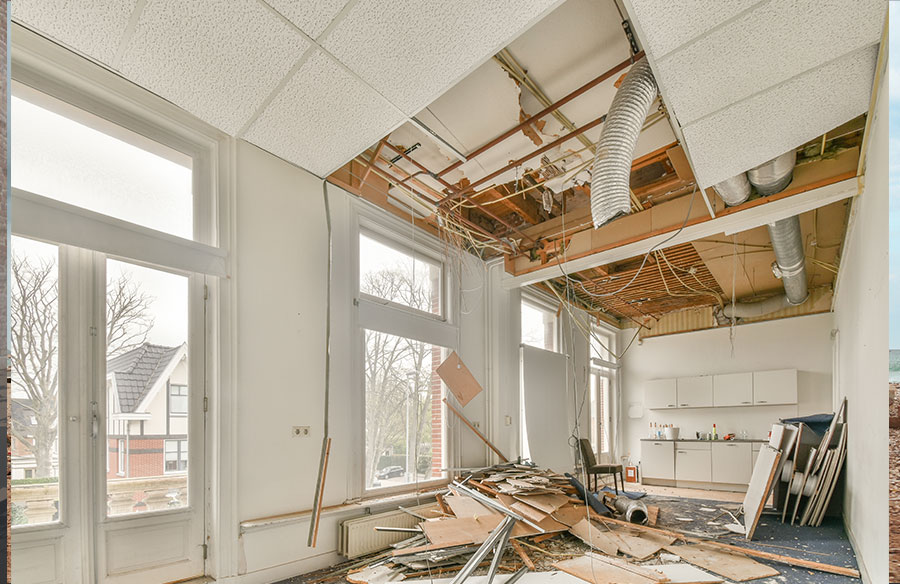
This confidence often breaks down once demolition begins. Behind walls, floors, and ceilings, there may be issues that were impossible to detect during the initial inspection. In most cases, these problems are the result of long-term material wear or poor-quality previous renovations.
Why Hidden Issues Are Common in Home Renovation
Hidden issues during renovation occur far more often than homeowners may expect. Many elements of a house are inaccessible for external inspection, and their actual condition can only be determined once demolition starts.
The age of the house and the quality of previous renovations also play a significant role. People carry out cosmetic updates without assessing the condition of structural elements, building systems, or moisture protection. This approach delivers visible results and lower upfront costs, while defects accumulate over the years and remain unnoticed until demolition takes place.
Moisture and Water Damage Behind Walls
Moisture is one of the most common hidden problems discovered during renovation. The most frequent sources include roof leaks, poorly sealed junctions, waterproofing errors, or prolonged condensation buildup.
After opening up the structures, darkened wooden elements and a characteristic musty smell are often found. These types of damage are the result of long-term exposure to moisture. Water gradually weakens materials over time, and this process can continue for years until access to the internal structure of the house is finally revealed.
Hidden Structural Problems
After removing interior finishes, issues with load-bearing elements and the house frame are often uncovered. Weakened beams, localized rot, or structural deformation can remain unnoticed for a long time, especially if defects were partially concealed by previous renovations.
Such damage is commonly caused by prolonged moisture exposure, improper load distribution, or the use of low-quality solutions during early construction stages. When these issues are ignored, a home may look attractive on the outside but lack a solid structure beneath. This compromises safety and often leads to larger repairs over time.
Outdated or Unsafe Electrical and Plumbing Systems
The condition of engineering systems is often revealed only during renovation. Old electrical wiring, overloaded circuits, or outdated plumbing components can function for years without obvious failures. This creates the impression that everything is in order, as no emergency situations have occurred.
Once walls and floors are opened, it often becomes clear that these systems are operating at their limits and include potentially hazardous areas. These issues are difficult to predict before renovation works, but they can’t be ignored and usually expand the scope of work.
Experienced home renovation companies often warn homeowners about issues that may arise during demolition. This not only allows for updating utilities and improving home safety but also makes the renovation process more predictable for the owner.
Insulation and Ventilation Deficiencies
Ventilation and insulation deficiencies are usually noticeable only during critical situations, when dampness, drafts, or sharp temperature fluctuations appear inside the home. Under normal conditions, when walls and ceilings are covered with finishes, identifying problems with these systems is extremely difficult.
During renovation, missing sections of insulation may be discovered, or moisture accumulation and insufficient air circulation may be found in parts of the ventilation system. In Canada’s cold climate, such defects should be taken into account, as they can affect not only comfort but also create conditions for the gradual deterioration of building materials.
How to Prepare for Hidden Issues Before Renovation
There is no way to know in advance exactly what will be uncovered once renovation work begins. Hidden issues are part of the process, especially in older homes. What matters is being mentally and financially prepared for them.
Allowing some flexibility in both timeline and budget helps avoid rushed decisions when unexpected problems appear. A careful inspection before renovation can also point to areas where issues are more likely to surface once demolition starts, making the entire process calmer and easier to manage.
There is no need for excessive concern. In most cases, hidden defects become not a problem but an opportunity to make the right decisions. Renovation based on the actual condition of the house not only improves its appearance but also eliminates potential causes of costly damage in the future.