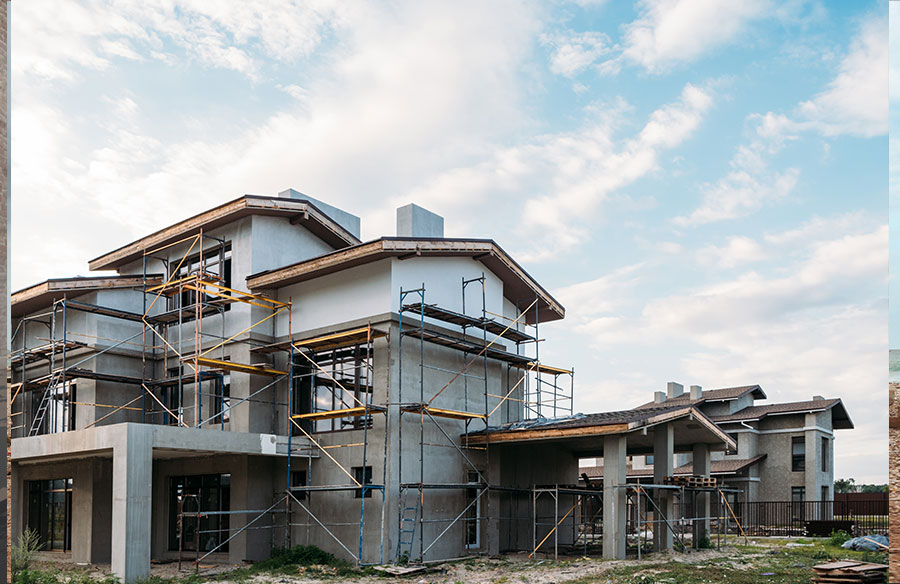
One of the first questions future homeowners ask is how soon their home will be built. People expect a simple and precise answer, but the reality is that building a house is a combination of many processes and stages that can influence the timeline.
Each stage depends on the previous one and affects the start of the next. If delays occur at any point, they often shift the completion date of the entire project. From the experience of construction companies, even the most carefully planned construction project encounters delays. This is not due to a lack of control, but rather to several factors that can change during the process.
Design, approvals, material deliveries, weather conditions, and the work of multiple contractor teams form a complex system of dependencies. Understanding this structure allows timelines to be viewed as a guideline rather than a fixed date from the outset.
Typical Timeline for a Residential Construction Project
Home construction consists of several key stages. Before construction begins, a preparation phase takes place. Design work, approval of architectural decisions, and obtaining permits often take from several months up to half a year. This is especially noticeable when custom home builders are involved, working with individual layouts and non-standard solutions.
After all permits are obtained, the site preparation and foundation installation stage begins. These works are heavily dependent on weather conditions and soil conditions. This is followed by the construction of the structural part of the building, where the main volume of the future home is formed and key technical solutions are established.
At the next stage, engineering works are carried out, including electrical systems, water supply, and ventilation. Only after this does interior and exterior finishing begin, during which a sense of slowed progress often appears. These stages consist of many small processes that require precise coordination and cannot be performed in parallel.
Factors That Commonly Extend Construction Timelines
Shifts in construction timelines are most often related to changes introduced after work have already begun. Adjustments to layouts, materials, or technical solutions require revisions to previously approved stages and extend the overall project schedule.
Another important factor delays material deliveries. Logistics and material availability can affect the pace of construction even when orders are placed in advance. Weather conditions also impact timelines during the early stages of work. In addition, it is important to keep in mind municipal inspections at each stage of construction, without which it is impossible to continue the project.
What Homeowners Can Do to Keep Projects on Schedule
Strangely enough, homeowners themselves often become the main reason for construction delays. The faster layouts, materials, and key technical details are approved, the smoother the construction process will be. Project timelines are particularly affected when homeowners change finishes, wall colors, and other details directly during the execution of these stages.
To follow the original construction plan as closely as possible, homeowners are advised to take just a few actions. First and foremost, maintain communication with the construction company. Quick responses to contractors’ questions and timely approval of decisions help avoid pauses between stages.
It is also important that material selection significantly stays ahead of the construction process. Wall colors, flooring materials, and similar elements are best chosen during wall construction, while hardware and finishes should be selected during flooring installation. This helps prevent downtime caused by a lack of materials.
Setting Realistic Expectations
Understanding the logic of the construction process allows homeowners to approach timelines more calmly and make more considerable decisions throughout the project. It is important to remember that when key issues are resolved in advance and communication is timely, the work schedule becomes more stable even with inevitable adjustments.
Shifting focus away from strict adherence to dates and toward the quality of work helps avoid impulsive decisions and preserves balance between timelines, budget, and the final result.