
Mani Ratnam’s OK Kanmani is usually remembered for its breezy romance, the easy chemistry of Adi and Tara, and Rahman’s music that somehow fits every mood. But when you look at it through the eyes of an architecture student, the film quietly reveals another layer: it is a story deeply shaped by the spaces the characters live in. Buildings, rooms, streets, and cities aren’t just backgrounds here. They actually influence the way the characters feel, fight, fall in love, and eventually, decide what their future should look like.

The most memorable setting in the film is the old Mumbai house where Adi and Tara stay as paying guests. It’s not the kind of sleek apartment we usually see in urban romances. This house has character—tall ceilings, wooden windows, soft light, slow ceiling fans, shelves full of memories, and furniture that looks like it has witnessed decades of ordinary days.

The beauty of this house lies in its lived-in warmth. It’s slightly imperfect, slightly old-fashioned, but deeply comforting. It represents an older generation’s sense of stability and routine, especially embodied by Ganapathy and Bhavani. Adi and Tara, on the other hand, enter with their fluid ideas about love, careers, and commitment.
Their relationship is modern and a little uncertain, but this home gently pushes them to confront what they truly want. The way the rooms open into each other creates a sense of closeness—there is no dramatic boundary between public and private space. Their conversations happen in corners, near staircases, on the terrace, near windows flooded with natural light. Even the architecture seems to encourage emotional honesty.
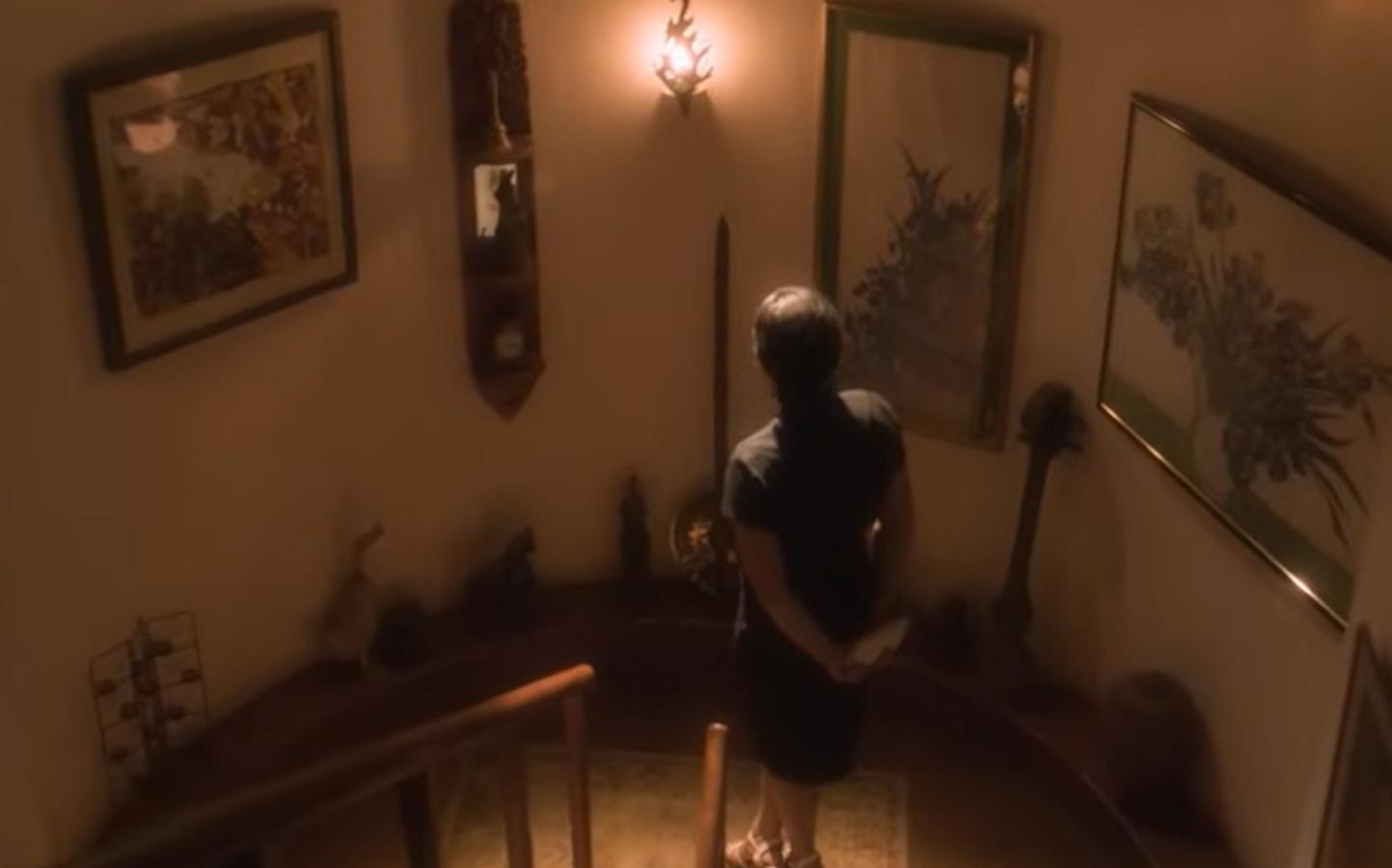
In a sense, this house becomes the third adult in their relationship—steadier, wiser, always watching.
Mumbai: A City That Never Stops Moving
One of the subtle strengths of the film is how naturally it captures Mumbai’s architecture. Ratnam doesn’t try to prettify the city. Instead, he shows its textured mix of old buildings, narrow lanes, glassy new towers, balconies, local trains, and construction sites. For Adi and Tara, Mumbai is both a playground and a pressure cooker. It represents opportunity, ambition, and constant change.
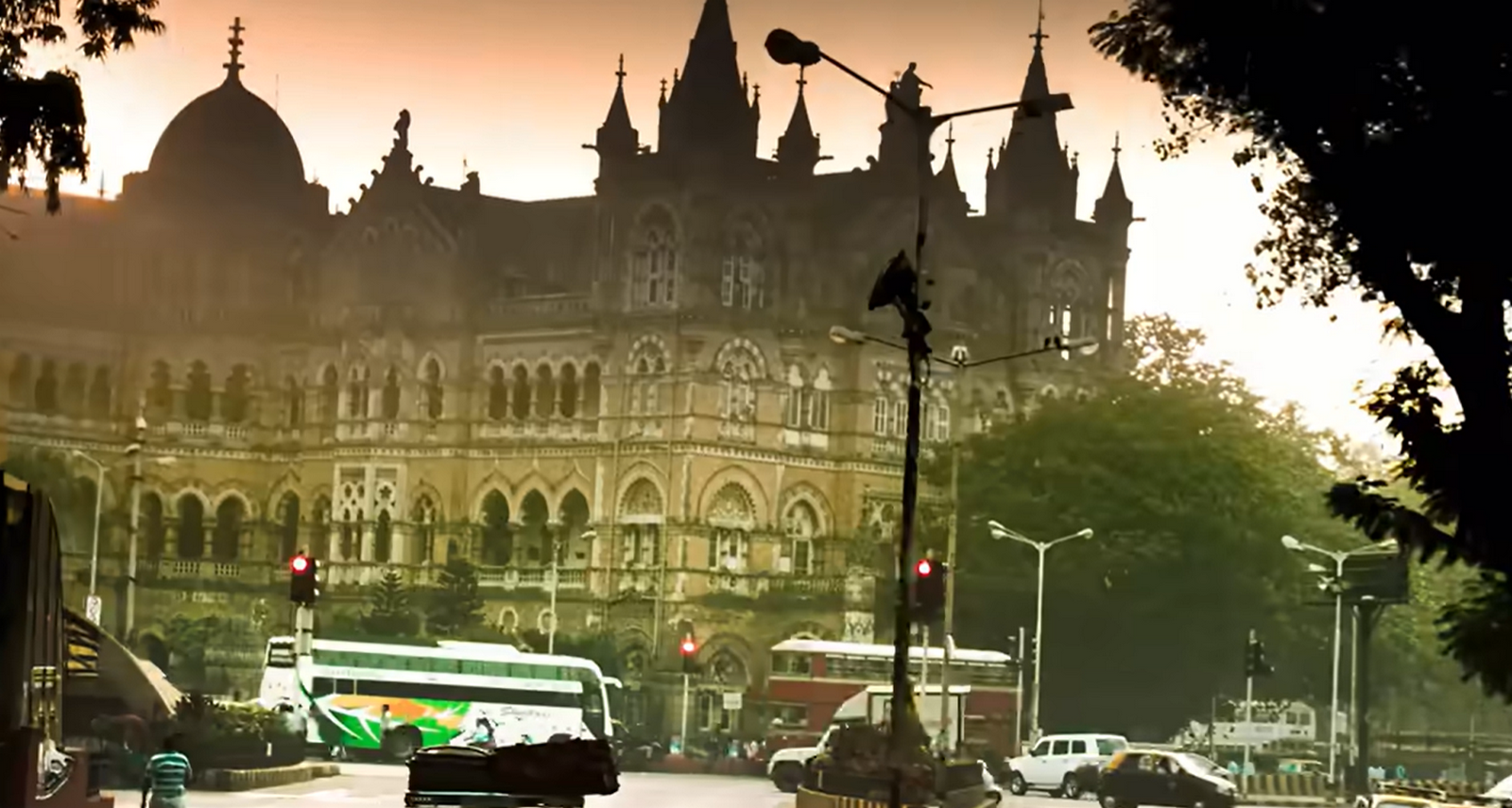
The city’s verticality—its high-rises, staircases, and terraces—symbolises the restless drive of young professionals trying to climb in their careers. Tara’s work as an architect places her right in the middle of this modern urban world. When she shares her dream of studying in Paris, the Mumbai skyline in the background adds both energy and uncertainty. It feels like the city is quietly asking her: Are you ready to leave? Or stay and build something here?
The opening sequence at the railway station also reflects the architectural pulse of Mumbai. The platforms, movement, and chaos create a kind of rhythmic backdrop that immediately roots the film in a very real, lived-in city.
Chennai: Where the Pace Slows and Reflection Begins
When the film briefly shifts to Chennai, the architectural tone changes completely. We see quieter homes, traditional details, softer colours, temple corridors, and spaces that breathe differently. It feels like stepping into a slower, more grounded world.
This shift is not accidental. The architecture of Chennai represents roots, family, and emotional stillness. It is the opposite of Mumbai’s urgency. In these calmer spaces, Adi and Tara get a glimpse of what a more grounded life might feel like. It makes them question their earlier assumptions about commitment and independence.
In many ways, Chennai becomes the emotional pause button of the movie—its architecture giving the characters space to think.
How Space Shapes Their Relationship
One of the film’s quietest but most powerful achievements is how it uses interior design to show shifts in the characters’ relationships. Scenes with Bhavani and Tara often take place in warm, intimate spaces like the kitchen or living room. These locations naturally bring them closer, reinforcing the tenderness between them. Adi and Ganapathy’s conversations, meanwhile, tend to happen in thresholds or corridors—spaces that are symbolic of being in-between, unsure, transitioning.

Lighting plays a huge role here. The soft daylight inside the house makes everything feel gentle, even emotional conflicts. The nights glow with warm tones, as though the house refuses to let darkness take over completely. Every frame feels like someone placed a hand on the characters’ shoulders and said, “Calm down, talk it out.”
Architecture as a Quiet Metaphor
Throughout the film, architecture serves as a quiet metaphor for the two central ideas:
impermanence, which the younger generation embraces, and
permanence, which the older generation protects.

Tara’s field—architecture—becomes an accidental commentary on her own life. She understands structure, stability, and design professionally, yet struggles to apply these ideas to her personal relationships. The old Mumbai house represents endurance, much like Ganapathy and Bhavani’s marriage. It’s not glamorous, but it stands strong. Their relationship, built over decades, becomes a blueprint of emotional architecture for Adi and Tara to absorb.
A Romance Built on Space
In the end, OK Kanmani is not an overtly architectural film, yet its spatial awareness is everywhere. The film understands that the spaces we inhabit shape us more than we realise. Rooms soften arguments, homes encourage connection, cities push us to grow, and familiar streets help us reflect.
Ratnam’s filmmaking allows architecture to breathe with the characters. It doesn’t shout; it simply exists, guiding the story with quiet wisdom. And perhaps that is the most honest depiction of architecture—ever-present, deeply influential, and woven into every emotion without demanding attention.