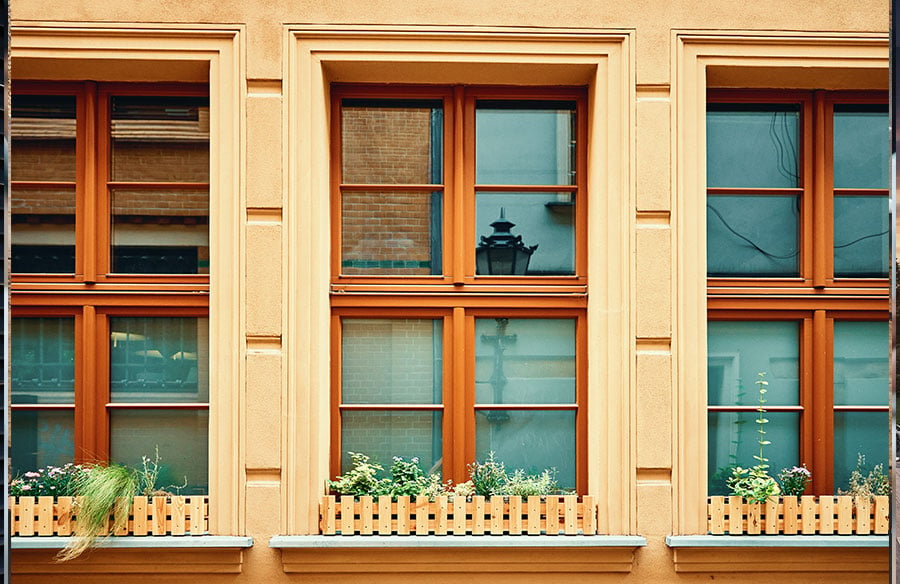
The conversation around sustainable architecture has changed dramatically over the past decade. What was once dismissed as a niche concern for eco-warriors is now central to how buildings get designed and built. And here’s the thing – when architects talk about sustainability, they’re not just thinking about solar panels and green roofs. They’re looking at every component, right down to the windows.
Timber windows have quietly become a favourite among architects serious about reducing environmental impact. Not because they’re trendy, but because the numbers actually stack up.
The Carbon Problem with Buildings
Buildings are responsible for roughly 40% of global carbon emissions. That’s a staggering figure when you think about it. The construction industry has a massive carbon footprint, and much of it comes from materials we take for granted.
Take aluminium window frames. Manufacturing them requires enormous amounts of electricity – we’re talking about smelting ore at extremely high temperatures. PVC isn’t much better. It’s derived from petroleum, and the chemical processes involved release significant greenhouse gases. Both materials start their life in carbon debt.
Wood flips this equation entirely.
How Timber Actually Helps the Environment
Trees absorb carbon dioxide as they grow. Everyone learns this in school, but few people connect it to building materials. When a tree gets harvested and turned into a window frame, all that stored carbon doesn’t disappear. It stays locked in the timber for as long as the window exists – which, with decent maintenance, can be 60 years or more.
This makes wooden windows genuinely carbon-negative at the point of manufacture. They’ve already done environmental good before they’re even installed.
There’s also the question of what happens at the end. An old timber window can be recycled, repurposed, or simply left to biodegrade naturally. Try doing that with a PVC frame. Those things sit in landfill for centuries, leaching chemicals into the soil the entire time.
Embodied Energy Matters
Embodied energy is one of those terms that sounds technical but describes something simple: how much energy went into making a product before it reached you. Cutting and shaping timber requires far less energy than smelting aluminium or synthesising plastic polymers. Factor in transportation – British-grown softwoods versus aluminium shipped from China – and the difference becomes even more stark.
Thermal Performance That Actually Works
Sustainability isn’t only about manufacturing impact. A window that lets heat escape all winter isn’t sustainable no matter what it’s made from.
Wood has a natural advantage here. Its cellular structure contains thousands of tiny air pockets that slow heat transfer. Unlike metal, timber doesn’t conduct temperature readily, which means wooden frames create less thermal bridging – those cold spots around windows where heat escapes fastest.
Modern bespoke timber windows pair this natural insulation with contemporary glazing technology. Double glazing, triple glazing, low-E coatings, argon gas fills – all of it works just as well in a wooden frame as anywhere else. Often better, because the frame itself isn’t fighting against you.
Acoustic performance benefits too. Anyone who’s lived on a busy road knows the difference good windows make. Timber’s density helps block external noise more effectively than lightweight PVC sections.
Longevity Changes the Calculation
Here’s where timber really pulls ahead, and it’s something manufacturers of synthetic windows don’t love discussing.
A quality timber window, properly looked after, can last 60 to 80 years. Some Victorian sash windows are still going strong after 150 years. Meanwhile, the average uPVC window needs replacing after 20 to 25 years. The mechanisms fail, the seals degrade, and there’s no practical way to repair them.
Wooden windows can be repaired. A damaged section can be spliced out and replaced. Hardware can be upgraded. The whole thing can be sanded down and refinished to look new again. This repairability extends the service life enormously and reduces material consumption over time.
When you calculate sustainability across an entire lifecycle rather than just initial manufacture, timber wins convincingly.
Design Flexibility Architects Actually Want
Sustainability often gets portrayed as requiring sacrifice – uglier buildings, limited options, compromise. Timber windows prove otherwise.
Wood can be machined into complex profiles that aluminium extrusion simply cannot achieve. Curved frames, intricate mouldings, historically accurate reproductions – all possible with timber. For heritage projects, this matters enormously. Replacing original Georgian sash windows with plastic lookalikes doesn’t just look wrong; it often violates planning restrictions in conservation areas.
Even in contemporary architecture, timber brings warmth and texture that synthetic materials struggle to replicate. There’s a reason high-end residential projects increasingly specify wood. It photographs well, ages gracefully, and creates spaces that feel genuinely pleasant to inhabit.
The Maintenance Question
Critics of timber windows always raise maintenance. Yes, wooden windows need repainting every 8 to 10 years. That’s undeniably more work than wiping down a uPVC frame occasionally.
But consider what that maintenance actually involves. A couple of days with sandpaper and a brush, plus the cost of paint. Compare that to the expense and disruption of complete window replacement when synthetic alternatives fail.
Modern timber windows also require less maintenance than their predecessors. Factory-applied microporous finishes last longer than traditional paints. Engineered timber – laminated from multiple layers – resists warping and movement far better than solid sections. The gap between timber and “maintenance-free” alternatives has narrowed considerably.
Making Sustainable Choices
For architects and homeowners genuinely committed to sustainable building, timber windows deserve serious consideration. The environmental credentials are solid, the performance is excellent, and the aesthetics suit everything from converted warehouses to Georgian townhouses.
The key lies in sourcing responsibly. FSC and PEFC certification indicates timber from sustainably managed forests. British-grown softwoods carry lower transport emissions than imported hardwoods, though species like oak and meranti offer durability advantages that may justify their use in demanding applications.
Choosing a manufacturer focused on quality and longevity matters too. Windows built to last 60 years deliver far greater sustainability benefits than budget options needing replacement after 20.
Sustainable architecture isn’t about grand gestures. It’s about making better choices with every component, every material, every detail. Timber windows represent exactly that kind of thinking – proven technology, honest materials, and performance that endures.