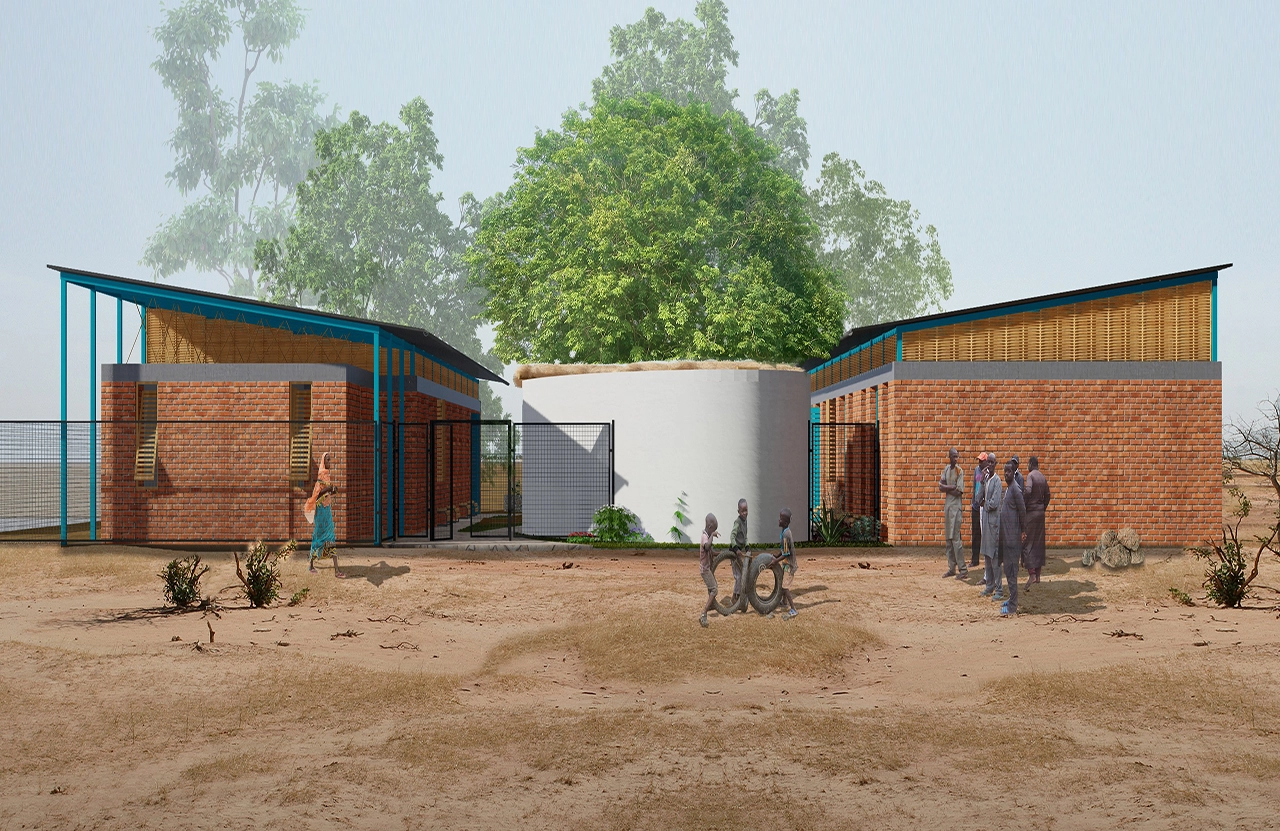
Haven Senegal Elementary School was envisioned as a vibrant, climate-responsive place of learning that supports children academically, socially, and emotionally. The design brings together practical educational spaces with sustainability strategies and strong community integration.
Project Name: Haven Senegal Elementary School
Studio Name: Khaled M. Abou Taam – KMA Atelier
Location: Marsassoum, Senegal
Design Year: 2020
Site Footprint: 720 sqm
Principal Architect: Dr. Khaled M. Abou Taam
Design Team: Catherine Zalzali – Architect, Ekaterina Abou Taam – Architect
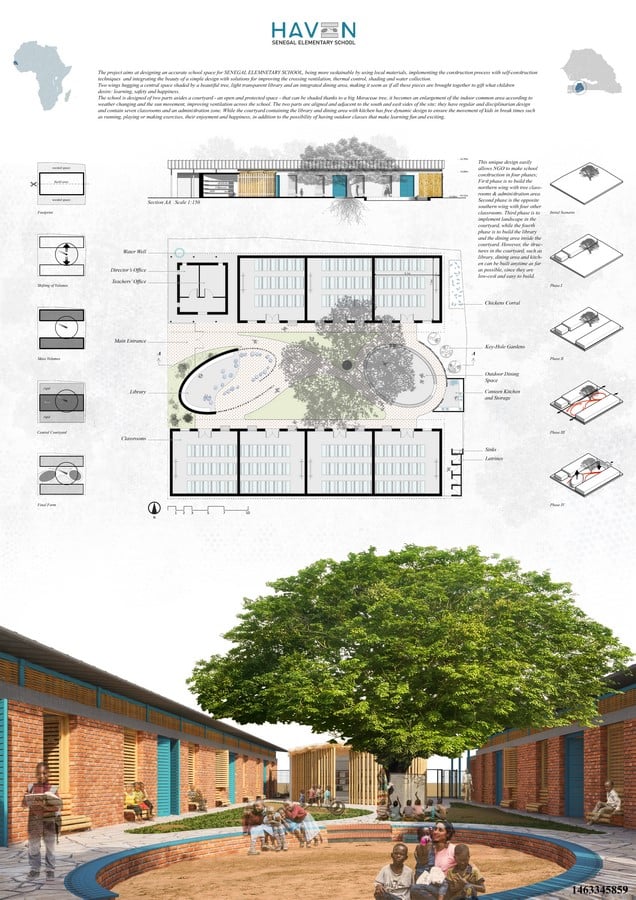
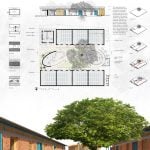
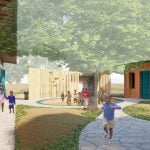
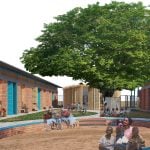
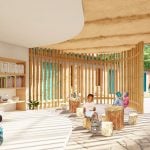
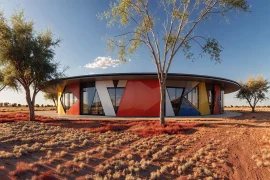
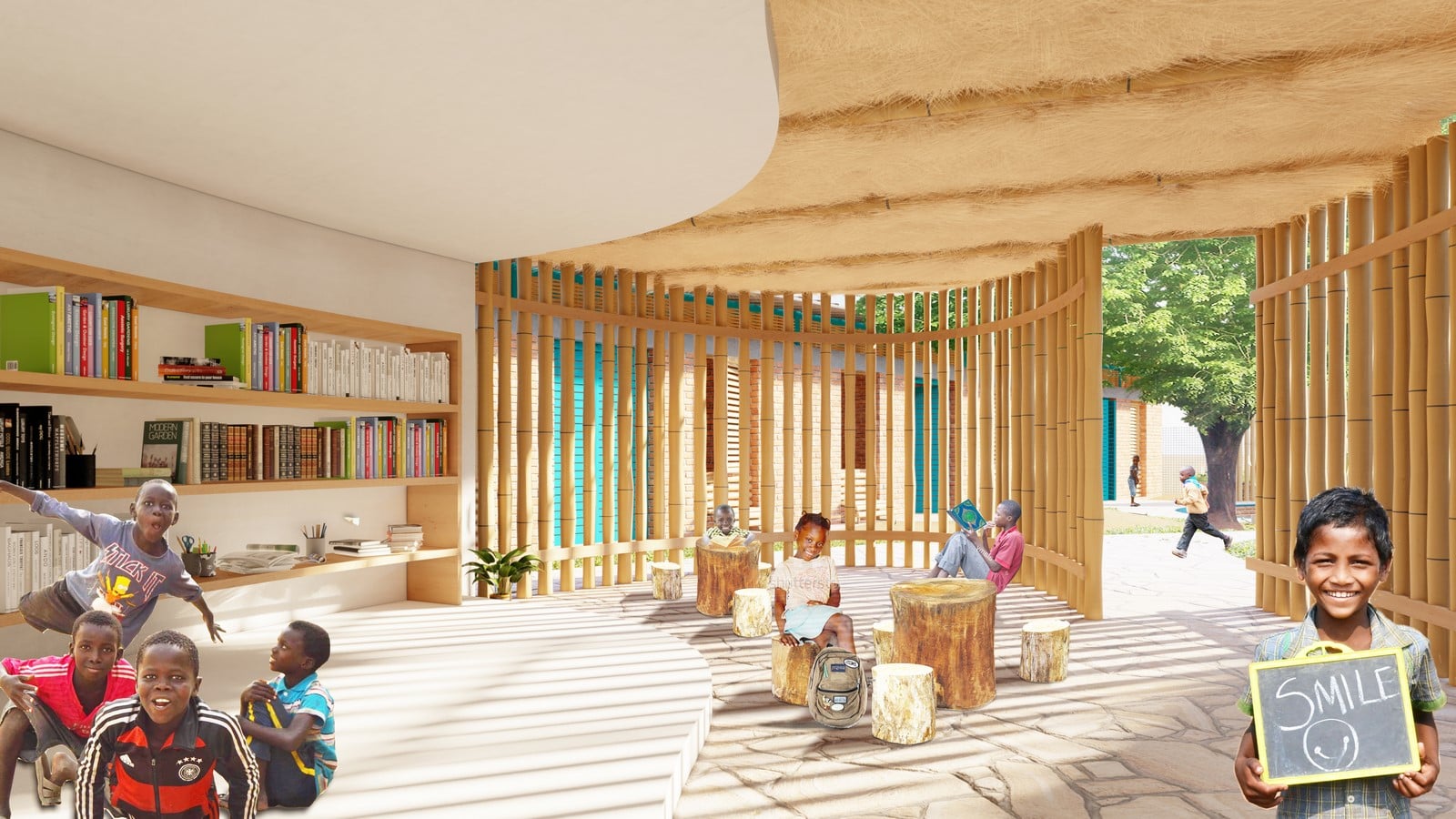
The overall layout forms two linear wings that open toward a central courtyard. At the heart of this courtyard stands a mature Moraceae tree, creating a generous canopy of shade. Beneath it, a lightweight, transparent library pavilion and a shared dining area blend indoor and outdoor learning in a seamless way.
- Guiding Design Strategies
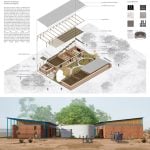
- Natural ventilation and passive cooling for year-round comfort
• Shading devices and water-harvesting features that reduce environmental impact
• Outdoor areas shaped for movement, recreation, and open-air teaching
• Building techniques and materials that can be sourced, assembled, and maintained by the local community
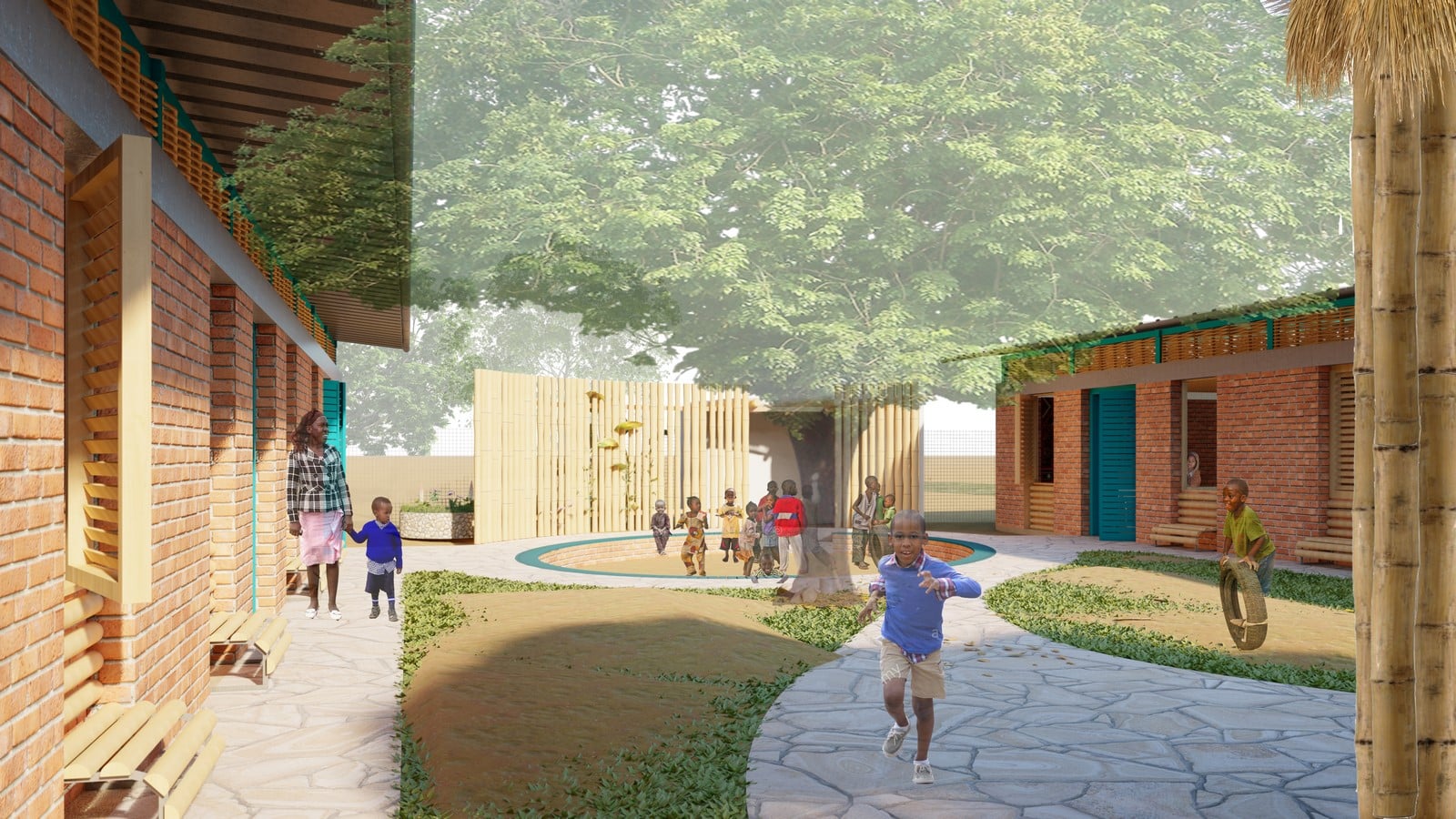
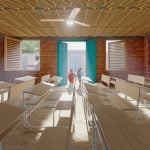
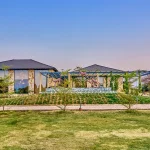
The classroom bars, positioned along the southern and eastern edges of the site, host seven learning rooms and an administrative cluster. While these wings follow a rational, modular rhythm, the courtyard contrasts by remaining fluid and playful, inviting exploration.
- Sustainability & Community Participation
The proposal emphasizes both ecological thinking and communal empowerment:
- Local + Recycled Materials: Selected for affordability, durability, and reduced environmental footprint
• Community Construction: Methods were chosen so residents could build and replicate the school without specialized training
• Productive Gardens: Kitchen gardens, keyhole gardens, and chicken coops promote hands-on ecological education and allow greywater recycling and composting
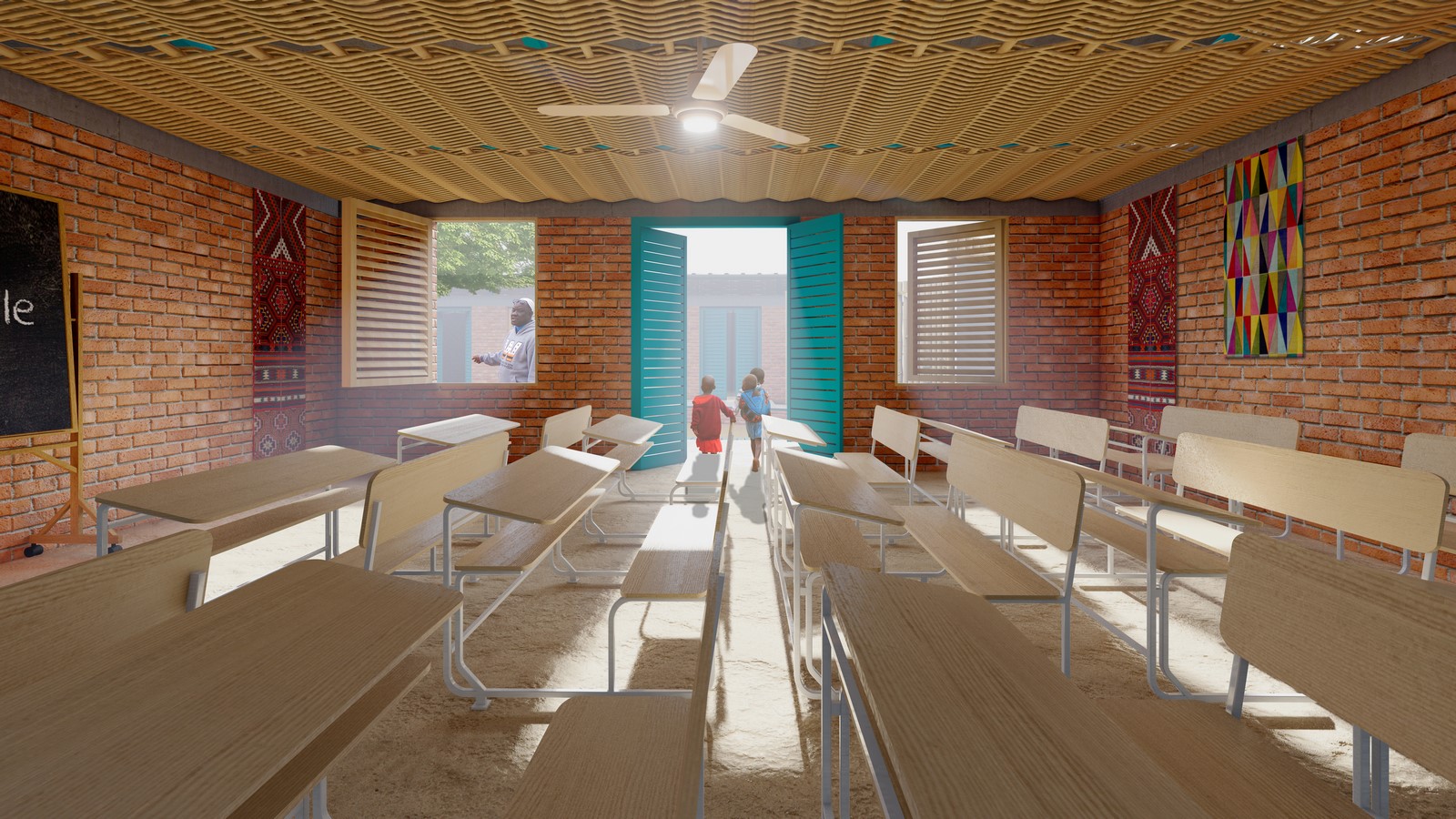
• Passive Environmental Design: Orientation, the central tree, and open-air circulation ensure ample daylight, breezes, and thermal comfort
- Spatial Layout
- Educational Wing: Seven classrooms and administrative spaces aligned to optimize sunlight and airflow
• Courtyard Core: A protected common space containing the library, dining area, and shaded outdoor learning zones
• Support Areas: Outdoor kitchen, small animal enclosures, orchards, and productive gardens
This configuration allows teaching to extend naturally into outdoor environments, creating a school where nature becomes part of the curriculum.
- Architectural Vision
The project demonstrates how a simple, low-cost architectural solution can still be rich in experience, deeply contextual, and environmentally intelligent. It offers a model that is easy to reproduce, adaptable to local needs, and grounded in ecological awareness.