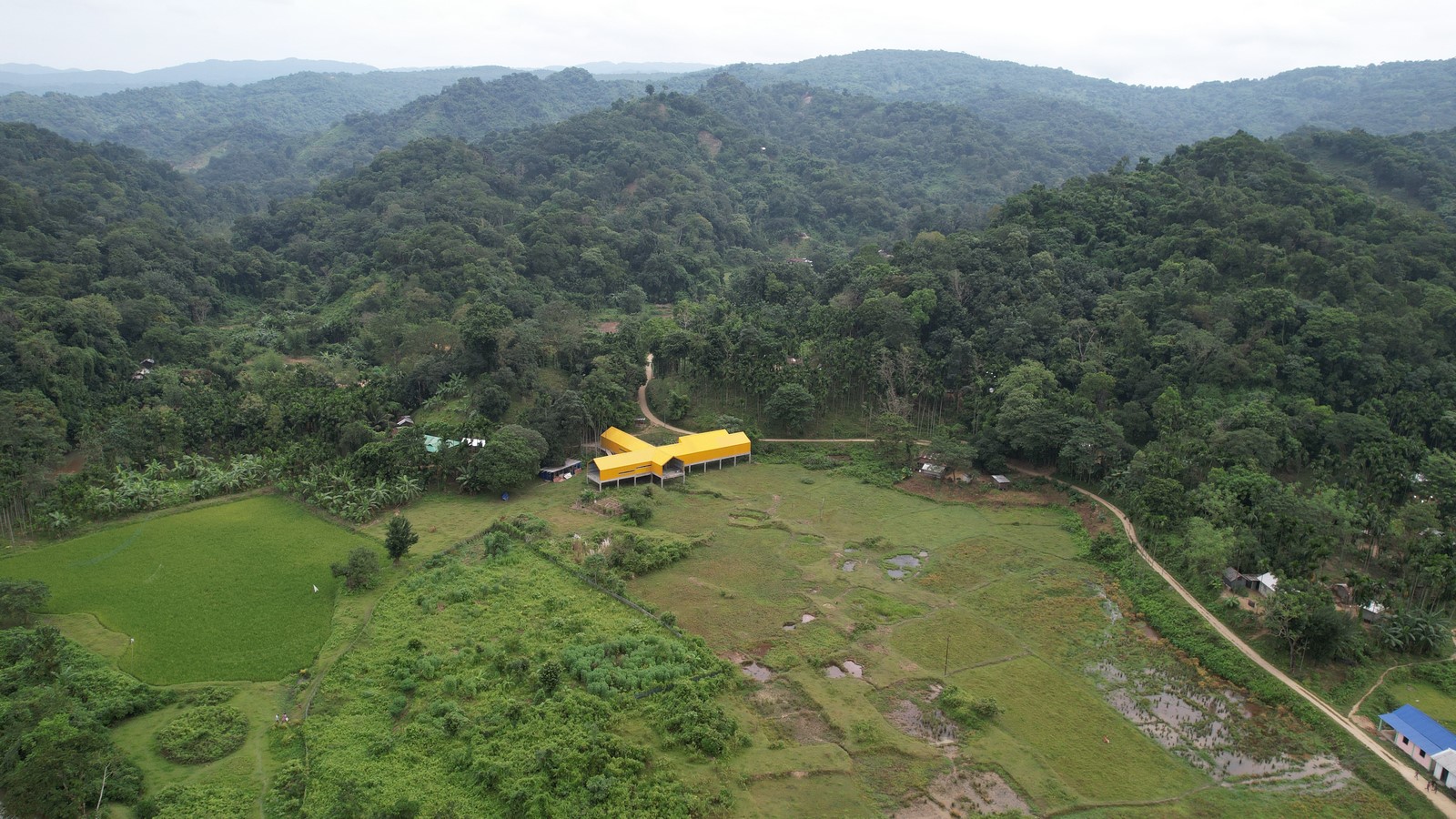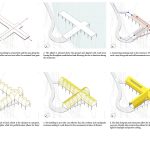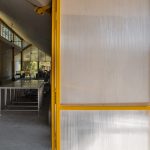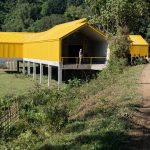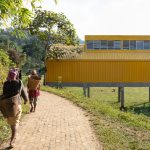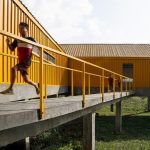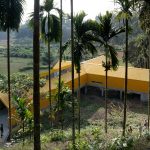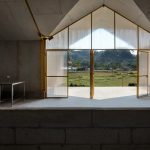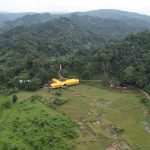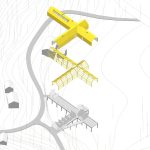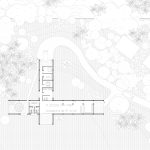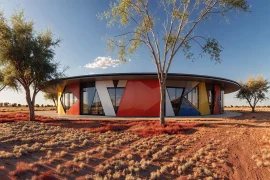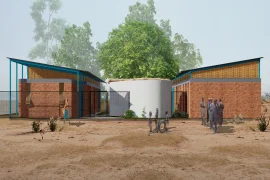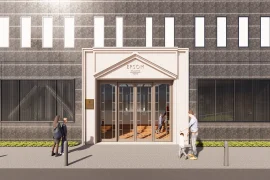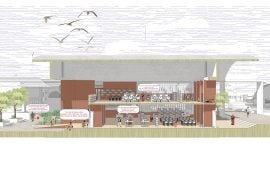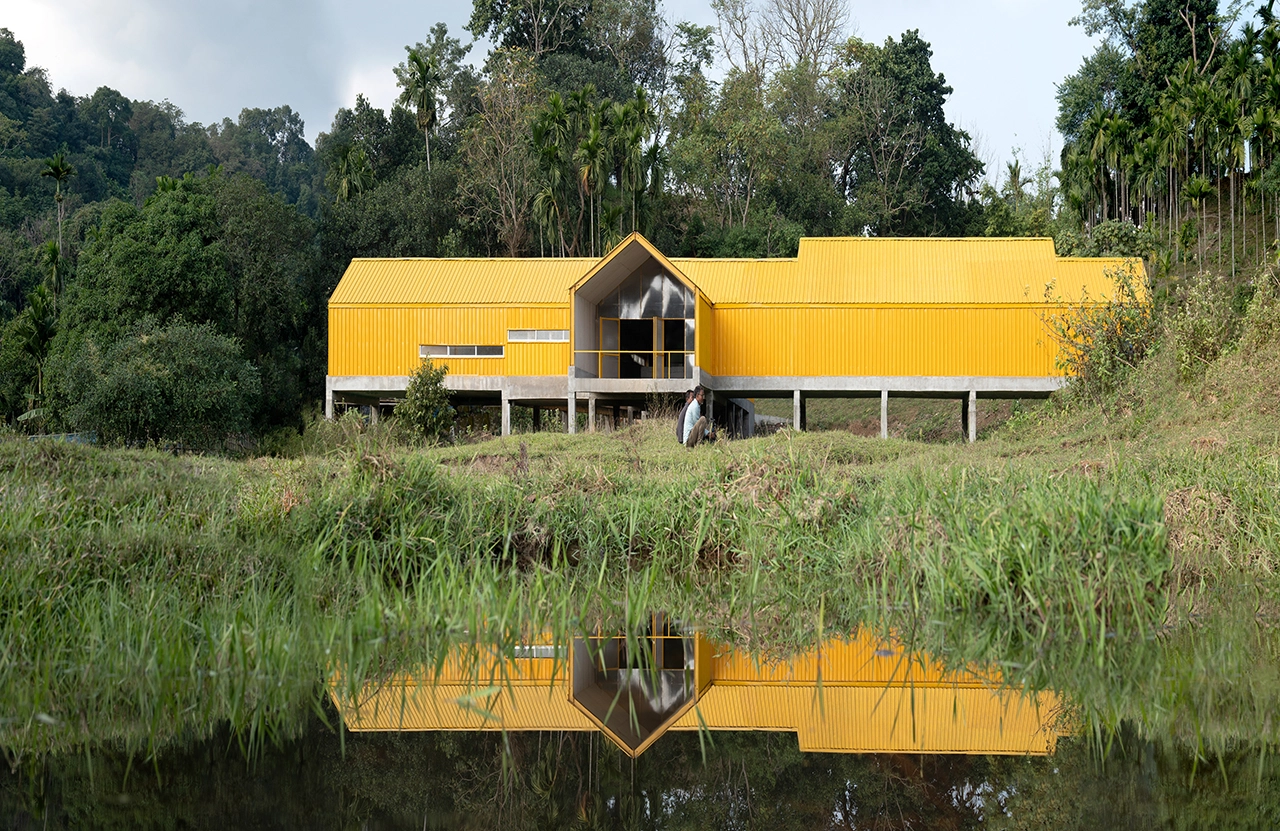
Located in the remote South Garo Hills of Meghalaya, one of India’s most isolated and ecologically sensitive regions, the Jackfruit Processing Unit and Community Centre strengthens local livelihoods while celebrating community life.
Project Name: Jackfruit Processing Unit
Studio Name: atArchitecture
Project location: Asia, India
Gross area in m²: 465.0
Photo credit: Avneesh Tiwari
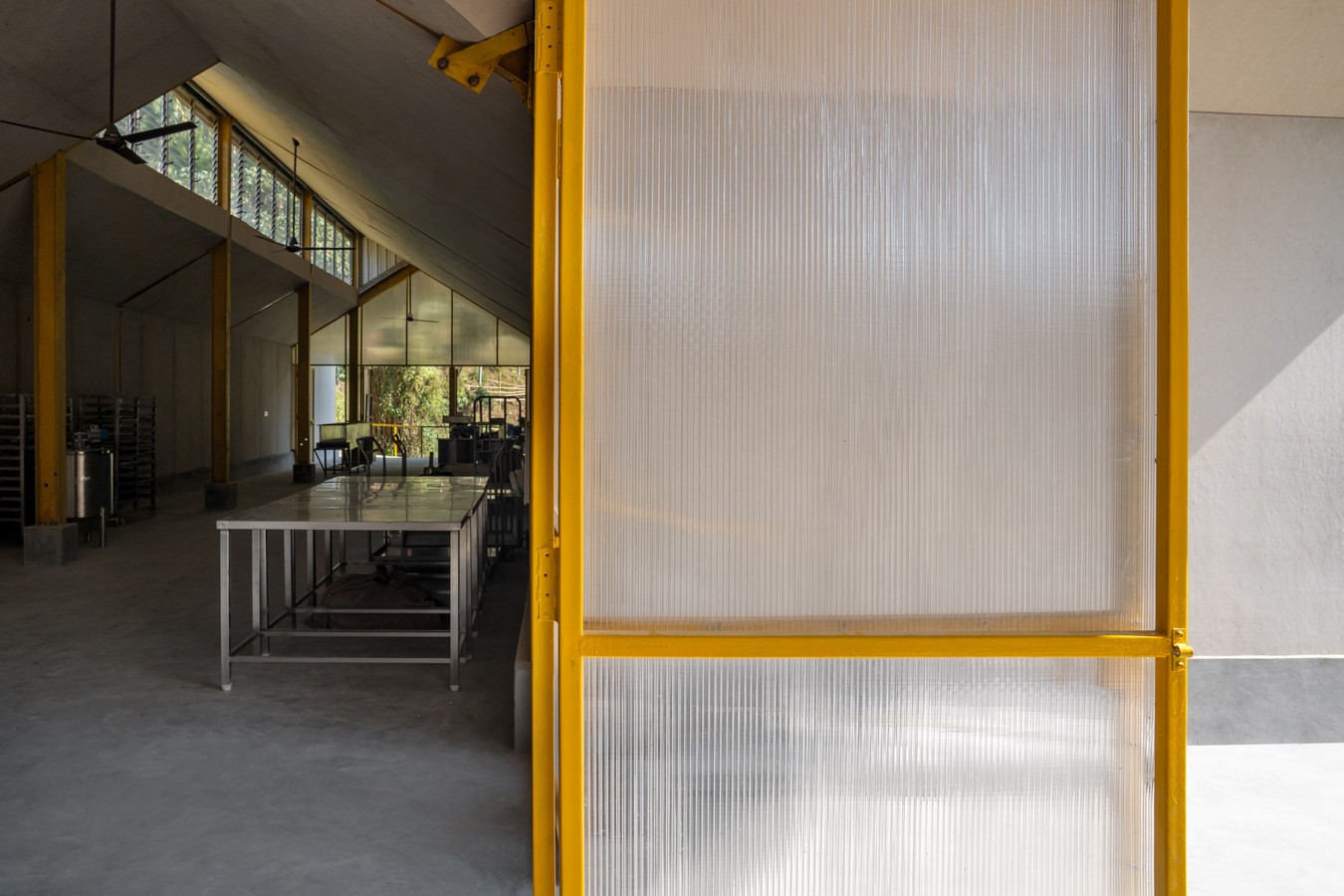
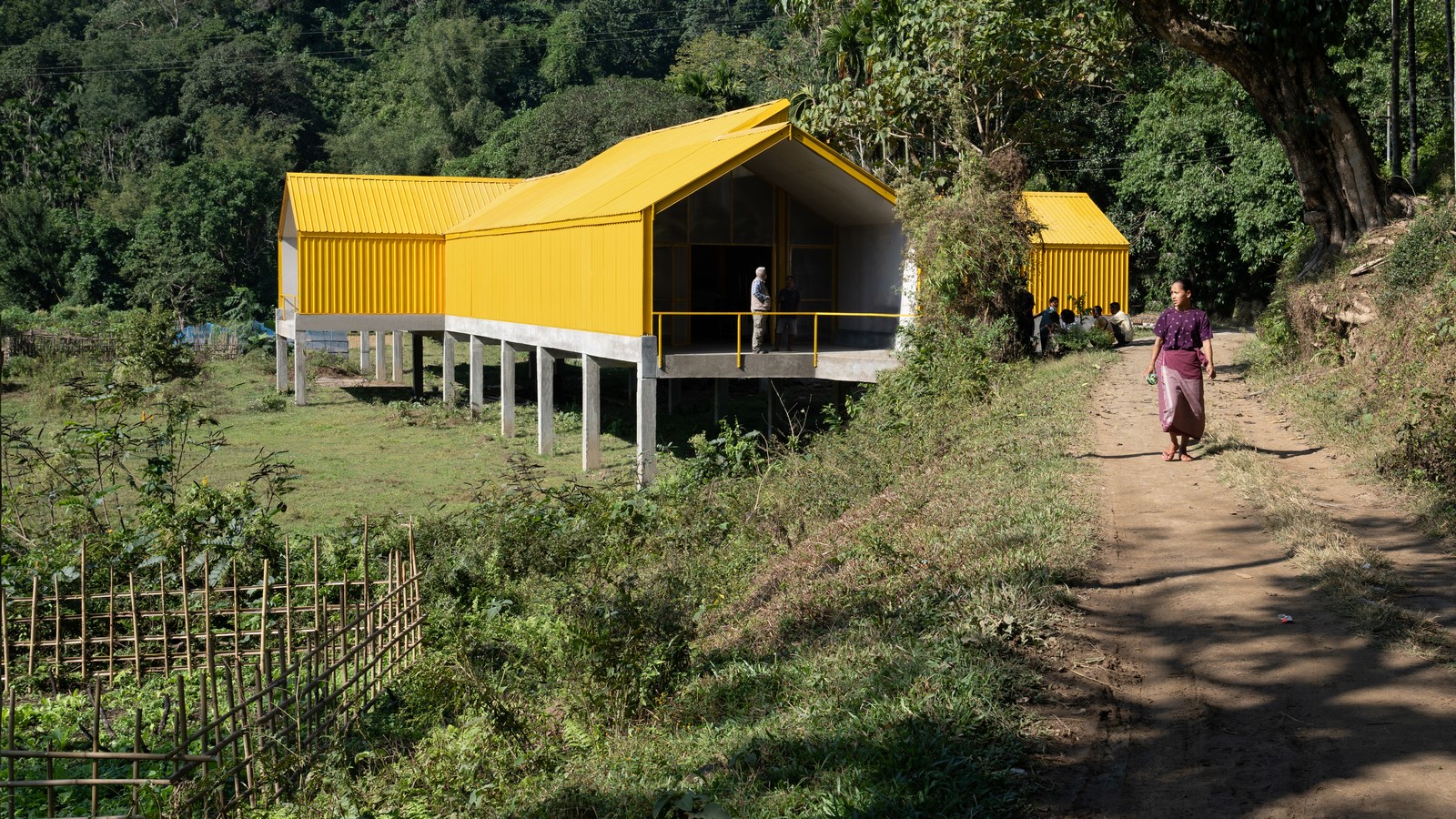
Funded by the government and developed for a farmers’ cooperative, it addresses the needs of a dispersed agrarian population. By linking production, processing, training and gathering in one place, the building serves both an economic and social hub for a dispersed agrarian population.
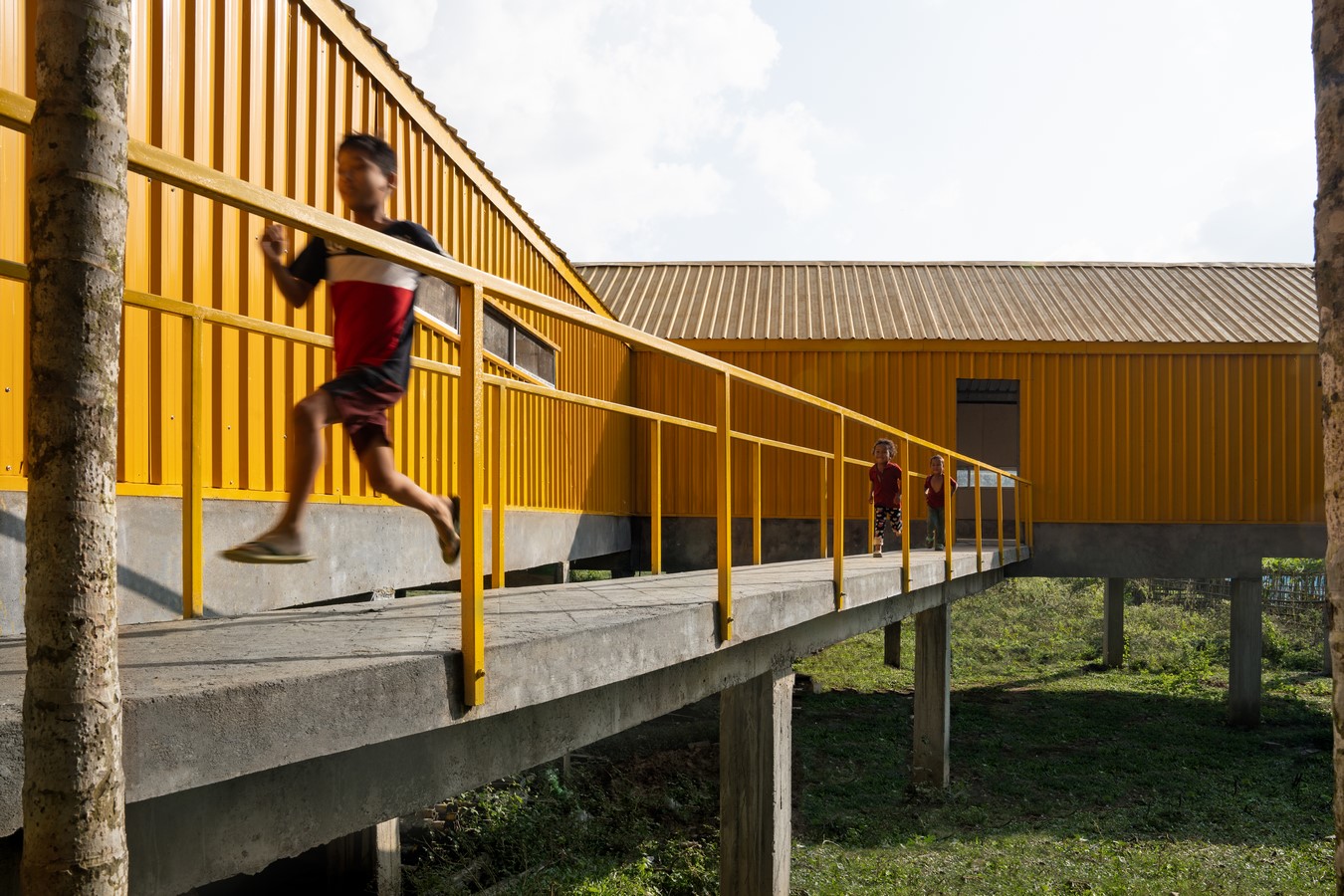
At the heart of the project lies a belief in participatory development. Two farmer groups form the backbone of the cooperative model: a producer network of 200 collectives and a processing group of 50 members. Together they ensure shared ownership and collective responsibility. The architecture supports this process by providing an efficient space for production, storage and training, while also hosting community events and meetings. In collaboration with AFISI, a local development organization, the project integrates capacity building, market access and business training. By pairing infrastructure with education, it strengthens local agency – especially among women, who now play an active role as both producers and processors.
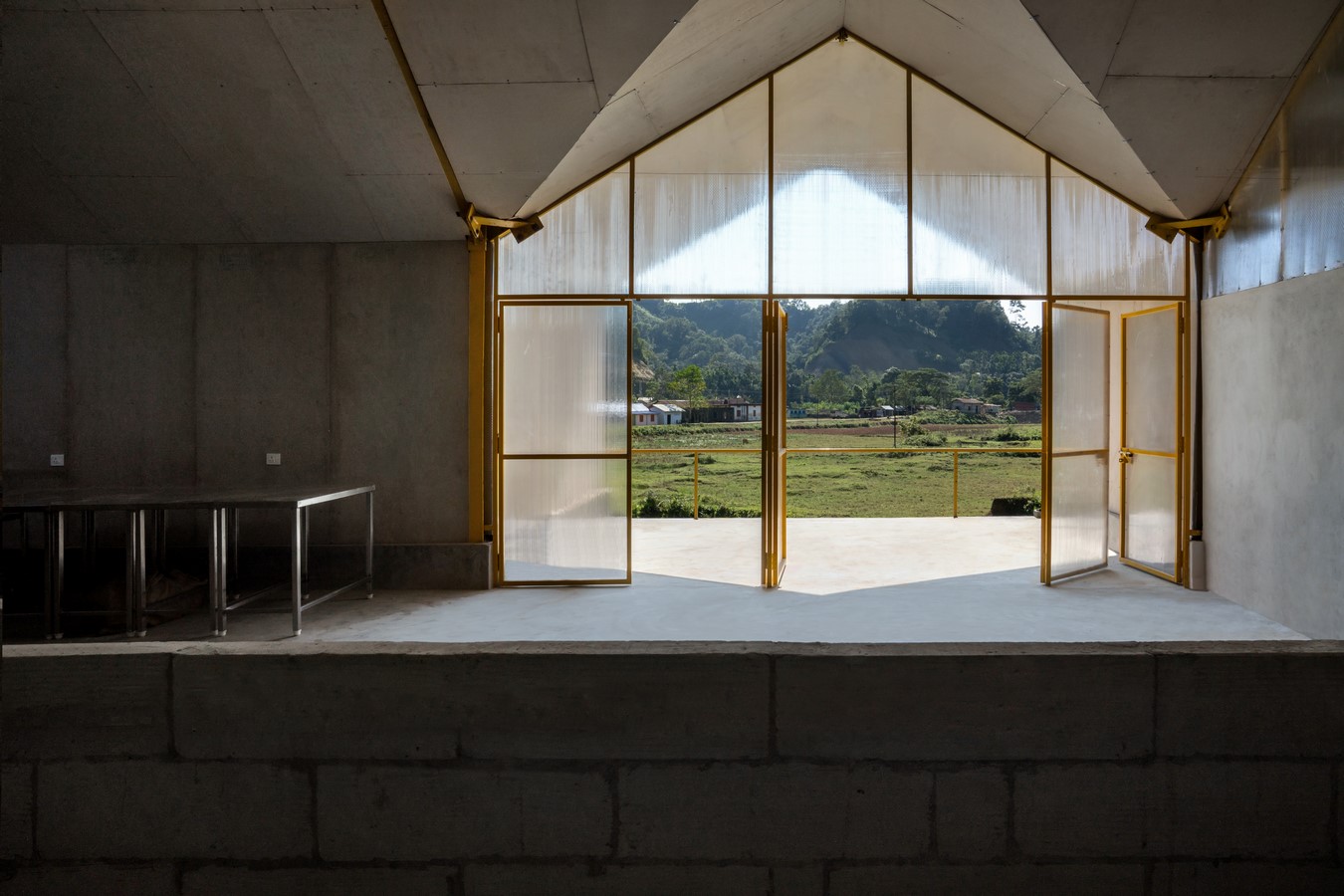
Advisory Committee ‘Jackfruit Processing Unit and Community Centre’ receives the award for Social Engagement for the dignity it brings to both place and people. It supports 50 farmers – 60 per cent of them women – and reaches over 4,000 through a cooperative model that transforms waste into opportunity. The goal is clear: to create income and resilience through collective intelligence. What appears simple at first is, in fact, remarkably powerful. Built with durable, easily transportable materials, the architecture is straightforward to maintain and deeply connected to its users. It brings farmers together, expands education and gives identity to a group often overlooked – those who usually receive only basic sheds. This community-driven project shows how architecture can quietly and meaningfully transform rural life.