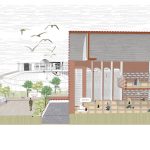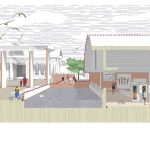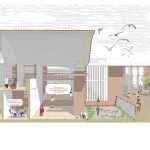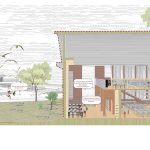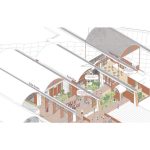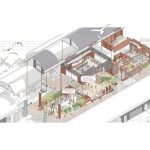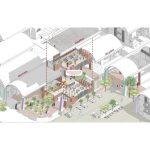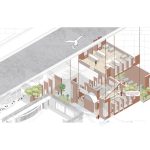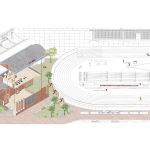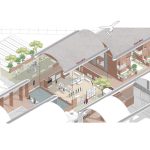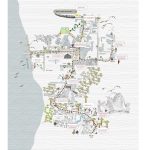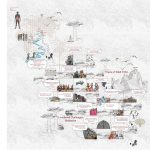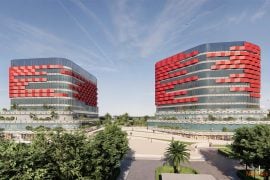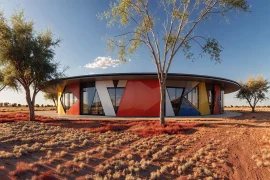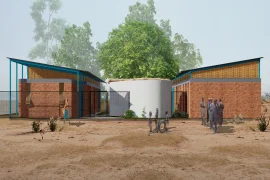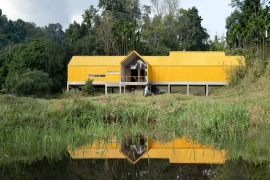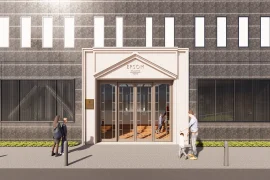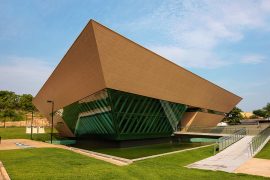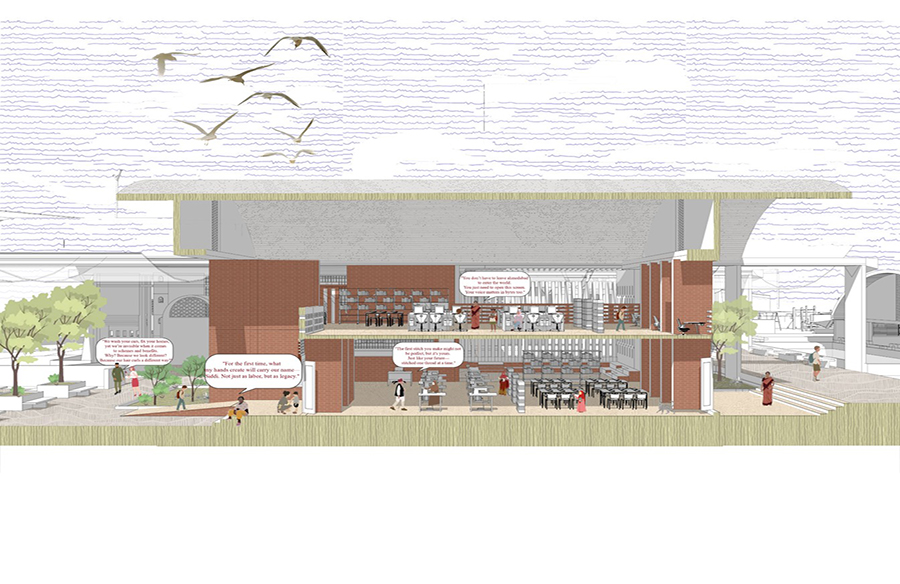
The Siddi community in Gujarat provides a deeply urgent answer. Africans by origin but Indians by nationality, the Siddis arrived centuries ago through trade and slavery routes, carried by Arab and Portuguese traders from Somalia, Ethiopia, and Kenya.
Project Name: Siddi
Studio Name: Habib Khan
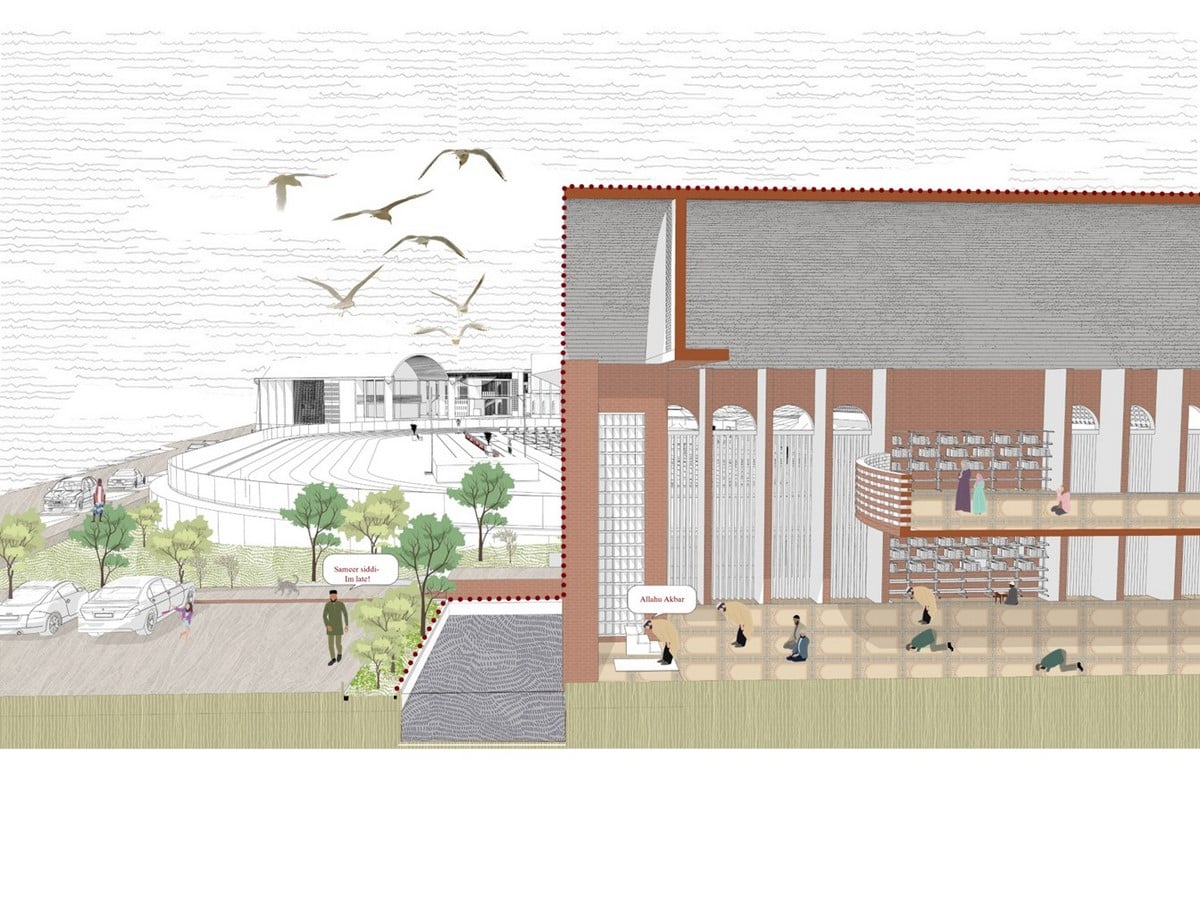
Over 400 years, they have built some of India’s most significant cultural landmarks from the undefeated Murud Janjira Fort on the Konkan coast to Ahmedabad’s world renowned Siddi Saiyyed Mosque with its intricate stone jalis. Malik Ambar, a Siddi leader, reshaped the politics of the Deccan, leaving behind a legacy of resilience and vision.
And yet, despite this rich history, the community today lives on the margins. Most Siddis are denied visibility, dignity, and basic infrastructure. Many live without pucca houses, sanitation, or secure land rights. Exclusion is layered: although recognized as a Scheduled Tribe in some regions like Saurashtra, Siddis in urban centers such as Ahmedabad often fail to access the same benefits. Poverty, discrimination, and social exploitation make collective progress harder, and households frequently crowd ten to fifteen people into small mud-walled dwellings.
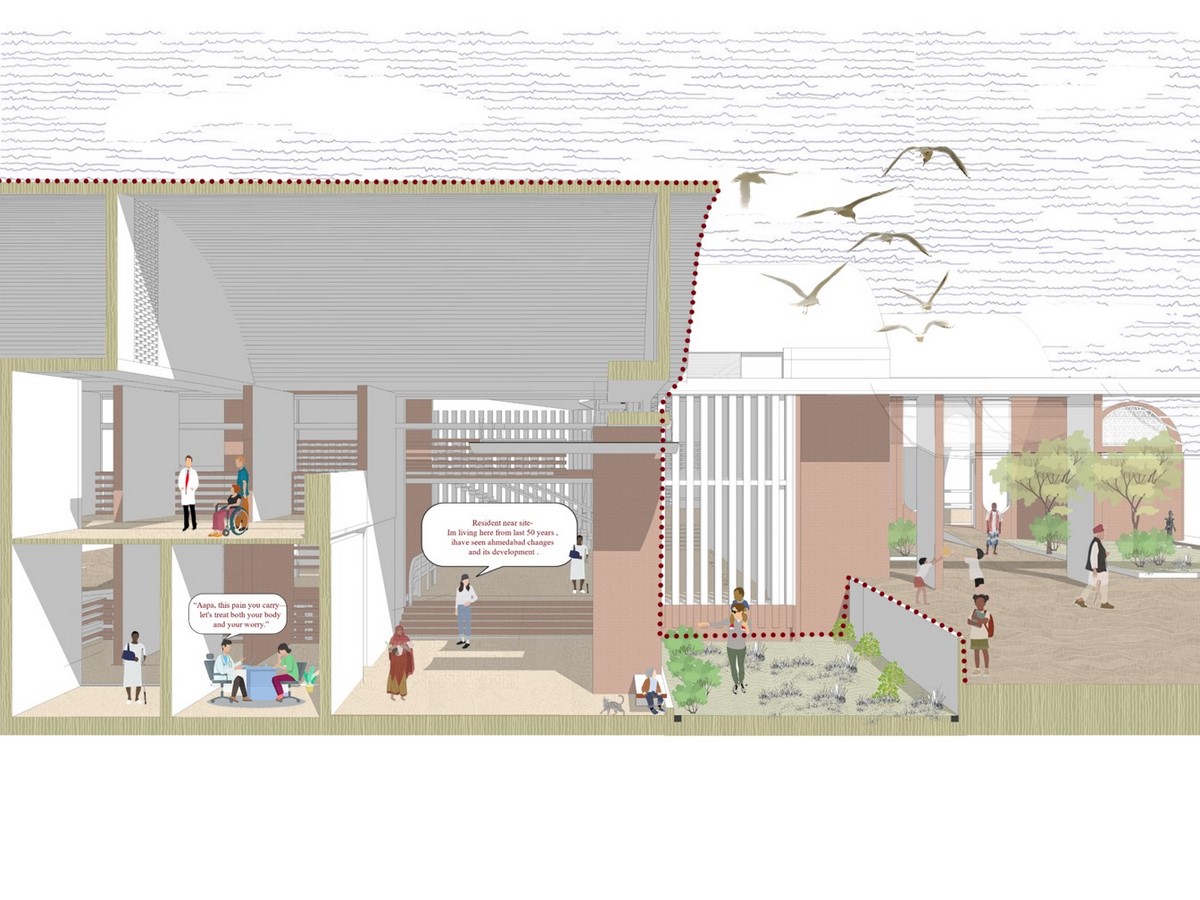
The statistics tell their own story: 43.7% of Siddis are children. This presents immense potential if education, healthcare, and sports are meaningfully invested in. The younger generation is eager for change, but the absence of proper schools, secondary education within reach, and supportive community spaces has locked them into cycles of hardship. Many young girls marry early due to financial pressure; many young men are forced into low-paying physical labor.
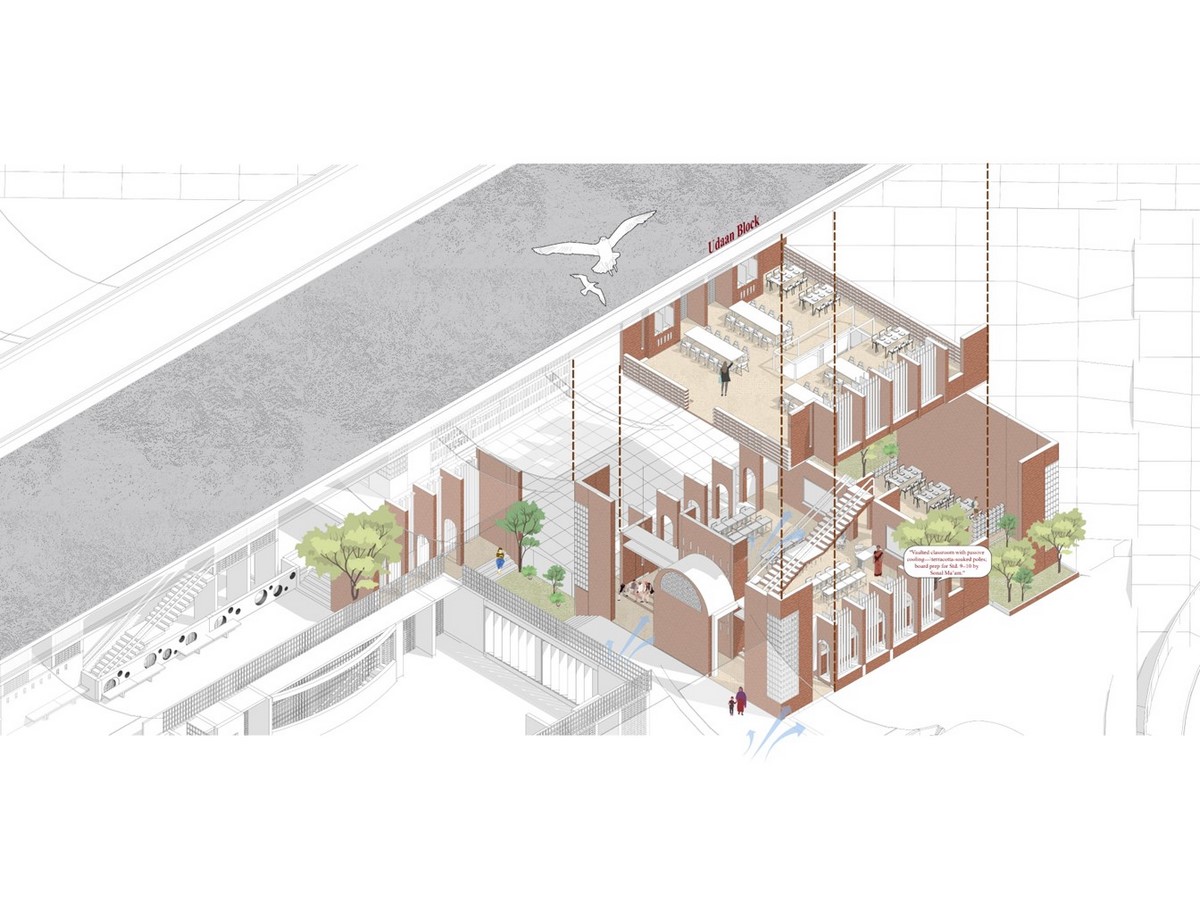
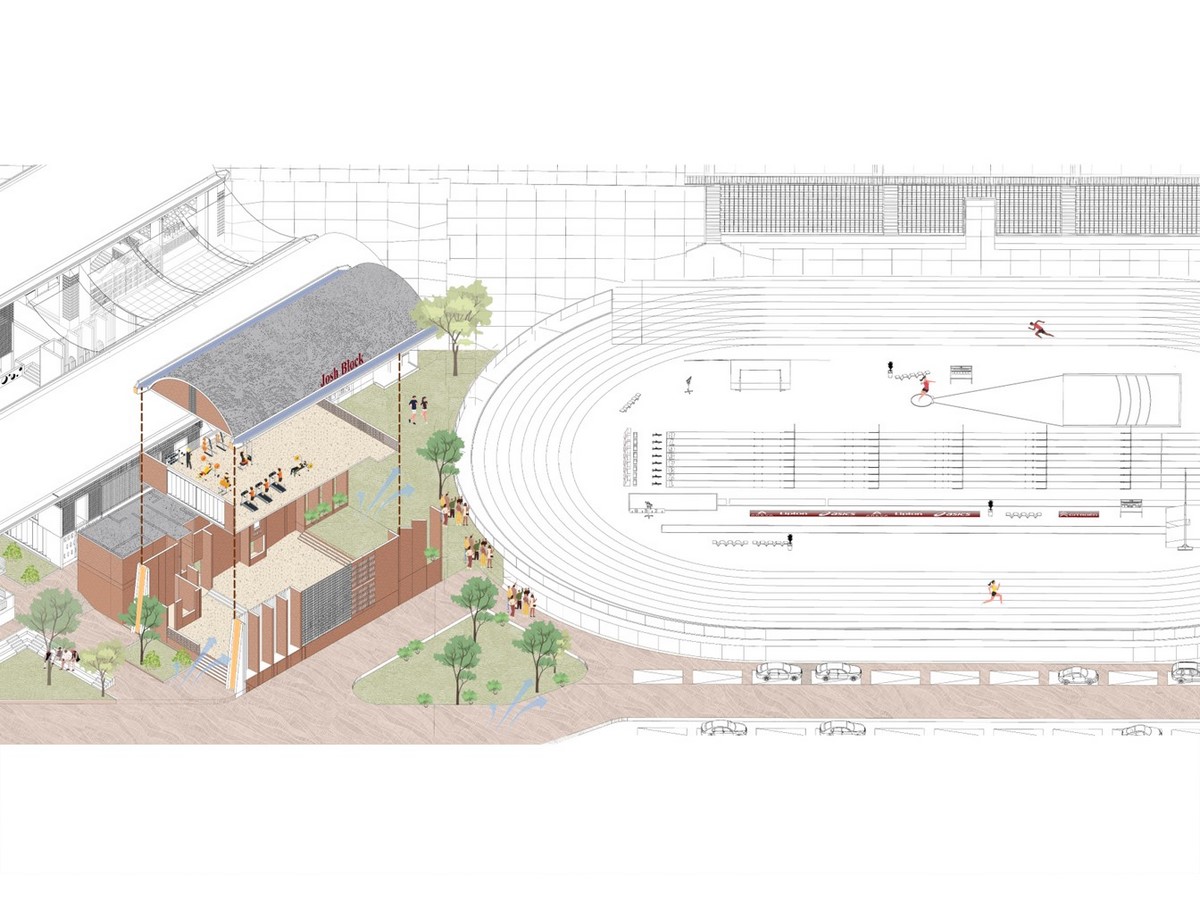
At the same time, Siddis carry an extraordinary cultural vibrancy. Their traditional music and dance especially the Dhamal or Siddi Goma are powerful symbols of spirituality and joy. Once performed at festivals like Baba Gor’s Urs, these performances are now fading or misused as entertainment in hotels. Their natural athleticism once inspired the Sports Authority of Gujarat to launch training programs in 1988, but these initiatives collapsed midway, leaving potential unfulfilled.
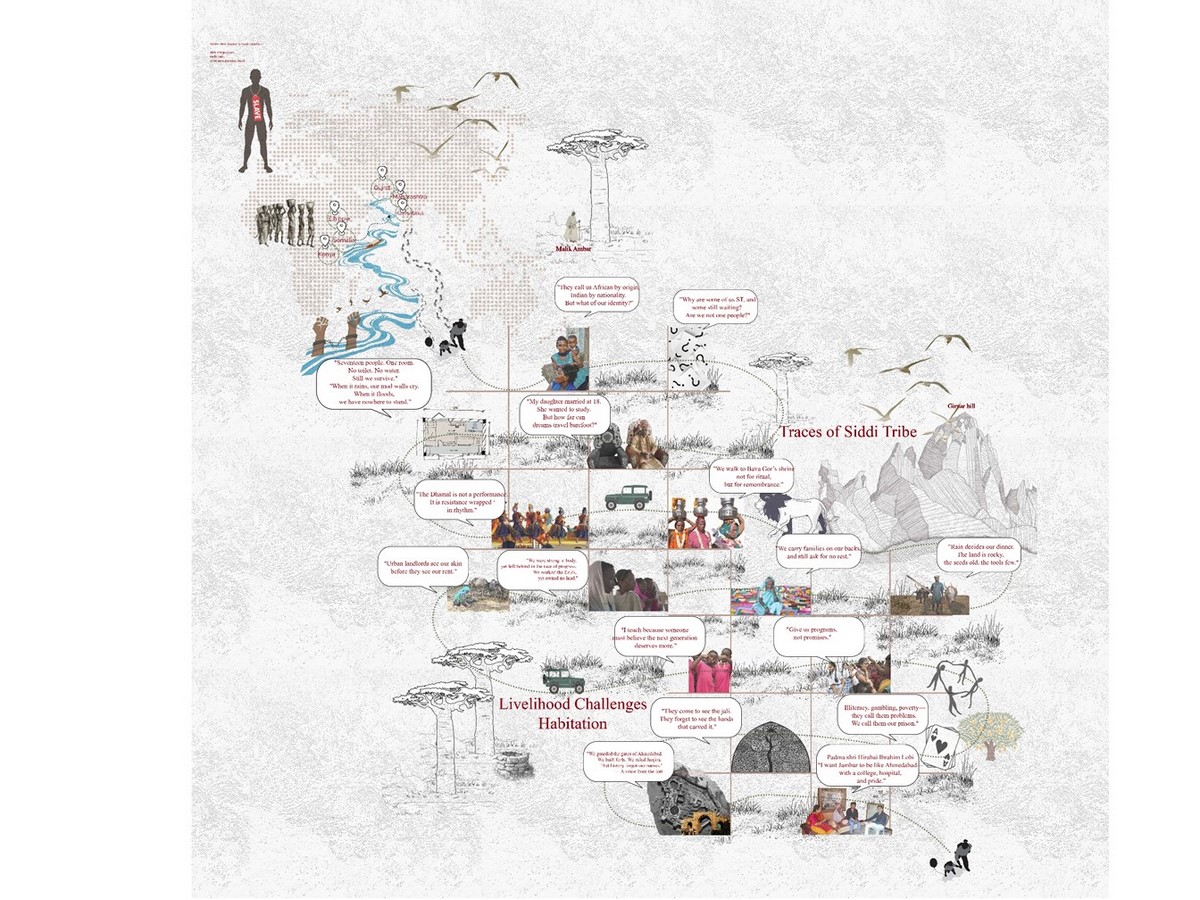
Community leaders like Padma Shri Hirabai Lobi in Jambur village have fought tirelessly for equal schools, hospitals, and jobs for the Siddis, but progress remains piecemeal. Nonprofits like the Aga Khan Rural Support Programme (AKRSP) and Bridges of Sports Foundation have shown glimpses of possibility education, skill training, and sports but the lack of permanent, inclusive community infrastructure continues to hold the Siddis back.