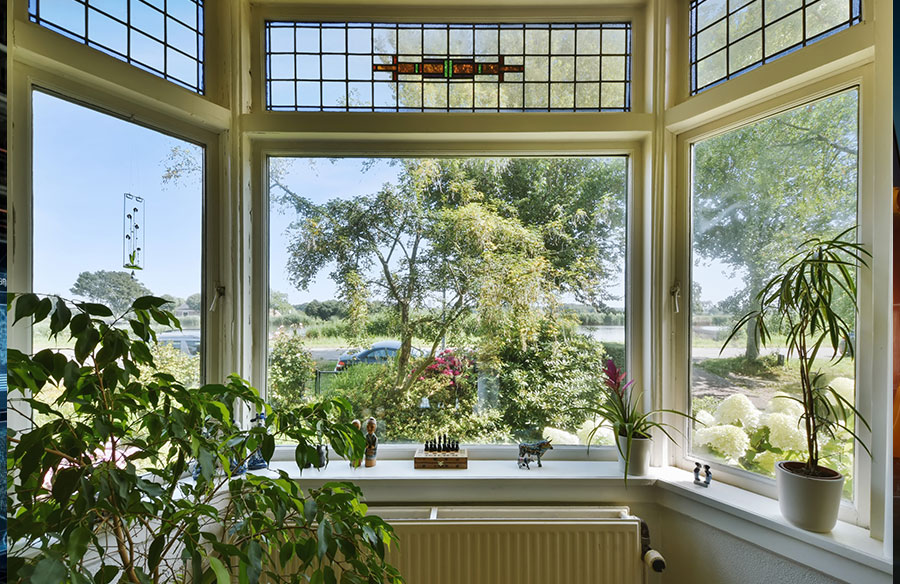
Windows are more than just architectural features. They act as mediators between your inner world and the external environment. Their design should be in alignment with your landscape’s character, taking into account its climate, honouring its views, and responding to its light.
Coastal Conditions
Homes by the sea require a unique kind of armour protected by glass. Salt spray and continuous winds necessitate durable materials. Marine-grade uPVC or aluminium frames have excellent corrosion resistance. Larger panes facing the sea capture that stunning view, but structural stability is paramount. Consider laminated glass for increased security against storm-driven debris. Excellent insulation is essential to combat persistent wetness and lower temperatures. Installing strong double glazing in Ayrshire, for example, directly combats the North Atlantic’s bite, keeping heat in and gale-driven wetness out. Functional casement windows should incorporate secure locking mechanisms to handle high winds.
Urban Environments
Living in the city is a different kind of riddle: how to have as much light as possible and as little intrusion as possible. It is a matter of filtration and framing on your part. The tilt-and-turn systems allow safe ventilation without swinging into narrow alleyways. In the case of rooms that face the street, acoustic glazing is a game-changer, creating a peaceful interior sanctuary amidst the outer chaos. High-up windows on the walls to capture a sky view and, at the same time, avoid being seen by the surrounding structures. The smart-tinting or reflective glass can also control the glare reflected by the structures around the building without necessarily using blinds. Think of them as one-way lenses for city life.
Rural Vistas
In this case, the main asset is the view itself. The selection of windows turns to dissolution, the deletion of the line between the interior and the expansive exterior. Large, permanent picture windows serve as living landscape paintings. Add to these flanking casements or narrow sliders to bring in air. Timber frames usually feel the most suitable and are fitting with nature. Install small grilles or window decals that will eliminate the chances of birds colliding. Rural dwellings tend to experience larger temperature variations, so triple-glazed products offer a better thermal performance that will ensure you are comfortable under vast, star-cold skies.
Mountain & Alpine Settings
Dramatic settings require both a great deal of pragmatism and drama. It is necessary to figure out the structural loads caused by heavy snow. Deep-set frames and robust sills manage accumulation. Low-E coatings on argon or krypton-filled windows are necessary to protect valuable heat from cold air. To maximise passive solar gain on shorter winter days, south-facing elevations should have a lot of glass. Conversely, minimise northern exposure. Windows here aren’t only for looking out; they are vital for gathering every potential ray of sunshine to warm your home.
Hot & Arid Climates
The primary enemy is solar heat gain. Window design becomes an exercise in deflection and thermal mass. Small, strategically placed apertures in thick walls can create light wells without overheating interiors. Deep overhangs or exterior shading devices like brise-soleil block high summer sun. Spectrally selective glazing allows visible light to enter while rejecting infrared heat. Traditionally inspired designs, like shaded courtyards with screened mashrabiya windows, promote cooling cross-ventilation, an ancient, effective technology.
Temperate & Variable Zones
In the case of changeable climates, flexibility prevails. The combinations are the best: fixed panel views, in combination with high-performance awning or hopper windows, which can be left open during drizzles. Think of the seasonal course of the sun; it may be possible to have an overhang that shades in the summer but lets the deeper light of winter through to provide natural warmth. Composite frames are durable and low-maintenance, which withstand regular moisture and sun exposure. In this case, the windows should be ready to withstand anything from a gentle breeze in spring to a hurling autumn rain.
Ultimately, your windows should feel like an organic aspect of your property. They have to frame the unique beauty outside while solving local weather problems. Consult with professionals who understand the area. Then, give your house a clear, cosy, and intelligent view of the outside world. The right view is waiting.