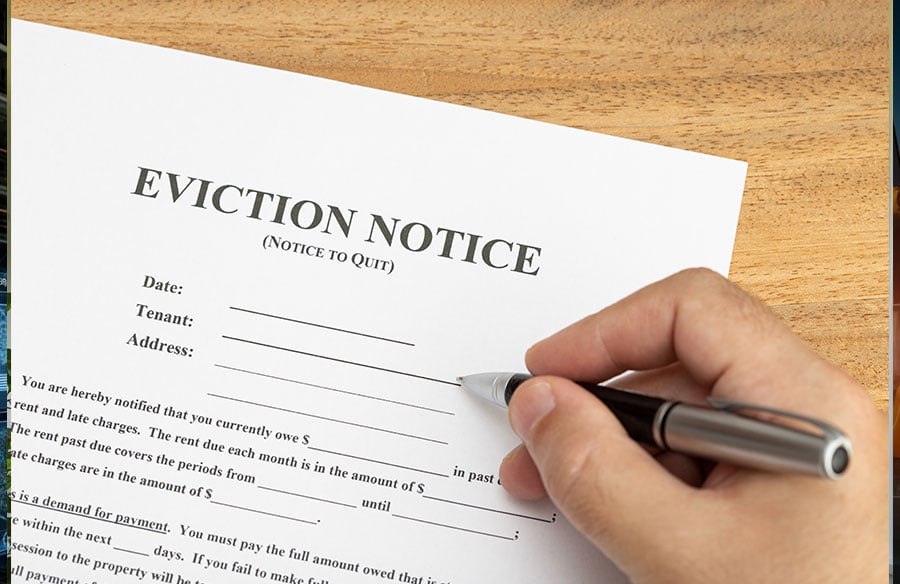
Prevention Instead of Reaction
Most eviction disputes do not start in a courtroom. They start months earlier, when a tenant and a landlord sign a lease that leaves too many questions unanswered. Was the grace period for rent actually clear? Who fixes the air conditioning? How much notice is needed before a landlord can enter the space?
When those details sit in a gray area, pressure builds until someone reaches for an eviction filing.
Thoughtful lease drafting flips that script. Instead of waiting for conflict and then paying lawyers to argue over vague language, owners, asset managers, and corporate tenants can treat the lease as a risk-control document. It sets expectations on money, maintenance, conduct, and exit rights before there is any disagreement. That matters in a world where about 21 percent of renters report a serious dispute with a landlord, most often about rent or deposits.
Real estate focused law firms such as KEW Legal make this very concrete for clients who own or operate portfolios of residential and commercial property. Their lawyers see daily what types of clauses end up litigated and which ones quietly keep relationships stable. As the KEW Legal team puts it, “We often see that precise lease language on payment terms and maintenance responsibilities prevents many disagreements from turning into eviction filings.” Drawing on that kind of case experience, landlords and tenants can refine their standard documents so that minor issues are resolved with an email, not a lawsuit.
Across the United States, an estimated 7.6 million renters are threatened with eviction each year, and the vast majority of tenants stand in court without a lawyer, while most landlords arrive with representation. In that environment, the lease becomes the main guardrail for both sides. Clear, balanced clauses reduce the chance of default in the first place and also guide judges or arbitrators if a dispute does arise. With that foundation, it makes sense to start at the very beginning of the tenancy: how you screen and accept applicants.
2. Screening and Application Provisions
Screening is often treated as an operational chore: pull a credit report, verify income, and move on. From a dispute-prevention perspective, it deserves much more attention in the lease system and related documents. Application forms, eligibility criteria, and authorization language should all work together to support consistent, lawful decisions.
Clear written criteria
Written rental criteria help show that decisions are based on objective factors rather than personal preference. Typical elements include:
- Minimum income or rent-to-income ratio
- Minimum credit score or description of acceptable credit history
- Limits on prior evictions or serious lease violations
- Rules on pets, occupancy limits, and guarantors
Publishing those criteria with the application gives applicants a realistic view of their chances and reduces arguments about “why I was denied” later. It also helps property managers defend their decisions if a rejected applicant alleges unfair treatment.
Handling authorizations and disclosures
The application should clearly authorize the landlord or property manager to run credit and background checks and explain how that information will be used and stored. In some jurisdictions, there are specific disclosure obligations, fee limits, or timing rules for background checks.
Florida, for example, treats the rental agreement as binding once signed and does not give tenants a general cooling-off period. That makes the walk-through, the application, and any written promises about repairs especially significant. If an owner promises to fix conditions before move-in, those commitments should appear in writing, either in the lease or a signed addendum.
A thoughtful screening package leads naturally to the next question tenants care about most: how, when, and where they will pay rent and what happens if they are late.
3. Rent, Fees, and Security Deposits
Money terms are the heart of any lease, and they are also the most common flashpoints. Clear rent and security deposit clauses reduce nonpayment disputes and limit surprise fees that might push a tenant into default.
Key elements to spell out
At minimum, the lease should specify:
- Base rent amount and what it covers
- Additional rent items, such as common area charges or utilities
- Due date and any grace period
- Acceptable payment methods and where payments are made
- Late fees and returned payment fees, with amounts or formulas
- Security deposit amount, purpose, and handling rules
Research on the rental market shows that about half of tenants fall behind on rent at least once and that collected rent averages about 86 percent of what is billed for tenants without subsidies.
In that setting, a vague payment clause is an invitation for recurring argument.
Example: Money clauses that head off disputes
The table below gives a quick snapshot of how specific wording about rent and deposits can prevent later conflict.
| Clause topic | Question your lease should answer clearly | Risk if unclear |
| Base rent & due date | Exactly what is the monthly base rent and on what calendar date? | Tenants claim they paid “on time”; landlords claim payments were late. |
| Grace period | Is there a grace period, and does it change the legal due date? | Confusion about when default starts and when late fees apply. |
| Late & returned fees | How are late fees and returned payment fees calculated and capped? | Tenants challenge fees as excessive or unlawful. |
| Security deposit handling | When and how can deposits be used and when will they be returned? | Disputes over damage claims and missed statutory deadlines. |
| Additional rent | Which pass-through costs count as “additional rent”? | Unexpected charges lead to nonpayment or partial payment. |
For example, Florida law gives landlords 15 days to return the security deposit if they do not plan to claim any of it, or 30 days to send written notice of a claim, often by mail or email, with the tenant then having 15 days to object. Aligning your lease deposit clause with those statutory deadlines and communication methods avoids fights over technical compliance later.
Once money terms are clear, the next step is spelling out what counts as default and how each side can cure problems before they spiral into eviction.
4. Default and Cure Clauses
Many eviction disputes concentrate on one question: has the tenant defaulted under the lease, and did the landlord follow the right process before filing? A well drafted default section helps both parties answer that question without guesswork.
Monetary default
For monetary defaults, such as unpaid rent or charges labeled as “additional rent,” the lease should:
State that rent is due without demand, unless you intentionally allow a demand requirement
- Clarify whether partial payments stop or pause default
- Describe any grace period and how it interacts with statutory notice periods
- Explain that returned payments are treated as unpaid rent once dishonored
In Florida, for example, landlords generally must serve a 3-day notice (excluding weekends and legal holidays) demanding payment or possession before filing for nonpayment of rent. If your lease mentions a longer grace period but does not sync with that rule, you invite arguments about timing and service of notice.
Nonmonetary default
Not every eviction stems from missed rent. Noise complaints, illegal uses, unauthorized occupants, and property damage also feed the docket. Your lease should:
- Define specific nonmonetary defaults, such as repeated noise violations, illegal activity, or unauthorized alterations
- Distinguish between issues that can be cured and those that trigger immediate termination (for serious damage or dangerous conduct)
- Provide a clear written notice and cure period for issues that are fixable
Many state laws, including Florida’s landlord tenant statute, give tenants a 7-day opportunity to cure certain lease violations before the landlord can terminate, except in severe cases such as intentional damage or ongoing unreasonable disturbance. Aligning lease language with those statutory cure rules lowers the odds that an eviction will be dismissed on procedural grounds.
Waiver and acceptance of rent
One recurring litigation issue is whether a landlord waived a default by accepting rent with knowledge of the problem. A thoughtful lease can address waiver explicitly, stating that acceptance of rent after default does not waive other breaches unless the landlord states otherwise in writing. Courts will not always accept sweeping waiver clauses, but they can still frame expectations and guide behavior.
Once default concepts are clear, the next question is often whether the underlying complaint even belongs to the landlord or the tenant. That depends heavily on how maintenance, repairs, and access are allocated.
5. Maintenance, Repairs, and Access to the Premises
Few topics sour a tenancy faster than recurring repair battles. Did the landlord respond fast enough? Did the tenant allow entry? Is the mold issue a structural problem or the result of how the space is used? The lease should set out maintenance and access rules with as much specificity as rent clauses.
Allocating responsibilities
Residential and commercial leases handle this differently, but the goal is the same: both sides know who is responsible for what. A balanced maintenance section might:
- Assign structural components (roof, exterior walls, foundation) to the landlord
- Assign routine cleaning and minor interior upkeep to the tenant
- Clarify responsibility for systems like plumbing, HVAC, and electrical, which Florida law often requires landlords to keep in good working order if there is no different written agreement, especially in apartments.
Explain who calls and pays for emergency services, such as fire or flood response
Access and inspection rights
Access clauses need to balance a tenant’s right to quiet enjoyment with the owner’s safety and inspection needs. Florida’s statute, for example, defines “reasonable notice” for nonemergency entry as 24 hours and limits routine entry to specific hours.
Many other states have similar rules.
A practical access clause should:
- Set notice periods for nonemergency entry
- List valid reasons for entry, such as repairs, inspections, showings, or emergency response
- Prohibit harassment or abuse of access rights
- Encourage documentation, such as written or electronic notices and logs of entry
When tenants understand maintenance and access expectations, day-to-day operations run more smoothly, and use of the premises becomes the next key topic.
6. Use Clauses and Restrictions
Use clauses sound simple: “residential purposes only,” or “general office use.” In practice, they shape risk for the entire building. Poorly framed use clauses can turn into disputes over short-term rentals, noisy businesses, or illegal activity.
For residential properties, use clauses typically address:
- Residential occupancy only, not hotel or short-term rental use
- Limits on home-based businesses
- Rules on guests, subletting, and assignment
For commercial properties, they may:
- Describe the permitted business type with enough flexibility for normal changes
- Prohibit activities that strain building systems or parking
- Ban hazardous materials or unusually high loads on floors or utilities
Restrictions are much easier to enforce if they match local law and building operations, such as zoning limits or recorded covenants. If a tenant’s use damages the property or disturbs neighbors, a clear use clause supports both cure notices and, if needed, a later eviction action.
Once the daily use of the space is clear, the next question is how the relationship can end before the scheduled lease expiry without resorting to blunt eviction tools.
7. Early Termination and Surrender Provisions
Even well managed tenancies sometimes need an early exit. Businesses re-size, families relocate, and buildings change hands. Early termination and surrender clauses provide structured paths for those changes instead of leaving both sides to argue over abandoned property and unpaid rent.
Key elements include:
- Any agreed early termination rights or “break options,” including notice periods and fees
- Rules for surrender: how keys are returned, how utilities are transferred, and what “broom clean” means in that building
- Holdover rent if the tenant remains after the end of the term, usually at a higher rate
- How future rent claims are calculated if the tenant departs early without agreement
Florida law, for example, allows landlords to choose among several remedies if a tenant breaches early: terminate and retake possession, retake and relet while holding the tenant liable for the difference, or stand by and hold the tenant liable for ongoing rent.
A lease that explains which remedy the landlord is likely to use and how the calculation works can reduce surprise and encourage negotiated exits instead of contested evictions.
Clear exit rules naturally lead into how disputes about those exits will be handled: across a courtroom aisle or at a settlement table.
8. Dispute Resolution and Attorney Fee Clauses
The lease is also the place where parties choose their dispute path. Do they want mandatory mediation before a filing? Is arbitration appropriate for commercial leases where speed and privacy matter? Who pays attorney fees if litigation becomes unavoidable?
Many jurisdictions allow fee shifting if the lease provides for it. A one-sided attorney fee clause (benefiting only the landlord) may even be read to apply reciprocally to the tenant in some states. Fee clauses influence strategy: if both sides know that the prevailing party can recover reasonable attorney fees, there is often more incentive to settle early.
Some owners add a structured dispute resolution ladder:
- Internal escalation between property manager and a designated tenant representative
- Nonbinding mediation within a set time frame
- Litigation or arbitration if needed
Given that tenants rarely have counsel in eviction court, while most landlords do, even a short mediation step can give both sides a chance to resolve issues before a formal judgment appears on a tenant’s record.
Once you have a basic dispute framework, the last structural piece is making sure that all addenda and property-specific clauses support, rather than contradict, the main form.
9. Addenda and Property-Specific Clauses
Modern projects rarely run on a single clean lease form. Parking decks, storage rooms, amenities, pets, short-term rentals, co-working areas, and green building features often sit in separate addenda. Every extra page is another chance to create inconsistency.
Common addenda include:
- Parking and storage agreements
- Pet or assistance animal rules
- Amenity rules for pools, gyms, or shared workspaces
- Industry-specific clauses, such as medical waste handling or restaurant venting
- Technology and data clauses for smart building systems
A practical habit is to treat the lease and its addenda as a single document that should read in a consistent voice. Definitions in the body of the lease should match definitions in the addenda, and any conflict language should be explicit: which document controls if there is inconsistency?
Once owners and managers see the lease family as a living system instead of a stack of forms, it makes sense to step back and plan for regular updates based on real cases, new laws, and feedback from the field.
The takeaway?
Good leases are not static. They respond to legislation, case law, and hands-on experience at the property level.
Note: This article is intended for general information for commercial property owners and managers and does not constitute legal advice. Always consult qualified counsel in your jurisdiction before acting on specific tenant disputes or evictions.
Sources: https://www.fdacs.gov/Consumer-Resources/Landlord-Tenant-Law-in-Florida