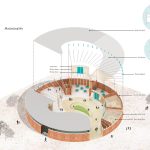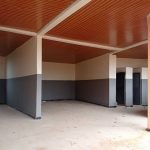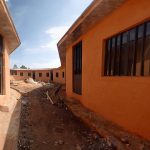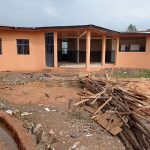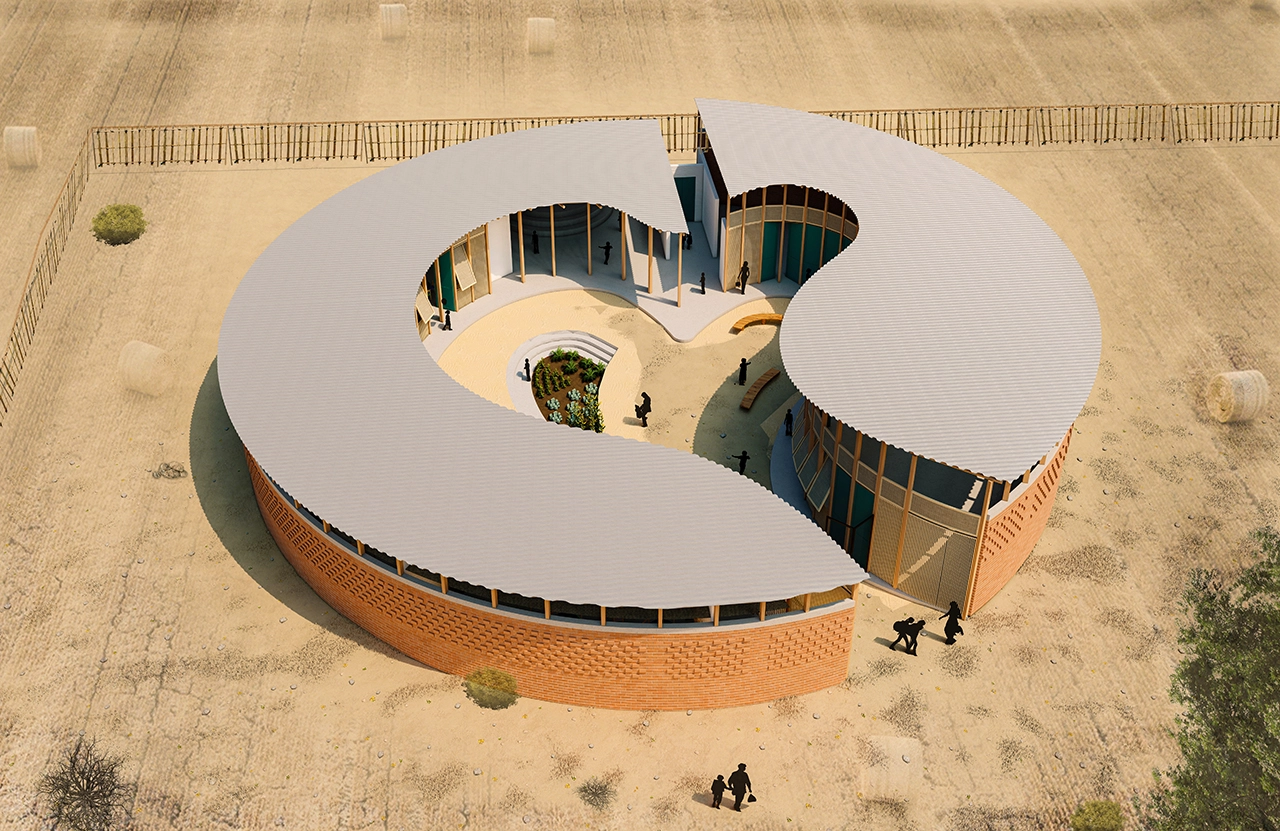
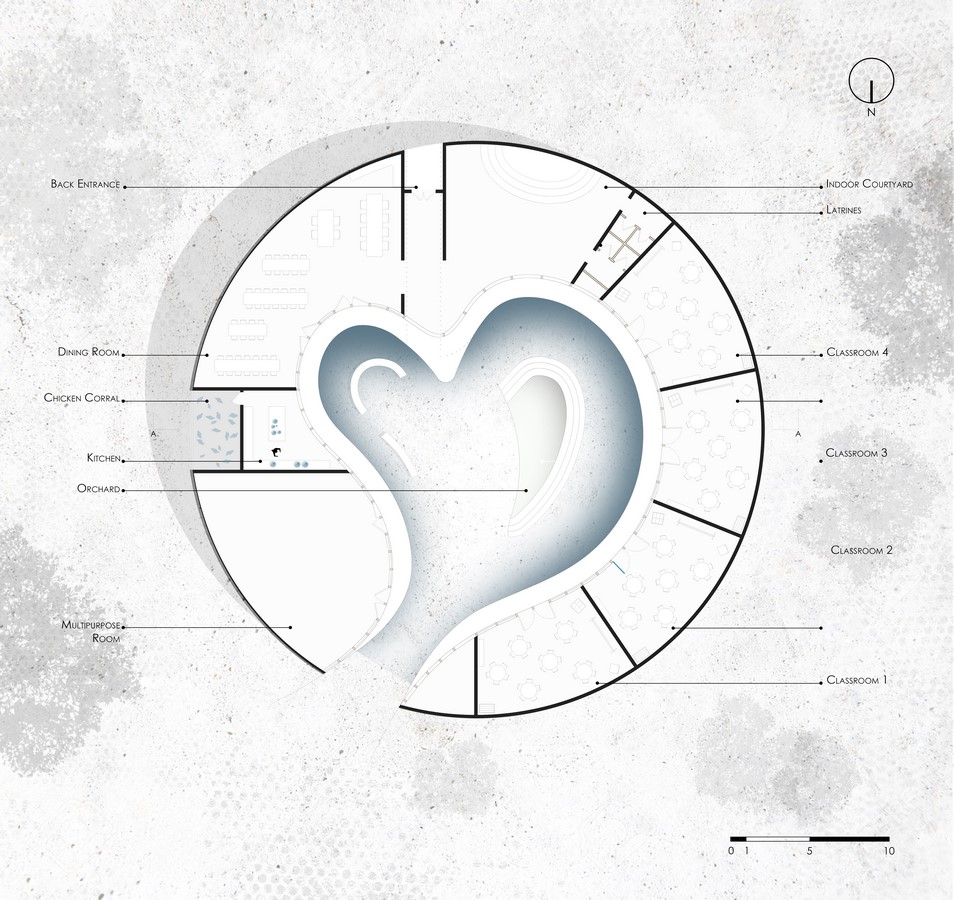
The design takes its name from its heart-shaped courtyard, which becomes both a spatial anchor and a symbolic gesture. It reflects the project’s humanitarian purpose: providing dignity, equality, and hope to children in remote Ethiopian villages where electricity, infrastructure, and educational facilities are scarce.
Project Name: A Heart Ethiopian Satellite Preschool
Studio Name: Khaled M. Abou Taam – KMA Atelier
Location: Hiddi and Dillu, Ethiopia
Design year: 2021
Competition type: Construction
Footprint area: 776 sqm
Floor: 1
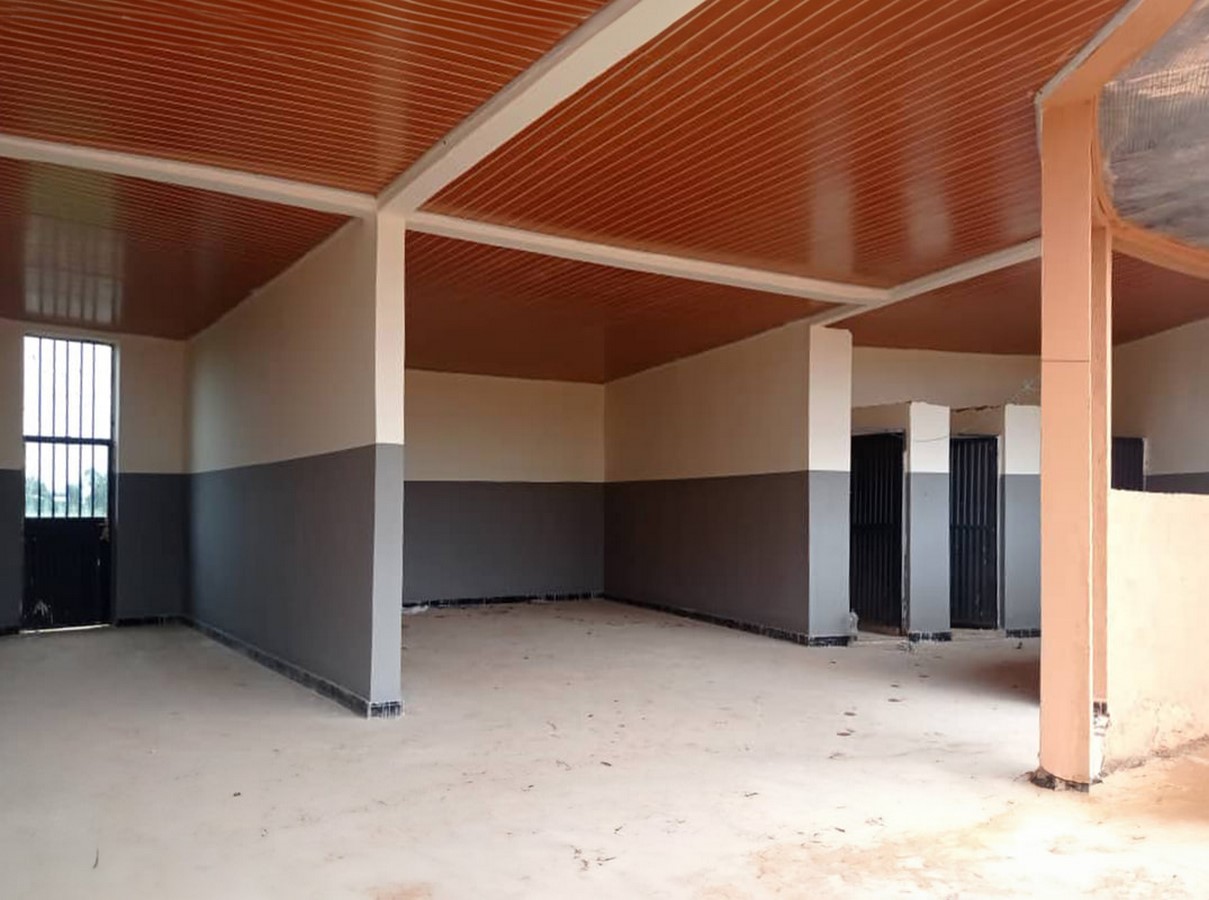
Rather than functioning solely as a school, the project acts as a community haven where children can learn, feel safe, and share joyful moments.
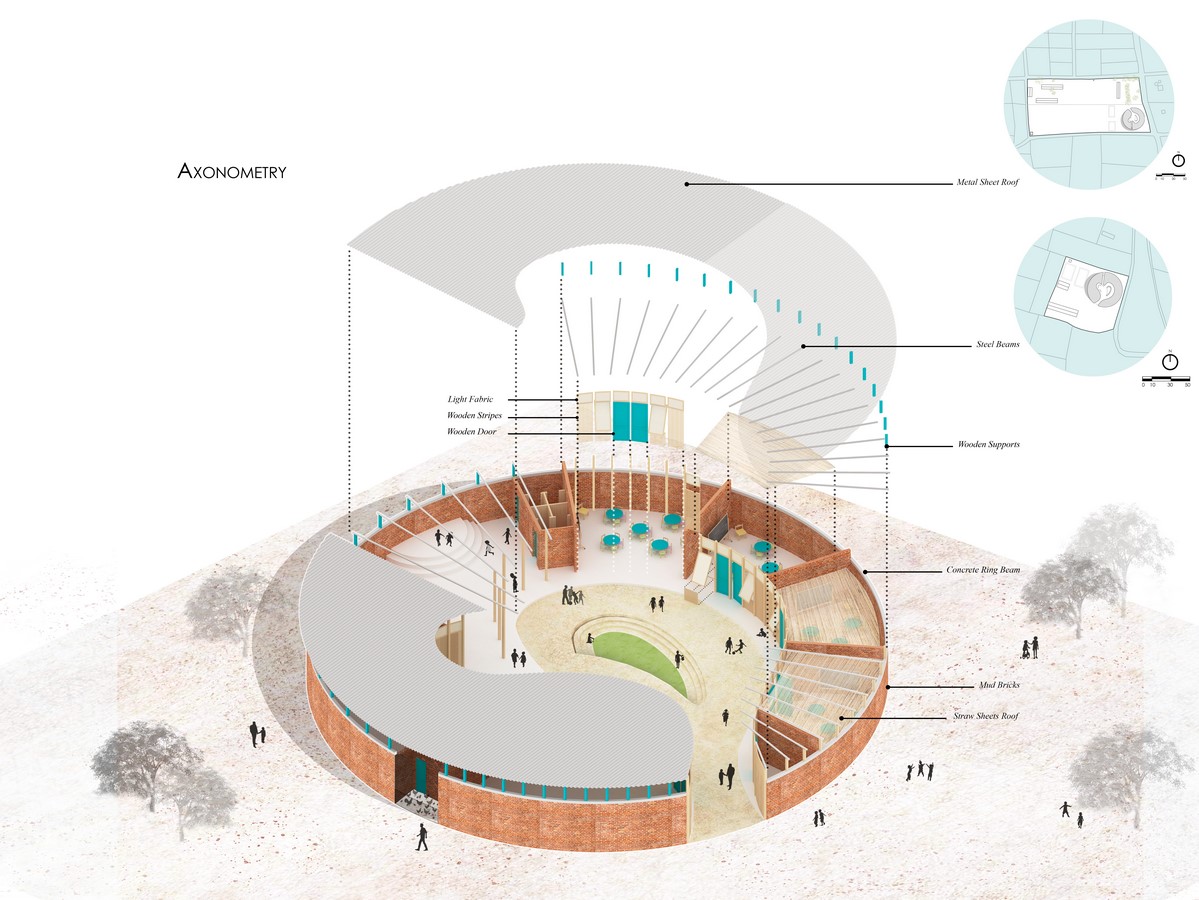
The circular layout is intentional. It enhances visibility, creates a sense of unity, and supports natural cross-ventilation throughout the classrooms. It also encourages communal interaction, allowing the school to operate as an educational, social, and cultural space simultaneously. Because adaptability was one of the competition’s main challenges, the model was designed to suit different terrains and village conditions, beginning with the towns of Hiddi and Dillu.
To support long-term growth, the project is organized in phases.
• Phase I introduces the essential spaces: four classrooms, sanitation units, and a covered courtyard that acts as the heart of daily life.
• Phase II expands the program with multipurpose rooms, a kitchen, dining areas, and a corral with an orchard.
This gradual construction approach ensures the school can develop alongside the needs and resources of each community.
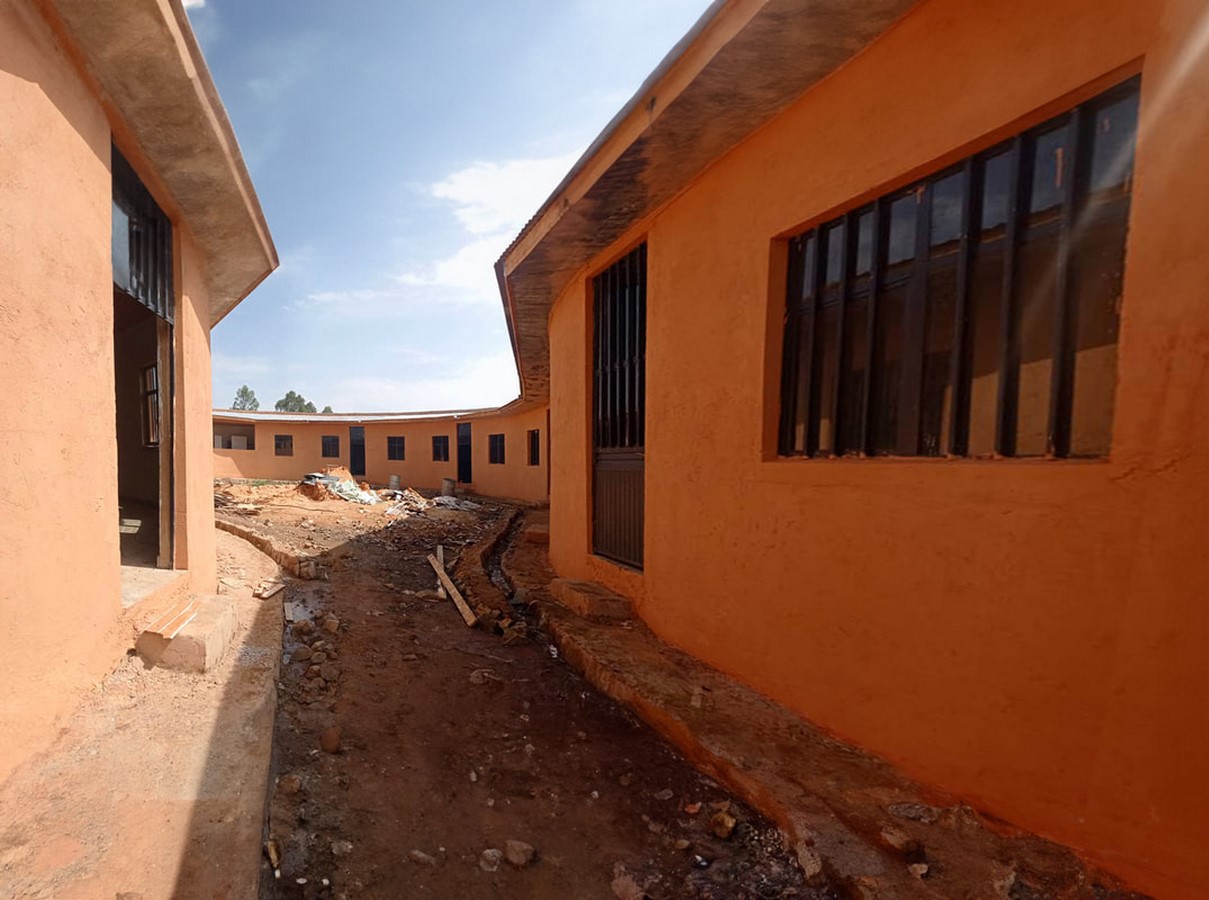
Sustainability
Simplicity is at the core of the project’s environmental strategy. Since these villages operate without electricity, all systems rely on passive solutions.
- Water: The circular roof geometry naturally channels rainwater toward collection tanks, providing a dependable water supply throughout the year.
• Ventilation and cooling: Openings, spatial orientation, and shaded areas ensure a continuous flow of fresh air, eliminating dependence on mechanical systems.
• Daylighting: Light wooden slats filter soft daylight into the classrooms, reducing glare while ensuring visibility.
• Insulation: Layers of straw placed over the roofs help stabilize indoor temperatures and create comfortable learning conditions.
These strategies align with ABAY’s mission of developing autonomous and resilient rural schools.
Materials and Construction
Construction relies on local building practices and accessible materials. Exterior walls use a mud-and-clay mix, integrating regional craftsmanship with durable performance. Heavy timber beams form the structural skeleton, while lightweight metal sheets complete the roofing system. Doors and windows crafted from local wood frame the courtyard, emphasizing cultural continuity and material honesty.
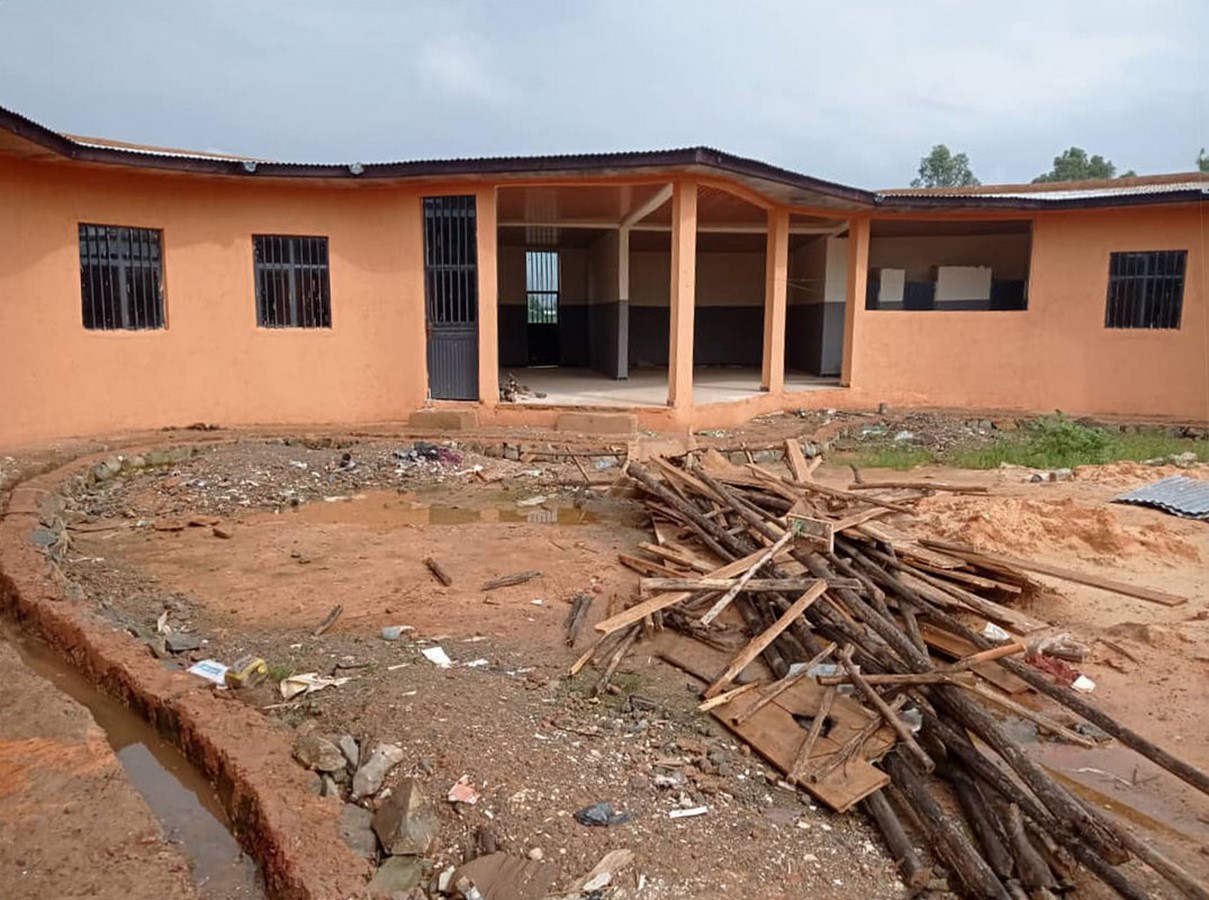
Joyful Spaces
Creating delight for children is an essential part of the project. Playful forms, expressive details, and interactive pockets animate the experience of moving through the school. Every corner offers moments of discovery, ensuring the architecture supports curiosity, comfort, and affection.
A School Built With Heart
Now realized and in use, A Heart demonstrates that architecture gains its greatest meaning when it serves people. It stands as a model for humanitarian design—proving that with thoughtful, context-driven solutions, even a modest preschool can strengthen community bonds, elevate daily life, and give every child a place where learning and love can grow.