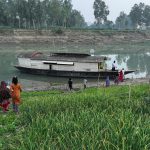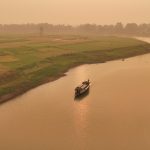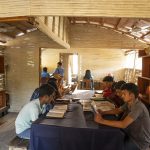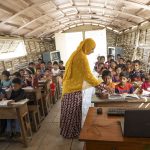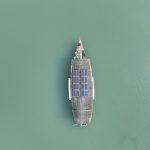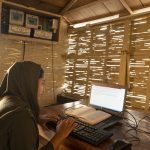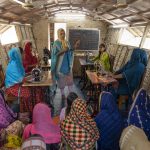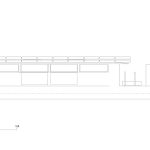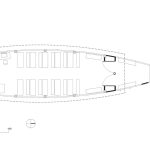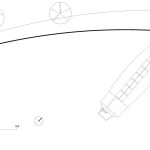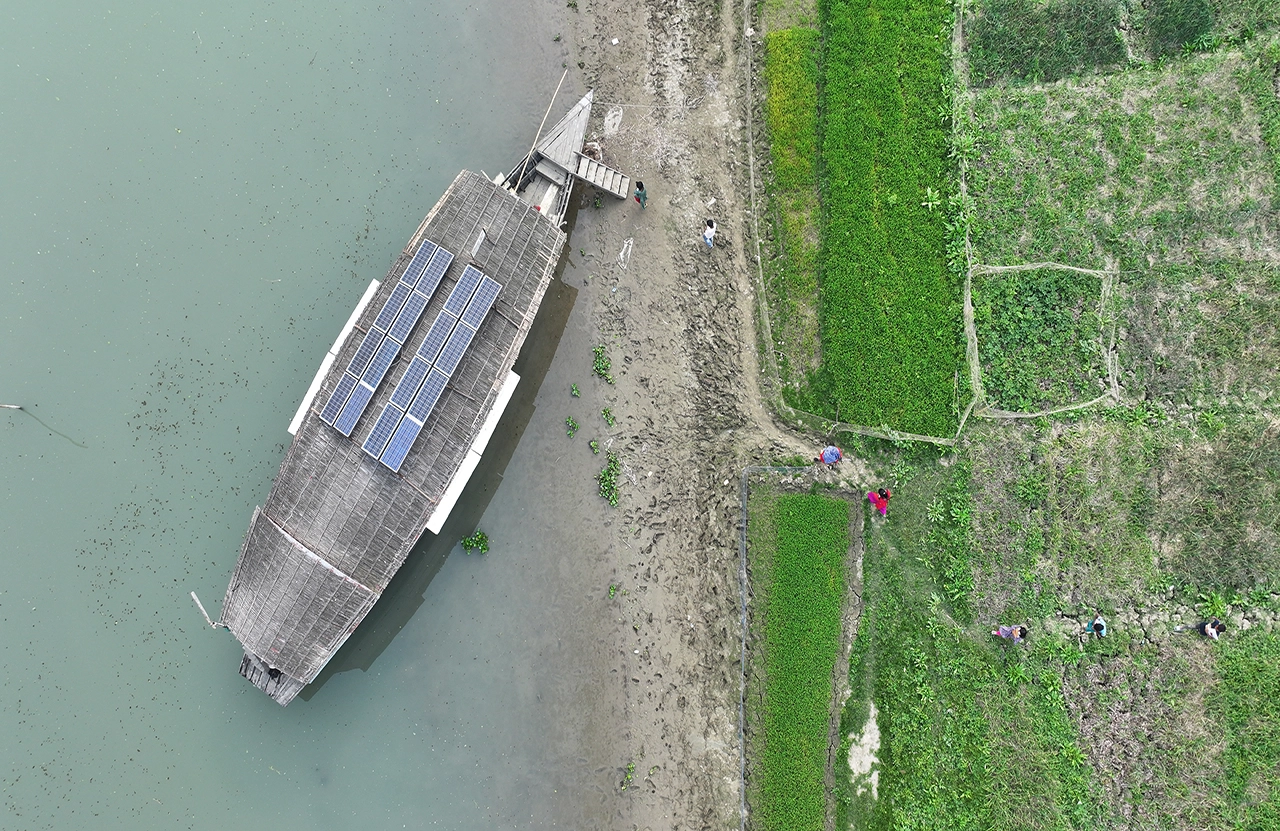
The Floating Schools initiative in Pabna District, Bangladesh, addresses the recurring challenge of education and healthcare access in flood-prone riverine regions. Developed by architect Mohammed Rezwan, the project combines architectural design, cultural continuity and climate adaptation through a fleet of five solar-powered floating structures, including two schools, a library, a training centre and a health clinic.
Project Name: Floating Schools
Studio Name: Shidhulai Swanirvar Sangstha
Project location: Asia, Bangladesh
Gross area in m²: 285.0
Photo credit: ©Sheikh Shamim Somudro / Shidhulai Swanirvar Sangstha
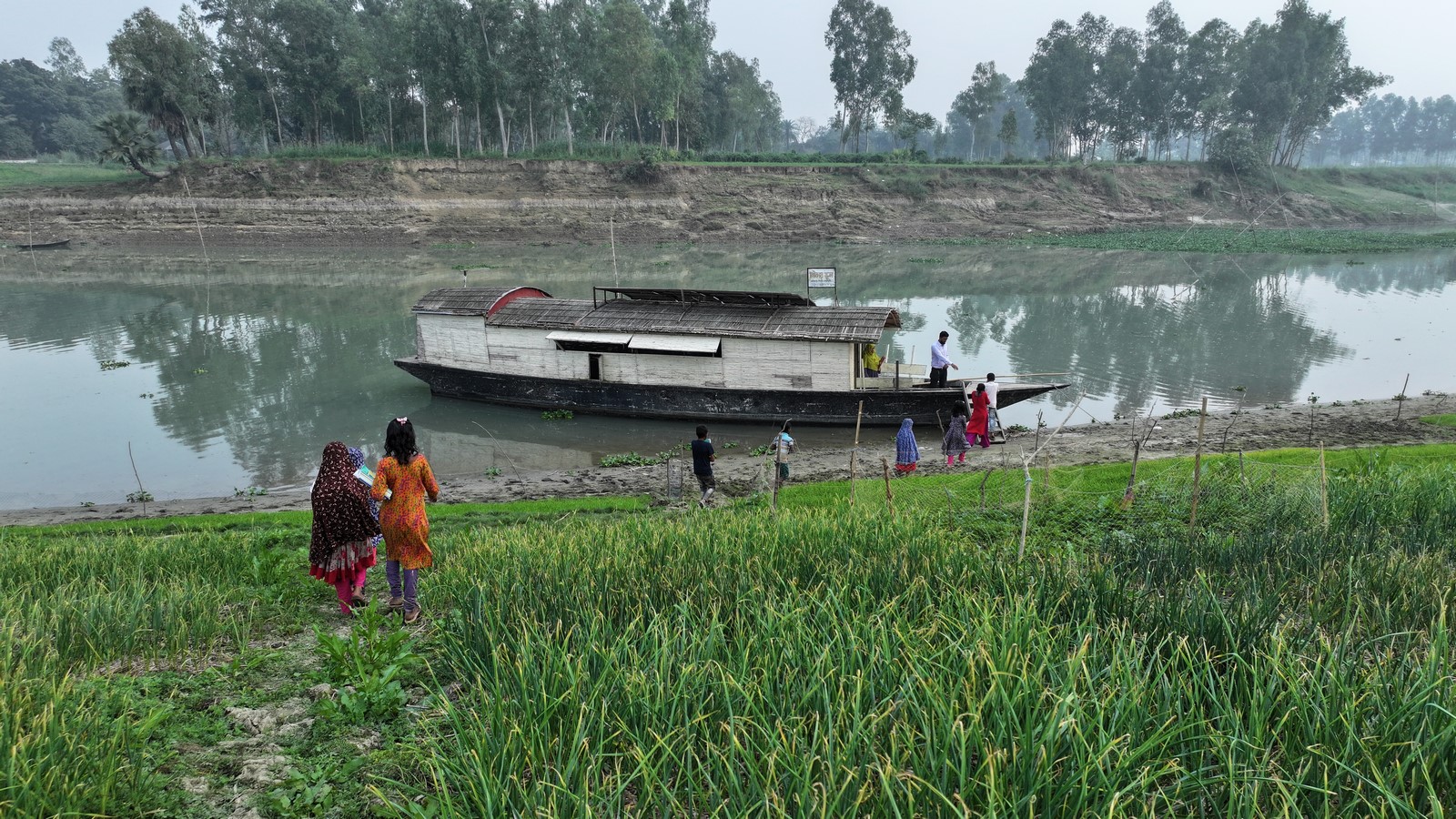
These boats serve flood-prone communities along the Gumani River in the Faridpur and Bhangura subdistricts of Pabna. The initiative began as early as 2002, evolving over two decades into a mature system that became fully operational in 2021 along an 8-km stretch of the river.
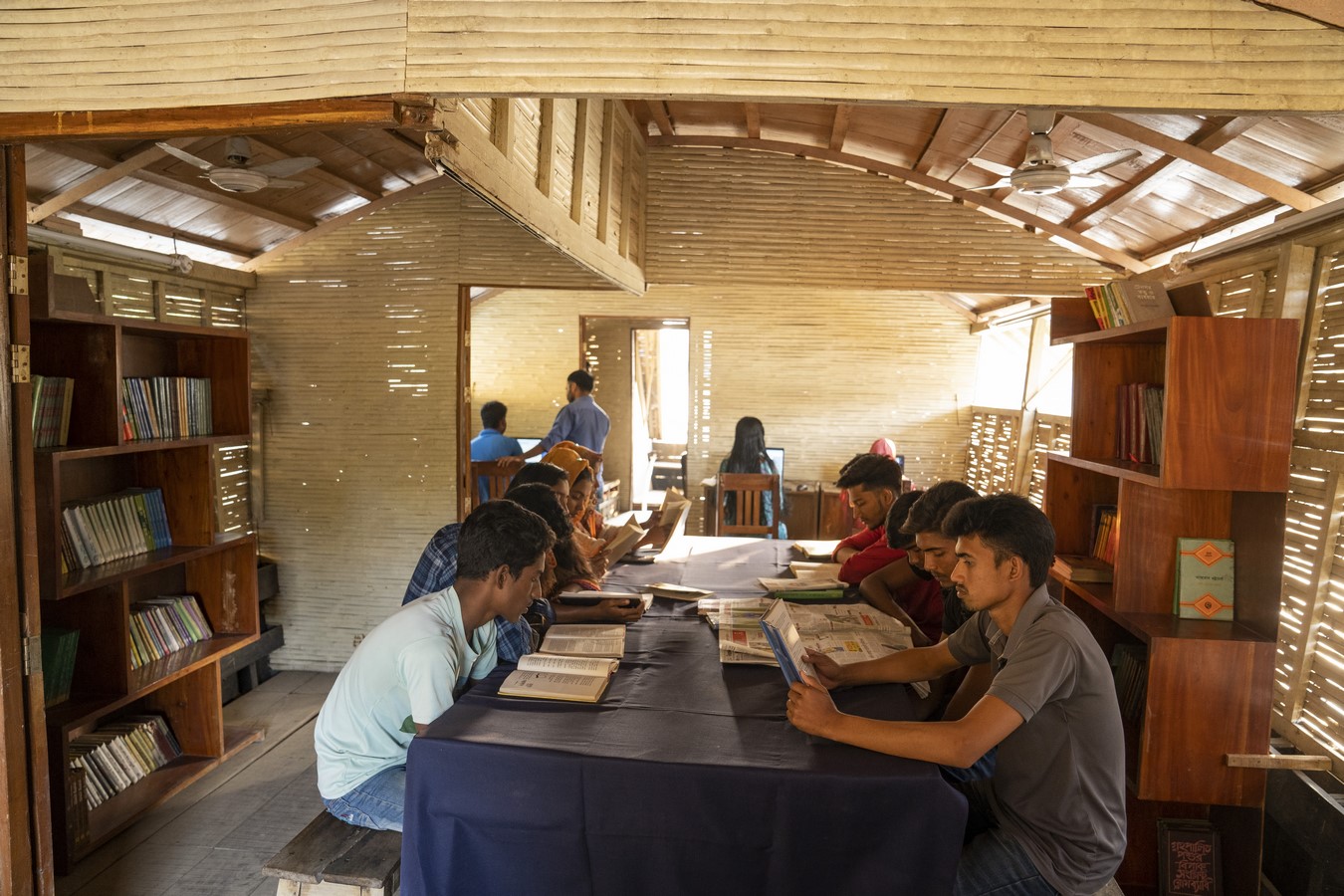
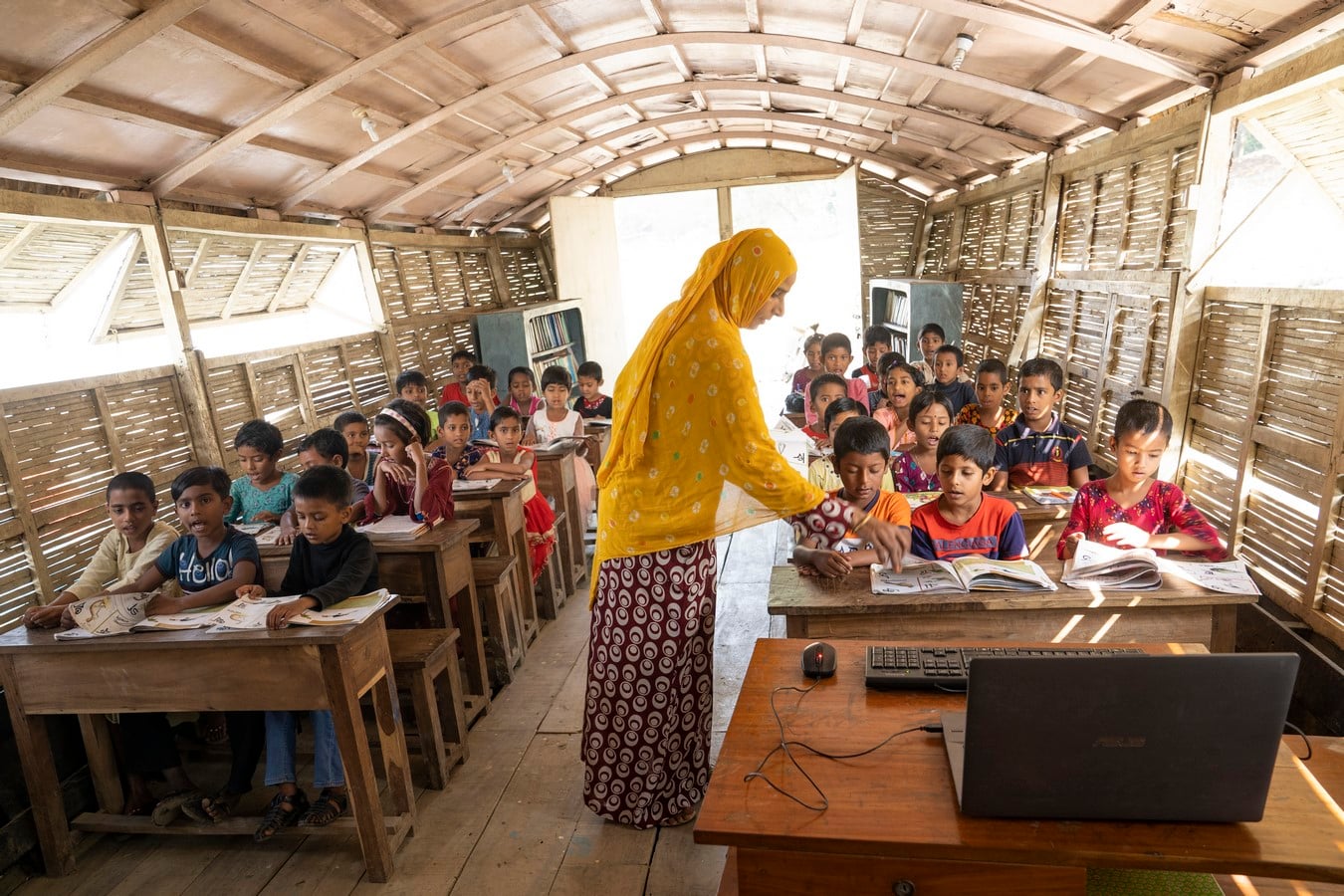
The idea grew from a simple yet urgent problem: children could not reach school when floodwaters cut off their villages. Instead of building on land that was constantly submerged, Rezwan turned to the rivers themselves for solutions. Working closely with local communities, he transformed the boat – an everyday tool of survival – into a vehicle for education, empowerment and resilience. The boats are designed in-house and built by local boatbuilders, drawing on generations of traditional craftsmanship. Many members of the project team, including programme managers, boatyard supervisors and educators, come from the same communities the boats serve. Some former students have even returned as teachers, a living testament to the project’s long-term social impact.
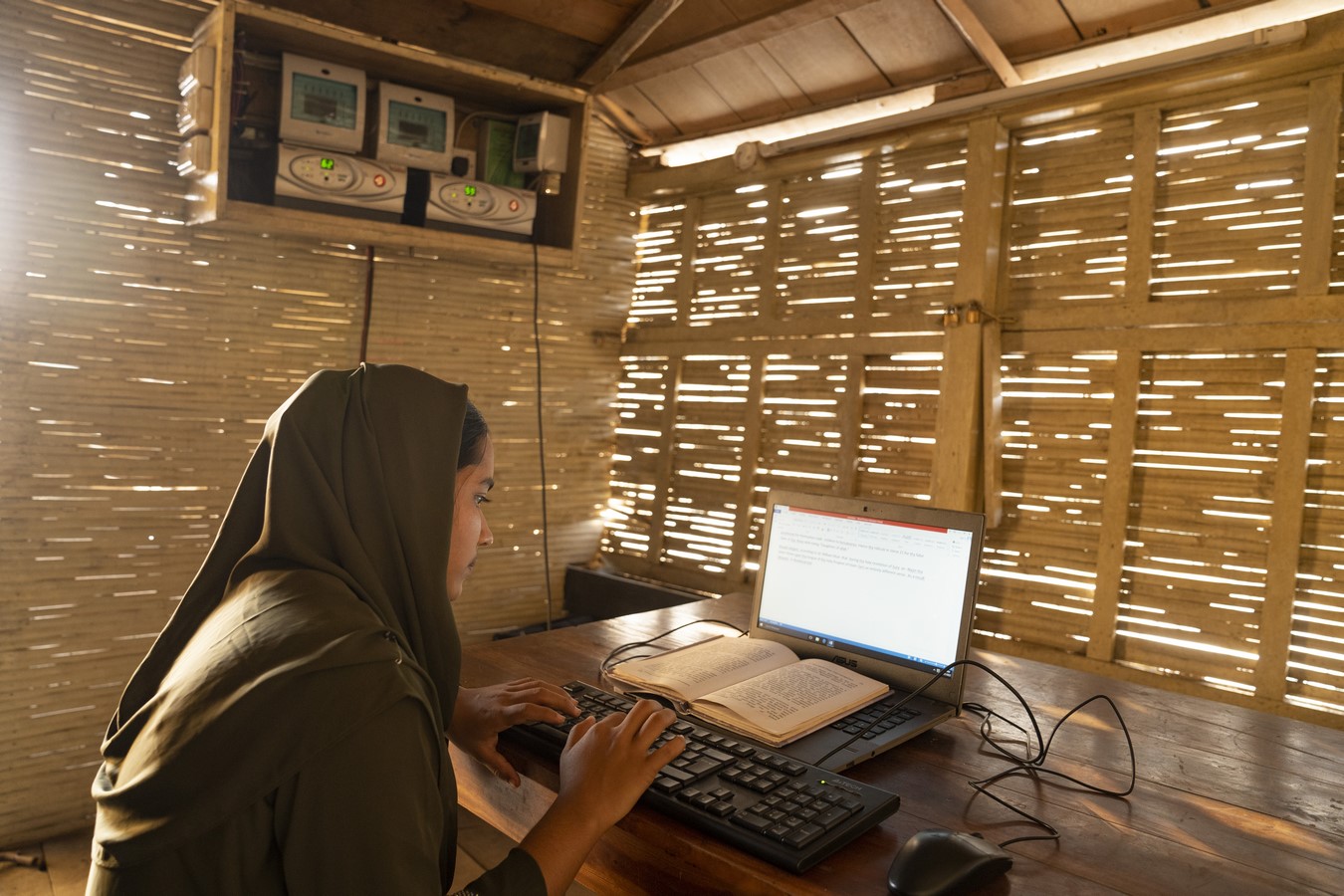
Advisory Committee ‘Floating Schools for Community Resilience and Sustainable Development’ receives the award for Social Engagement for its powerful use of architecture as a tool for adaptation. Rather than resisting water, it embraces it, offering a mobile response to the realities of climate change. Built with local materials and traditional knowledge, the floating structures bring learning, care and opportunity to remote communities – bringing the school to the people, instead of the people to the school. The design demonstrates cultural sensitivity, ecological intelligence and flexibility. Here, people move with the water, and architecture moves with them. With minimal means and maximum impact, the project combines beauty, empathy and function in a model that is both inventive and deeply rooted in everyday life.
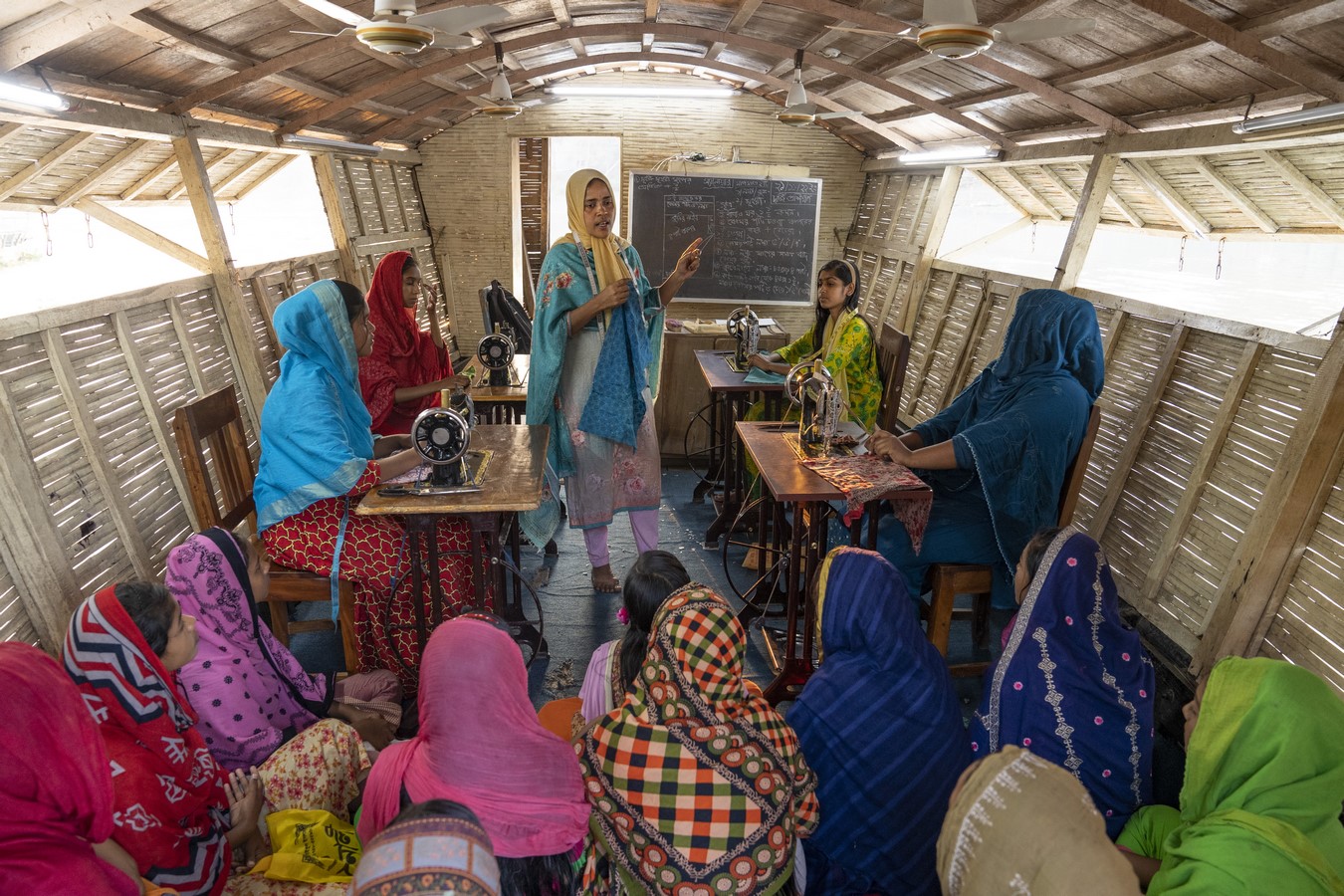
‘Floating Schools for Community Resilience and Sustainable Development’ receives the Ammodo Architecture Award for Social Engagement 2025 for its powerful use of architecture as a tool for adaptation. Rather than resisting water, it embraces it, offering a mobile response to the realities of climate change. Built with local materials and traditional knowledge, the floating structures bring learning, care and opportunity to remote communities – bringing the school to the people, instead of the people to the school. The design demonstrates cultural sensitivity, ecological intelligence and flexibility. Here, people move with the water, and architecture moves with them. With minimal means and maximum impact, the project combines beauty, empathy and function in a model that is both inventive and deeply rooted in everyday life.