Green roofs have been around for thousands of years, dating back to the sod roofs of the Norse people and the sophisticated Hanging Gardens of Babylon. They showed up on houses (to protect thatched roofs and provide insulation), but also on fortified buildings like castles. In this case, the green roof provides an extra layer of protection.
With the emergence of modern materials, green roofs became less popular until the late 20th century, when environmental awareness became a thing. With the help of new technologies and policy incentives, green roofs are once again a popular option and are starting to take over cities worldwide.
The phenomenon is also gaining traction in the US, though adoption remains patchy. People are more excited about the idea in big cities like Chicago, Washington, New York City, Denver, Portland, or San Francisco.
But now that adoption is growing, specialists in urban development wonder: do green roofs attract pests? If so, can we do something about it?
Let’s find out!
Pros and Cons of Green Roofs in Cities
The majority of major cities suffer from severe air pollution that significantly exceeds the WHO safe limits. Emissions primarily stem from vehicles, industry, and construction.
Furthermore, dense urban centers experience the Urban Heat Island (UHI) effect, making them 1°C to 7°C warmer than surrounding rural areas, especially at night. This is caused by concrete, lack of greenery, and waste heat, exacerbating heatwaves and increasing energy demand for cooling.
This is why experts think biophilic urbanism may be the answer to all of our pollution worries.
They believe that, in a world where most urban buildings have green roofs, cities will be cooler, have better air quality, and look a lot more appealing.
Among the benefits, we can list:
- Mitigation of the UHI effect: The plants cool the roof and the surrounding air through evapotranspiration. Studies show green roofs can be significantly cooler than conventional dark roofs, which lowers the ambient temperature of the city.
- Stormwater management: The soil and vegetation layers act like a giant sponge, absorbing a substantial amount of rainfall.
- Energy savings: The layers of growing medium and plants provide natural insulation. This reduces heat transfer into the building, lowering air conditioning costs.
- Improved air quality and biodiversity: Plants filter airborne particulates, absorb pollutants like nitrogen dioxide, and sequester carbon dioxide. They also create small, crucial habitats for pollinators, insects, and birds in areas otherwise dominated by concrete.
With all these benefits, you might be ready to call your local provider and ask for a roof replacement. But hold your horses a bit. It’s not that easy.
There are some counterarguments to consider first. For instance, green roofs require specialized materials and professional installation, making them significantly more expensive than traditional roofing systems.
Unlike a standard roof, a green roof is a living system that requires regular maintenance, like weeding, irrigation (in dry climates), fertilization, and ongoing inspection of the drainage system. This is a roof you definitely don’t want to leak!
The multi-layered system of soil and plants makes it difficult and costly to locate and repair fissures.
Do Green Roofs Attract Pests?
Yes, they do. From plant-feeding insects that can be damaging to the local flora to rodents of all sizes, you’ll see all sorts of critters. Birds (pigeons, sparrows, etc.) are also attracted by the seeds and insects. Their droppings are corrosive and can damage the underlying roof membrane or building surfaces over time.
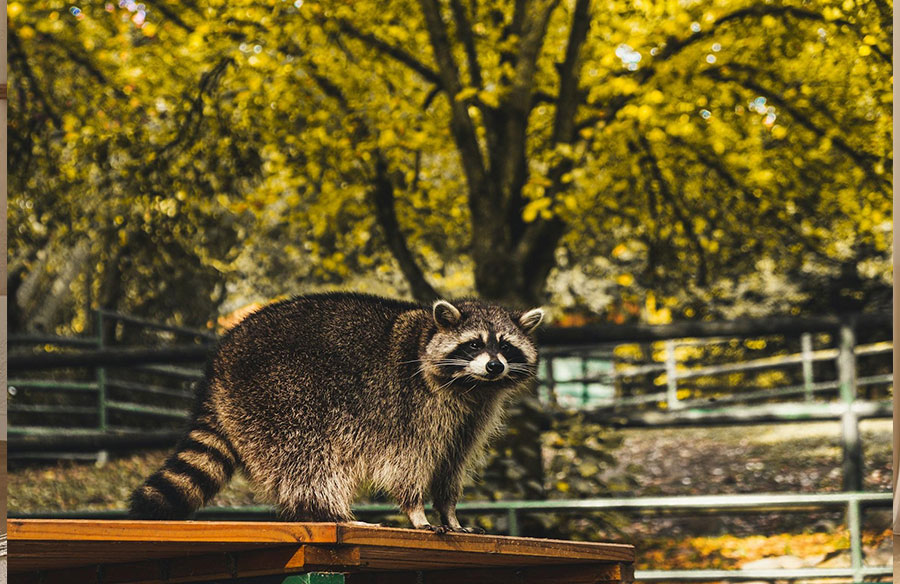
Do you know what’s even more unsettling than mice and rats chewing your rooftop? Racoons!
These little trash pandas are expert foragers and love to dig for insect larvae, grubs, and earthworms in the soil.
A green roof with a lush growing medium is essentially a well-stocked, safe dinner plate. This can cause significant damage to the plant layer and the underlying drainage system.
How Cities Keep Pests Under Control
Believe it or not, cities everywhere already have a pest problem. Insects, rodents, birds, and raccoons are city dwellers, even if there’s no green roof in sight.
For instance, Memphis, a fairly large city in Tennessee, has a well-designed pest control system. Locals have only recently embraced the green roof trend, but raccoons and other critters have long been denizens.
Urban wildlife issues often require trained professionals who understand safe and humane removal methods. Services that offer professional raccoon removal in Memphis address these situations with the proper tools and practices.
In Summary
Pests and human settlements go hand in hand. So, even though green roofs may attract a few more hungry critters, most cities have strong pest control systems that keep everyone safe. In short, green roofs boost city biodiversity and attract some pests. But that’s not a problem we need to fixate on.