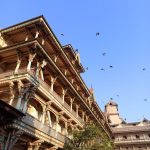
While a birth certificate, address proof serves as a formal record of an individual’s existence, their identity, but it is the architecture that physically embodies the essence of a community. Architecture has evolved from being a mere means of shelter to something that defines a society, its people, their culture, traditions and their beliefs. The structures we build, from the humble homes to skyscrapers, serve as a physical 3-dimensional diary of our society. They are a conscious or subconscious tangible manifestation of our hopes, our fears, our opinions, what we prioritise, and how we see ourselves and our world.
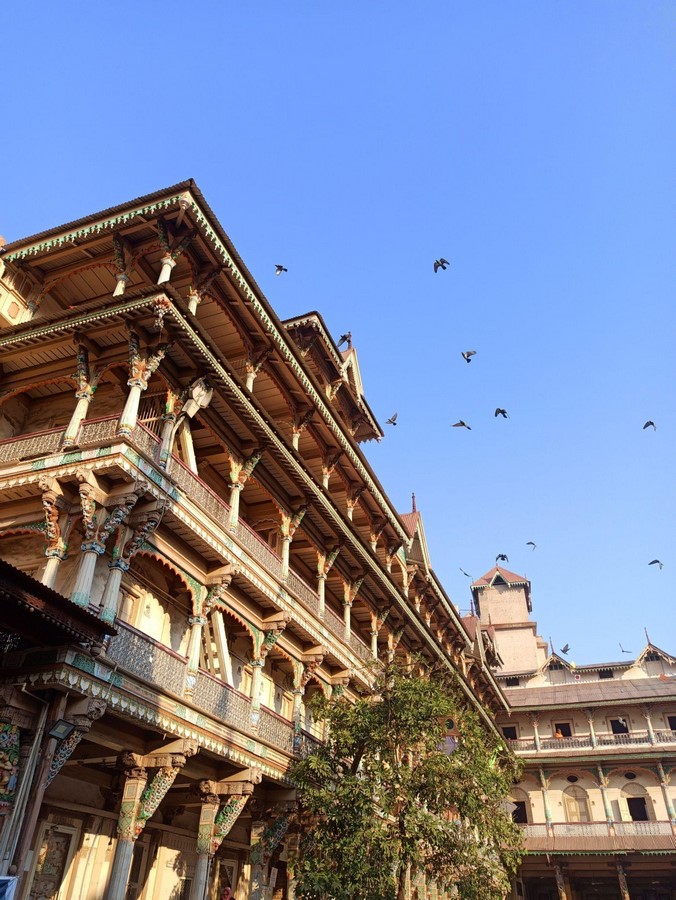
From the magnificence of pyramids and cathedrals to the modern focus on green cities and smart buildings, the developed environment is affected by and affects the cultural, social, economic, and political values of each period. The link between architecture and society depicts not only the prevailing ideologies of a time but also how those ideals have reflected changing ideologies in response to technological innovation, social movements, and environmental imperatives.
The Architecture of Power and Ideology
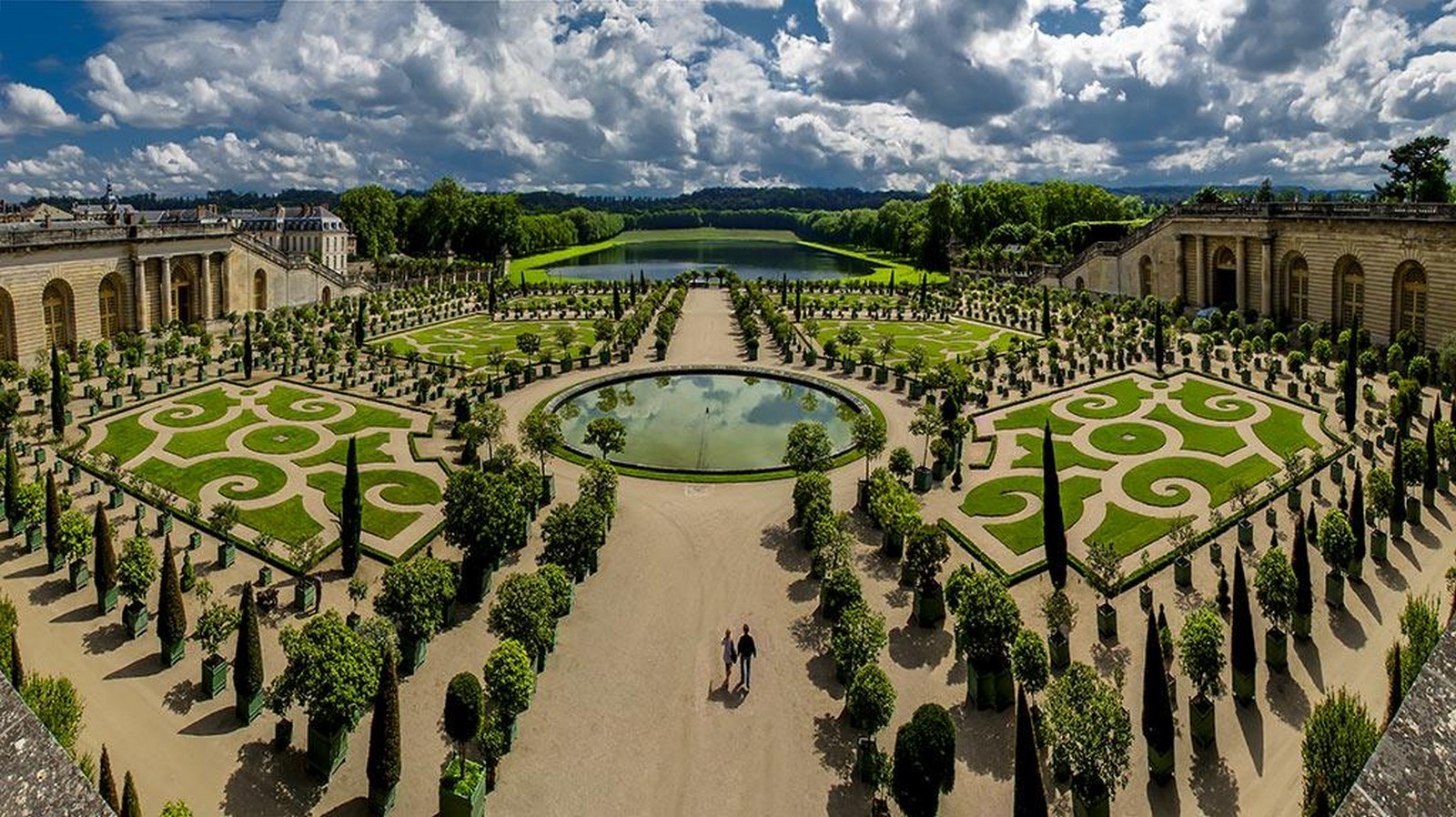
The most immediate story that architecture has told throughout the ages is one of power. Buildings in scale and form have always been one of the principal ways of demonstrating and reinforcing political and religious ideologies. Consider the rigid and monumental axes of Versailles. These are not just a garden layout but a spatial manifestation of King Louis XIV’s absolute and centralised control over France. Every pathway and sightline compels the person to focus toward the centre, the King, and the ultimate view of absolute power.
Politics of different kinds have instrumentalised the use of architecture as a generator of ideology. The massive scale of 20th-century fascist architecture is a tactical design meant to petrify the individual. By overshadowing a person’s sense of self, the architecture evokes the all-power of the state, sameness, and uniformity, individual insignificance, and the impersonal mono structures of the built environment.
However, the value attributed to democracy in politics tries to move in the opposite direction. Modern parliaments, particularly the Reichstag in Germany, with its transparent glass dome, are direct responses to darker periods in history. The glass dome represents, in concrete and metaphorical ways, the ideas of transparency, accountability, and letting the people ‘gaze in’ at them. In the same spirit, civic architecture like public libraries and parks are testimonies to the society that values education, civic and equitable access to assimilation resources.
The Economic Blueprint: From Factory to Skyscraper
The built environment is an inescapable signifier of a society’s economic priorities. The newly minted cathedral became the factory with its smoking stacks, and the dominant value of the day was production. The economic shift also necessitated an entirely new urban form – dense, grim blasts of housing for workers near the production outlet. Cities are being divided by new infrastructure, such as railroads, to transport goods rather than necessarily to serve people.
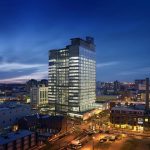
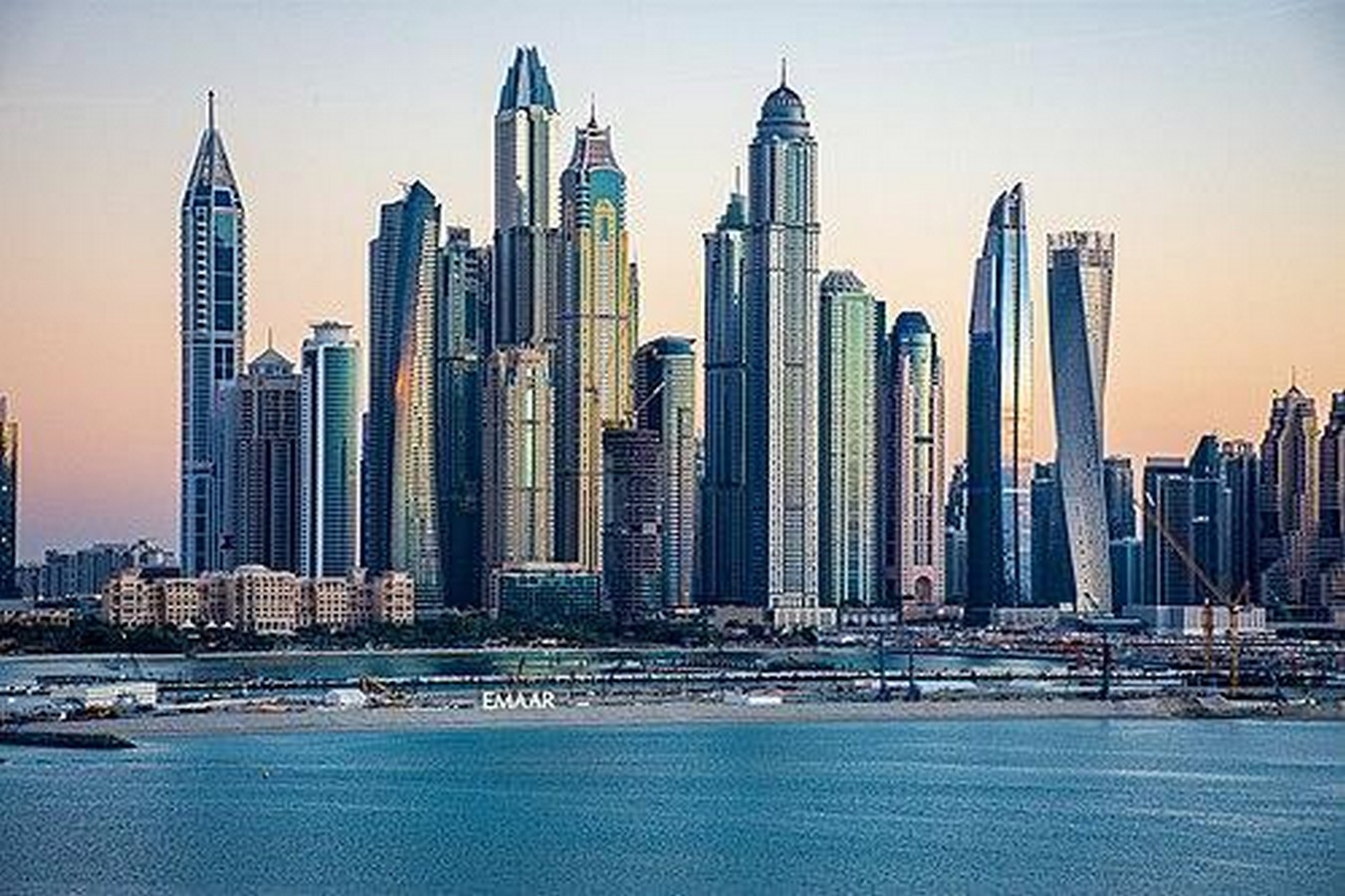
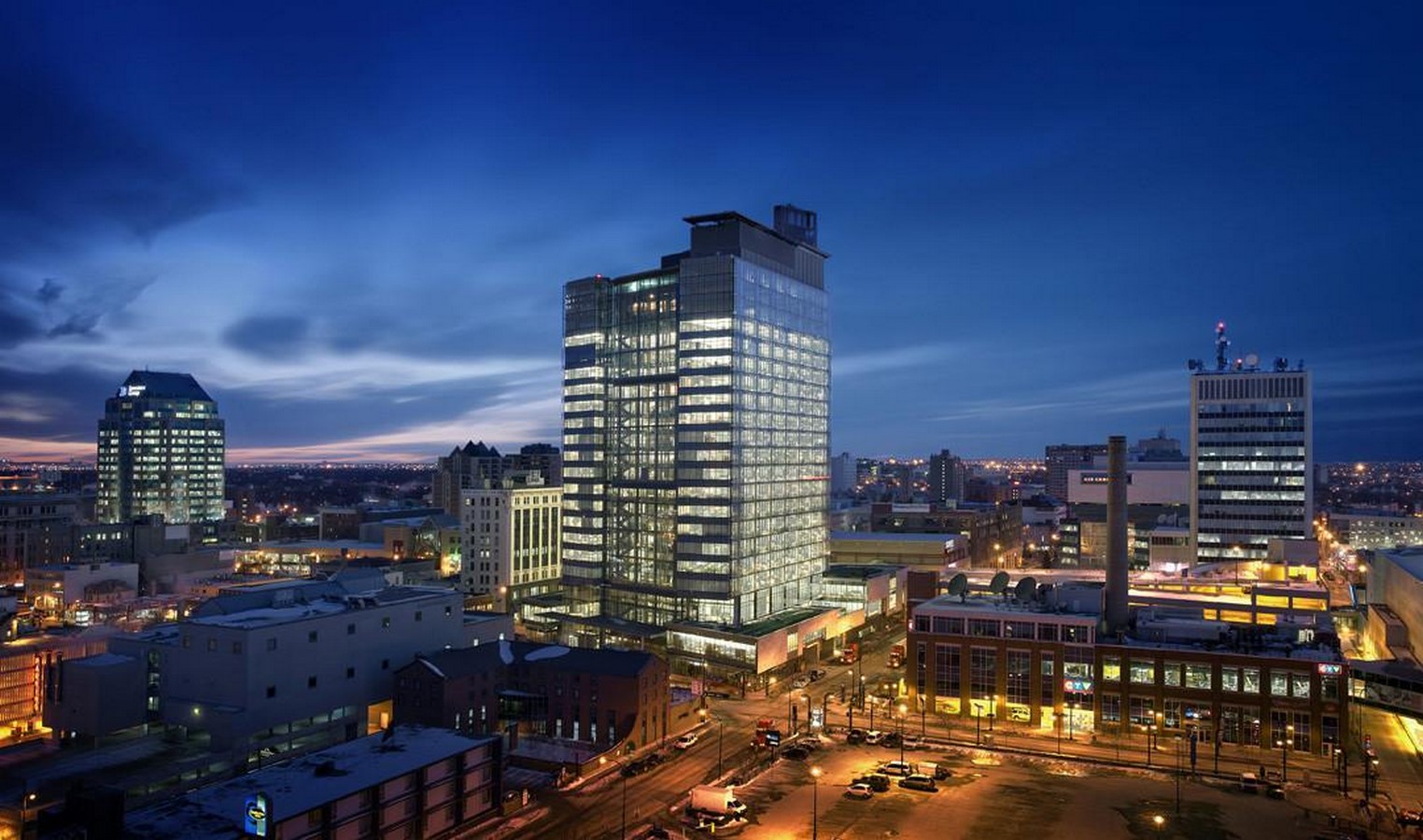
As we transitioned to a post-industrial, service-based economy, there was a change in our built symbols. The platform of American life in the 20th-century suburb, with its single-family homes, reliance on automobile dependency, and spread-out geographical footprint, is the physical embodiment of an economic system built from consumerism and the ideal of individual ownership. In today’s world, in our globalised, financialised economy, the glass and steel skyscraper is the dominant symbol. In global cities, these towers are symbols of corporate power and financial capital, not just pushing the envelope on land costs, but managing the land upward with preeminence on vertical density. What a society builds tallest, largest, or most often tells us precisely what that society worships.
A Social Mirror: Inclusivity, Equity, and Community
A Victorian home is usually designed to have a particular, separate servants’ quarters that were intentionally placed so as not to be viewable. It lays out a clear floor plan of a rigid class system. The typical design of a Victorian home, with its distinct, sequestered servants’ quarters designed to be hidden from view, provides a clear floor plan of a rigid class system.
As social movements, such as feminism, push back against normative values, architecture must inevitably respond. The feminist movement has, for instance, recognised how architecture produces spaces that reinforce gender roles, one example of which is the traditional conception of the kitchen as an isolated location of female domestic labour. Open-plan living is not simply an aesthetic, but is considered a reflection of a move toward less formal, more integrated, and equitable family arrangements.
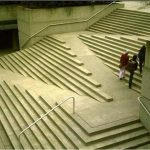
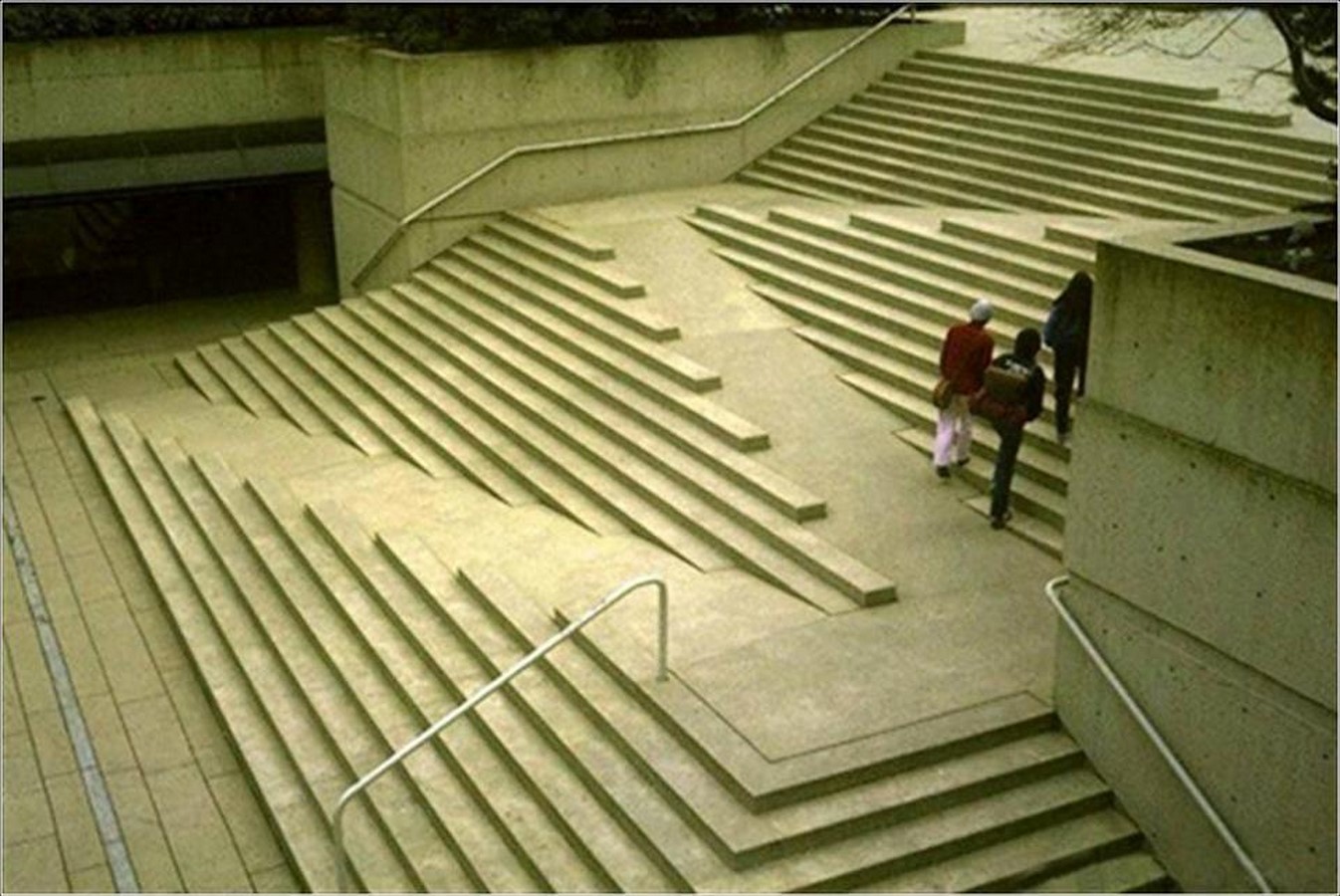
A potent social movement is currently altering design. It advocates for inclusivity. Social equity is also very important to them. Universal Design reflects the current values. Designing for everyone, whatever their age or ability, is what it means. It really reflects how our society now seems to value each one of its members. This movement is more than just a wheelchair ramp; it is really expensive.
Tactile paving helps those with vision impairments and may also give them confidence.
Sensory-friendly places are very considerate of neurodivergent folks;
Gender-neutral restrooms confront the gender binary for real equity.
Public plazas need to be designed for community safety and for better “eyes on the street”; they can also foster a strong sense of ownership for all.
When a city or building lacks this access; it sends a pretty awful message: “You are not welcome here.” And that isn’t good. Our values are evolving, and maybe slowly rewriting that outdated statement.
The New Values: Sustainability and Technology
Two values compete for architectural control today: sustainability and technology. These define our current priorities and major issues in our 21st century. A climate crisis awakening has started a moral test for us. Architecture faces those front lines and fights now. The value in sustainability stands directly against old industry days: of waste. This new ethic becomes real now. Nature now merges with us through Biophilic Design, such as green walls or roofs, as understanding blooms in a new way that we need.
A LEED-certified building stands like words and action! Commitment that states to keep a promise now, for more environmental control.
The Diary We Continue to Write
Architecture is and will always be society’s most honest biographers. It is a 3-dimensional diary that cannot deceive its readers. It captures our greatest hopes in the soaring voids of our cathedrals and museums, and our most egregious failings in the abandoned lots of our divided cities. Architecture doesn’t just reflect us (The Mirror); it actively shapes us (The Mold). It dictates how we live, interact. In essence, we shape our buildings, and thereafter, our buildings shape us. The values we hold today are being “cast in stone” (and glass, and steel) all around us, forming the mold that will influence generations to come.