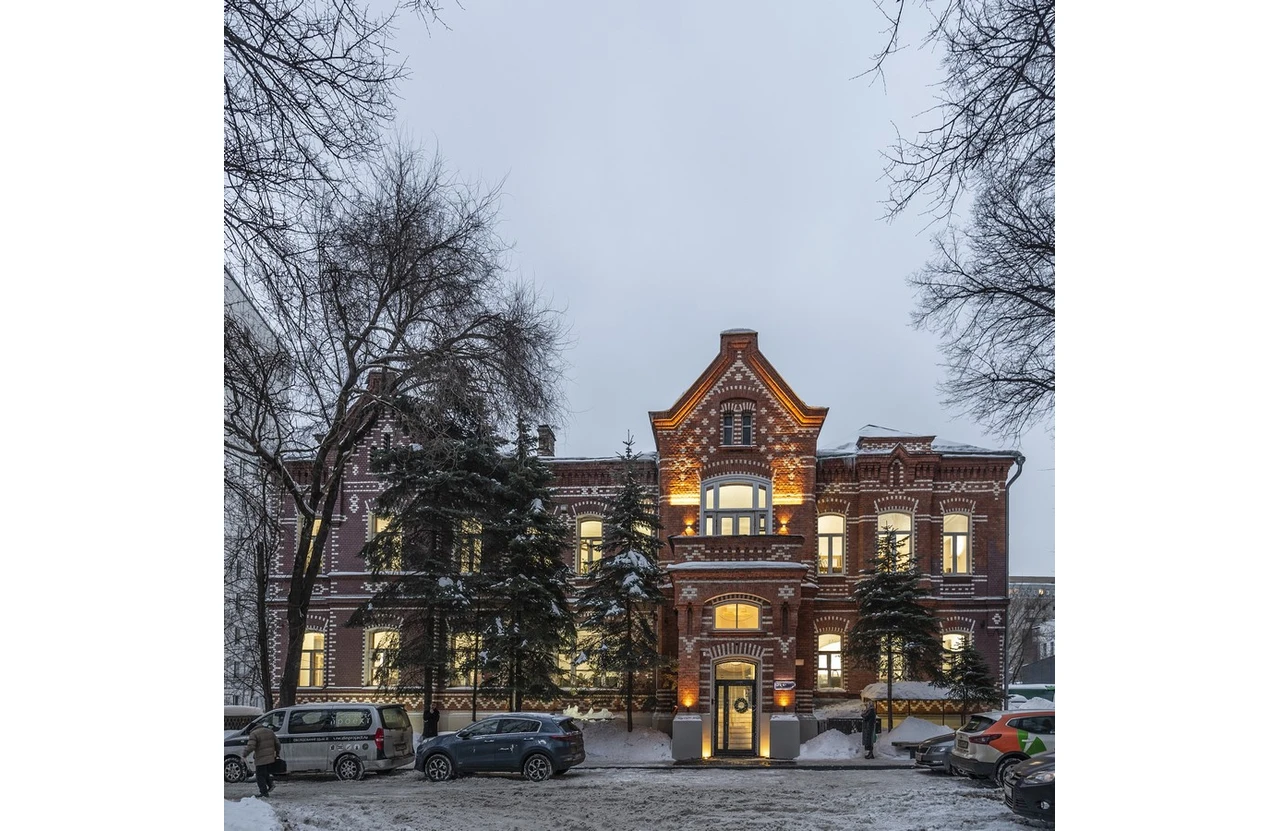
The architectural bureau “Krupny Plan” (KPLN) has unveiled its office in a restored late 19th-century landmark building. The project is located in the former administrative building of the Alexeyevskaya pumping station in Moscow’s Alexeyevsky District, which originally housed the office of the chief engineer, a clerical department, and a telephone exchange.
Project Name: KPLN’s Headquarters in a Historic Mansion
Studio Name: KPLN architectural bureau
Location: Moscow, Novoalekseevskaya St., 16, building 13
Area: 1,240 sq. m.
Photographer: Daniel Annenkov
The bureau’s project serves as an example of a careful approach to historical heritage and its integration into a modern business environment.
The two-story brick building, with an area of 1,240 square meters and recognized as a regional cultural heritage site, was constructed in 1892 in the “Brick Style” characteristic of that era. The initiative for its construction came from Vladimir Oldenborger, the chief engineer of Moscow’s water supply system. The project’s authors were architect Maxim Geppener and engineers Nikolay Zimin and Konstantin Dunker. The building’s facades, featuring a decorative frieze made of white brick, have retained their original volume and ornamentation.
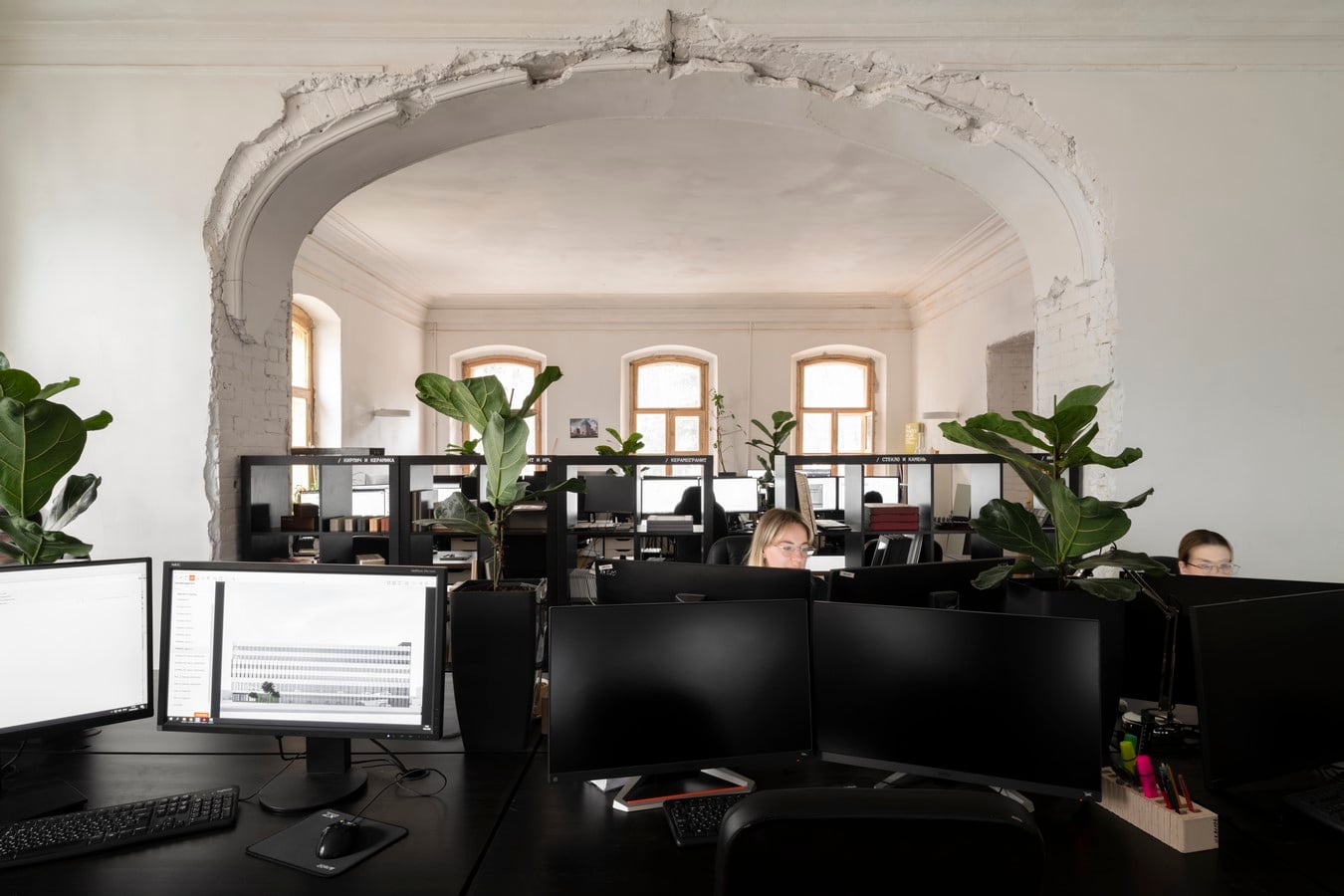
The KPLN team, which acted as the investor, developer, designer, and general contractor, faced a complex challenge: to create a comfortable workspace for 200 employees without compromising historical authenticity. The restoration began with a deep study of archival materials, and the team compares the process itself to an archaeological dig.
“Layer by layer, we uncovered the building’s authentic history, striving to return it to its former aesthetic,” – shares Andrey Mikhailov, co-founder and chief engineer of KPLN.
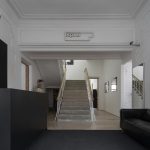
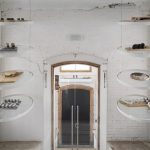
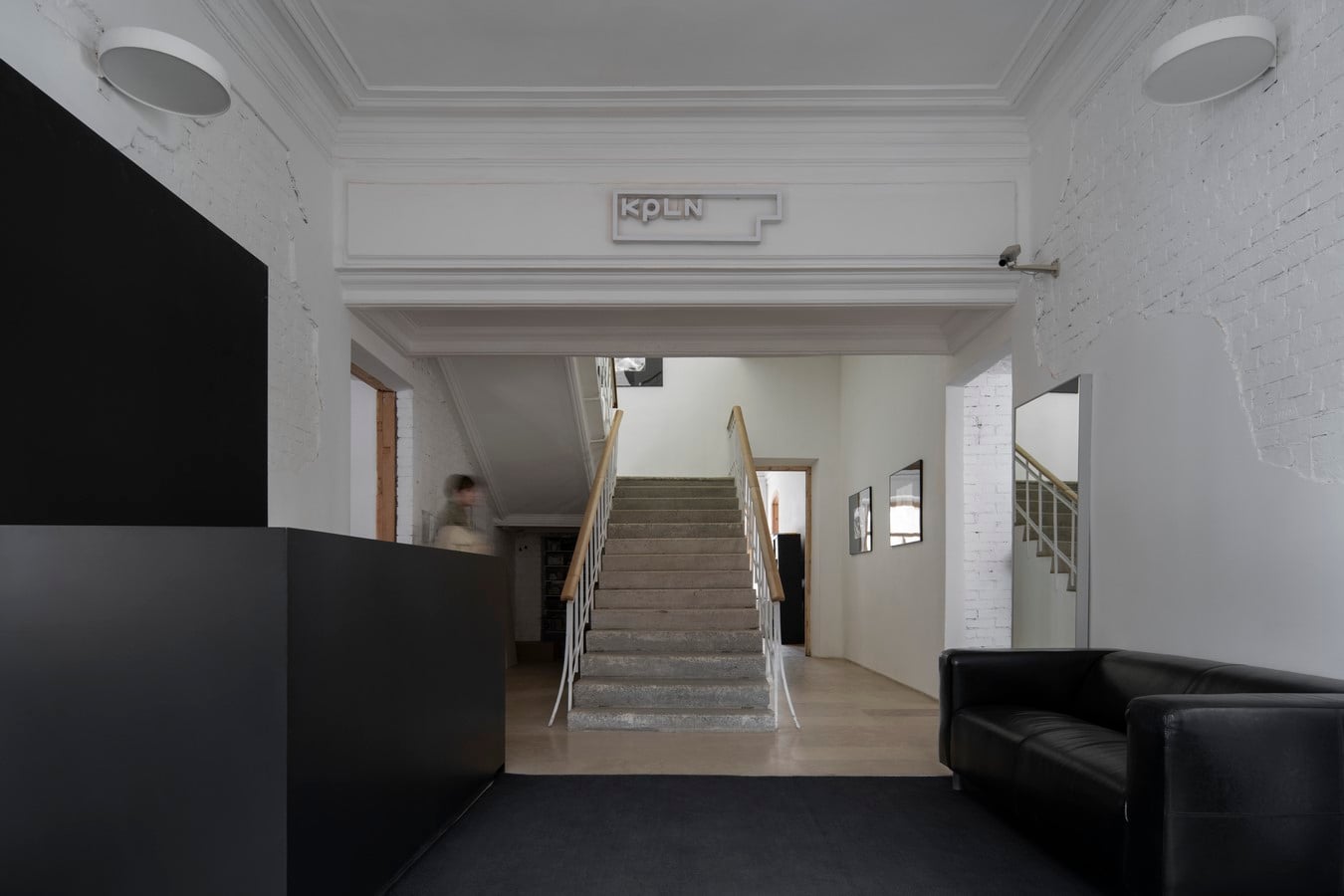
Unique interior elements were recreated during the work. Beneath layers of later coverings, a parquet floor made of four types of wood was discovered and restored, and the original ceiling stucco molding was reinstated. The architects restored the Dutch tiled stove-fireplace with brass fittings in the former office of the chief engineer, cleaned the cast-iron railings of the service staircase with their artistic casting, and uncovered a beautiful archway that had previously been blocked off.
The original 19th-century ventilation system was cleared and adapted for modern use.
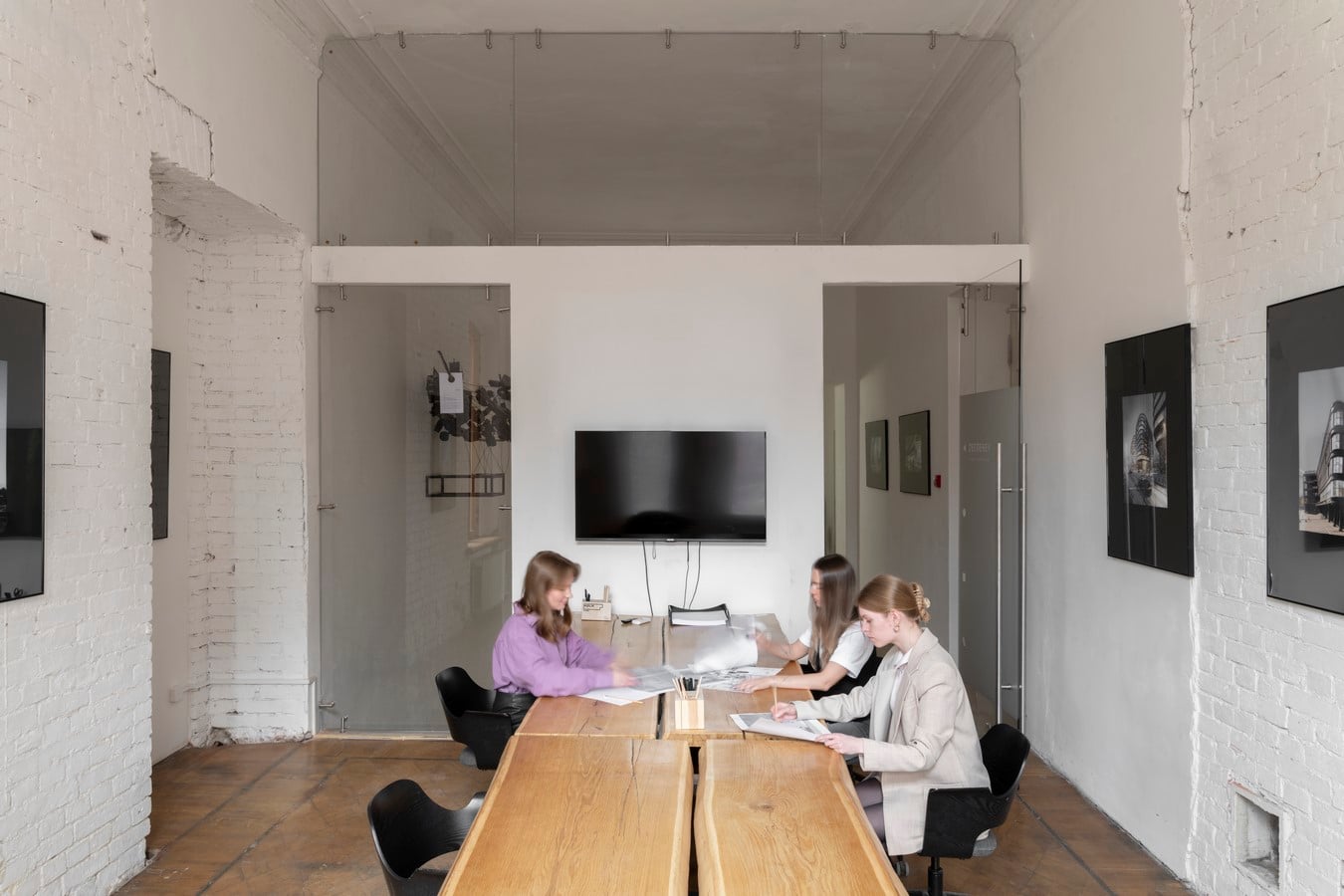
The Soviet-era layout, divided into many small rooms, gave way to an open-space plan to improve communication among employees. In honor of the building’s creators, two meeting rooms were named “Geppener” and “Oldenborger.”
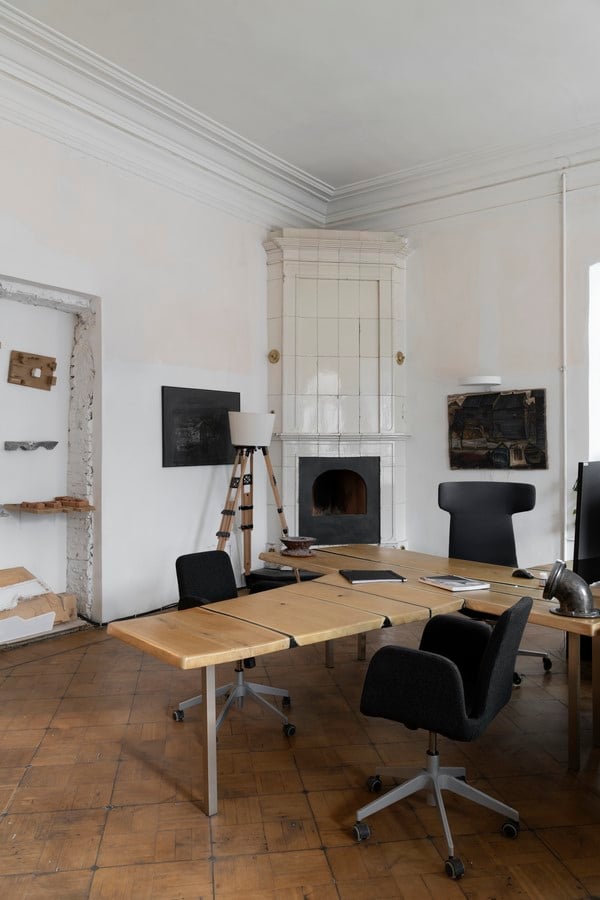
“For us, restoration is about reviving the memory of a place,” – emphasizes Sergey Nikeshkin, co-founder and chief architect of KPLN. – “Our office has become an embodiment of a dialogue between eras, where the past harmoniously coexists with the present.”
The interior is complemented by unique handmade details, such as the bureau’s ceramic logo created by Sergey Nikeshkin himself, and architectural models made from various materials.
The work to revitalize the building continues: plans include developing the attic space while preserving the historic roof truss system and restoring the lost wooden terrace.