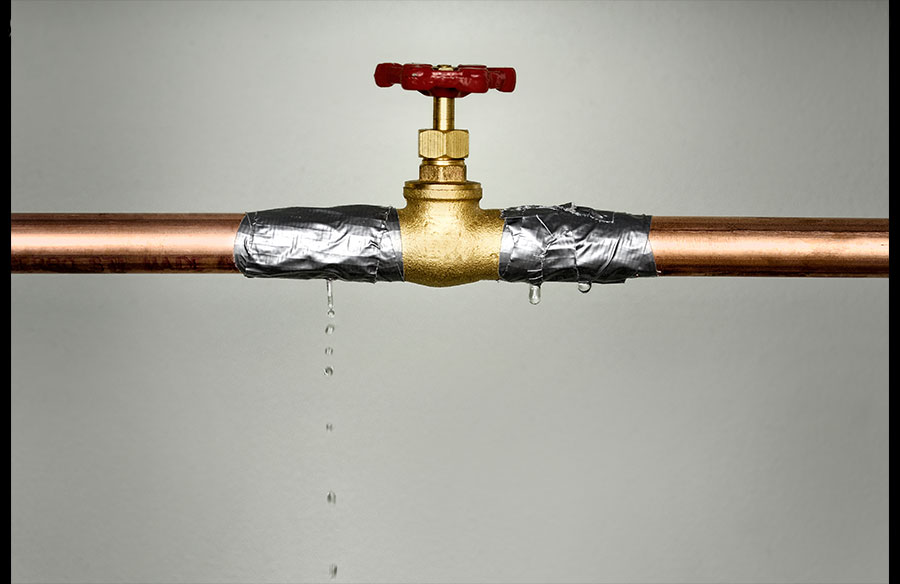
A dripping tap wastes several litres of water hourly, and a running toilet loses thousands of litres each day. Small drips might seem harmless but they add up quickly. These tiny water leak detector problems soon become major household headaches.
Quick detection and repair is a vital step. Unchecked leaks often create mould growth and structural damage. They ruin flooring, spike water bills, and create potential electrical hazards. As I wrote in this piece, you’ll learn the quickest ways to detect water leaks, from basic DIY methods to advanced pipe leak detection techniques. You’ll discover when to use an underground water leak detector and how to spot water leaks hiding in walls or floors. The right water leak detector tools give the most reliable results, and you’ll know exactly when it’s time to call a professional instead of searching on your own. If you’re planning a hot water system installation, a plumber can check your pipes for hidden leaks at the same time, ensuring your new system operates safely and efficiently.
Common Signs of a Hidden Water Leak
Hidden water leaks can go unnoticed for weeks or months while they silently damage your home and inflate your bills. You need to spot the warning signs early to fix small problems before they become expensive disasters. Let’s look at the clear signs that might point to a hidden water leak in your home.
Unexplained increase in your water bill
Your first clue about a hidden leak often shows up as an unexpected jump in your water bill when your household’s water usage hasn’t changed. Small leaks waste hundreds of litres monthly. A toilet that keeps running wastes up to 260 litres of water daily, while a tap that drips slowly uses 30 litres per day. You should break down the situation further if seasonal changes, house guests, or new appliances aren’t the cause.
Musty smells or mould growth
Musty odours that stick around after you clean usually mean you have hidden moisture problems. These bad smells come from microbial volatile organic compounds (MVOCs) that fungi create during their metabolic processes. Mould starts as black dots and runs on damp, dark spaces behind furniture or inside wardrobes. Mould doesn’t just look bad, it can cause allergic reactions, breathing problems, and the World Health Organisation links it to childhood asthma cases.
Damp spots, stains or bubbling paint
Water damage shows up as discoloured walls or ceilings, peeling wallpaper, or bubbling paint. Paint bubbles form when moisture makes the paint lose its grip on the surface below. These bubbles often point to bigger problems like failed waterproofing or leaking pipes inside your walls. Moisture gets trapped between paint layers and creates air pockets where paint separates from the wall. Older homes face these problems more often because their building materials don’t let moisture escape from walls.
Low water pressure or dripping sounds
A sudden drop in water pressure might mean a leak diverts water from its normal path. Strange dripping sounds inside walls or ceilings, especially with no taps running, usually mean you have damaged pipes. These sounds can keep going even without visible leaks. The real trouble starts when nobody fixes these issues, they can cause rot and create perfect conditions where mould and mildew thrive.
Greener patches in your garden
Your garden might tell you about underground leaks through unusually lush or soggy areas. Spots that stay wet or grass that looks too green show that water soaks the soil from below. Water rich in nutrients can stimulate plant growth in specific spots. Damp soil or wet paths around your property might also reveal outdoor plumbing problems. Quick action on these signs helps protect your property’s foundation from extensive damage.
How to Detect a Leak Using Your Water Metre
Your water metre doubles as a simple leak detector tool. This easy test helps you spot hidden water waste on your property.
Turn off all taps and appliances
Make sure you turn off every water fixture in your home. Your checklist should include:
- Dishwashers and washing machines
- Garden sprinklers and irrigation systems
- Evaporative cooling systems
- All taps inside and outside your home
Keep the stop tap next to your water metre on. No water should flow through your pipes during the test.
Record your water metre reading
Houses usually have water metres near the fence at the property’s edge. Units have them by the front door or in the service cupboard. Once you spot it, write down all the numbers or snap a clear photo. Don’t forget the red numbers that show smaller volumes.
Wait 15–60 minutes without using water
The test needs a waiting period without water use. You can spot major leaks in 15 minutes, but longer waits help detect smaller ones. The test works best overnight or when your house is empty.
Check if the metre has changed
Look at your metre again after waiting and compare it with your original reading. Note the new numbers just like before.
What the results mean
Unchanged numbers mean you have no leaks. A higher reading with no water use points to a leak in your system.
The reading change shows how bad the leak is. Here’s what to watch for:
- Less than 1 litre per hour: A small leak you should fix
- More than 10 litres per hour: A major leak that needs quick attention
Note that tiny leaks cost you money. Your metre counts every drop, used or wasted. Regular checks when you get your water bill can save you lots of money over time.
Tools and Technology for Leak Detection
Detection tools can spot hidden leaks before they create visible damage. These technologies are a great way to get precision and efficiency to track down water escapes in your property.
Moisture metres for walls and floors
Moisture metres come as pin and pinless types. Pin metres measure electrical resistance between two probes inserted into materials. Pinless metres use electromagnetic signals to scan larger areas without damaging the surface. Quality moisture metres give accurate readings for materials of all types including concrete, wood, and drywall. Higher-end models can be accurate to within 0.1% moisture content.
Thermal imaging cameras
These cameras detect subtle temperature differences from moisture. The best leak detection needs cameras with high thermal sensitivity (30mK or better) and manual level/span adjustment capabilities. A thermal camera can’t directly “see” moisture but reveals temperature patterns that show its presence. You should always confirm findings with a moisture metre.
Acoustic leak detectors
Professional acoustic devices magnify the distinctive sound of water escaping from pressurised pipes. Digital acoustic detectors with filters help isolate leak sounds from background noise. They come with headphones and specialised microphones for different surfaces. Ground microphones work outdoors while pocket microphones suit indoor investigations.
Smart water flow sensors
These autonomous systems monitor your plumbing constantly to find abnormal water usage. Advanced models like the AT302 can shut off water automatically after detecting leaks, while others send alerts to your phone. Some systems learn your normal water usage patterns over time and can spot even small drips.
Underground water leak detector options
Equipment for outdoor leaks has LoRaWAN flow sensors for live monitoring and professional-grade acoustic detectors that can locate leaks up to 2 metres deep. These tools often combine multiple technologies. Some use gas detection with acoustic confirmation to pinpoint leaks precisely.
When to Call a Professional Plumber
Even the most determined DIY enthusiast needs to know when to call a professional. This knowledge can save you time and money during your leak detection experience.
Signs the leak is beyond DIY
Water stains or damp spots that won’t go away usually mean a leak has been active for weeks and caused major hidden damage. You should worry if you hear faint hissing or running water inside walls when all taps are off, it points to a pressurised pipe leak. Your water bills might spike unexpectedly while the metre runs even with all fixtures turned off. This scenario needs professional help. On top of that, it becomes dangerous to ignore structural problems like warped floors or sagging ceilings.
How professionals detect hidden leaks
Professional plumbers work with equipment that looks “straight out of sci-fi”. They use acoustic sensors to catch unique sound frequencies of water escaping from pressurised pipes, even through concrete slabs. Their thermal imaging cameras spot temperature differences on surfaces to reveal hot and cold water leaks inside wall cavities. The most stubborn leaks need tracer gas detection, a method that fills pipes with non-toxic, inert gas mixture which seeps through tiny cracks.
Cost of professional pipe leak detection
Australian homeowners pay between $310 and $760 for professional leak detection. Your final bill depends on your property size, how complex the leak is, and how easy it is to access. This upfront cost helps you avoid bigger repair expenses down the road.
What to expect during a leak inspection
Technicians start with a consultation to understand your concerns and learn about your plumbing system. They locate the leak source with specialised tools that minimise disruption. You get a detailed report afterward that lists your repair options. Most services give you thorough documentation with photos and descriptions of what caused the leak, vital information that helps with insurance claims.
Conclusion
Small water leaks can pack a destructive punch if you ignore them. This piece explores how tiny drips can turn into major structural problems, mould infestations, and massive utility bills. You now have practical detection methods that anyone can use.
A water metre serves as your first defence against hidden leaks. This simple tool shows clear signs of water escaping from your system. You should also watch for warning signs like unexpected bill increases, musty odours, discoloured walls, or unusually green garden patches to catch problems early.
Modern technology gives you even more detection options. Moisture metres, thermal cameras, and acoustic detectors help homeowners spot leaks like professionals. Smart flow sensors take this protection further by watching your entire system around the clock.
DIY options are great, but you need to know their limits. Some leaks need professional expertise, especially those buried in walls or underground. Professional detection costs ended up being no match for extensive water damage repairs.
Regular leak checks should be part of your home maintenance routine. This small time investment protects your home’s structure and your family’s health while saving money. Taking action now helps you avoid major repairs later and keeps both your property and peace of mind intact.