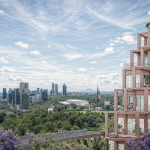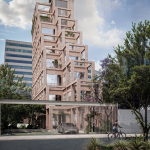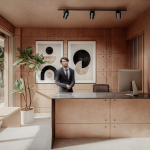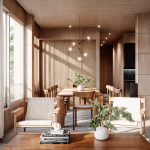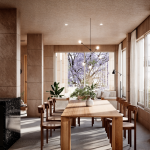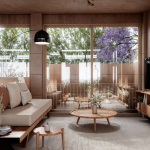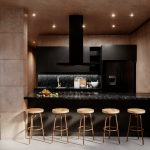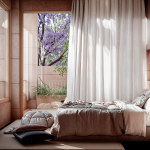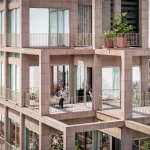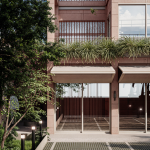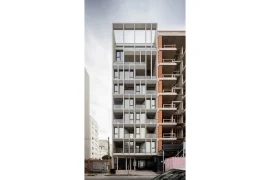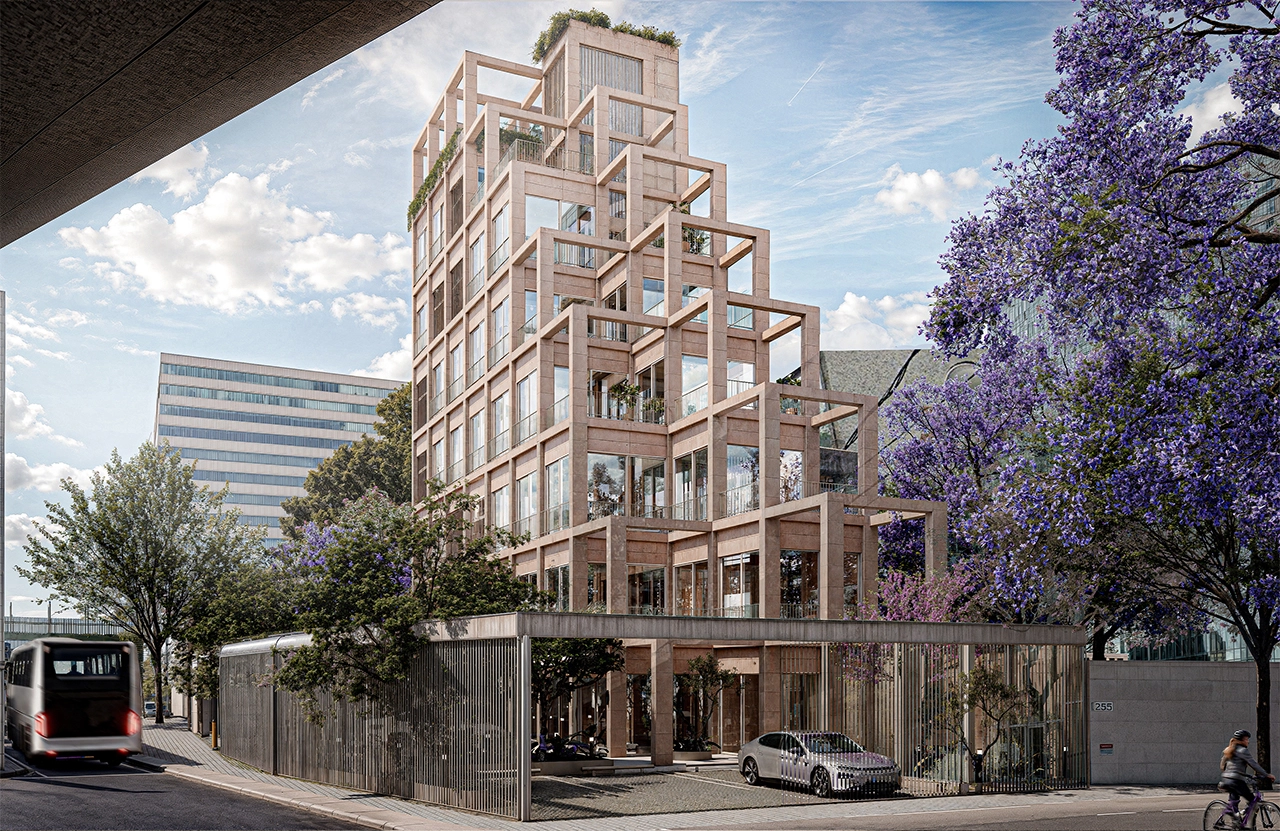
Located at the intersection of Periférico and Miguel Lanz, this project emerged from an urban development agreement that allowed the fusion of three adjacent plots. The strategy focused on maximizing the potential of each lot to consolidate a slender seven-story tower, optimizing land use and generating a stepped volumetry that responds to the urban conditions of the surroundings.
Project Name: Miguel Lanz Duret
Studio Name: Tenter Estudio
Location: Miguel Lanz, Mexico City
Area: 1000 m2
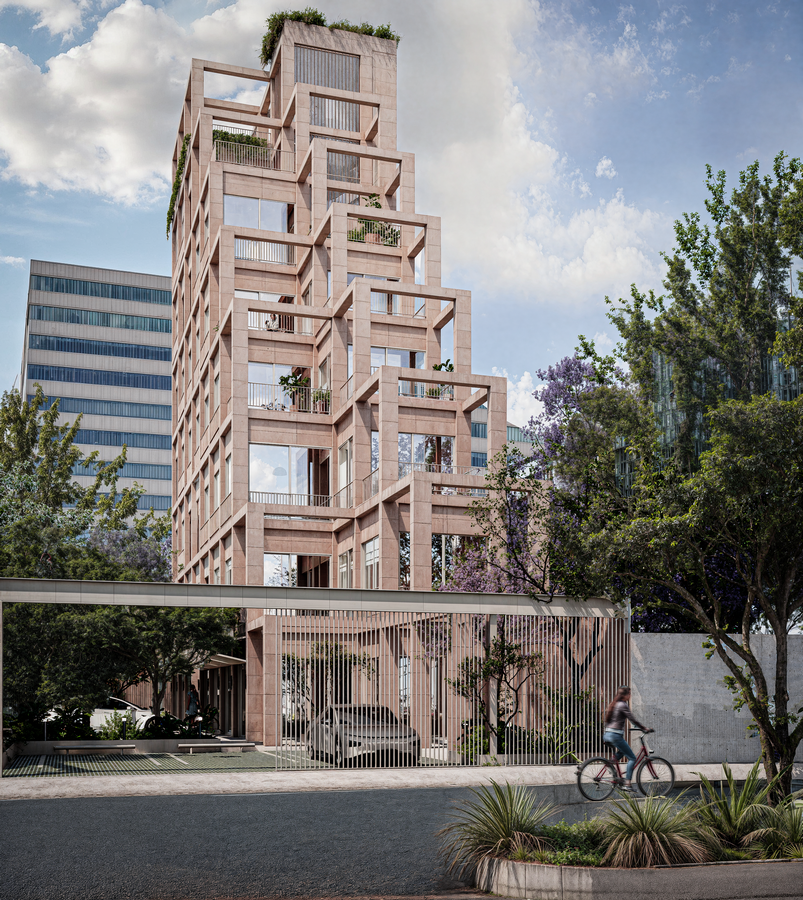
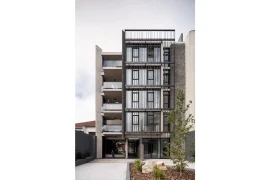
With a built area of 1,000 m², Miguel Lanz Duret rises vertically in a composition that integrates six apartments and ground-floor commercial spaces. A 10 meter setback from Periférico defines the geometry of the complex, creating a slender silhouette that elegantly adapts to the corner and allows for a clear reading of the volume from the public space.
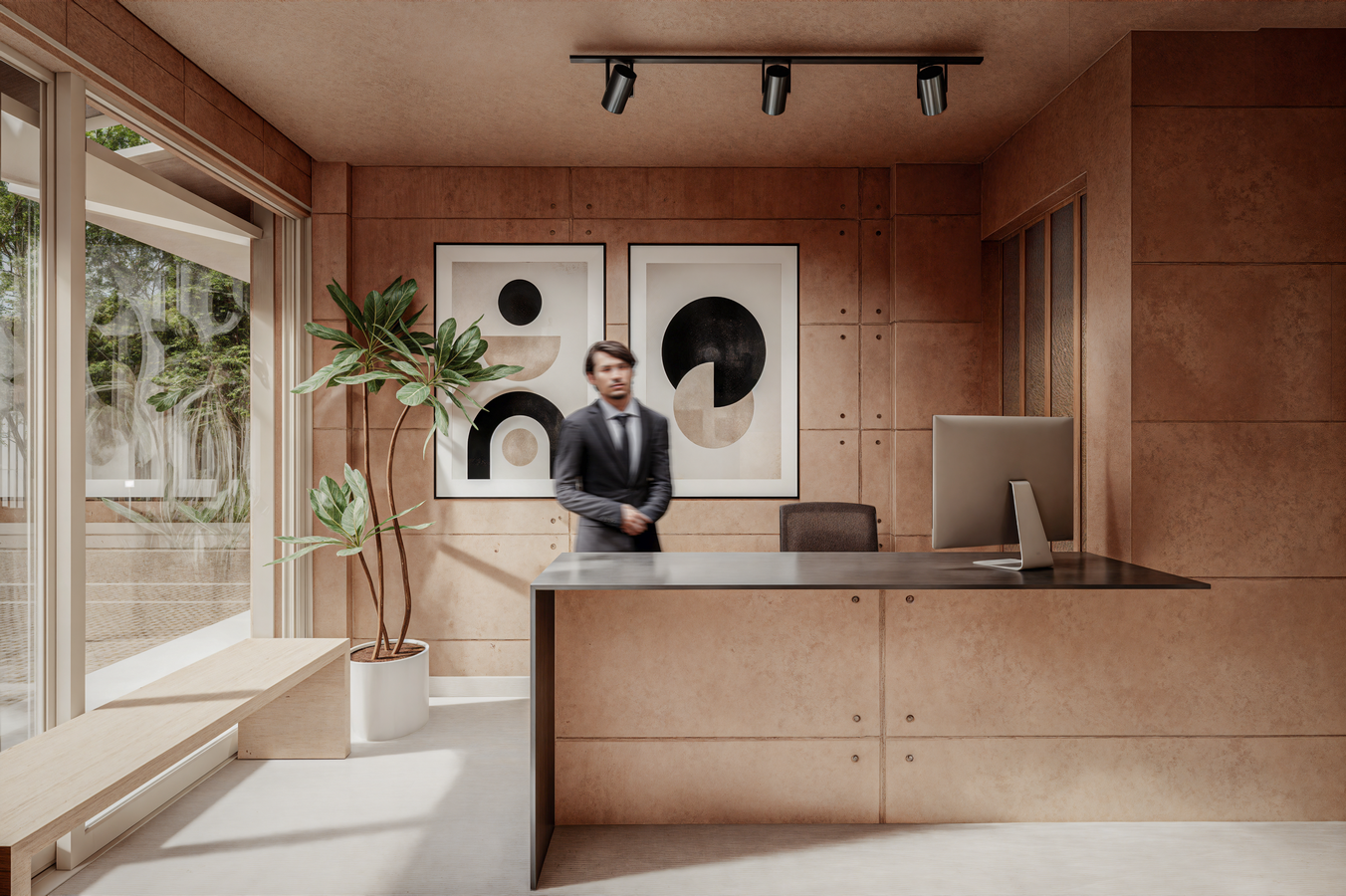
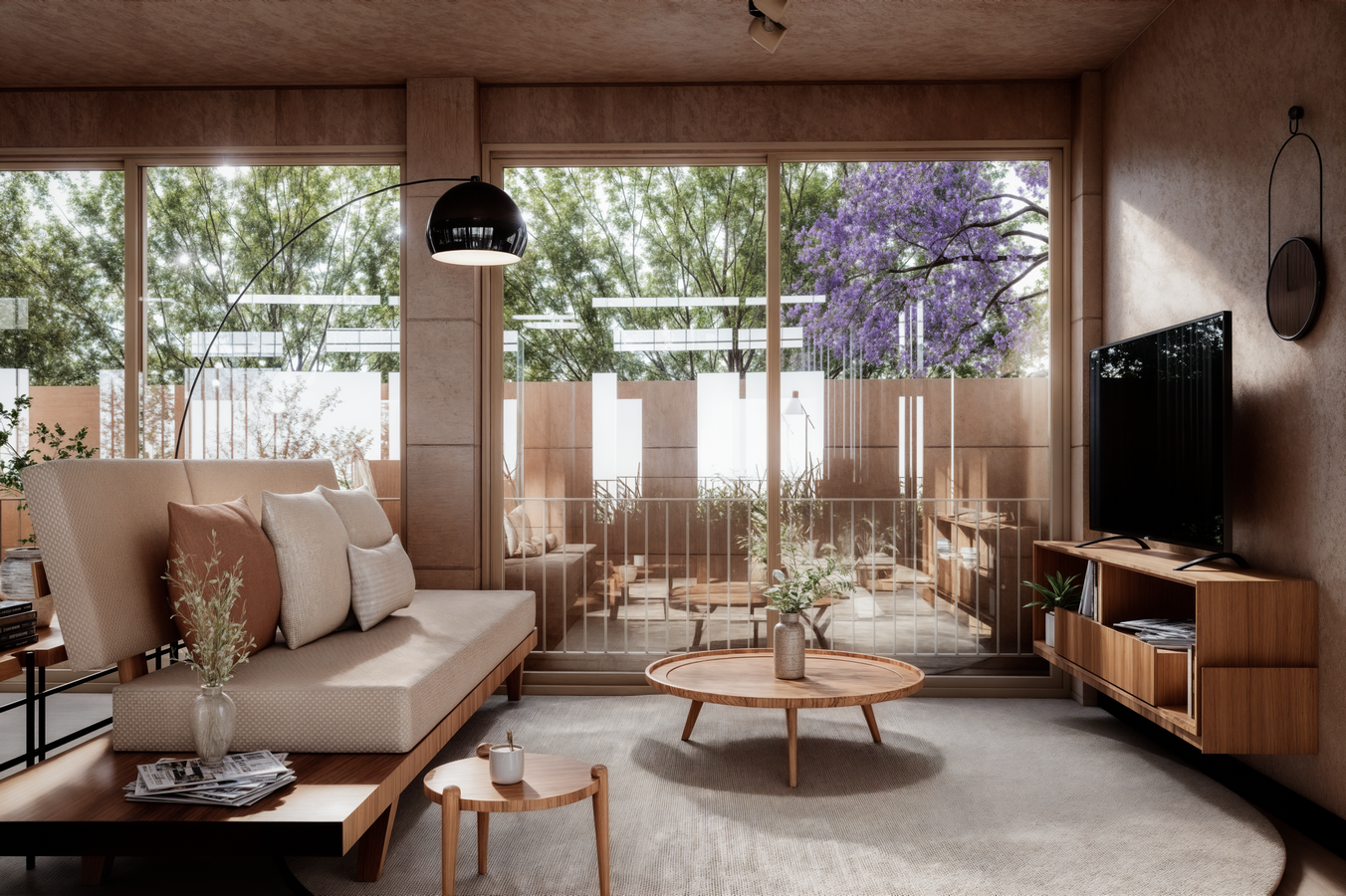
Each apartment is distinguished by its size ranging from 60 m² to 160 m², but more importantly, by its direct relationship with the stepped terraces that articulate the project. This typological diversity responds to a market analysis aimed at a young demographic, primarily dual-income couples without children, a market niche known as “Double Income, No Kids” or “DINKs,” who seek functional, well-located spaces with investment
potential.
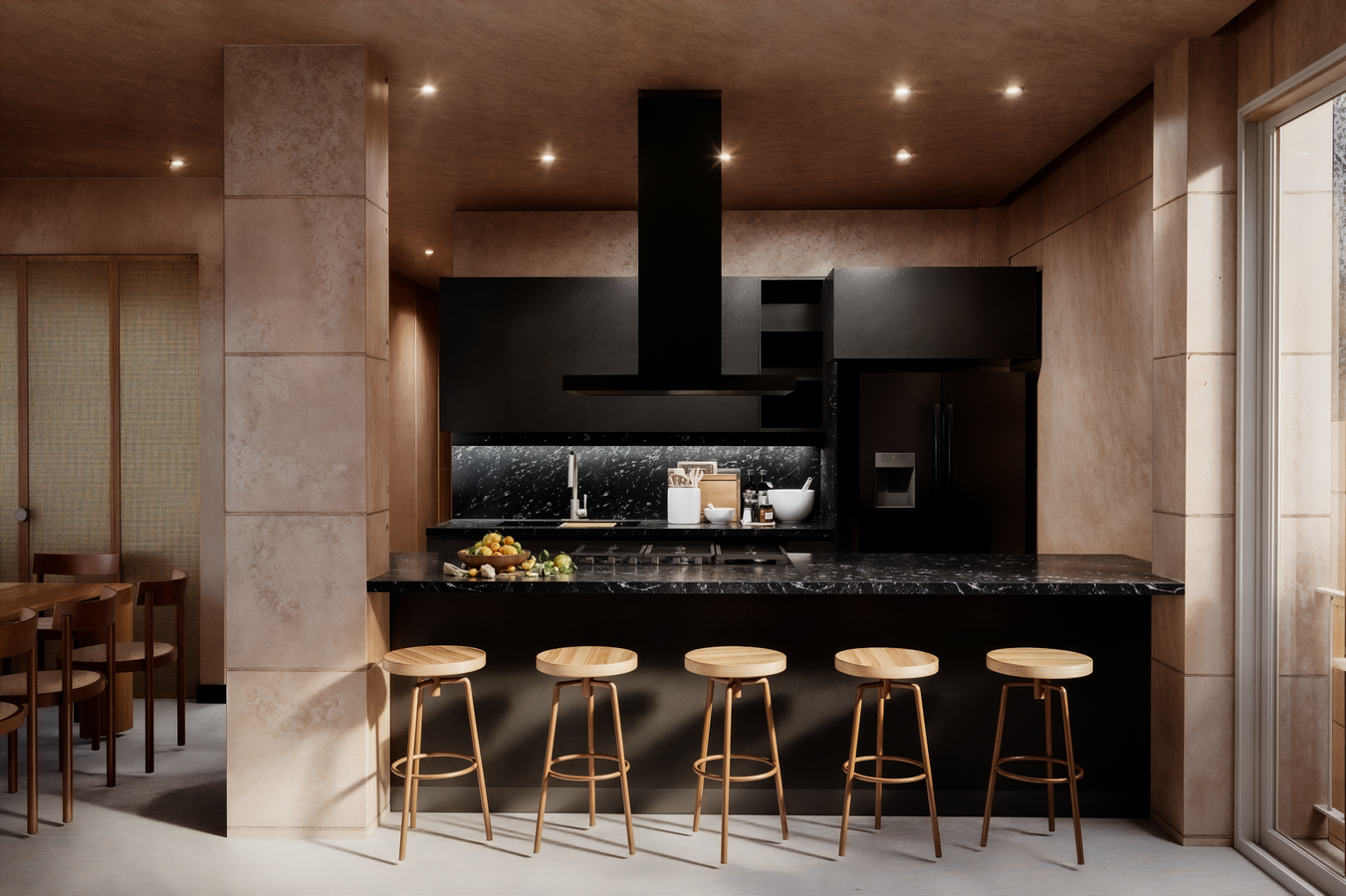
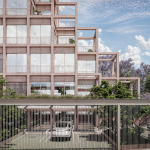
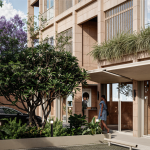
From the outset, the project was conceived as a direct response to the clientʼs needs, who sought a commercially viable proposal with high efficiency and quick market placement. This intention is reflected in the inclusion of ground-floor commercial spaces and open-air parking, leveraging the strategic corner to activate the Periférico frontage as an open public space.
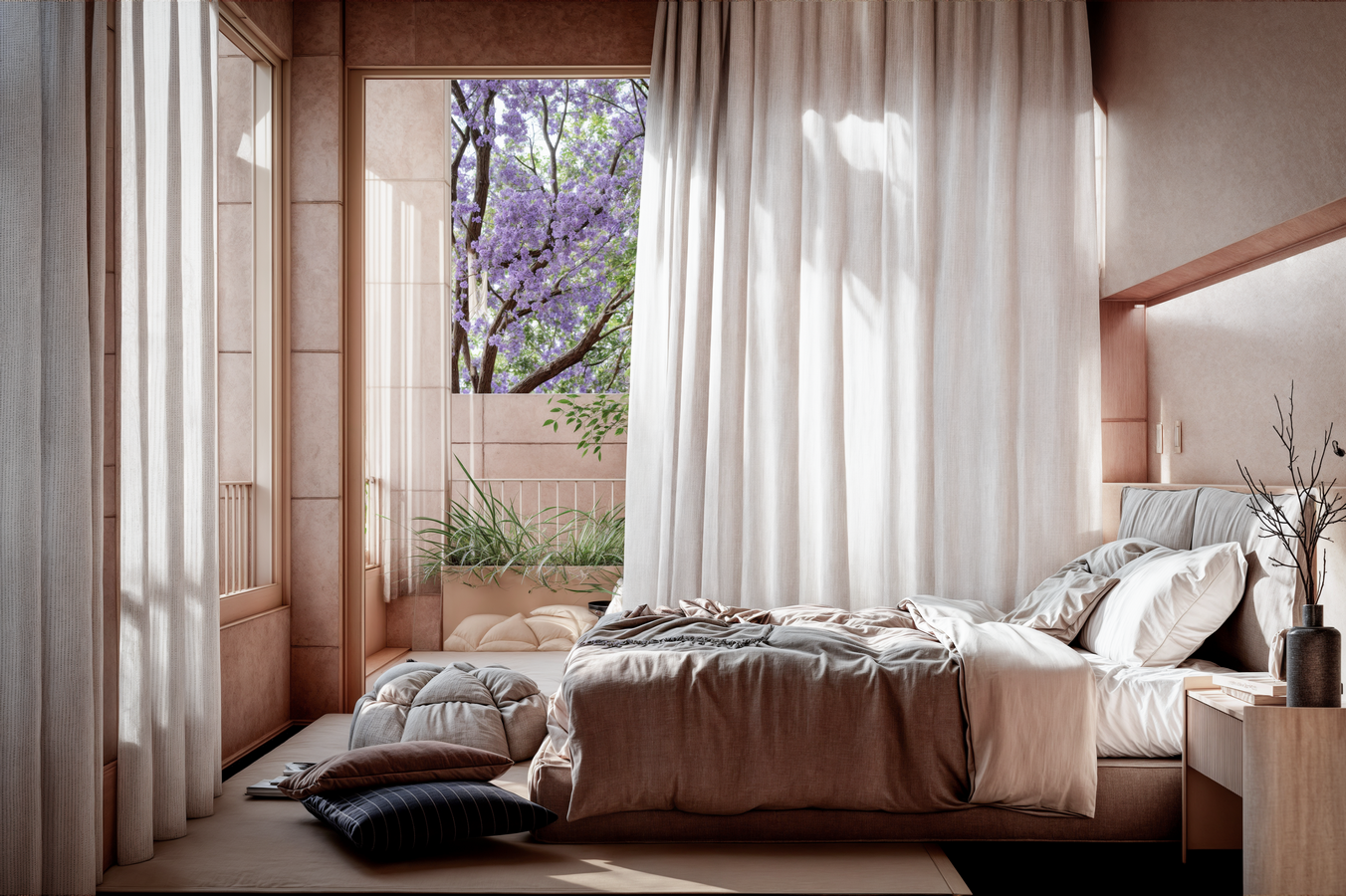
Thus, the concrete retaining walls that structure the Miguel Lanz Duret building not only define its base but also articulate the habitable terraces and reinforce the urban character of the complex, integrating commercial and residential uses into a coherent and functional architectural solution. The façade is characterized by a play of vertical fins that interact with solid and void elements, adding rhythm and depth to the volume.
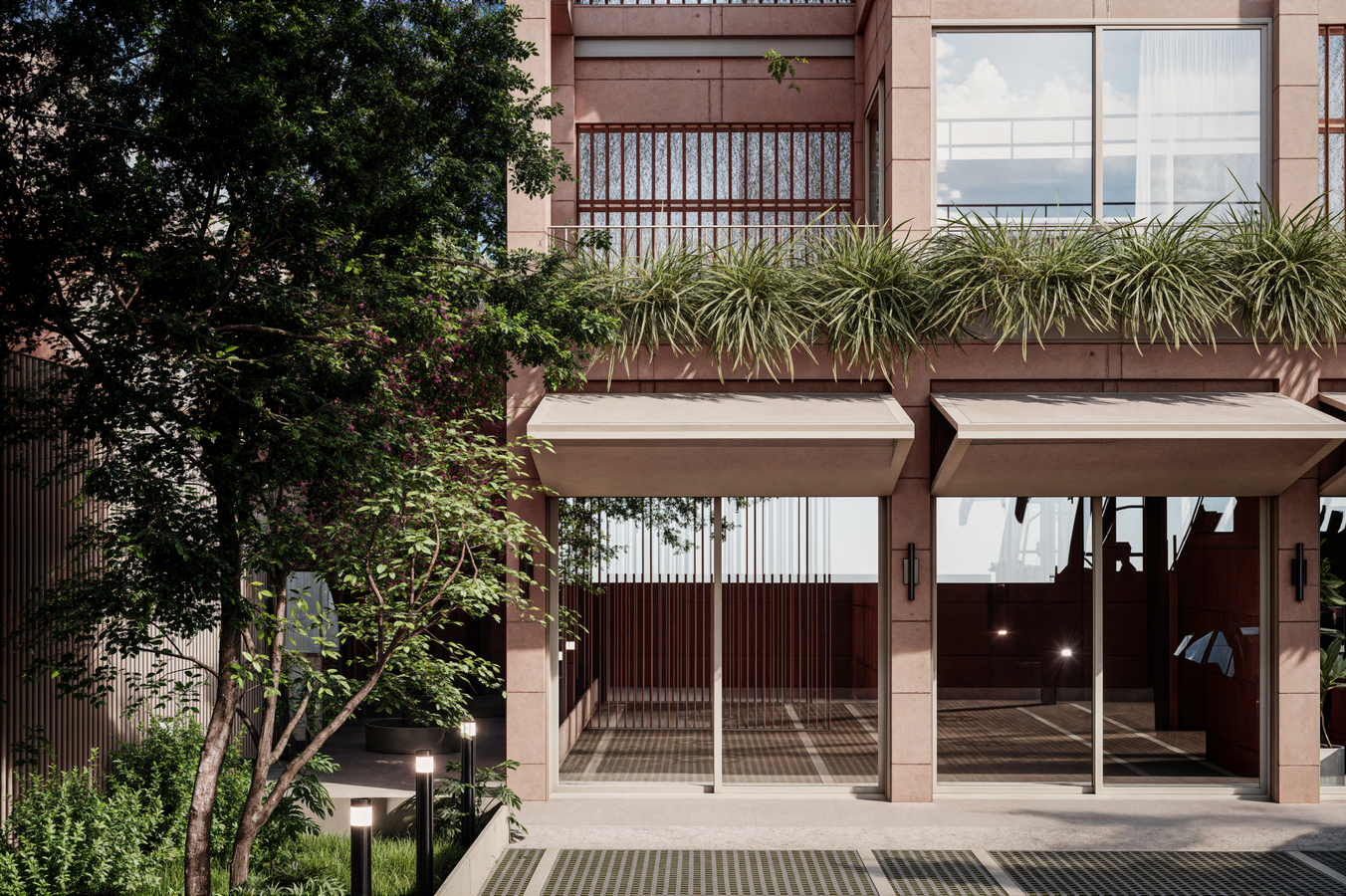
The architectural expression embedded in the project, along with the buildingʼs vertical proportions, defines its identity: a contemporary proposal that balances efficiency, formal clarity, and a direct relationship with the city.