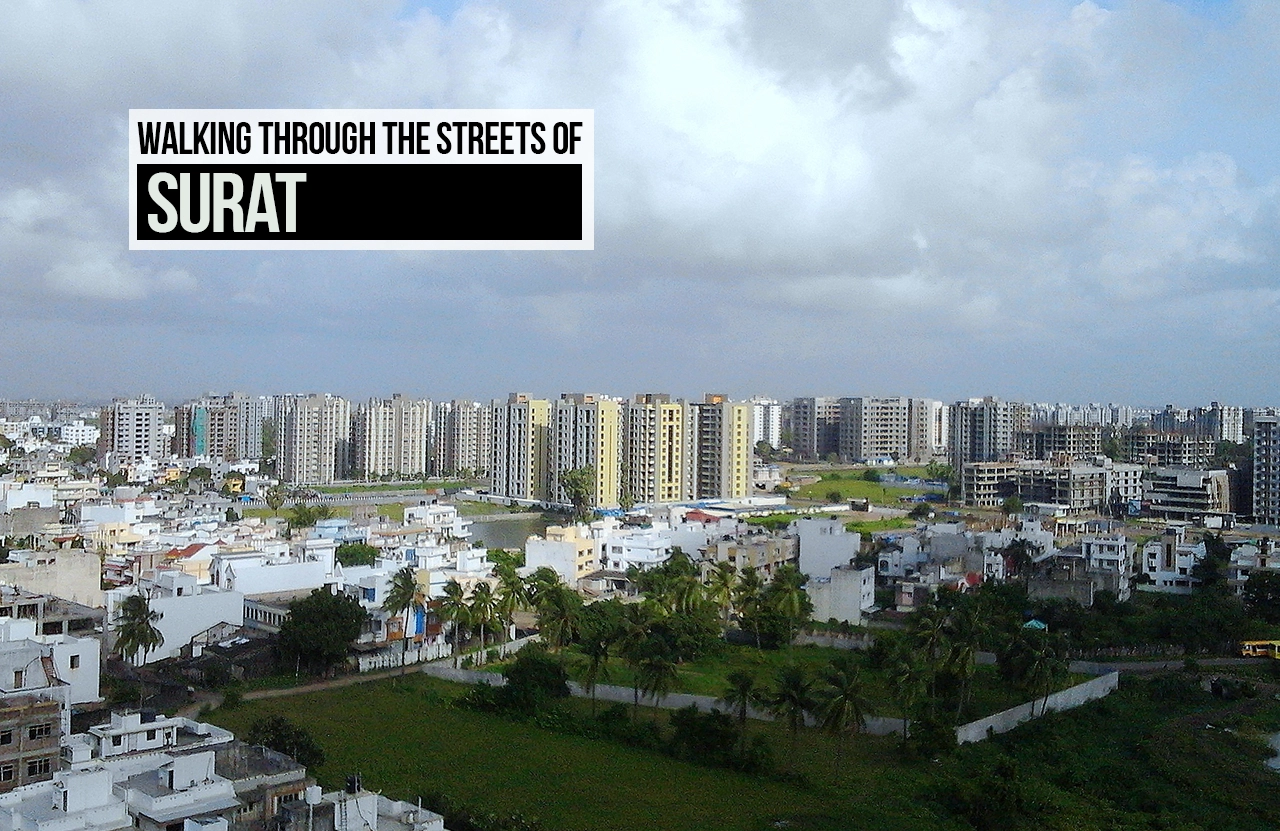
Origins: Port, River, and the Birth of Commerce
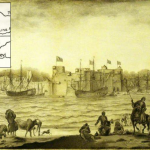
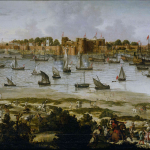
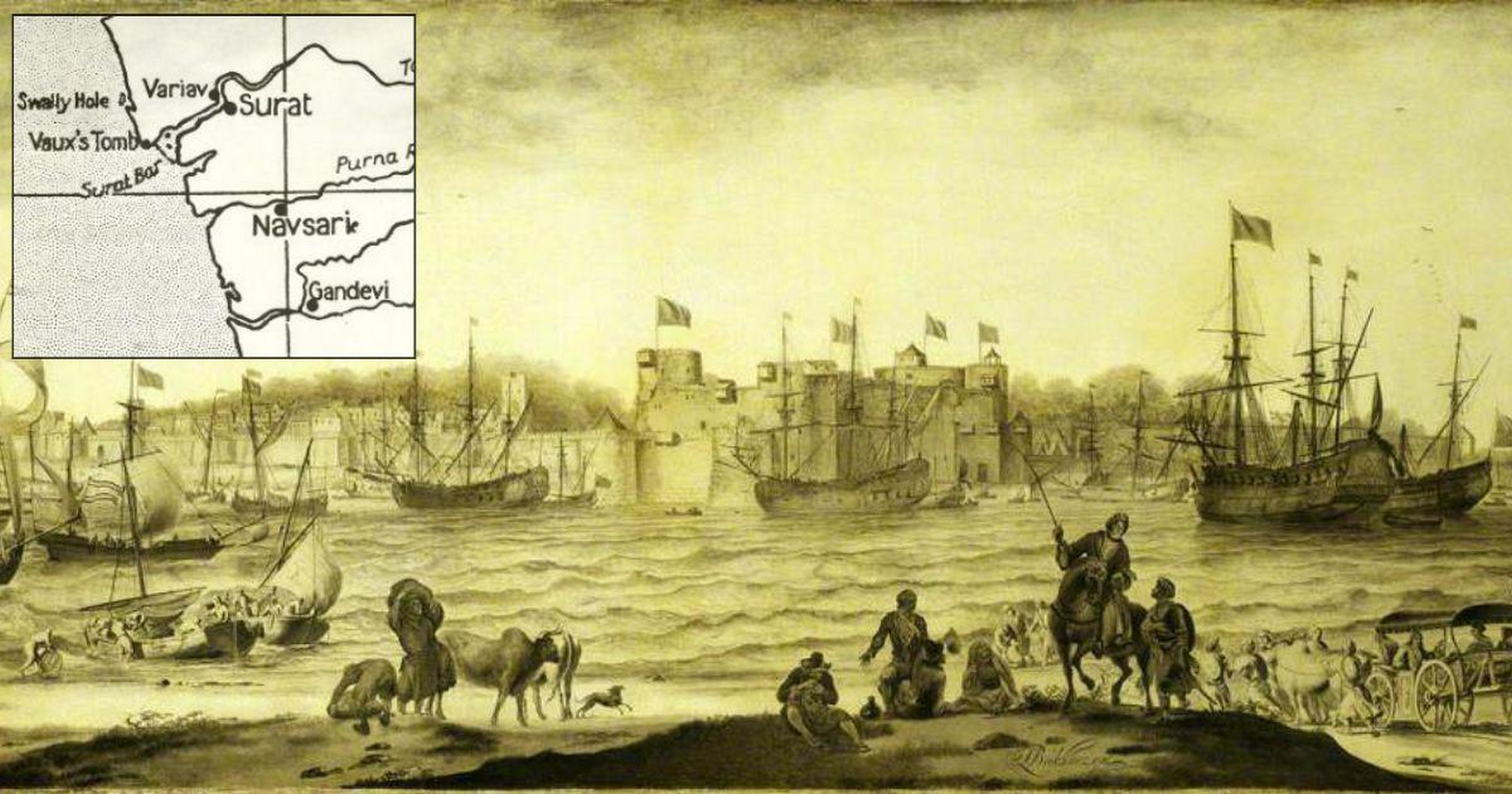
The Tapti River’s mouth at the Arabian Sea is the point where Surat’s tale starts. The river during those times was an important link for merchants in the inland, connecting them to the sea and, from there, to the entire world. In the 16th century, Surat had turned into a major port city of India, and a very flourishing center that linked the Red Sea to the Spice Islands.
It is this configuration that had riverine, rich soil and a coastal location that strategically decided the fortune of Surat as a mercantile city and a city of craftsmen. The streets were created out of the necessity that the thin alleys interwoven among the godowns, temples, mosques, and merchants’ residences.
The very first port settlements, the bazaar streets were the water’s side extensions, the places where boats and ships touched the city. The trading of waterborne goods was smoothly done, and they were washed away by the waves of traders who took them to the markets of the inner streets. Therefore, it became an act of the senses to walk in Surat: smell of spices, flash of fabric, sound of haggling voices.
The Mughal Bazaar: Order Amidst the Bustle
The seventeenth century saw Surat, with the support of the Mughals, at the height of its power as the chief port of the Mughal empire. It was “Bab al-Makkah”, the gateway to Mecca, since the ships with pilgrims for the Hajj departed from here. This period was marked by a new system of order being raised in the traditional disorder of its bazaars.
The main bazaars developed naturally around guilds and the community. Naming places according to their specialties in goods was a common practice. Each street had its own specific sound and materials. The merchants’ houses above had jharokhas that protruded from the overhanging wooden balconies, providing the marketplaces with shade.
The streets were social institutions rather than merely market spaces. The bazaar would be a common ground where business, faith, and community life mingled. The architecture here was not of grandeur but of versatility: it was constructed to take in the tropical humidity and at the same time protect both the goods and the people talking about them. The shop windows opened like theaters, almost making the public and the private non-existent. Every sale was followed by interaction among various traders, between the craftsmen and the buyers, between the local and the global.
Colonial Interactions and Shifting Urban Landscapes
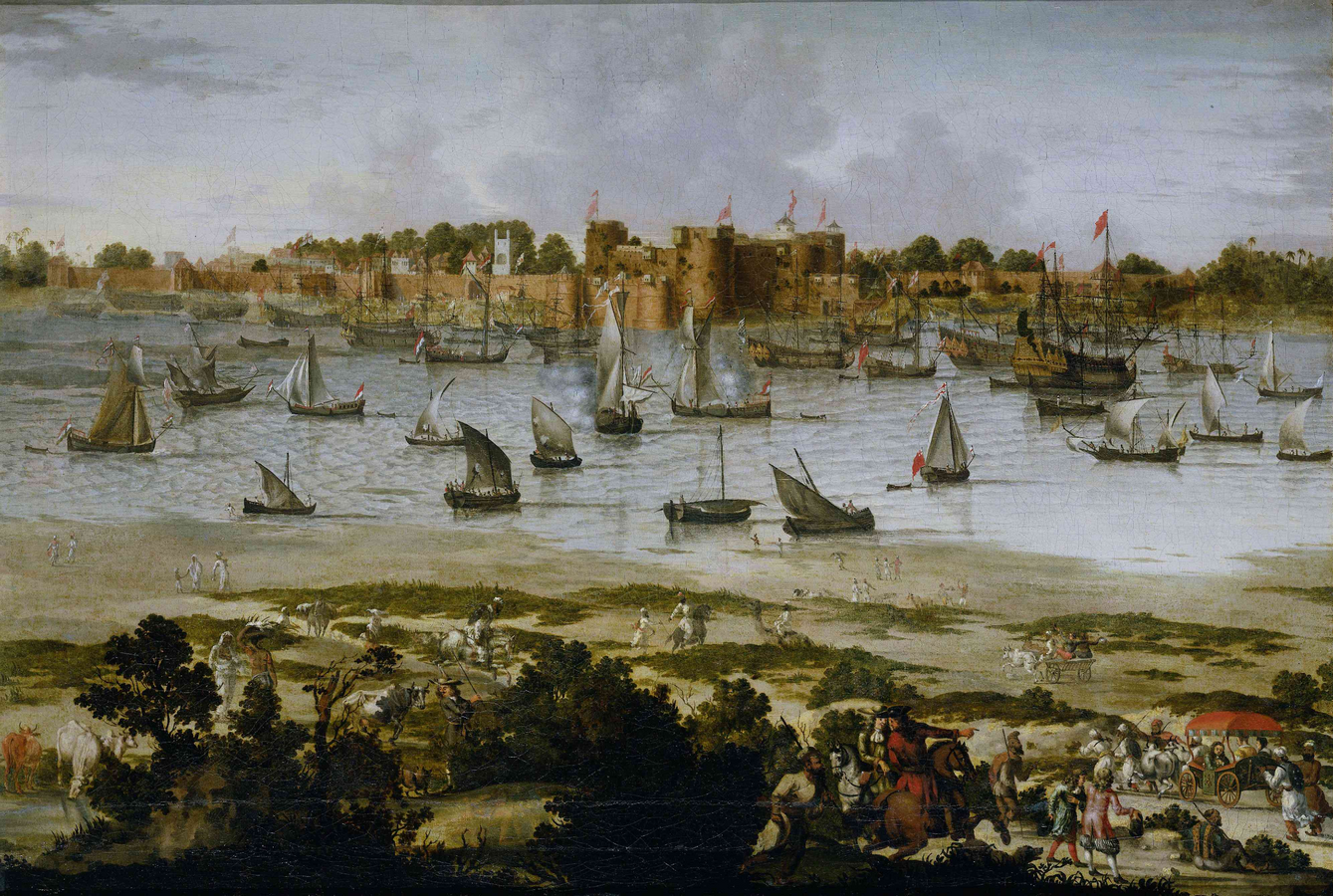
The 18th and 19th centuries changed things, and the changes were not only in a figurative sense but also literally. During the decline of the Mughal Empire and the ascendance of European trading nations, Surat’s status as a port city experienced quite a few dramatic changes. The British East India Company set up its first factory here in 1612, and although later on, Bombay took the lead over Surat as a major port, the city still managed to flourish as an inland trade center.
Colonialism changed the city and its people culturally and made a new geography, a new map of the city with new streets and buildings. Besides, the British, who brought in lines of planned roads, public buildings, and railway links, pushed the transport of the city’s main road away from the river and towards the land transport system. At first, the bazaar’s streets were synchronized with the river’s cycle; later, they had to follow the dictates of the colonial administration.
The period of colonial rule also added a new dimension to the urban landscape of Surat: the existing native town and new European quarters lived side by side. The British built their own enclaves, complete with wide roads and stone facades, while the traditional bazaar still persistently and actively operated its way through the dense, winding manner. It was through and in these streets the spirit of Surat lived on – being resilient, adaptable, and very human.
Architectural Character of the Bazaar
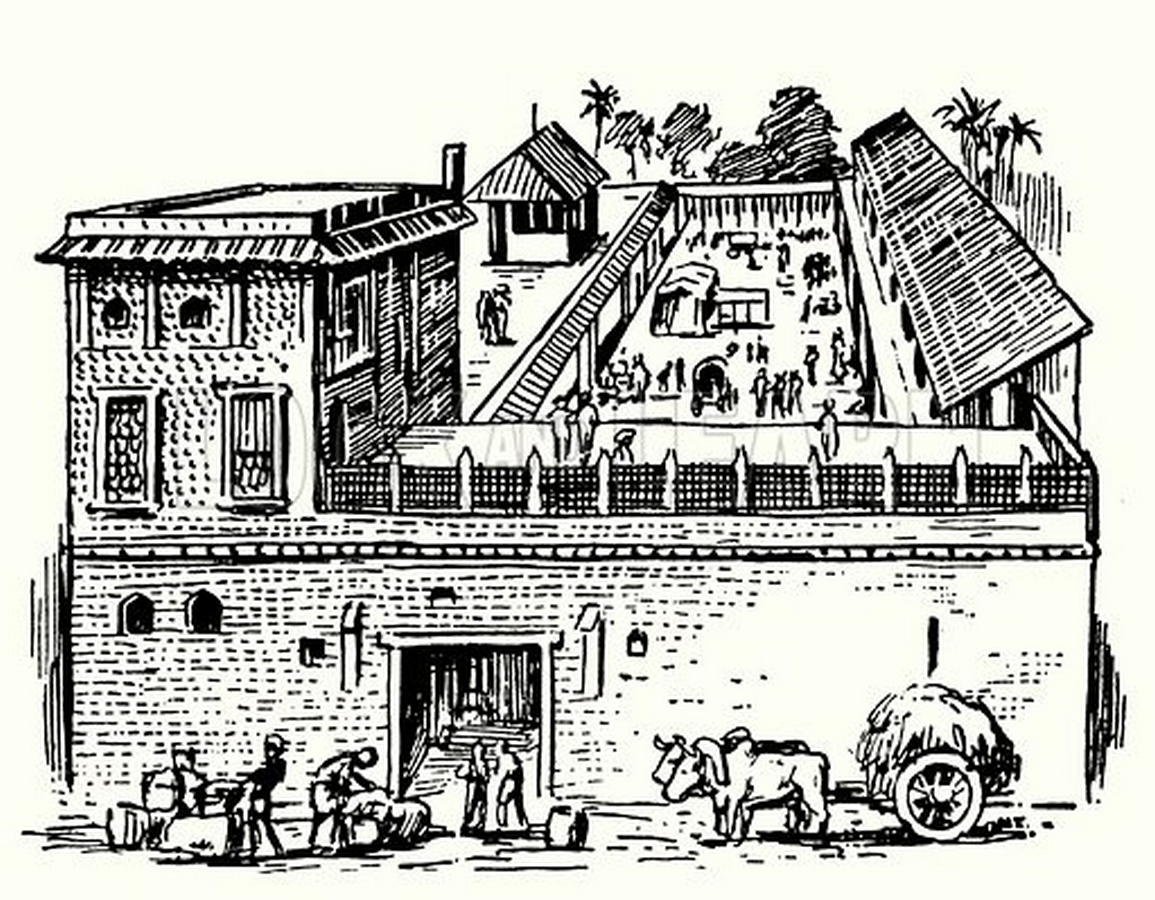
The buildings of the bazaars of Surat tell us about the different factors that are the craft, climate, and community. It was the case of narrow streets with the upper floors clearing themselves off the street by projecting over the pedestrian area, shading the street. These projecting balconies were made beautiful with wooden brackets, and it was the same to them that the sun and the heavy rains of the monsoon got relieved by the creation of a microclimate inside the street.
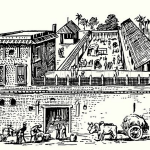
The materials used were local wood sourced from nearby forests, fired brick, lime plaster, and decorative stucco work for the finishing of the walls. The facades are often enlivened with the presence of sculptured doors, woven lattice screens, and even openings of different sizes that let through light and air. The inside courtyards served as spaces for respiration in the thickly populated urban area and also served as points of both social and commercial interaction.
It is mainly the architectural adaptability that makes the bazaars of Surat remarkable. The single building served various purposes: shop on the ground floor, storage above, and very often, sleeping behind.
Twentieth-Century Transformations and Continuities
The 20th century brought Surat into the sphere of industrial modernity, with the setting up of textile mills and diamond industries that changed its economic base remarkably. The bazaars that used to be in the silk and spice trade gradually transformed themselves into dealing with synthetic fabrics and global commerce. The fundamental city structure, notably the market on the street and the bazaar as the place of socialization, was still there. The rapid urbanization process in the post-independence era made Surat extend its territory far beyond the limits of its historical center. At present, going for a stroll in the bazaars of Surat is like walking through a living archive. Each corner shares a story of the ships that used to depart from its port, the noise of Mughal merchants, the silence of colonial presence, and the cheer of generations who have been trading and trusting.