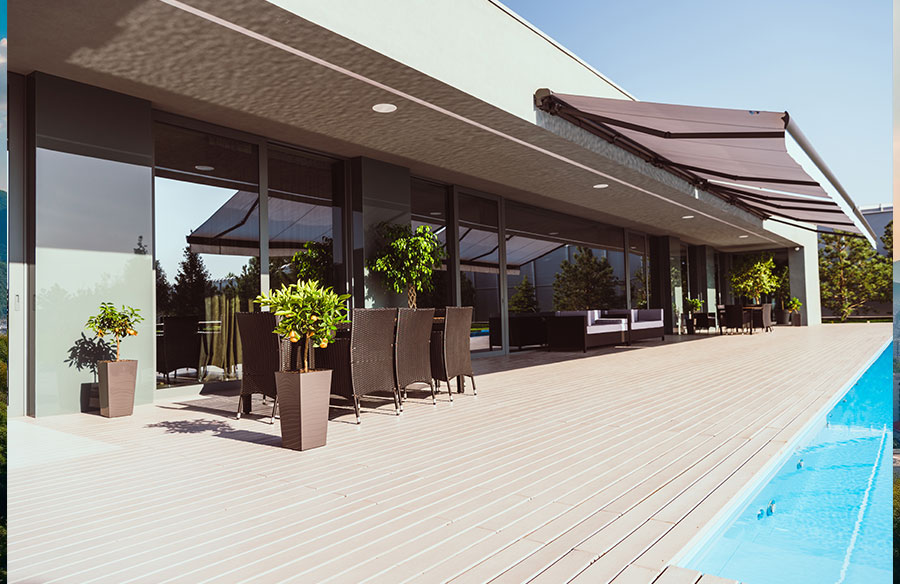
Designers no longer hide awnings, they highlight them. Modern frames, colors, and lighting options turn shade into design feature rather than functional necessity. What was once treated as utilitarian addition now becomes focal point. That shift reflects how design thinking has evolved around outdoor spaces.
Awnings represent opportunity for expression not compromise. Modern aesthetic sensibilities embrace visible infrastructure when it’s well-designed. Retractable awnings embody that principle. They’re structural elements that enhance visual appeal rather than detract. Designers recognize that opportunity and are elevating awning design to become meaningful architectural statement.
The evolution from hidden functionality to showcased design represents broader shift toward embracing structural honesty in architecture. Modern design celebrates how things work rather than hiding mechanisms. That philosophy transforms awnings from something to minimize into something to celebrate. Contemporary homes feature awnings as intentional design elements. Traditional homes integrate awnings respecting existing aesthetics. That flexibility allows awnings to enhance diverse architectural approaches.
Understanding why designers love modern retractable awning design means recognizing that functionality and aesthetics can merge completely. You’re not choosing between beautiful and practical. Modern design delivers both simultaneously through thoughtful engineering and aesthetic refinement.
Streamlined Frames, Architectural Appeal
Slim profiles blend with minimalist or traditional façades without visual heaviness. Modern engineering achieves strength through elegant proportions rather than bulky materials. Thin aluminum frames support mechanisms that previous generations required chunky housings for. That material science advancement allows slender profiles matching contemporary aesthetic. Minimalist architecture celebrates slim lines. Traditional architecture appreciates proportions that don’t overwhelm existing details. Both aesthetic approaches find compatible solutions in modern frame design.
Architectural integration happens when awning proportions match building proportions. Careful sizing ensures awning complements rather than dominates. Frame colors coordinate with trim and accent colors. Hardware finishes align with existing metal details. That coordination creates impression that awning belongs to original design. That integration elevates perceived quality of both architecture and awning simultaneously.
Clean lines communicate quality and intentionality. Ornate details feel dated compared to modern simplicity. Modern frames celebrate minimal design while delivering maximum functionality. That aesthetic preference translates into frames that enhance contemporary homes. Whether your home leans minimalist, mid-century modern, or transitional, frame profiles exist matching your style. That design flexibility ensures your specific aesthetic finds representation.
Fabric Innovation Meets Function
Fade-resistant textiles now come in designer palettes and eco-friendly materials simultaneously. Technology advancement transformed outdoor fabrics from limited color selection to diverse options. Solution-dyed acrylic means colors won’t fade even after years of intense sun exposure. That durability means initial color selection stays vibrant. That color longevity encourages adventurous palette choices knowing investment won’t fade.
Designer palettes expand fabric options beyond basic neutrals. Subtle patterns create visual interest. Bold colors make statements. Coordinated collections work together creating layered designs. That diversity means fabric selection becomes genuine design decision rather than functional afterthought. You’re not choosing practical fabric. You’re choosing design statement expressed through fabric. That shift elevates awning from practical element to design expression.
Eco-friendly materials appeal to environmentally conscious designers and homeowners. Recycled materials reduce environmental impact. Sustainable sourcing practices support responsible manufacturing. That environmental consideration aligns with modern design values. Choosing sustainable fabrics means your comfort choice also reflects values. That alignment between aesthetics, function, and ethics represents what modern design actually means.
Integrating Lighting and Ambience
LED strips and valances create nighttime charm without clutter. Integrated lighting transforms awning from daytime element to nighttime focal point. Soft LED strips provide ambient lighting suitable for evening gatherings. Valances hide light sources creating clean appearance while delivering illumination. That integration means lighting enhances rather than complicates design. Modern technology allows sophisticated effects through simple installation.
Ambience creation through lighting extends outdoor living season into evening hours. Daylight awning provides shade and temperature control. Evening awning provides atmosphere and mood setting. That dual functionality multiplies value of single investment. You’re not just getting daytime comfort. You’re getting enhanced evening experience. That extended utility represents genuine sophistication in design thinking.
Dimmable LED systems let you adjust intensity matching activities and moods. Bright lighting works for entertaining. Dim lighting works for intimate conversation. Moderate lighting works for regular dining. That flexibility of ambience means space adapts to occasion. That adaptability is what responsive design actually accomplishes. You’re not locked into one lighting mood. You’re controlling atmosphere continuously.
Conclusion
A modern retractable awning design is both fashion and function working seamlessly together. Beauty that earns its keep through practical performance. Design that celebrates rather than hides structural intelligence. That integration of aesthetics and functionality represents evolution in how designers approach outdoor living. Awnings are no longer grudging necessities. They’re celebrated design elements enhancing homes.
Design-forward thinking transforms practical investments into meaningful architectural statements. Modern awnings prove that functionality and beauty need not compromise. When engineered thoughtfully, structural elements become visual assets. That principle applies across contemporary architecture. Awnings represent perfect example of how infrastructure can become design.
Deploy modern retractable awning that celebrates design rather than hiding function. Choose frames and fabrics expressing your aesthetic. Integrate lighting creating ambience. Let infrastructure become design statement. That approach transforms outdoor space from generic to meaningful through thoughtful design choices.